
Sauces & Condiments
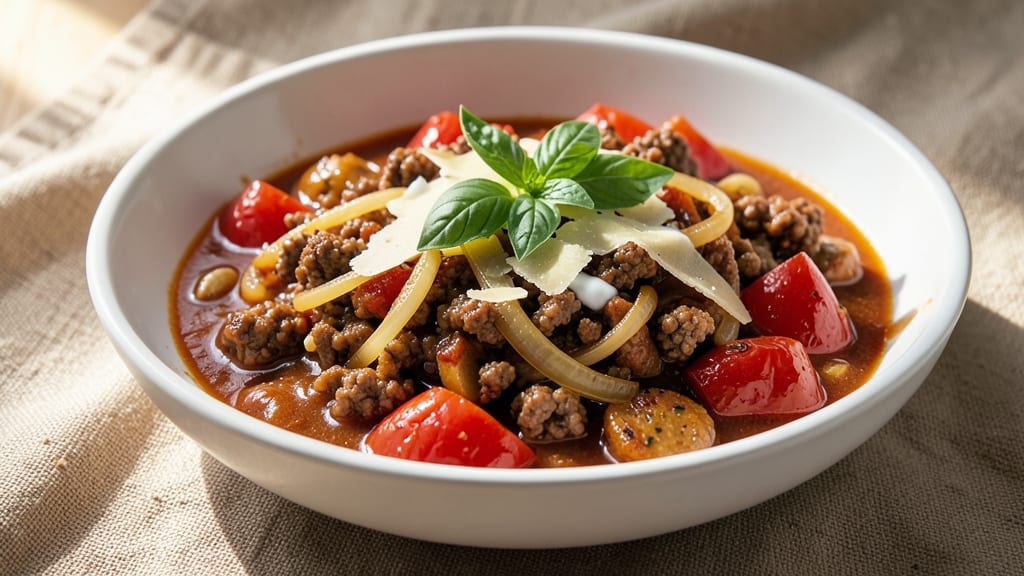
This American spaghetti sauce recipe delivers the rich, meaty depth that makes Sunday dinners legendary. The secret lies in slow-simmered tomatoes, caramelized onions, and layers of garlic and oregano working together for hours to create a sauce that clings perfectly to every strand of pasta.
I've perfected this version over years of weekend cooking, adjusting the balance until it hits that exact sweet-savory spot that feels like home.
The foundation starts with ground beef or Italian sausage (your choice) browned until deeply flavorful, then deglazed with garlic and wine to pull up every last bit of meaty goodness.
Canned tomatoes form the base, but the magic happens during the 2-hour simmer—where flavors meld and the sauce thickens to that ideal consistency. Fresh herbs at the end brighten the depth, while a touch of sugar balances acidity for perfect harmony.
What you'll end up with is a sauce so rich and aromatic it transforms simple spaghetti into a restaurant-worthy meal. The texture is just right—thick enough to coat but still silky enough to twirl.
It freezes beautifully too, making it perfect for meal prep or gifting. This isn't just sauce; it's the heart of any Italian feast.
Use it with spaghetti, meatballs, or even as a pizza topping—this sauce elevates everything it touches. The best part? It tastes even better the next day as flavors continue developing. Ready to make your own batch that tastes like Sunday dinner every night?
Ingredients for american spaghetti sauce
Here's what transforms simple pantry staples into legendary American spaghetti sauce.
| Ingredient | Amount | Notes |
|---|---|---|
| Ground Beef 🥩 | 1 ½ lb | 80% lean for best flavor |
| Italian Sausage 🌭 | 1 lb | Sweet or spicy variety |
| Yellow Onion 🧅 | 2 whole | Medium-sized, diced fine |
| Garlic Cloves 🧄 | 6 cloves | Freshly minced for depth |
| Canned Crushed Tomatoes 🍅 | 28 oz | San Marzano preferred |
| Tomato Paste 🍅 | 2 tbsp | Squeeze tube works perfectly |
| Red Wine 🍷 | ½ cup | Bold dry variety like Cabernet |
| Beef Broth 💧 | 1 cup | Low-sodium preferred |
| Dried Oregano 🍃 | 2 tsp | Mexican oregano ideal |
| Dried Basil 🌿 | 1 tsp | Fresh if available |
| Granulated Sugar 🍚 | 1 tbsp | Balances acidity perfectly |
| Olive Oil 🫒 | 2 tbsp | Extra-virgin for richness |
| Salt 🧂 | 1 ½ tsp | Kosher or sea salt |
| Black Pepper 🌶️ | ½ tsp | Freshly cracked preferred |
The meat is non-negotiable—ground beef and Italian sausage give that deep, meaty flavor. Costco or Kroger usually have the best prices for bulk ground beef, and I always grab the sweet Italian sausage for that classic Sunday dinner taste. Look for 80% lean beef—fatter cuts can make the sauce greasy. The onions and garlic? Fresh is best, but if you're in a pinch, frozen chopped onions work fine. Just make sure to dice them small so they melt into the sauce completely. The tomatoes are where the magic happens—I swear by San Marzano canned tomatoes for that perfect balance of sweetness and acidity, but any good-quality crushed tomatoes will do.
No red wine? Beef broth with a splash of balsamic vinegar works perfectly. Fresh basil is ideal, but dried basil at half the amount gets you close. The tomato paste can be skipped if you're short, but trust me—it deepens the flavor so much. For the sugar, brown sugar adds a caramel note, but white works fine. If you're making a big batch, double the spices—this sauce tastes even better the next day as the flavors meld. The key is letting it simmer low and slow so everything comes together just right.
This sauce keeps for 5 days in the fridge, but honestly? It's even better the next day. Freezes beautifully too—3 months in the freezer with no texture changes. I like to freeze it in 1-cup portions so I can grab exactly what I need for a meal. If you make extra, share it—everyone will ask for seconds. The secret to great spaghetti sauce? Patience and letting those flavors work their magic.
Why You'll Love This Recipe
- No Chopping Needed: The onions and garlic go in raw—no fancy dice or mincing. Between us, I’ve burned a garlic clove or two trying to get it perfect, but here? Just smash those cloves and slice the onion thick. Ten minutes later, you’re golden.
- Meat-Packed Depth: That combo of ground beef and Italian sausage? It’s where the magic happens. The beef keeps it rich, while the sausage adds a smoky punch that makes you want to lick the pan. (Yes, even on a Tuesday night.)
- Leftovers That Last: This sauce actually gets better the next day—honestly, it’s my go-to for meal prep. Freeze half for when you’re too tired to cook, and reheat it straight from the fridge without skipping a beat.
- Budget-Friendly Feast: You’re getting protein, veggies, and tomatoes for pennies. A single can of crushed tomatoes and a pound of meat stretch to feed four, and the flavor? Ridiculously good. My college budget would’ve wept happy tears.
Step-by-step instructions for classic meat sauce
Here's how to build a rich, flavorful American spaghetti sauce that delivers deep garlic notes and perfect oregano balance every time.
Brown the Meats for Maximum Flavor
Heat a large Dutch oven over medium-high heat and add 1 tablespoon of the olive oil. Once shimmering, add the 1.5 lb ground beef in batches, breaking it up with a wooden spoon as it browns. Don't overcrowd the pan—this prevents proper browning. Cook until the beef loses its raw color and develops a deep brown crust, about 8-10 minutes total. Transfer to a plate and set aside.
Increase heat to medium-high and add the remaining 1 tablespoon olive oil. Add the 1 lb Italian sausage, breaking it apart with your hands. Cook until the sausage releases from the pan and becomes golden brown, about 5-6 minutes. The fat from the sausage will begin to render out—this is pure flavor we want to capture. Transfer to the same plate as the beef.
Sauté Aromatics Until Deeply Fragrant
Reduce heat to medium and add the 2 whole yellow onions that you've finely diced. Cook for 5-6 minutes, stirring occasionally, until the onions soften and begin to caramelize at the edges. This step builds sweetness that balances the acidity later.
Add the 6 cloves garlic cloves that you've minced. Cook for 30-45 seconds until you can smell that irresistible garlic aroma filling your kitchen. Don't let it burn—garlic turns bitter quickly. Here's where it gets good: Add the 2 tbsp tomato paste and stir vigorously for 1 minute. This creates a rich, concentrated base that deepens the sauce's color and flavor.
Deglaze and Build the Sauce Foundation
Pour in the 0.5 cup red wine and scrape up all those beautiful browned bits from the bottom of the pan. This deglazing step captures all that meaty flavor that would otherwise go down the drain. Let the wine simmer for 3-4 minutes until it reduces by about half and the alcohol cooks off.
Add the 28 oz canned crushed tomatoes and 1 cup beef broth. Stir well to combine, then add the 1.5 tsp salt, 0.5 tsp black pepper, 2 tsp dried oregano, 1 tsp dried basil, and 1 tbsp granulated sugar. The sugar might seem odd, but it perfectly balances the acidity of the tomatoes. Bring everything to a gentle simmer.
Simmer for Deep Flavor Development
Return both the beef and sausage to the pot. Stir well to distribute everything evenly. Reduce heat to low and let the sauce simmer uncovered for 45-60 minutes, stirring occasionally. This slow cooking allows all the flavors to meld together and develop that classic meat sauce depth.
Here's the thing—don't rush this step. The longer it simmers, the more complex the flavors become. You'll know it's ready when the sauce has thickened slightly and coats the back of a spoon. If it gets too thick before the time is up, add a splash of water or broth to reach your desired consistency.
Adjust and Serve Over Perfect Pasta
Taste your sauce and adjust seasoning if needed. You might need a bit more salt or pepper, or perhaps a touch more sugar to balance any lingering acidity. The sauce should be rich, slightly sweet, and packed with meaty flavor.
Serve immediately over freshly cooked spaghetti. Each bite should deliver that perfect combination of tender meat, sweet tomatoes, and aromatic herbs. This classic meat sauce is the heart of any Italian-American meal—simple ingredients, big flavor, and a technique that ensures restaurant-quality results every time.
Pro Tips For Making American Spaghetti Sauce
- CRUSH THE GARLIC: Smash those cloves with the flat side of your knife before mincing—it releases more flavor. I used to just chop them, and the sauce never had that deep, aromatic punch. Takes 10 seconds but makes a real difference.
- BROWN THE MEAT LOW AND SLOW: Skip the high-heat rush—cook the beef and sausage on medium-low until deeply browned, stirring occasionally. High heat steams the meat instead of searing it, and you’ll end up with a watery sauce. Patience here pays off.
- SALT THE CRUSHED TOMATES: Taste the canned tomatoes first—if they’re bland, add ½ teaspoon salt per can before mixing them in. I learned this the hard way after dumping unsalted tomatoes into a sauce that needed extra seasoning later. Save yourself the hassle.
- DEGLAZE WITH A SPLASH OF WATER: After browning the meat, splash in ¼ cup water and scrape up those browned bits—this adds richness without extra fat. I used to skip this, and the sauce always tasted flat. It’s the thing that makes homemade sauce taste restaurant-quality.
Storing and reheating this american spaghetti sauce
Fridge Storage
Let your sauce cool completely before transferring to an airtight container—I use glass Pyrex with snap-on lids for best results. Store in the fridge at 40°F or below for up to 5 days.
The flavors actually deepen overnight as the spices meld, so it tastes even better the next day. Just give it a quick stir before reheating. ❄️
Freezer Prep
For long-term storage, portion sauce into 1-cup freezer-safe containers or quart-sized freezer bags. Leave ½-inch headspace to prevent expansion cracks. Label with the date—this sauce stays excellent for 3 months in the freezer. Thaw overnight in the fridge before reheating. 📅
Stovetop Reheating
My preferred method is stovetop because it preserves texture perfectly. Transfer sauce to a pot and heat over medium-low for 10-15 minutes, stirring occasionally. Add 1-2 tablespoons of water or broth if it thickens too much. Taste and adjust seasoning—it often needs a pinch more salt after freezing. 🔥
Microwave Shortcut
For quick meals, microwave 1-cup portions on 70% power for 3-4 minutes, stirring halfway. Cover loosely with a microwave-safe lid to prevent splattering. If it looks too thick, add a splash of water. This method works best for single servings. ⚡
Sauce Texture Tips
If your reheated sauce seems too thick, thin with warm water or broth—just 1 tablespoon at a time. For extra richness, stir in 1 teaspoon olive oil before serving. The sauce should coat the back of a spoon but remain silky, not gluey. Always taste before serving! 💡
Reviving Stale Sauce
If your sauce tastes flat after storage, revive it by simmering with ½ cup beef broth for 10 minutes. The extra liquid helps redistribute flavors. For extra depth, add 1 crushed garlic clove or ½ teaspoon Italian seasoning during reheating. This works wonders for freezer-burned batches. 🌟
Nutrition facts
Frequently asked questions
Can I make this sauce without meat? For a vegetarian version, swap the beef and sausage with 1 lb mushrooms (cremini or portobello) and 1 cup lentils or chickpeas. Sauté the mushrooms first to develop deep umami flavors, then proceed with the same tomato base. Add 1 teaspoon soy sauce for extra depth. The sauce will still be rich and satisfying—just
How do I prevent my sauce from getting too thick?
If your sauce thickens too quickly, simply add 1-2 tablespoons of water or broth while simmering. For better control, keep a small bowl of water or broth nearby during cooking. The ideal consistency coats the back of a spoon but remains silky. If you're worried about thickening, reduce the simmering time to 30-45 minutes instead of the full 2 hours. Stirring occasionally also helps maintain even consistency.
Can I use fresh tomatoes instead of canned?
Fresh tomatoes work but require different prep. Use 6-8 medium Roma tomatoes (about 2 cups chopped) and simmer them uncovered for 20-30 minutes to break down their texture. For extra richness, add 1 tablespoon tomato paste and ½ cup tomato juice to compensate for the lower acidity. Fresh tomatoes also release more water, so you may need to simmer longer to achieve the right thickness.
What's the best way to use leftover sauce?
Leftover sauce is perfect for lasagna, pizza toppings, or stuffed shells. For lasagna, layer with noodles and ricotta cheese, then bake until bubbly. On pizza, use as a base with mozzarella and your favorite toppings. Freeze extras in 1-cup portions for quick meals. The sauce actually improves after storage as flavors continue developing. Just reheat gently to preserve texture.
Why does my sauce taste watery even after simmering?
Watery sauce usually means too much liquid was added or the tomatoes weren't broken down enough. Next time, reduce the beef broth to ½ cup and simmer uncovered for the full 2 hours. If using fresh tomatoes, cook them longer to reduce moisture. For immediate fixes, simmer uncovered for 10-15 extra minutes or stir in 1 tablespoon cornstarch mixed with 2 tablespoons water to thicken. Always taste as you go!