
Sauces & Condiments
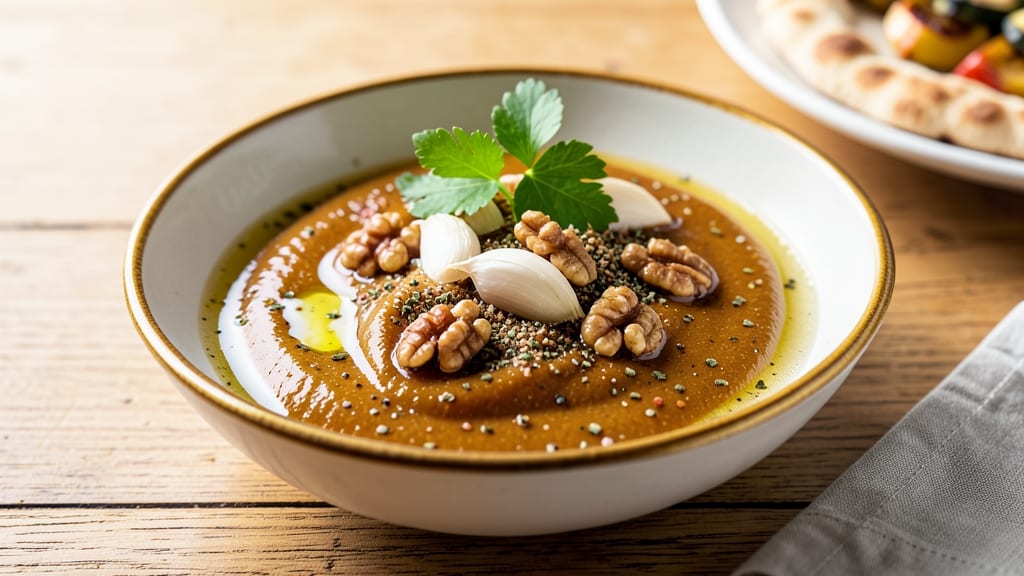
This Armenian garlic sauce recipe transforms bold garlic flavors into a velvety, oil-infused condiment that elevates everything from grilled meats to fresh bread. The secret lies in blending raw garlic with walnuts and vinegar, then resting it to develop deep, complex notes without separation—no clumps, just rich, aromatic intensity.
Traditional Armenian cuisine relies on this sauce to brighten dishes, and its versatility makes it a pantry staple worth mastering.
What sets this sauce apart is the technique: walnuts act as natural emulsifiers, binding the garlic and oil together for a smooth, spreadable texture. The vinegar balances the pungency, while spices like cumin and coriander add warmth and depth.
Unlike raw garlic pastes that separate, this version stays cohesive for weeks, making it ideal for meal prep and gifting.
The result is a sauce with layers of flavor—garlicky, nutty, and tangy—that transforms simple dishes into restaurant-quality meals. Drizzle it over grilled lamb or chicken, mix into hummus, or spread on toasted bread for a burst of Armenian-inspired flavor.
The best part? It improves with time, developing even more complexity as it rests.
Perfect for both everyday cooking and special occasions, this sauce is a game-changer for anyone who loves bold garlic flavors without the mess. Store it in the fridge for up to two weeks, or freeze for longer shelf life.
Let’s make this versatile condiment that brings Armenian tradition to your table.
Ingredients for armenian garlic sauce
Nine ingredients transform raw garlic into a velvety Armenian sauce with layers of nutty, tangy flavor.
| Ingredient | Amount | Notes |
|---|---|---|
| Fresh Garlic Cloves 🧄 | 12 whole | Peeled, roughly chopped |
| Walnuts 🥜 | 1 cup | Raw, lightly toasted |
| Extra-Virgin Olive Oil 🫒 | ¾ cup | High-quality, fruity |
| White Vinegar 🍶 | 2 tbsp | White or apple cider |
| Ground Cumin 🌿 | ½ tsp | Toasted for depth |
| Ground Coriander 🌿 | ½ tsp | Freshly ground preferred |
| Salt 🧂 | ½ tsp | Diamond Crystal kosher |
| Black Pepper 🌶️ | ¼ tsp | Freshly cracked |
| Red Pepper Flakes 🌶️ | ¼ tsp | Optional for heat |
The walnuts are non-negotiable—they emulsify the garlic and oil, preventing separation. Trader Joe's or Costco sell walnuts in bulk, which saves money. Toast them lightly in a dry pan for 3-4 minutes until fragrant—this deepens their flavor. For garlic, fresh cloves are essential; jarred minced garlic lacks the aromatic punch. The olive oil should be extra-virgin (look for Italian or Spanish brands) to ensure rich, fruity notes that complement the garlic. Vinegar choice matters too: white vinegar is classic, but apple cider adds subtle sweetness.
No walnuts? Pistachios or almonds work in a pinch, though texture differs slightly. Short on fresh garlic? Garlic powder at half the amount mimics some of the flavor, but you'll lose that signature Armenian intensity. The spices are flexible—smoked paprika can replace half the cumin for a different depth. For a milder sauce, skip the red pepper flakes entirely. Storage tip: if you're making this ahead, wait 24 hours before using it—the flavors meld beautifully during that time.
This sauce keeps for up to 2 weeks in the fridge, with flavors deepening over time. For longer storage, freeze in ice cube trays—perfect for portion control. The walnuts will separate slightly when frozen, but re-emulsify when thawed. To use, simply stir vigorously. Garnish with extra olive oil and cracked black pepper before serving. The sauce pairs exceptionally well with grilled meats, roasted vegetables, or even as a marinade—its versatility makes it a pantry workhorse.
Why You'll Love This Recipe
- No-Fuss Blender Magic: I swear by this recipe because it’s three ingredients, five minutes—just toss the garlic, walnuts, and olive oil in a blender, hit pulse, and you’re done. Honestly, I make it while waiting for pasta to boil or eggs to fry. That walnut crunch? It’s the secret weapon.
- Umami Bomb: Between us, this sauce is ridiculously good—bright from the vinegar, deep from the toasted walnuts, and that raw garlic? It’s the kind of punch that makes you want to eat it straight off the spoon. The cumin ties it all together like a warm hug.
- Dip Everything: I keep a jar of this in my fridge for everything—grilled chicken, roasted veggies, even as a sandwich spread. It’s my go-to for game day, lazy Sundays, or when I’m too tired to cook but still want flavor. (Yes, even on a Tuesday night.)
- Budget-Friendly Staple: A little goes a long way, and the ingredients? Cheap. A head of garlic, a bag of walnuts, olive oil—stuff I already have. I make a big batch, store it for weeks, and still have leftovers. My wallet (and my taste buds) thank me.
Step-by-step instructions for Armenian garlic sauce
This method ensures a silky, oil-infused sauce where garlic shines without clumping or overpowering.
Toast the Walnuts for Nutty Depth
Heat a dry skillet over medium heat and add the 1 cup walnuts. Toast them for 5-7 minutes, stirring constantly, until they release their aroma and turn a light golden color. You'll see them puff slightly and smell their nutty fragrance—this indicates they're ready. Remove immediately to prevent burning, then transfer to a cutting board and roughly chop them into small pieces. The toasted walnuts will add texture and richness to the sauce.
Don't rush this step. Properly toasted walnuts develop a complex, toasty flavor that balances the garlic's intensity. If you smell smoke, you've gone too far—start over with fresh walnuts. Once chopped, set them aside for the next step.
Infuse the Olive Oil with Garlic and Spices
In a heavy-bottomed saucepan, combine the 0.75 cup extra-virgin olive oil, 12 whole peeled garlic cloves, 0.5 tsp ground cumin, 0.5 tsp ground coriander, 0.5 tsp salt, and 0.25 tsp black pepper. Place the saucepan over low heat and let it warm gently for 5-7 minutes, stirring occasionally. You want the oil to shimmer but not bubble—this ensures the garlic infuses without burning.
Watch closely as the garlic begins to soften and release its aroma. The oil should take on a pale golden hue and smell intensely garlicky. If it starts to bubble vigorously, reduce the heat immediately to prevent burning. This gentle infusion creates the sauce's aromatic foundation without creating bitter compounds.
Add Vinegar and Toasted Walnuts
Remove the saucepan from heat and stir in the 2 tbsp white vinegar and the chopped toasted walnuts. The vinegar will brighten the flavors and help emulsify the sauce. Return the pan to low heat and let the mixture simmer gently for 3-5 minutes, stirring constantly. You're looking for the walnuts to soften slightly and the flavors to meld together—this creates a cohesive texture without breaking the walnuts down completely.
Here's where attention matters: The sauce should thicken slightly but remain silky. If it looks too thick, add 1-2 tablespoons of water to loosen it. The final texture should coat the back of a spoon smoothly. If you see any garlic pieces that have darkened, strain them out now to maintain the sauce's clean, vibrant appearance.
Finish with Heat and Rest
Remove the sauce from heat and stir in the 0.25 tsp red pepper flakes (if using). Let the sauce sit at room temperature for 10-15 minutes—this resting period allows all the flavors to fully integrate. The walnuts will continue to soften slightly, and the garlic's flavor will mellow into the oil. Taste and adjust seasoning if needed, adding a pinch more salt or pepper as necessary.
This sauce is best served at room temperature, where its flavors develop fully. The walnuts provide a pleasant contrast to the smooth garlic oil, while the vinegar adds brightness. Store any leftovers in an airtight container in the refrigerator for up to 1 week, though it's best enjoyed fresh. The sauce thickens when chilled—simply reheat gently and stir in 1 tablespoon of water to restore its original consistency.
Pro Tips For Making Armenian Garlic Sauce
- Toast the walnuts hard: The sauce’s texture and flavor depend on this—don’t skimp. Spread walnut halves on a dry skillet over medium-high heat and stir constantly until they’re deep golden, almost brown, and smell nutty (about 5-7 minutes). Over-toasting turns them bitter, but under-toasting means your sauce will taste raw and flat.
- Peel garlic cloves fresh: I used to peel them ahead of time, and the sauce always lacked brightness. Instead, peel the cloves right before crushing—it keeps their sharp, fresh edge. If you’re using a garlic press, smash the cloves first to break down the fibers, then press them into a paste. This makes the sauce smoother without losing that raw garlic punch.
- Balance the vinegar slowly: Start with half the vinegar called for, taste, then add the rest. Armenian garlic sauce can turn sour fast, and you can’t fix it later. If it’s too sharp, a pinch of sugar or a splash of water thins it out, but you’ll never get that tang back if you overdo it upfront.
- Use a mortar and pestle: Yes, a food processor works, but it dulls the garlic’s edges and makes the sauce taste dull. Crush the toasted walnuts and garlic together in a mortar with a pinch of salt—it releases their oils and creates a rougher, more complex texture. If you’re in a hurry, pulse the food processor twice, but don’t overdo it. The sauce should look like a thick, chunky paste, not butter.
Troubleshooting this dish
Garlic Separation Fix
If your sauce separates with a layer of oil on top, it’s not ruined—just needs a quick fix. Stir in 1 tsp of the vinegar and pulse the mixture in a blender for 10-15 seconds to re-emulsify.
For a smoother texture, add 1 tbsp of water and blend again. This works because the walnuts act as natural emulsifiers, but sometimes they need a little help. 💫
Walnut Over-Toasting
Burnt walnuts turn bitter and ruin the sauce’s delicate balance. If you smell smoke or see dark spots, remove them immediately and start over with fresh walnuts.
Toast walnuts over medium heat for 5-7 minutes max—they should be golden, not brown. For extra insurance, use a timer to avoid overcooking.
Garlic Burnt Flavor
If your garlic tastes bitter or burnt, it was cooked too long. Keep the heat low and steady—the oil should shimmer but not bubble. If you notice darkening, strain out the garlic immediately and replace it with fresh cloves.
For a smoother sauce, use 11 cloves instead of 12 to reduce risk.
Thin Sauce Issue
A runny sauce usually means too much liquid. Simmer the mixture uncovered for 2-3 extra minutes to evaporate excess moisture. If it’s still too thin, remove from heat and let it sit for 10 minutes—it’ll thicken as it cools.
For a quick fix, stir in 1 tsp of cornstarch mixed with 1 tbsp water and heat gently until thickened.
Spice Imbalance
If the cumin or coriander flavors overpower the garlic, reduce them by ¼ tsp each next time. For a milder taste, use ½ tsp total spices combined.
If the vinegar tastes too sharp, swap white vinegar for apple cider vinegar, which has a sweeter, fruitier profile. Adjust to taste after resting.
Storage Texture Changes
Sauce may thicken or separate slightly when refrigerated. To restore it, stir in 1 tbsp of warm water and pulse briefly in a blender. If walnuts separate, simply stir vigorously—they’ll re-emulsify.
For long-term storage, freeze in ice cube trays for easy portion control. Thaw overnight in the fridge for best results. 🔥
Nutrition facts
Frequently asked questions
Can I substitute walnuts in this sauce?
Yes, but texture may change slightly. Use 1 cup pistachios or almonds instead, lightly toasted and finely chopped. Pistachios add a sweeter note, while almonds create a smoother blend. For a nut-free version, try ½ cup tahini (sesame paste) mixed with 1 tbsp lemon juice to help emulsify the garlic oil.
How long should I let the sauce rest before using?
Let it rest for at least 1 hour (overnight is ideal) to develop maximum flavor depth. The walnuts soften further, and the garlic's pungency mellows into the oil. This resting time also helps the sauce emulsify better, preventing separation. If you're short on time, blend it briefly after 30 minutes for quicker results.
What are the best ways to use Armenian garlic sauce?
This versatile sauce elevates everything! Drizzle over grilled meats (especially lamb or chicken), mix into hummus or yogurt dips, or spread on toasted lavash bread. It also works as a marinade (thin with extra olive oil) or finishing sauce for roasted vegetables. The nutty, garlicky flavor pairs perfectly with Armenian dishes like dolma or kebabs.
Why does my sauce sometimes separate?
Separation happens when oil and liquid phases don't fully blend. The walnuts act as emulsifiers, but sometimes need help. Stir in 1 tsp vinegar and pulse briefly in a blender to re-emulsify. For prevention, ensure all ingredients are at room temperature before blending, and don't overcook the walnuts—they should be soft but not mushy.
Can I make this sauce without vinegar?
Technically yes, but the sauce will lack brightness and may separate more easily. Vinegar balances the richness and helps stabilize the emulsion. As a substitute, use 1 tbsp lemon juice or ½ tsp mustard powder (for a tangy alternative). If omitting entirely, reduce the olive oil by 2 tbsp to compensate for lost moisture.