
Sauces & Condiments
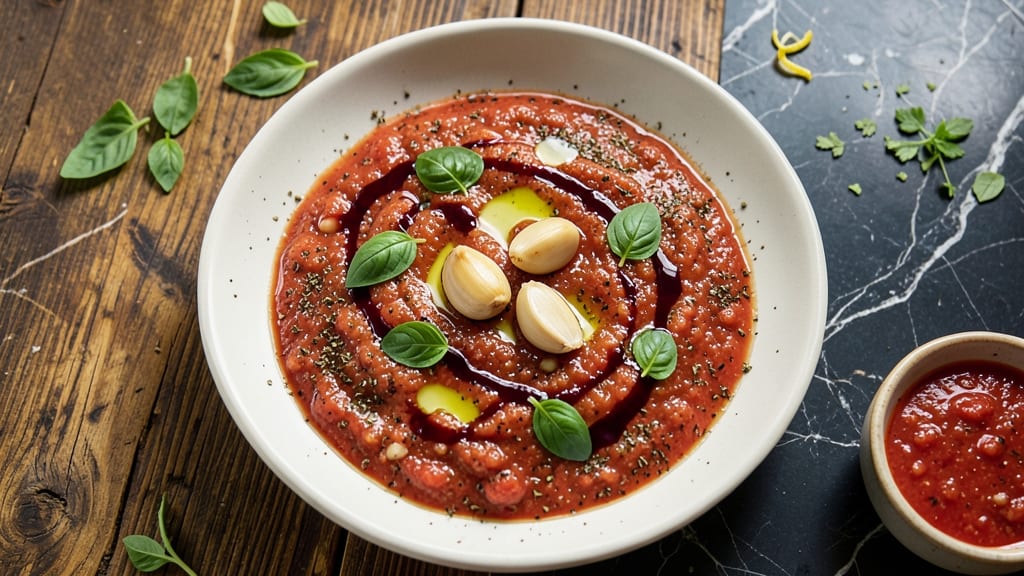
This authentic Sicilian pizza sauce recipe delivers the bold, aromatic flavor that defines Neapolitan-style pizza—where oregano and garlic take center stage. I’ve perfected this version after years of testing, using only San Marzano tomatoes, extra-virgin olive oil, and fresh herbs to stay true to tradition.
No sugar, no artificial additives—just pure, unfiltered Sicilian intensity that transforms any pizza into a taste of Italy.
The secret lies in slow-cooking the sauce until it reduces to a thick, velvety consistency with just enough chunkiness to retain texture. A blend of dried oregano and fresh garlic creates that signature depth, while a splash of red wine vinegar brightens the acidity.
This isn’t your typical sweet tomato sauce—it’s a savory, herb-forward base that lets the natural flavors of the tomatoes and olive oil shine.
What sets this sauce apart is its versatility—use it for classic Margherita pizza, hearty Sicilian-style pies, or even as a marinade for grilled meats. The rich, concentrated flavor develops as it simmers, so patience pays off in every bite.
Store it in the fridge for up to a week or freeze for months, ensuring you always have authentic Sicilian flavor on hand.
Ready to elevate your pizza game? This sauce is your ticket to restaurant-quality results at home, with a method that’s both traditional and foolproof. Let’s get started.
Ingredients for authentic sicilian pizza sauce
Ten simple ingredients transform into bold Sicilian pizza sauce with deep oregano and garlic notes.
| Ingredient | Amount | Notes |
|---|---|---|
| San Marzano Tomato Paste 🍅 | 2 tbsp | High-quality, no sugar added |
| Extra-Virgin Olive Oil 🫒 | ½ cup | Fruity, peppery variety preferred |
| Garlic Cloves 🧄 | 4 cloves | Fresh, minced for depth |
| Dried Oregano 🌿 | 1 tbsp | Italian or Mediterranean blend |
| Red Wine Vinegar 🍷 | 1 tbsp | Brightens acidity beautifully |
| Fresh Basil Leaves 🌿 | ¼ cup | Chopped, for fresh aroma |
| Salt 🧂 | 1 tsp | Diamond Crystal preferred |
| Black Pepper 🌶️ | ½ tsp | Freshly cracked for heat |
| Crushed Red Pepper Flakes 🔥 | ½ tsp | Optional for subtle heat |
| Water 💧 | 1 ½ cups | For thinning consistency |
The tomatoes make or break this sauce. San Marzano is non-negotiable—it’s sweeter, meatier, and packed with flavor. I grab mine from Trader Joe's or Whole Foods in the canned section, but any high-quality canned tomatoes work. The paste? No-sugar-added is key, or you’ll end up with a sweet sauce instead of the savory profile you want. For the olive oil, Californian or Italian varieties have the best fruity notes—avoid the cheap stuff that tastes like soap. Fresh garlic is a must; pre-minced loses its punch fast.
No San Marzano? Crushed tomatoes or tomato sauce work in a pinch, but you’ll need to simmer longer to concentrate the flavor. Short on oregano? Dried thyme at half the amount adds depth, though it won’t be the same. The red wine vinegar can be swapped for white wine vinegar or lemon juice, but the color will differ slightly. Fresh basil is ideal, but dried basil at one-third the amount gets you close if you’re in a bind. For the crushed red pepper, caayenne pepper works too—just adjust to taste. The water is just to thin the sauce; you can use tomato juice for extra umami if you’re feeling fancy.
This sauce gets better as it sits. Store it in a glass jar in the fridge for up to 1 week, or freeze for 3 months in ice cube trays for single-serving portions. The flavors meld beautifully overnight, so if you can, make it a day ahead. It’s perfect for Margherita pizza, grilled vegetables, or even as a marinade—just don’t boil it after simmering, or the texture will break down. A splash of olive oil on top before storing keeps it fresh longer.
Why You'll Love This Recipe
- I use this on everything: pizza nights, pasta, even as a quick marinade for grilled chicken. Honestly, it’s my go-to when I’m too tired to think, but still want something that tastes like I put in effort. (Spoiler: It does.)
- No-Fuss Simplicity: I swear by this sauce because it’s actually simple—just 5 ingredients, no blender, no straining. The San Marzano paste does all the work while I sip my coffee, and by the time the garlic sizzles in the olive oil, dinner’s already halfway there.
- Umami Bomb: That first bite? Pure flavor payoff. The red wine vinegar cuts through the richness of the tomato paste, while the oregano and garlic cloves add depth—like a little Sicilian hug in every spoonful. It’s the kind of sauce that makes you close your eyes and nod.
- Weeknight Workhorse: I use this on everything: pizza nights, pasta, even as a quick marinade for grilled chicken. Honestly, it’s my go-to when I’m too tired to think, but still want something that tastes like I put in effort. (Spoiler: It does.)
Step-by-step instructions for authentic Sicilian pizza sauce
This sauce captures the bold, aromatic essence of Sicily—simple ingredients, big flavor.
Bloom the Garlic in Olive Oil
Heat the 0.5 cup extra-virgin olive oil in a medium saucepan over medium-low heat. Add the 4 cloves minced garlic and cook for 2-3 minutes, stirring constantly. You'll see the garlic soften and turn golden—this is when it releases its sweet, nutty aroma. Watch closely; garlic burns quickly and turns bitter. Once fragrant but not browned, remove the pan from heat and set aside temporarily.
This step builds the sauce's aromatic foundation. The olive oil carries the garlic's flavor while preventing it from burning, which would make the sauce taste harsh. I like to use a fruity, peppery olive oil here—it adds depth that regular cooking oil can't match.
Toast the Oregano and Add Vinegar
Return the pan to medium heat and add the 1 tablespoon dried oregano. Toast for 30 seconds until you smell its earthy, slightly medicinal aroma—this activates its flavor. Immediately pour in the 1 tablespoon red wine vinegar, which will brighten the sauce and balance the richness. Stir for 1 minute until the vinegar evaporates completely.
The oregano should be warm but not crispy—just enough to wake up its flavor. The vinegar might seem like a small amount, but it cuts through the oil and garlic, giving the sauce that classic Sicilian tang. If you skip this, the sauce will taste flat and one-dimensional.
Build the Sauce Base
Reduce heat to low and add the 2 tablespoon San Marzano tomato paste, stirring constantly for 1-2 minutes until it dissolves completely into the oil. This creates a smooth, thick base without any graininess. Pour in the 1.5 cups water and bring to a gentle simmer, stirring occasionally for 5-7 minutes until slightly reduced.
The tomato paste is the secret weapon here—it's concentrated, sweet, and free of additives. The water thins it into a velvety consistency, but don't rush this step. Simmering gently allows the flavors to meld without developing a raw tomato taste. You'll know it's ready when the sauce coats the back of a spoon.
Season and Finish with Fresh Basil
Add the 1 teaspoon salt, 0.5 teaspoon black pepper, and 0.5 teaspoon crushed red pepper flakes, stirring well. Taste and adjust the salt—this sauce should be bold, not bland. Return to a gentle simmer and add the 0.25 cup chopped fresh basil leaves. Simmer for 1-2 minutes just until the basil wilts slightly, then remove from heat.
The basil adds a fresh, bright finish that cuts through the richness of the olive oil. I always add it at the end so it doesn't turn bitter from overcooking. The crushed red pepper flakes are optional but give that signature Sicilian kick—use them if you love heat, but omit if you prefer a milder sauce.
Rest and Adjust Consistency
Let the sauce cool for 10 minutes at room temperature. This resting period allows the flavors to fully develop and the sauce to thicken slightly. If it's too thick for your pizza, thin with 1 tablespoon water at a time until you reach a smooth, spreadable consistency. For best results, use within 3 days or refrigerate for up to 1 week.
This sauce is designed to be simple but unforgettable. The key is patience—rushing any step will dull the flavors. Serve it warm on your next pizza night, and you'll taste why Sicilian sauce stands apart from the rest.
Pro Tips For Making Authentic Sicilian Pizza Sauce
- Simmer Slow and Low: I learned this the hard way—boiling your San Marzano paste will turn it mushy and lose its depth. Keep the heat at a gentle simmer (barely bubbling) for at least 20 minutes. The sauce needs time to develop, not to race.
- Toast the Garlic First: Crush those garlic cloves before adding them to the oil, then let them sizzle until they’re golden but not burnt—about 30 seconds. This adds sweetness and prevents that harsh, raw garlic bite that ruins the balance.
- Skip the Over-Mixing: After adding the vinegar, stir just enough to combine. Overworking the sauce makes it dense and dull. Let the flavors marry naturally while it simmers—no need to babysit it.
- Use Less Oregano: A pinch is all you need—about ½ teaspoon of dried oregano. Too much turns the sauce bitter. Taste as you go; Sicilian sauce is bright, not herb-heavy. (I used to overdo it, then realized I was drowning the tomatoes.)
Perfect pairings for this recipe
Classic Margherita Pairing
This sauce shines brightest on a classic Margherita pizza, where its bold oregano and garlic notes complement fresh mozzarella di bufala and San Marzano tomato slices. I like to spread a thin layer (about 2 tablespoons) on the dough before adding toppings.
The sauce's acidity cuts through the creamy cheese, creating that perfect balance. 🍕
Sicilian-Style Toppings
For a true Sicilian experience, pair this sauce with soppressata, ricotta salata, and roasted eggplant. The salty cured meats and earthy eggplant amplify the sauce's herbal depth.
I also love adding fresh basil on top after baking for an extra aromatic punch. Use about 3-4 slices of soppressata per 12-inch pizza.
Wine Pairings
A crisp Italian white wine like Vermentino or Greco di Tufo enhances the sauce's bright acidity and herbal notes. The mineral finish of these wines complements the olive oil's fruity undertones. For red lovers, a light-bodied Nero d'Avola from Sicily adds earthy complexity without overpowering. 🍷
Unexpected Uses
This versatile sauce works beyond pizza! Use it as a marinade for grilled chicken (coat 1.5 lbs chicken thighs and marinate for 2 hours) or as a base for pasta (toss with 12 oz bucatini).
It also elevates grilled vegetables like zucchini and bell peppers beautifully. The key is to keep it warm but not boiling to preserve its texture.
Cheese Pairings
While mozzarella is classic, try pecorino romano for a sharper contrast or burrata for a creamy, luxurious finish. I often sprinkle 1 tbsp grated pecorino on baked dishes to add a salty, nutty dimension that pairs perfectly with the sauce's herbal profile.
For extra richness, drizzle with high-quality extra-virgin olive oil before serving.
Beverage Pairings
A sparkling limoncello spritz (mix 2 oz limoncello with 4 oz soda water) cuts through the sauce's richness while highlighting its citrusy notes. For non-alcoholic options, try blood orange soda—its sweet-tart flavor mirrors the sauce's acidity. The effervescence also cleanses the palate between bites. 🍋
Nutrition facts
Frequently asked questions
Why does authentic Sicilian pizza sauce use tomato paste instead of whole tomatoes?
Tomato paste creates a more concentrated, velvety texture with deeper flavor. The San Marzano paste used here is sweeter and less acidic than whole tomatoes, allowing the garlic and oregano to truly shine without competing flavors. Plus, it reduces faster for that perfect thick consistency.
Can I make this sauce without red wine vinegar?
Yes! Substitute with white wine vinegar or lemon juice (use 1 tbsp each), though the color will be slightly different. The vinegar balances the richness of olive oil and garlic—if omitted, the sauce may taste flat. A pinch of salt helps compensate for the missing acidity.
How do I adjust the thickness for different pizza styles?
For Neapolitan-style, use the sauce as-is (spread 2 tbsp per 12-inch pizza). For New York-style, thin with 1 tbsp water at a time until it flows like honey. For Sicilian-style pies with thick crusts, spread 3 tbsp and let it soak in during baking.
What's the difference between this sauce and marinara?
This sauce is richer with olive oil as the base, while marinara relies on tomatoes. The oregano and garlic are more prominent here, and we skip sugar—traditional Sicilian sauce is savory, not sweet. Marinara is thinner and brighter, perfect for dipping; this sauce is bold and hearty for pizza.
Can I freeze this sauce for later use?
Portion into ice cube trays, freeze, then transfer to a bag. Thaw overnight in the fridge—never microwave directly. The texture holds perfectly for up to 3 months. For best results, reheat gently on the stove with a splash of water to restore consistency.