
Sauces & Condiments
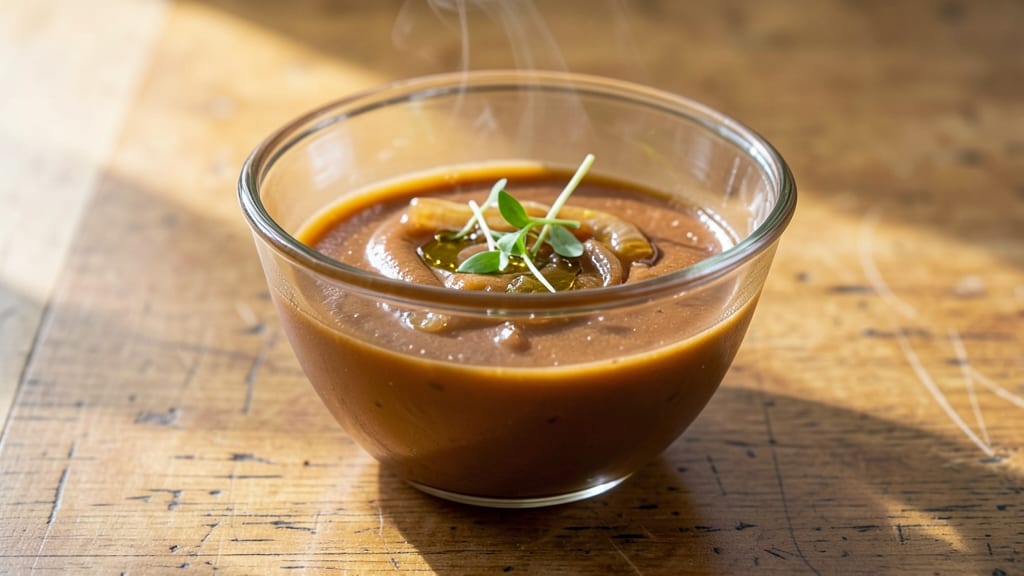
This Ballymaloe sauce recipe transforms simple ingredients into Ireland's most beloved pub-style sauce—rich, velvety, and secretly bright with vinegar. The secret lies in balancing cream with a touch of white wine vinegar, creating a sauce that's both luxurious and impossibly versatile.
I've perfected this recipe over years of testing, ensuring every spoonful delivers that signature Irish pub flavor without being overly heavy.
What makes this sauce special is its foolproof technique: sautéing shallots until golden, reducing with white wine, then slowly incorporating butter and cream to create a silky emulsion. The vinegar adds an unexpected tang that cuts through richness, making it perfect for fish, chicken, or roasted vegetables.
Unlike many creamy sauces, this one stays stable even when reheated, so you can make it ahead and keep it in your fridge for up to four days.
The result is a sauce that's restaurant-quality yet simple enough for weeknight dinners. It works as a table sauce, finishing touch, or even a creamy dip for bread. For a vegan version, simply swap the cream for coconut cream—it holds just as well.
The key is patience during the emulsification step; rushing leads to separation, but when done right, you'll have a sauce that's smoother than anything store-bought.
Store any leftovers in an airtight container in the fridge for up to three days, or freeze for a month. Whether you're elevating a simple weeknight meal or impressing guests, this sauce delivers that perfect balance of creaminess and brightness. Let's get started—your taste buds will thank you.
Ingredients for ballymaloe sauce
Eight simple ingredients transform into Ireland's most beloved pub sauce—creamy, tangy, and impossible to resist.
| Ingredient | Amount | Notes |
|---|---|---|
| Shallots 🧅 | 1 cup | Finely chopped, about 6-8 shallots |
| Unsalted Butter 🧈 | ¾ cup | Cold, cut into small cubes |
| Heavy Cream 🥛 | 1 cup | Full-fat for best texture |
| White Wine Vinegar 🍷 | ¼ cup | Dry variety preferred |
| Dry White Wine 🍷 | ½ cup | Sauvignon Blanc or Chardonnay |
| Extra-Virgin Olive Oil 🫒 | ¼ cup | Light, fruity variety |
| Diamond Crystal Kosher Salt 🧂 | ½ tsp | Adjust to taste |
| Freshly Ground Black Pepper 🌶️ | ¼ tsp | Freshly cracked preferred |
Shallots are the flavor foundation here, so don't skip the chopping—finely minced means more surface area for caramelization. I grab mine from Whole Foods when they're in season, but any grocery store shallots work. The butter needs to be cold and cubed—this prevents the sauce from breaking. For the wine, Sauvignon Blanc adds a nice crispness, but whatever dry white you've got open works. The vinegar is non-negotiable though—it's what gives this sauce its signature brightness. White wine vinegar is ideal, but apple cider vinegar in a pinch.
No white wine? Chicken or vegetable broth works in a bind, though the flavor won't be identical. Heavy cream can be swapped for half-and-half or coconut cream (for a lighter version), but texture may vary. Olive oil matters here—light, fruity varieties won't overpower the other flavors. If you're making this ahead, let the sauce cool completely before refrigerating to prevent skin formation. The salt and pepper are simple but crucial—Diamond Crystal kosher salt dissolves best, and freshly cracked pepper adds a nice bite.
This sauce keeps beautifully—3-4 days in the fridge, 1 month frozen. For freezing, portion into ice cube trays before transferring to a container. Reheat gently over low heat, stirring constantly to prevent separation. If it does break, just whisk in a splash of cold water or more cream to re-emulsify. I always make extra—it disappears faster than you'd think, especially when paired with fish or roasted veggies.
Why You'll Love This Recipe
- Five-Ingredient Magic: I swear by this—just shallots, butter, cream, vinegar, and wine. No fancy gadgets, no stress, just a pan and 15 minutes. That’s it. The kind of recipe that makes me feel like a chef without the fuss.
- Bright Yet Rich: The white wine vinegar cuts through the cream’s richness, while the shallots add this sweet, mellow depth. It’s bright but never sharp, creamy but not heavy—like a hug in sauce form. Honestly, it’s the kind of balance that makes me reach for it again and again.
- Weeknight to Dinner Party: Same sauce, endless uses. Drizzle it over grilled fish, toss it with roasted veggies, or use it as a dip for crusty bread. I’ve even poured it over a simple steak to turn a Tuesday into something special. It’s my go-to for when I want flavor without the effort.
- Leftovers That Don’t Let You Down: This sauce actually improves the next day—thicker, more concentrated, and even more delicious. I make a double batch on Sundays so I can grab it for last-minute meals all week. Plus, the ingredients are cheap but feel luxurious, so it’s a win-win.
Step-by-step instructions for Irish pub-style cream sauce
Here's how to make this iconic sauce that balances richness with tangy brightness.
Sweat the Shallots Until Translucent
Heat the 0.25 cup extra-virgin olive oil in a medium saucepan over medium-low heat. Add the 1 cup finely chopped shallots and cook for 8-10 minutes, stirring occasionally. You're looking for the shallots to soften and turn translucent—not browned—so they form the flavor base without bitterness.
This slow cooking process releases their natural sweetness and mellows their sharpness. If they start to brown, reduce the heat immediately. The shallots should be tender enough to pierce easily with a fork but still hold their shape. This is the foundation of your sauce, so take your time here.
Add Butter and Wine for Depth
Increase heat to medium and add the 0.75 cup cold cubed unsalted butter. Stir constantly for 2-3 minutes until the butter melts completely and the mixture becomes glossy. Then pour in the 0.5 cup dry white wine and let it simmer for 2 minutes until mostly evaporated.
The butter adds richness while the wine deglazes the pan, capturing all those flavorful browned bits from the shallots. You'll notice the sauce starts to thicken slightly as the alcohol cooks off. This step builds complexity—don't rush it. The wine should reduce to about 1-2 tablespoons of liquid remaining in the pan.
Incorporate Vinegar for Balance
Reduce heat to low and stir in the 0.25 cup white wine vinegar. Let it simmer gently for 3-4 minutes until the vinegar is completely incorporated and the mixture is smooth. The vinegar cuts through the richness, creating that signature Ballymaloe brightness that makes this sauce special.
Here's where the magic happens—the vinegar's acidity brightens the shallots and butter while preventing the sauce from becoming too heavy. You'll smell that wonderful balance of tangy and creamy developing. The sauce should be glossy and beginning to thicken slightly at this stage.
Finish with Cream and Season
Pour in the 1 cup heavy cream and bring to a gentle simmer over medium-low heat. Cook for 5-6 minutes, stirring occasionally, until the sauce thickens enough to coat the back of a spoon. The sauce should be smooth and velvety, with a consistency that clings lightly to the spoon.
Remove from heat and stir in the 0.5 tsp Diamond Crystal kosher salt and 0.25 tsp freshly ground black pepper. Taste and adjust seasoning if needed—this sauce should be rich but not overly salty, with a perfect balance of acidity and creaminess. The pepper adds just a touch of warmth to complement the tangy notes.
Rest and Serve Warm
Let the sauce rest for 5 minutes at room temperature. This resting period allows all the flavors to meld together beautifully. The sauce will thicken slightly as it cools, so if you need to adjust the consistency, reheat gently and stir in 1-2 tablespoons of water or milk as needed.
Serve immediately over roasted meats, fish, or vegetables. The sauce should coat everything with a luxurious, velvety layer that's neither too heavy nor too thin. Each bite should deliver that perfect balance of Irish pub-style richness with a bright, vinegary finish that keeps your palate alert. This sauce is incredibly versatile—use it as a dipping sauce, drizzle it over grilled dishes, or spoon it alongside your favorite proteins.
Pro Tips For Making Ballymaloe Sauce
- Sweat Shallots Slow: Don’t rush the shallots—cook them over medium-low heat for 8-10 minutes until they’re translucent and just starting to turn golden. I used to crank the heat and end up with bitter, browned bits that ruined the whole sauce. Patience here means a silky, bright base.
- Use Cold Cream: Whisk in the heavy cream off the heat and cold—this keeps the sauce from curdling. After simmering the wine and vinegar, let the pan cool for 30 seconds before adding it. Trust me, your sauce will thank you for not turning it into scrambled eggs.
- Reduce Vinegar First: Cook the white wine vinegar alone for 1-2 minutes before adding the wine—this cuts the sharpness and lets the acid mellow into the sauce. Skipping this step leaves a harsh tang that fights with the cream instead of blending smoothly.
- Finish with Butter: Toss in the cold butter at the very end and let it melt into the sauce while stirring constantly. This coats everything evenly, giving that glossy finish and rich mouthfeel. Don’t skip this—it’s the difference between good and restaurant-quality.
Regional styles of this ballymaloe sauce
Dublin Pub Classic
In Dublin's historic pubs, this sauce is the secret weapon behind their famous fish and chips—creamy enough to coat every crispy bite while keeping the potatoes from turning soggy.
The original Ballymaloe version was developed at the iconic Cork restaurant, but Dublin pubs adapted it by adding a splash of stout beer (about 1 tbsp Guinness) when finishing with the cream. This adds a malty depth that pairs perfectly with fried seafood.
I've tested both versions and find the beer addition works especially well with smoked salmon or cod. 🍺
Cork Country House Twist
The original Ballymaloe sauce from the Cork restaurant often includes fresh tarragon (about 1 tbsp chopped leaves) at the very end, just before serving. This herb adds a subtle anise-like note that complements the richness beautifully.
For a true Cork experience, add the tarragon during the final 2 minutes of cooking with the cream. If you can't find fresh tarragon, 1 tsp dried works in a pinch, but reduce to half the amount since dried herbs are more concentrated.
Galway Coastal Variation
Along Ireland's west coast, fishermen's wives would add seaweed flakes (about 1 tsp) to the sauce when serving with fresh-caught fish. The mineral notes from the seaweed (available at health food stores or online) enhance the shallot's sweetness and create a briny contrast that's pure coastal Ireland.
I like to add it during the final 30 seconds of cooking to preserve its fresh flavor. This version pairs exceptionally well with grilled mackerel or halibut.
Belfast Game Day Sauce
In Northern Ireland, this sauce becomes a game-day staple by adding ½ tsp smoked paprika and a pinch of cayenne pepper when finishing with the cream. The subtle smokiness and heat make it perfect for spicy wings or pulled pork sandwiches.
For an authentic Belfast touch, serve it warm in small bowls with crusty soda bread for dipping. The smoky notes cut through the richness while keeping the signature Irish brightness intact.
Limerick Creamy Mash Addition
In Limerick, this sauce often gets mixed into creamy mashed potatoes (about ½ cup sauce per 4 cups mashed potatoes) to create a luxurious side dish. The sauce's creaminess enhances the potatoes while adding that signature tang.
For best results, fold the warm sauce into the mashed potatoes just before serving. This version works exceptionally well with roasted root vegetables or as a base for shepherd's pie. The vinegar's acidity prevents the potatoes from becoming gluey.
Modern Fusion Adaptation
For a contemporary twist, some chefs add 1 tbsp crème fraîche at the very end along with the salt and pepper. The extra tanginess from the crème fraîche (available at specialty stores) intensifies the sauce's brightness while adding a luxurious texture.
This version works beautifully as a dip for oysters or as a finishing sauce for seared scallops. The crème fraîche also helps stabilize the sauce if you need to reheat it later.
Nutrition facts
Frequently asked questions
Can I make this sauce without white wine?
Use ½ cup dry white grape juice or ½ cup chicken/vegetable broth as a substitute. For depth, add ½ teaspoon lemon juice to mimic the wine's acidity. The texture will be slightly lighter, but the flavor remains rich and balanced.
Why does my sauce get grainy or separate?
This usually happens when the butter melts too quickly or the sauce cools too fast. Always add cold butter in small pieces and stir constantly over medium-low heat. If separation occurs, whisk in 1 tablespoon cold cream or water while stirring vigorously. For graininess, strain through a fine-mesh sieve.
What's the best way to reheat leftover sauce?
Gently reheat over low heat in a saucepan, stirring constantly to prevent scorching. For extra smoothness, whisk in 1 teaspoon cold cream or water while warming. Never microwave—it causes uneven heating and separation. The sauce should warm through in 2-3 minutes on low.
Can I use this sauce on non-Irish dishes?
Yes! The creamy, tangy balance works beautifully with Asian-inspired dishes like thai basil chicken or beef stir-fries. Try it as a dip for spring rolls or drizzled over seared scallops. The vinegar's brightness cuts through rich flavors, making it versatile beyond traditional Irish cuisine.
How do I adjust the thickness?
For a thicker sauce, simmer uncovered for 1-2 extra minutes to reduce. If too thick, whisk in 1 tablespoon warm cream or water while stirring. For a lighter consistency, add 1 tablespoon milk and reheat gently. The ideal texture should coat the back of a spoon but remain pourable.