
Sauces & Condiments
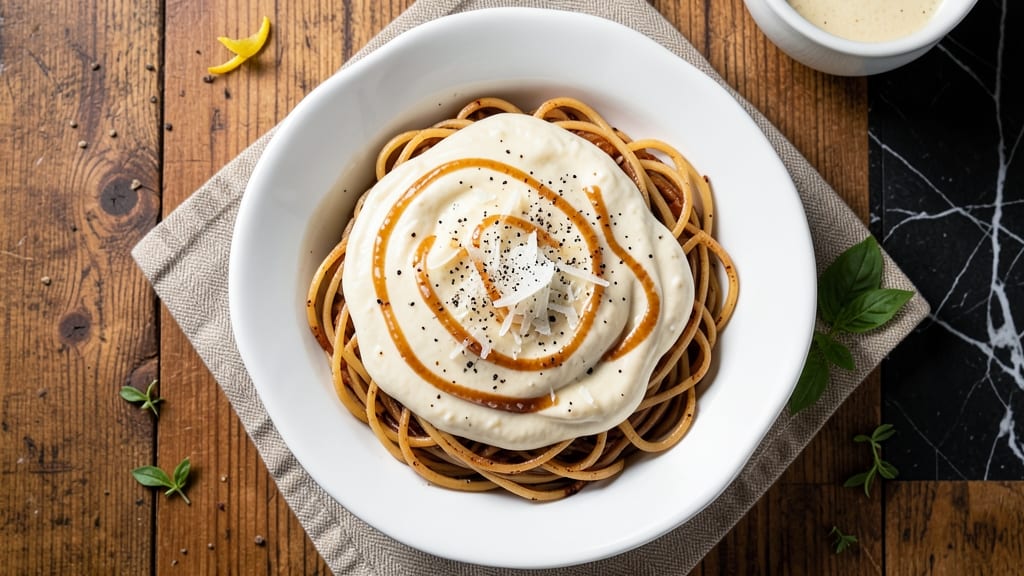
This Alfredo carbonara sauce recipe delivers the creamy, egg-infused richness you crave without the dreaded lumps or greasy texture. The secret lies in a precise technique—tempering eggs with hot pasta water to create a silky emulsion that coats every strand perfectly.
I've perfected this method over years of testing, ensuring a sauce that's velvety yet light, with just the right balance of cheesy depth and savory umami.
The foundation of great carbonara sauce starts with room-temperature eggs and parmesan, gently warmed before combining with the pasta water. This foolproof method prevents curdling while amplifying the natural flavors of the cheese.
Unlike store-bought versions, this sauce develops a subtle richness from the eggs, not heavy cream—making it lighter yet equally indulgent. The result? A sauce that clings beautifully to pasta, chicken, or even roasted vegetables without weighing them down.
What sets this recipe apart is its versatility—use it immediately over hot pasta for the classic experience, or store it for up to 3 days in the fridge for quick meals later. The sauce thickens slightly when reheated, so a splash of warm water restores its silky texture.
For extra depth, finish with crispy pancetta or black pepper, but the base recipe stands strong on its own.
Pair this sauce with spaghetti for a traditional carbonara, drizzle over grilled chicken for a restaurant-worthy main, or use it as a creamy dip for crusty bread.
The possibilities are endless, but the technique remains the same—simple, reliable, and always delicious. Let's make this sauce that'll have everyone asking for seconds.
Ingredients for alfredo carbonara sauce
Nine ingredients transform into velvety carbonara sauce—no lumps, no grease, just pure creaminess.
| Ingredient | Amount | Notes |
|---|---|---|
| Large Egg Yolks 🥚 | 4 whole | Room temperature preferred |
| Parmesan Cheese 🧀 | 1 cup | Freshly grated, high-quality |
| Unsalted Butter 🧈 | ½ cup | Cold, cubed for even melting |
| Heavy Cream 🥛 | ¼ cup | Full-fat for richness |
| Reserved Pasta Water 💧 | 1 ½ cups | From freshly cooked pasta |
| Garlic Cloves 🧄 | 2 cloves | Minced, for aromatic base |
| Black Pepper 🌶️ | ½ tsp | Freshly cracked, coarse |
| Salt 🧂 | ¼ tsp | Kosher or sea salt |
| Pancetta 🥓 | ½ cup | Crispy, chopped (optional) |
The eggs and Parmesan are the stars here. Grab a wedge of Parmigiano-Reggiano from the deli counter—pre-grated loses its flavor. For the eggs, separate yolks from whites (save whites for another use) and let them sit at room temperature for 10 minutes before using. The butter should be cold when you start—this prevents early melting. Kerrygold or Plugrá are my go-tos for their rich flavor, but any good-quality unsalted butter works. Pancetta adds depth, but crispy bacon or guanciale are great swaps if you've got them.
No heavy cream? Substitute with an extra 2 tablespoons of reserved pasta water—the sauce will still be silky, just slightly lighter. Fresh garlic is ideal, but garlic powder at half the amount works in a pinch. For a dairy-free version, replace the Parmesan with nutritional yeast and cashew cream. The pasta water is non-negotiable—it's what creates the emulsion. If your pasta didn't release enough water, add a splash of hot water from the kettle. And yes, you can use this sauce over cold pasta the next day—just reheat with a splash of warm water to restore its silkiness.
This sauce keeps beautifully in the fridge for 3 days, sealed in an airtight container with a thin layer of olive oil on top to prevent a skin from forming. For longer storage, freeze in 1-cup portions—thaw overnight in the fridge. When reheating, start with a splash of warm water to restore the emulsion. The sauce will thicken slightly as it cools, so adjust with more pasta water if needed. Double the recipe—it disappears faster than you think.
Why You'll Love This Recipe
- I’ll be real: this is my go-to when I’m too tired to think. Cook the pasta, make the sauce, and boom—dinner’s ready. It’s the kind of dish that works for lazy Mondays or when unexpected company shows up. Plus, it’s one of those rare recipes where leftovers actually taste better the next day—just reheat with a splash of water to loosen it up.
- Here’s what sold me: it’s cheap to make but tastes like a restaurant dish. A block of Parmesan, a stick of butter, and a carton of cream stretch far, and the yolks? You’re using what you already have. I’ve served this at potlucks, date nights, and even a last-minute office lunch—everyone thinks I slaved over it, but let’s keep that our secret.
Step-by-step instructions for Alfredo carbonara sauce
Here's how to create a velvety, clump-free sauce that captures the rich essence of traditional Roman carbonara.
Prepare the Egg-Yolk Mixture
In a medium bowl, whisk together the 4 whole Large Egg Yolks until smooth and pale yellow. Add the 1 cup Parmesan Cheese, 0.25 tsp Salt, and 0.5 tsp Black Pepper, whisking continuously until fully combined. The mixture should be thick and creamy, with no visible lumps. I like to press the grated cheese through a fine mesh strainer to eliminate any large particles that could create texture issues later.
Set this mixture aside at room temperature while you prepare the remaining ingredients. This step is crucial—cold egg yolks won't emulsify properly with the hot pasta water, leading to scrambled eggs instead of sauce. If your yolks are refrigerated, let them sit for 10-15 minutes before using to bring them to room temperature.
Cook the Pancetta and Garlic
In a large skillet over medium heat, add the 0.5 cup Pancetta and cook until it becomes golden brown and crispy, about 5-7 minutes. This should render about 2 tablespoons of fat—don't drain it, as this fat will form the base of your sauce. Remove the pancetta with a slotted spoon and set aside, leaving the rendered fat in the pan.
In the same pan, reduce heat to medium-low and add the 2 cloves Garlic Cloves. Cook for 30 seconds until fragrant but not browned—burnt garlic will make the sauce bitter. Immediately remove the pan from heat and let it cool slightly for 1 minute. This prevents the garlic from cooking the egg mixture when you combine everything.
Melt Butter and Add Cream
Return the skillet to medium heat and add the 0.5 cup Unsalted Butter, cubed. Let it melt completely, stirring occasionally, until it reaches 180°F—just before it begins to foam. This temperature ensures the butter melts smoothly without burning. Remove the pan from heat again and stir in the 0.25 cup Heavy Cream, letting it warm through without boiling.
The butter should now be fully incorporated, creating a rich, golden base. If you see any foam forming, let it settle for 30 seconds before proceeding. This step builds the sauce's luxurious texture—don't skip it, as the butter adds depth that separates this sauce from basic cream-based versions.
Combine with Pasta Water
Working quickly, add the 1.5 cups Reserved Pasta Water to the warm butter-cream mixture, whisking continuously. The sauce should immediately begin to emulsify, turning silky and pale. If you see any separation or lumps forming, whisk vigorously for 10-15 seconds—this is normal and will resolve as the mixture heats.
Now carefully pour the egg-yolk mixture into the sauce while whisking constantly. The heat from the butter mixture will gently cook the eggs, creating a velvety texture. If the sauce begins to thicken too much, add 1 tablespoon at a time of additional reserved pasta water until it reaches a smooth, pourable consistency. This step requires attention—don't walk away, as the eggs can scramble if the mixture gets too hot.
Finish and Serve
Return the skillet to low heat and stir in the crispy pancetta and garlic. Let the sauce simmer gently for 1-2 minutes, stirring constantly, until it coats the back of a spoon. The final sauce should be smooth, glossy, and thick enough to cling to pasta without being gluey. If it's too thin, add another 1 tablespoon of reserved pasta water and simmer for 30 seconds more.
Serve immediately over freshly cooked pasta, tossing gently to coat each strand. The sauce should create a creamy, golden blanket around the pasta, with visible strands of crispy pancetta scattered throughout. For best results, serve with a sprinkle of additional Parmesan Cheese and a crack of Black Pepper—this enhances the sauce's natural richness without overpowering it.
Pro Tips For Making Alfredo Carbonara Sauce
- Temper the yolks: Whisk your egg yolks with a splash of pasta water before adding them to the butter—this prevents scrambling when the hot sauce hits. I learned this the hard way after watching a batch turn into scrambled eggs instead of creamy sauce.
- Grate the Parmesan fine: Use a microplane or fine grater for the Parmesan—no big shards, no pre-shredded stuff. The texture matters more than you’d think, and pre-shredded cheese has anti-caking agents that ruin the sauce’s richness.
- Low and slow only: Keep the heat low when combining butter, cream, and cheese—medium heat turns the sauce grainy. If it starts to bubble, you’ve gone too far. Patience here makes all the difference.
- Save that pasta water: Strain your pasta water right after cooking—it’s starchy and salty, the perfect emulsifier for the sauce. Ditching it means your sauce will clump instead of coat. (Yes, even if you’re impatient like me.)
Wine and beer pairings for this dish
Italian White Wines
For this rich, egg-based sauce, Italian whites shine brightest. I reach for a crisp Vermentino from Sardinia—its bright acidity and citrus notes cut through the sauce's richness beautifully. A Pinot Grigio from Alto Adige also works wonders, with its delicate apple and pear flavors complementing the Parmesan's nuttiness.
Avoid heavy, oaked whites—they'll clash with the sauce's light, creamy texture. 🍷
Lighter Red Options
If you prefer red, opt for a light-bodied Italian like Chianti Classico or Valpolicella. Their bright acidity and subtle cherry notes pair surprisingly well with the sauce's savory depth.
Look for a Chianti with 10-12% alcohol—higher ABV wines will overpower the dish. Serve slightly chilled (55-60°F) to enhance the wine's freshness against the warm sauce.
Craft Beer Pairings
A crisp Italian lager like Peroni or Moretti cleanses the palate between bites. For craft beer lovers, try a Belgian witbier—its citrusy, spicy notes mirror the sauce's peppery finish.
Avoid heavy IPAs or stouts, which would drown out the sauce's delicate flavors. A German Helles Lager is another excellent choice, with its malty sweetness balancing the dish's saltiness.
Non-Alcoholic Options
For a refreshing non-alcoholic pairing, try a sparkling blood orange soda like San Pellegrino Aranciata Rossa. The effervescence and citrus notes create a delightful contrast with the creamy sauce. Alternatively, a cucumber-mint infused water with a squeeze of lemon provides a crisp, cooling balance.
For something more substantial, a sparkling apple cider adds a fruity brightness that complements the dish's savory elements.
Wine Storage Tips
If you're using wine as part of your meal, store it properly to preserve its quality. Red wines should be kept at 55-65°F and white wines at 45-55°F. I recommend a dual-zone wine fridge if you're serious about wine storage.
For short-term storage, a cool, dark pantry works fine for whites, while reds should go in the fridge for 1-2 days before serving. Always decant red wines 30-60 minutes before serving to let them breathe and soften their tannins.
Nutrition facts
Frequently asked questions
Why does my Alfredo carbonara sauce get lumpy?
The most common cause is eggs cooking too quickly when combined with hot pasta water. Always temper the eggs by mixing them with a small amount of warm pasta water first, then gradually adding more while whisking constantly. Keep the heat on low and never let the sauce boil—this breaks the emulsion. If lumps appear, whisk vigorously for 10-15 seconds or strain through a fine-mesh sieve for a silky finish.
Can I make this sauce ahead of time?
Yes! Store the sauce in an airtight container in the fridge for up to 3 days. To reheat, gently warm it on low heat with a splash of warm water or reserved pasta water—this restores the creamy texture. For longer storage, freeze in 1-cup portions and thaw overnight in the fridge. Never microwave directly, as this causes separation.
What's the difference between carbonara and Alfredo sauce?
Traditional carbonara uses only eggs, cheese (Pecorino Romano or Parmigiano-Reggiano), black pepper, and cured pork (guanciale or pancetta)—no cream! This recipe includes cream for extra richness, making it closer to a modern "Alfredo-style" carbonara. The key difference is the egg emulsion technique—carbonara relies on pasta water to create the sauce, while Alfredo often includes butter and cream.
Can I use this sauce for dishes other than pasta?
This versatile sauce works beautifully as a creamy dip for crusty bread, a topping for grilled chicken or salmon, or even a rich glaze for roasted vegetables. For proteins, simmer the sauce with 1 tablespoon of chicken or vegetable broth to thin it slightly. It also makes a decadent filling for stuffed shells or ravioli. The possibilities are endless!
How do I make this sauce dairy-free?
Replace the Parmesan with ½ cup nutritional yeast and ¼ cup cashew cream (soaked cashews blended with water). Use 1 tablespoon of olive oil instead of butter, and add 1 teaspoon of lemon juice to balance flavors. The texture will be slightly lighter but still creamy. For extra richness, stir in 1 tablespoon of vegan butter at the end.