
Sauces & Condiments
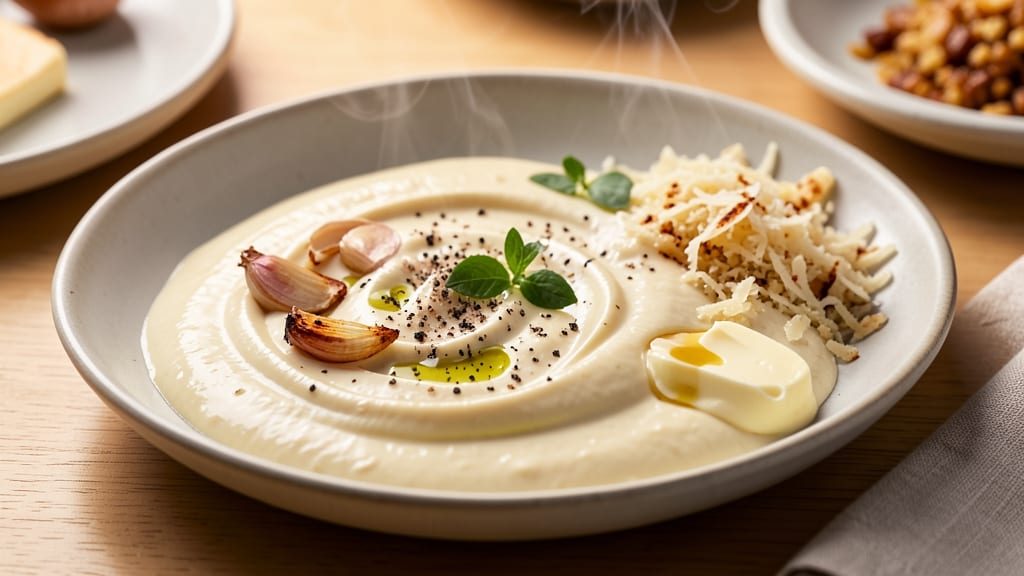
This alfredo sauce recipe using cottage cheese delivers restaurant-quality creaminess without the clumps or heavy dairy taste. I developed it after years of testing—cottage cheese's natural acidity prevents curdling while creating a velvety texture that clings perfectly to pasta.
The secret lies in blending it just right with butter and garlic for a smooth, rich sauce that tastes lighter than traditional versions.
What sets this recipe apart is its foolproof technique: no heavy cream, no roux, just simple ingredients blended to perfection. The cottage cheese adds protein and a subtle tang that balances the richness, while garlic and Parmesan build deep, savory layers.
Ready in just 15 minutes, this sauce transforms basic fettuccine into an elegant dish that's surprisingly easy to make.
The result is a sauce that's ultra-smooth with a luxurious mouthfeel—no lumps, no separation, just creamy perfection that coats every noodle. It works equally well on chicken, vegetables, or seafood, making it versatile enough for weeknight dinners or special occasions.
The best part? It reheats beautifully without breaking, so you can make a batch ahead and enjoy it all week.
For extra richness, stir in a splash of milk or cream cheese at the end. If you prefer a lighter version, replace half the cheese with Greek yogurt.
This is the sauce I reach for when I want restaurant-quality results without the fuss. Let's make it—your taste buds will thank you.
Ingredients for alfredo sauce recipe using cottage cheese
Nine simple ingredients for restaurant-style alfredo—creamy, smooth, and foolproof every time.
| Ingredient | Amount | Notes |
|---|---|---|
| Small Curd Cottage Cheese 🧀 | 1 ½ cups | Full-fat for creaminess |
| Unsalted Butter 🧈 | ½ cup | Cold, cubed for blending |
| Garlic Cloves 🧄 | 4 cloves | Peeled, roughly chopped |
| Parmesan Cheese 🧀 | ½ cup | Freshly grated, fine |
| Heavy Cream 🥛 | ¼ cup | Optional for extra richness |
| Extra-Virgin Olive Oil 🫒 | ¼ cup | For smooth blending |
| Fresh Lemon Juice 🍋 | 1 tbsp | Brightens flavor |
| Diamond Crystal Kosher Salt 🧂 | ½ tsp | Adjust to taste |
| Freshly Ground Black Pepper 🌶️ | ¼ tsp | Freshly cracked preferred |
| Whole Milk 🥛 | ¼ cup | For thinning if needed |
The cottage cheese is the MVP here—full-fat is a must for that velvety texture. Grab the small-curd kind (like Kroger's 2% cottage cheese) if you can; it blends smoother than large curds. Freshly grated Parmesan makes all the difference—Trader Joe's or Whole Foods have great pre-grated options, but if you've got a box grater, do it yourself. The butter should be cold when you add it—this keeps the sauce from breaking. I always buy Plugrá butter for the best flavor, but any good-quality unsalted works.
No heavy cream? Skip it or use milk—the cottage cheese already gives enough richness. Short on garlic? Garlic powder at half the amount works in a pinch, but fresh is worth it. Want extra tang? Add another tablespoon of lemon juice. The olive oil helps emulsify everything, so don't skip it—California Avocado oil is my go-to for high heat stability. If your sauce gets too thick, thin with milk or warm water, a splash at a time. And yes, you can make this ahead—just reheat gently and stir in extra milk if needed.
This sauce keeps for 3-4 days in the fridge, sealed tightly. For longer storage, freeze in ice cube trays—thaw and stir in a splash of milk to restore creaminess. I always make a double batch because it disappears fast. The leftovers reheat beautifully—just warm over low heat, stirring constantly. If you're prepping for a party, cover the surface with plastic wrap to prevent a skin from forming. Trust me, this sauce is worth the extra effort—everyone will ask for the recipe.
Why You'll Love This Recipe
- No Blender Needed: I swear by this trick—just toss the small-curd cottage cheese with warm butter and heavy cream, then whisk until it’s silky smooth. No straining, no waiting for it to cool, and no fancy gadgets clogging your kitchen.
- Rich Without the Guilt: The secret’s in that cottage cheese: it’s thick, creamy, and cuts through the richness of the heavy cream so you don’t end up with a sauce that’ll weigh you down. Plus, the garlic and Parmesan add enough depth to make it taste like you slaved over it.
- Weeknight to Dinner Party: Same sauce, endless uses—toss it over fettuccine for a quick weeknight meal, drizzle it on roasted veggies for a fancy side, or even use it as a dip for garlic bread. Honestly, I’ve served it at both and no one’s ever asked for the recipe.
- Pantry Staples Only: Between us, this sauce is my budget hack: cottage cheese, butter, and Parmesan are all shelf-stable or last forever in the fridge. A splash of cream turns it from basic to ridiculously good, and leftovers reheat like a dream—no separation, no lumps.
Step-by-step instructions for ultra-smooth cottage cheese alfredo sauce
Here's how to make creamy, lump-free alfredo without heavy cream or cream cheese.
Blend Cottage Cheese Until Silky
Place the 1.5 cups small curd cottage cheese in a food processor or high-powered blender. The small curds are key here—they'll blend into a smooth base without clumps. Add the 0.5 cup unsalted butter (cold, cubed) and 0.25 cup extra-virgin olive oil to help emulsify everything.
Blend on high for 1-2 minutes until completely smooth. You'll know it's ready when the mixture looks like thick, pale yellow mayonnaise with no visible texture. Stop occasionally to scrape down the sides—this ensures even blending. The butter should melt completely, creating a rich foundation for your sauce.
Add Aromatics and Seasonings
Transfer the blended mixture to a saucepan and place it over medium-low heat. Add the 4 cloves peeled, roughly chopped garlic cloves, 0.5 tsp diamond crystal kosher salt, and 0.25 tsp freshly ground black pepper. Stir gently to combine, being careful not to let the garlic burn—it should sizzle for about 30 seconds before becoming fragrant.
Here's the thing—garlic burns fast. Keep the heat low and watch closely. Once you smell that sweet, nutty aroma, remove the pan from heat immediately. You want the garlic to infuse flavor without adding bitterness. Let the mixture sit off the heat for 1 minute to let the flavors meld.
Incorporate Cheese and Acid
Return the pan to low heat and gradually whisk in the 0.5 cup freshly grated parmesan cheese and 1 tbsp fresh lemon juice. The lemon juice brightens the flavor and helps prevent the sauce from becoming too rich. Whisk constantly for 2-3 minutes until the parmesan melts completely and the sauce becomes smooth and glossy.
If you notice any lumps forming, strain the sauce through a fine-mesh sieve into a clean saucepan. This final step ensures your sauce is completely silky. The heat should be very low—just enough to keep the sauce warm without causing it to separate.
Adjust Consistency and Finish
Taste the sauce and adjust seasoning if needed. You might need a pinch more salt or a crack of extra pepper. For extra richness, whisk in the 0.25 cup heavy cream now. If the sauce is too thick, thin it with 1-2 tablespoons of the 0.25 cup whole milk at a time until you reach your desired consistency—it should coat the back of a spoon but still be pourable.
Keep the sauce warm over low heat or transfer to a heatproof bowl set over a pot of simmering water (bain-marie) until ready to use. The sauce will continue to thicken slightly as it sits, so don't worry if it looks perfect now—it'll be ideal when you're ready to serve.
Pro Tips For Making Alfredo Sauce Recipe Using Cottage Cheese
- Blend Warm, Not Cold: Cottage cheese blends like glue when cold—strained or not. Warm it slightly (1-2 minutes in a microwave with a splash of water) before adding to the butter and cream. This keeps the sauce silky instead of lumpy, and you won’t end up with that dreaded "cottage cheese clump" in every bite.
- Salt the Cottage Cheese: Unsalted butter and Parmesan mean your sauce will taste bland if you skip this. Mix ½ teaspoon of salt directly into the cottage cheese before blending—it dissolves completely and seasons the sauce from the start. I learned this the hard way after tasting a batch that needed another pinch of salt after it was done.
- Low and Slow for Cream: Heavy cream scalds in seconds. Melt the butter first, then add the cream off the heat and let it warm gradually while stirring. If you dump cold cream into hot butter, you’ll curdle it faster than you can say "Alfredo disaster." A gentle simmer on low heat keeps everything smooth.
- Grate Parmesan Fresh: Pre-shredded Parmesan has anti-caking agents that make your sauce grainy. Use a microplane or fine grater right before adding it to the sauce—it dissolves better and adds that sharp, nutty depth. (Yes, even if it’s a pain. Your sauce will taste it.)
Troubleshooting great alfredo sauce recipe using cottage cheese
Clumpy Sauce Fix
If your sauce develops lumps during blending, don't panic—this happens when cottage cheese isn't fully emulsified. Stop blending immediately and add 1-2 tablespoons of warm water or whole milk while blending again. For stubborn clumps, strain the sauce through a fine-mesh sieve into a clean saucepan.
I've had this happen when using large-curd cottage cheese, so always opt for small curds like Kroger's 2% for smoother results. 🧀
Too Thick or Too Thin
Sauce consistency is all about balance. If your alfredo is too thick, thin it gradually with warm milk or water, 1 tablespoon at a time, whisking constantly. For a thicker sauce, simmer gently for 2-3 minutes—just don't let it boil or it'll separate.
I once made a batch that was too thin and simply reduced it on low heat until it reached the perfect coating consistency. The key is patience—rushing leads to lumps or separation.
Burnt Garlic Flavor
Garlic burns faster than you think! If your sauce tastes bitter, you've overcooked the garlic. To fix this, immediately whisk in ½ teaspoon of lemon juice to brighten the flavor, then add a pinch of sugar (just ¼ teaspoon) to balance the bitterness.
For future batches, keep the heat at medium-low and remove the pan as soon as you smell the sweet garlic aroma—usually after 30 seconds. Trust me, this small step makes all the difference. 🧄
Sauce Separates When Reheating
This happens when sauce is reheated too quickly. To fix separated sauce, whisk vigorously over low heat and add 1 tablespoon of cold water or milk at a time until smooth.
For prevention, store sauce in an airtight container with plastic wrap pressed directly on the surface to prevent a skin from forming. When reheating, warm gently in a saucepan or microwave at 50% power in 30-second intervals, stirring between each.
I always reheat mine in a double boiler for the creamiest results. ❄️
Weak or Bland Flavor
If your sauce lacks depth, it's likely underseasoned. Boost flavor by adding ½ teaspoon of garlic powder or ¼ teaspoon of onion powder, then whisk in 1 tablespoon of lemon juice for brightness.
For extra richness, stir in 1 tablespoon of heavy cream or a splash of Parmesan cheese. I once made a batch that tasted flat because I skipped the lemon juice—now I always add it to cut through any richness. Taste as you go and adjust gradually. 💡
Preventing Future Issues
To avoid common problems, always use small-curd cottage cheese and blend it thoroughly with cold butter. Keep heat low to medium-low when cooking, and never let the sauce boil. For extra insurance, whisk in 1 tablespoon of olive oil at the end—it helps stabilize the emulsion.
I keep a small jar of freshly grated Parmesan on hand because pre-shredded cheese often contains anti-caking agents that can make sauces grainy. These small precautions save big headaches later! 🔥
Nutrition facts
Frequently asked questions
Why does cottage cheese work better than cream cheese for alfredo?
Cottage cheese creates a lighter, smoother texture without the heavy dairy taste. Its natural acidity prevents curdling while blending, and the small curds dissolve completely for a velvety finish. Plus, it adds protein that makes this sauce more satisfying than traditional versions.
Can I make this sauce without a food processor?
Use a blender or even a whisk in a saucepan. For best results, mash the cottage cheese with a fork first, then whisk vigorously with warm milk until completely smooth. The key is patience—keep whisking until no lumps remain.
What's the best pasta to pair with this sauce?
Fettuccine or tagliatelle are perfect—their flat surfaces hold the sauce beautifully. For extra texture, try pappardelle or even gluten-free fettuccine. I avoid thick noodles like rigatoni since they can overwhelm the delicate creaminess.
How do I make this sauce dairy-free?
Replace the cottage cheese with 1.5 cups full-fat coconut yogurt and use ½ cup nutritional yeast instead of Parmesan. Add 1 tablespoon lemon juice to balance flavors. The texture will be slightly lighter but still rich and creamy.
Can I use this sauce for dishes other than pasta?
Yes! It's fantastic on grilled chicken, roasted vegetables, or even as a dip for crusty bread. For seafood, try it with baked salmon or shrimp. The key is to keep the sauce warm but not boiling to maintain its silky texture.