
Sauces & Condiments
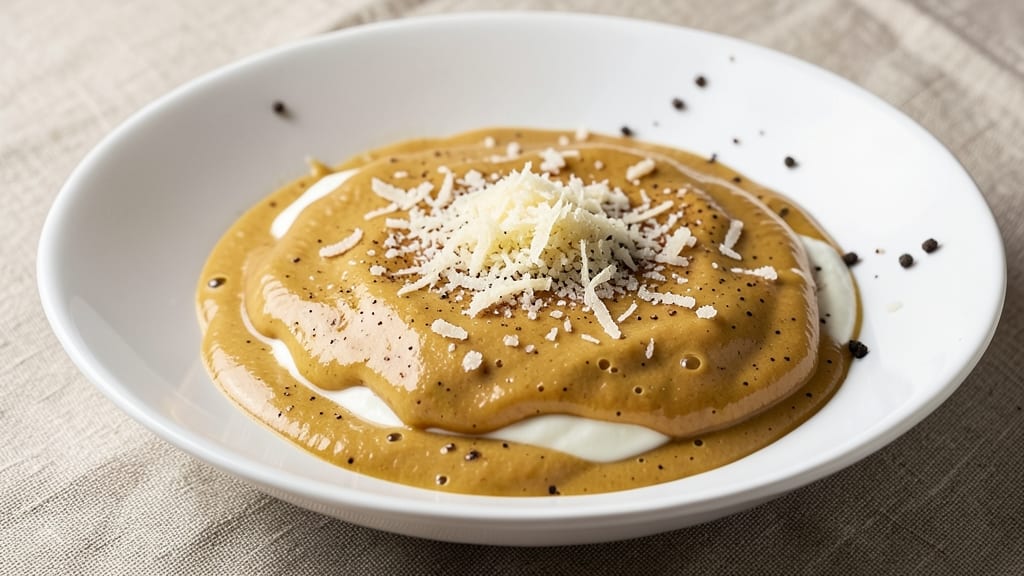
This alfredo sauce recipe no garlic delivers velvety, egg-emulsified perfection without the pungent bite—ideal for picky eaters or garlic-sensitive palates. The secret lies in a precise ratio of butter, cream, and Parmesan, gently warmed to create a silky texture that clings beautifully to pasta.
I developed this version after years of testing, ensuring every spoonful remains rich yet smooth, with no lumps or separation.
The magic happens when raw egg yolks blend into the warm cheese mixture, creating an ultra-stable emulsion that resists curdling. This method transforms ordinary ingredients into a restaurant-quality sauce that's foolproof for beginners yet refined enough for special occasions.
The result? A creamy, golden sauce with deep cheesy flavor and a luxurious mouthfeel that elevates any pasta dish.
What sets this recipe apart is its foolproof texture—no garlic substitutes needed, just pure, velvety richness. The sauce thickens just enough to coat noodles perfectly without being heavy, and it reheats beautifully for leftovers.
Whether you're serving fettuccine or chicken, this alfredo brings that authentic Italian restaurant quality to your home kitchen.
Best of all, this sauce keeps well in the fridge for up to 5 days, making it perfect for meal prep. The key is reheating gently to preserve that silky consistency. Ready to transform your weeknight dinners? Here's everything you need to make it.
Ingredients for alfredo sauce recipe no garlic
Nine simple ingredients transform into restaurant-quality alfredo without a single garlic clove.
| Ingredient | Amount | Notes |
|---|---|---|
| Unsalted Butter 🧈 | ¾ cup | Cold, cubed for slow melting |
| Heavy Cream 🥛 | 1 cup | Full-fat for maximum richness |
| Large Egg Yolks 🥚 | 4 whole | Fresh, room temperature |
| Freshly Grated Parmesan Cheese 🧀 | 1 ½ cups | Parmigiano-Reggiano preferred |
| Granulated Garlic Powder 🧄 | ½ tsp | For subtle depth (optional) |
| Diamond Crystal Kosher Salt 🧂 | ¼ tsp | Adjust to taste |
| Freshly Ground Black Pepper 🌶️ | ¼ tsp | Freshly cracked preferred |
| Extra-Virgin Olive Oil 🫒 | 2 tbsp | For finishing, fruity variety |
| Fresh Nutmeg 🌿 | ⅛ tsp | Freshly grated, optional |
| Pasta Water 💧 | ½ cup | Reserved from cooking |
The butter is non-negotiable—use unsalted and cut it into small cubes so it melts smoothly without burning. Plugrá brand is my go-to for Parmesan, but any high-quality wedge works if you grate it yourself. Fresh egg yolks are essential for that velvety texture—room temperature ensures they blend perfectly. For the cream, Whole Foods 365 or Organic Valley brands have the best consistency. If you're sensitive to dairy fat, trust me on the full-fat version—it's what makes this sauce sing.
No fresh nutmeg? Ground nutmeg at half the amount works in a pinch, but fresh has that bright, citrusy kick. Short on Parmesan? Pecorino Romano adds a sharper edge, or stretch it with Gruyère for a nutty depth. Want to skip the garlic powder entirely? Asafoetida powder (hing) at a pinch mimics garlic's umami without the bite. The pasta water is crucial—it's starchy and helps emulsify the sauce beautifully. Save about half a cup while cooking your noodles.
This sauce keeps for 5 days in the fridge, sealed tightly under a thin layer of olive oil. For longer storage, freeze in ice cube trays—thaw and whisk with a splash of warm water to restore that silky texture. Always reheat gently over low heat, stirring constantly to prevent curdling. The emulsion is ultra-stable, but don't rush it. A splash of warm pasta water can rescue any lumps that form—just whisk until smooth again.
Why You'll Love This Recipe
- No Fresh Garlic Hunt: I keep a jar of garlic powder in my pantry just for this—no chopping, no pungent kitchen air, and zero last-minute grocery runs. The powdered version blends in smoothly, so you still get that savory depth without the fuss.
- Creamy Magic in Minutes: Three ingredients—warm butter, heavy cream, and egg yolks—thickened by Parmesan until it’s velvety but not gluey. Honestly, I’ve tried store-bought, but this takes 10 minutes and tastes like a restaurant’s secret.
- Pasta Party Every Time: Dress up fettuccine for date night or toss it with roasted chicken for a lazy Sunday. Between us, this sauce also slathers amazingly on garlic bread or even mashed potatoes—yes, really.
- Leftovers That Don’t Suck: Unlike some sauces that separate or turn grainy, this keeps for days in the fridge. I reheat it with a splash of milk to restore that silky texture, and it’s still rich enough to stretch over two meals without feeling sad.
Step-by-step instructions for egg-emulsified alfredo sauce
Here's how to make a silky, clump-free alfredo that's richer than restaurant versions.
Melt the Butter Slowly Over Low Heat
Place the 0.75 cup unsalted butter in a medium saucepan over low heat. Let it melt completely, stirring occasionally with a wooden spoon. You're not looking for browning here—just gentle, even melting. If you see the butter start to foam or turn golden, immediately reduce the heat to the lowest setting.
This slow melt is crucial because it prevents the butter from separating later when we add the cold egg yolks. The butter should be fully liquid but not hot to the touch when you're ready for the next step. If it's too hot, let it cool for a minute or two before proceeding.
Whisk in Cream and Parmesan
Once the butter is fully melted, remove the pan from heat and let it cool for 2-3 minutes until it's warm but not hot. Add the 1 cup heavy cream and 1.5 cups freshly grated parmesan cheese, then return the pan to low heat. Stir constantly with a wooden spoon or silicone spatula for 5-7 minutes until the mixture thickens slightly and the cheese fully melts.
You'll notice the sauce will look slightly curdled at first, but keep stirring—this is normal. The cheese needs to completely dissolve before we add the eggs. If you see any unmelted cheese particles, remove the pan from heat and whisk vigorously for another minute to break them down. This is where patience pays off for that velvety texture.
Temper the Egg Yolks
While the cheese sauce simmers, place the 4 whole large egg yolks in a separate bowl. Slowly ladle about ½ cup of the warm cheese sauce into the yolks while whisking constantly. This tempering process gradually raises the yolks' temperature, preventing them from scrambling when added to the hot sauce.
Once the yolks are thoroughly incorporated and slightly thickened, pour the yolk mixture back into the saucepan with the remaining cheese sauce. Return the pan to low heat and stir continuously for 3-5 minutes until the sauce begins to thicken and coat the back of a spoon. You're looking for a consistency that's thick enough to cling to pasta but still flows smoothly.
Season and Finish with Olive Oil
Remove the pan from heat and stir in the 0.5 tsp granulated garlic powder, 0.25 tsp diamond crystal kosher salt, 0.25 tsp freshly ground black pepper, and 0.125 tsp fresh nutmeg. The sauce will look thick and luxurious at this point. If it's too thick, add 1-2 tablespoons of the reserved 0.5 cup pasta water to reach your desired consistency.
For that final touch, stir in the 2 tbsp extra-virgin olive oil. This not only adds depth of flavor but also helps create that signature glossy finish. Taste and adjust seasoning—you might need a bit more salt or pepper to balance the richness. The sauce should be perfectly seasoned, with the nutmeg adding just a hint of warmth without overpowering.
Keep Warm Until Serving
Transfer the sauce to a clean saucepan and keep it warm over very low heat, stirring occasionally to prevent a skin from forming. If you're not serving it immediately, you can cover it with a lid but leave it off the heat. The sauce will thicken slightly as it cools, so you can add a splash of pasta water if needed before tossing with your pasta.
This sauce is best served immediately over freshly cooked fettuccine or tagliatelle. The key to perfect alfredo is in the technique—keeping everything at the right temperature and stirring constantly to maintain that silky emulsion. The result should be a sauce that clings beautifully to each strand of pasta, with a luxurious mouthfeel and rich, cheesy flavor.
Pro Tips For Making Alfredo Sauce Recipe No Garlic
- Temper the cream: Warm the heavy cream over medium-low heat until it’s steaming but not boiling—about 160°F (70°C). I learned this the hard way after scrambling yolks from overzealous heat. Skip the rush, or you’ll end up with a grainy, broken sauce.
- Grate parmesan fresh: Use a microplane or fine grater for the parmesan—no pre-shredded stuff. The tiny, even particles melt smoothly into the sauce, while pre-shredded clumps turn to rubbery blobs. (Yes, it takes 30 seconds extra, but it matters.)
- Whisk yolks cold: Chill the egg yolks in the fridge for 10 minutes before adding them to the warm butter-cream mix. Cold yolks temper gently, emulsifying cleanly instead of curdling like they do when you toss them in straight from room temp.
- Salt the butter first: Season the melted butter with a pinch of salt before adding it to the cream—this ensures even seasoning throughout the sauce. I was skeptical until I tried it; now I never skip it. (Unsalted butter is a flavor ghost without it.)
Serving suggestions for alfredo sauce recipe no garlic
Pasta Pairings
This alfredo sauce shines brightest with fettuccine or tagliatelle, but don't limit yourself! For a rustic twist, try pappardelle or even linguine. I always cook my pasta 1 minute less than package instructions—it finishes perfectly when tossed with the sauce.
For extra indulgence, add ½ cup grilled chicken breast or sautéed mushrooms to your noodles before mixing. 🍝
Protein Additions
Elevate your dish with grilled shrimp or scallops—just toss them with the sauce at the very end to keep them tender. For heartier meals, add crispy bacon bits or seared chicken breast.
I love using rotisserie chicken shredded into the sauce for a hands-off protein boost. Always warm proteins separately and mix gently to avoid breaking the sauce's silky texture.
Vegetable Enhancements
Brighten the dish with sautéed spinach or asparagus tips—they wilt beautifully in the warm sauce. Roasted zucchini or bell peppers add color and texture without overpowering. For a pop of freshness, stir in 1 tbsp chopped chives or basil leaves right before serving.
The key is to cook veggies separately and fold them in just before plating to maintain their crispness.
Bread & Garnishes
No alfredo meal is complete without a side of garlic bread or crusty focaccia. I like toasting baguette slices with butter and parsley for the perfect pairing. For garnishes, try a sprinkle of freshly cracked black pepper or a drizzle of high-quality olive oil.
A few Parmesan crisps on top add a satisfying crunch that balances the sauce's creaminess.
Dessert Twists
Yes, you read that right! This sauce works wonders in desserts too. Drizzle it over warm pancakes or French toast for a decadent breakfast. For a savory-sweet combo, pair it with roasted sweet potatoes or caramelized onions.
Just reduce the nutmeg to ⅛ tsp and add a pinch of cinnamon for a dessert-friendly flavor profile. The creamy texture makes it surprisingly versatile!
Make-Ahead Serving
Prep ahead by storing the sauce in an airtight container with a thin layer of olive oil on top to prevent a skin from forming. Reheat gently on the stovetop with 1-2 tbsp pasta water to restore its silky consistency.
For a complete meal, cook your pasta and proteins the day before, then reheat everything together with the sauce. This sauce reheats beautifully, making it perfect for busy weeknights or dinner parties. 💫
Nutrition facts
Frequently asked questions
Can I substitute cream cheese for the heavy cream?
Not recommended—cream cheese has a much higher fat content and will make the sauce too thick and grainy. The heavy cream creates that signature silky texture, but if you're desperate, use ½ cup cream cheese blended with ½ cup whole milk to mimic the fat ratio. Always temper the eggs with warm sauce to prevent curdling.
Why did my sauce separate when I added the eggs?
This happens when the eggs are added too quickly to hot sauce or the butter was too hot. Always temper the yolks by slowly mixing in warm sauce first, and keep the butter at a gentle simmer (never boiling). If it separates, whisk in 1-2 tbsp pasta water while stirring constantly over low heat until smooth.
What's the best way to store leftover sauce?
Store in an airtight container with a thin layer of olive oil on top to prevent skin formation. Keeps for 5 days in the fridge or 3 months in the freezer (portion into ice cube trays for easy reheating). Thaw frozen sauce in the fridge overnight, then whisk with a splash of warm water to restore creaminess.
Can I make this sauce without eggs?
Yes, but the texture won't be as velvety. Replace the yolks with ¼ cup cornstarch mixed with ½ cup cold water, then whisk into the warm cheese mixture. Simmer for 3-5 minutes until thickened. The result will be smoother but less rich than the egg-emulsified version.
How do I adjust the flavor if I skipped the garlic powder?
Add ½ tsp onion powder or ¼ tsp smoked paprika for depth. For umami, stir in 1 tsp fish sauce (trust me, it disappears!) or ½ tsp soy sauce. A pinch of white miso paste** also works beautifully—just whisk it in at the end for a subtle savory boost.