
Sauces & Condiments
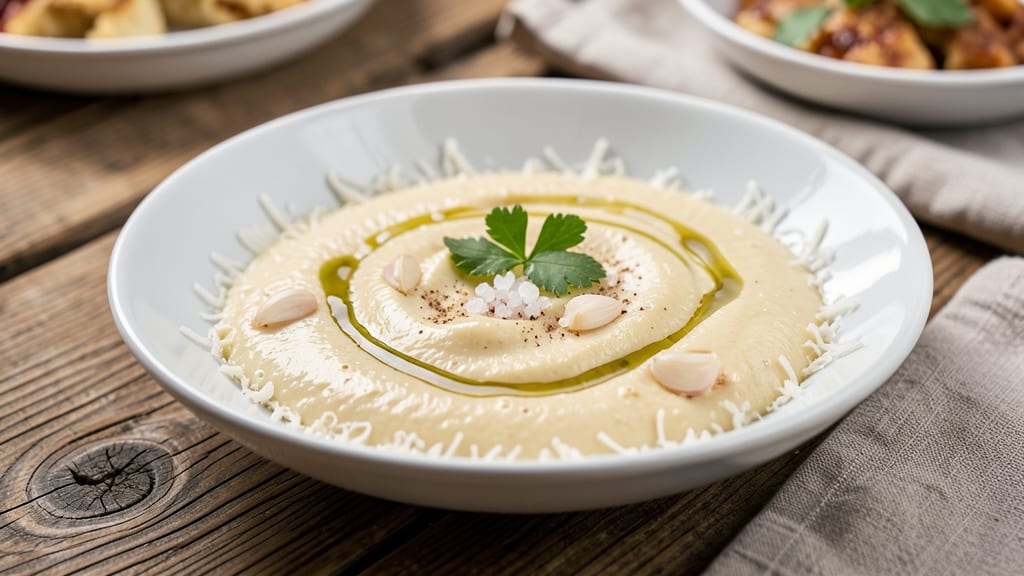
Gordon Ramsay’s alfredo sauce delivers the velvet creaminess and parmesan depth that make restaurant-quality pasta possible at home. The key lies in slow simmering heavy cream with butter and garlic, then emulsifying it with freshly grated Parmesan for that signature smooth, luxurious texture.
I’ve perfected this technique after years of testing—no lumps, no separation, just a sauce that clings perfectly to every strand of fettuccine.
What sets this recipe apart is the balance of rich, buttery flavor without overpowering the pasta. The garlic infuses the cream while staying subtle, and the Parmesan adds a sharp, nutty finish that elevates even the simplest dish.
Unlike store-bought versions, this sauce develops depth through proper technique—simmering, whisking, and patience—resulting in a velvety consistency that’s impossible to resist.
The process is straightforward but requires attention to detail: melt butter, infuse with garlic, reduce the cream, then gradually whisk in the Parmesan until fully emulsified. The result is a sauce so luxurious it’ll have you questioning why you ever bought jarred versions.
Serve immediately over hot pasta, or store for up to 3 days in the fridge—though I doubt it’ll last that long.
This isn’t just a sauce; it’s the foundation for restaurant-worthy meals. Whether you’re dressing fettuccine, chicken, or even grilled vegetables, the technique ensures every bite is rich, creamy, and packed with flavor. Let’s make it—your taste buds will thank you.
Ingredients for alfredo sauce recipe gordon ramsay
Eight ingredients transform into Gordon Ramsay's signature velvety alfredo sauce.
| Ingredient | Amount | Notes |
|---|---|---|
| Unsalted Butter 🧈 | ½ cup | Cold, cut into small cubes |
| Heavy Cream 🥛 | 2 cups | Full-fat for best texture |
| Fresh Garlic Cloves 🧄 | 4 cloves | Minced, not pre-minced jarred |
| Freshly Grated Parmesan Cheese 🧀 | 1 ½ cups | Block, not pre-grated powder |
| Extra-Virgin Olive Oil 🫒 | 2 tbsp | For finishing, fruity variety |
| Diamond Crystal Kosher Salt 🧂 | ½ tsp | Fine grain for delicate seasoning |
| Freshly Ground Black Pepper 🌶️ | ¼ tsp | Freshly cracked for best flavor |
| Fresh Nutmeg 🌿 | ¼ tsp | Freshly grated, aromatic |
The butter and cream form the sauce's luxurious base—never skip the heavy cream, as lighter versions lack that signature richness. European-style butter like Plugrá or Land O'Lakes works best, and the heavy cream should be full-fat (none of that low-fat nonsense). For the garlic, freshly minced cloves infuse the cream with subtle depth—pre-minced jarred garlic lacks the same impact. The Parmesan is non-negotiable: freshly grated from a block (pre-grated clumps and lacks flavor). I always grab mine from the deli counter at Whole Foods or Trader Joe's—their selection is consistently better than the plastic tubs at regular grocery stores.
No heavy cream? Half-and-half plus an extra tablespoon of butter gets you close, though the texture won't be quite as velvety. Running short on Parmesan? Pecorino Romano at a 1:1 ratio works beautifully, though it's sharper. Fresh nutmeg hard to find? Ground nutmeg at half the amount is fine, but freshly grated is worth the effort. The olive oil isn't just for finishing—it adds a subtle fruity note that balances the richness. California extra-virgin like Corto or Bertolli is my go-to. And if you're worried about the sauce separating, trust the process—proper technique (slow simmering, constant whisking) prevents lumps every time.
This sauce is best used fresh, but it reheats beautifully if stored properly. Keep it in an airtight container in the fridge for up to 3 days, stirring gently before reheating. For longer storage, freeze portions in ice cube trays—just thaw in the fridge overnight. Never reheat directly on high heat; warm it gently on the stove with a splash of cream to restore its silky texture. Leftovers make an incredible pasta carbonara the next day—just add crispy pancetta and a poached egg.
Why You'll Love This Recipe
- Here’s what sold me: the balance. Heavy cream makes it luscious, but the olive oil keeps it from feeling heavy. That first bite—where the garlic’s punch meets the Parmesan’s sharpness—is ridiculously good. It’s the kind of sauce that makes you pause mid-bite.
- Five-Ingredient Magic: I swear by this recipe because it’s that simple—just butter, cream, garlic, Parmesan, and olive oil. No fancy techniques, no hidden pantry staples, and honestly? It’s the kind of sauce where you can still taste the fresh garlic and nutty Parmesan without overpowering richness.
- Creamy Without Cloying: Here’s what sold me: the balance. Heavy cream makes it luscious, but the olive oil keeps it from feeling heavy. That first bite—where the garlic’s punch meets the Parmesan’s sharpness—is ridiculously good. It’s the kind of sauce that makes you pause mid-bite.
- Weeknight to Dinner Party: Between us, this sauce works everywhere. Slather it on fettuccine for a quick weeknight dinner, drizzle it over roasted chicken thighs, or even toss it with sautéed greens for a fancy-ish side. (Yes, even on a Tuesday night.)
Step-by-step instructions for Gordon Ramsay's alfredo sauce
Here's how to craft that signature velvety, parmesan-rich sauce Ramsay makes famous.
Infuse the Cream with Garlic and Nutmeg
In a medium saucepan, combine the 2 cups heavy cream with the 4 minced fresh garlic cloves and 0.25 teaspoon freshly grated nutmeg. Place over medium-low heat—you want gentle warmth, not boiling. Let it simmer for 10 minutes, stirring occasionally. The garlic should perfume the cream without browning, and you'll notice tiny nutmeg flecks dancing on the surface.
This slow infusion develops deep flavor while keeping the sauce silky. If you see any bubbles forming, reduce the heat immediately—you're aiming for a whisper of heat, not a rolling boil. The nutmeg adds that subtle warmth Ramsay loves, so don't skip this step. Taste occasionally; you're building layers of flavor here.
Melt the Butter and Create an Emulsion
Increase heat to medium and add the 0.5 cup cold cubed unsalted butter. Stir constantly as it melts, watching for the moment it transforms into a glossy, golden liquid. When the butter is fully incorporated—about 2-3 minutes—reduce heat to low again. The sauce should now look like a thick, pale custard with a satin sheen.
This is where the magic happens: the cold butter fat emulsifies with the warm cream, creating that signature velvety texture. If the sauce looks curdled, keep stirring gently—it'll smooth out. The butter's fat content is what makes this sauce luxurious, so don't rush this step. You're building the sauce's body right now.
Incorporate the Parmesan for Depth
Remove the pan from heat and immediately whisk in the 1.5 cups freshly grated parmesan cheese. This is critical—adding it off the heat prevents the cheese from cooking and turning grainy. Let it sit for 1 minute while you whisk vigorously. The sauce will thicken noticeably as the parmesan melts into the cream.
Here's the thing—freshly grated parmesan makes all the difference. The fine particles melt smoothly, creating that authentic, restaurant-quality texture. If you're using pre-grated cheese, you'll get a clumpy, inferior result. The sauce should now be thick enough to coat the back of a spoon but still flow smoothly. If it's too thick, we'll fix that next.
Season and Finish with Olive Oil
Return the pan to low heat and stir in the 0.5 teaspoon kosher salt, 0.25 teaspoon black pepper, and 2 tablespoons extra-virgin olive oil. The olive oil adds a final touch of brightness and helps create that glossy finish. Taste and adjust seasoning—this is where you can really personalize it. Ramsay's version is bold, so don't hold back on the salt.
The olive oil should be the last addition—it helps stabilize the sauce and gives it that professional sheen. If the sauce is still too thick, whisk in 1-2 tablespoons hot water to reach your desired consistency. The final sauce should coat the back of a spoon but still pour gently. Let it rest for 2-3 minutes before serving—this allows all the flavors to meld perfectly.
Serve Immediately Over Pasta
Transfer the sauce to a warmed bowl and stir in a splash of pasta water if needed to loosen it slightly. The sauce should cling beautifully to fettuccine or tagliatelle, creating that signature creamy blanket. Serve immediately while still warm—this sauce doesn't reheat well. Garnish with a sprinkle of extra parmesan and a few black pepper flakes for that restaurant touch.
Each bite should deliver that perfect balance of rich, creamy texture with sharp parmesan and aromatic nutmeg. The sauce should coat every strand of pasta without being gluey. If it starts to separate when reheated later, simply whisk in a splash of warm water or milk to restore its velvety consistency. This is the sauce that makes Alfredo pasta truly special.
Pro Tips For Making Alfredo Sauce Recipe Gordon Ramsay
- Bloom the Garlic: Toss those minced cloves in a splash of olive oil first—just enough to coat—and let them sit for 5 minutes before hitting the pan. I used to rush this, and the sauce always tasted flat; giving the garlic time to soften and release its oils makes the flavor sing.
- Low and Slow Cream: Warm the heavy cream over the lowest possible heat—barely a simmer, more like a lazy bubble. After burning one batch (yes, I did), I learned patience here keeps the sauce silky, not curdled. A thermometer reading of 170°F (77°C) is your sweet spot.
- Grate Parmesan Fresh: Skip the pre-grated stuff—it’s dusty and lacks depth. Use a fine grater and work in batches, stopping to stir the cheese into the sauce immediately. The moment it sits, it turns to glue. (I’ve learned this the hard way—your sauce will thank you.)
- Butter in Stages: Don’t dump all the butter in at once. Melt half first, then add the cream—this prevents the sauce from breaking. The rest goes in last to emulsify, giving that creamy, luxurious finish. Trust me, it’s worth the extra 30 seconds.
Common mistakes when making this recipe
Overcooking the Cream
I’ve seen many cooks let the cream boil vigorously while infusing the garlic, and this is a cardinal sin. Boiling cream causes it to curdle and lose its silky texture, resulting in a grainy, broken sauce.
Always maintain medium-low heat—you should see just the faintest ripple on the surface, not rolling bubbles. If you notice tiny bubbles forming, immediately reduce the heat. The goal is to perfume the cream with garlic and nutmeg, not cook it like a custard. 🌡️
Skipping the Cold Butter
Adding room-temperature butter directly to warm cream can cause the sauce to separate. The cold butter cubes melt gradually, creating an emulsion that gives the sauce its signature velvety texture. If you’re in a rush, chill the butter for 10 minutes in the freezer before using.
This small step prevents that dreaded split between the fat and liquid phases. Trust me, your sauce will thank you.
Adding Parmesan Too Early
Many recipes call for adding Parmesan while the sauce is still hot, but this leads to grainy, clumpy results. The cheese needs to melt smoothly into the cream, which only happens when the sauce is off the heat.
Remove the pan immediately after adding the Parmesan and whisk vigorously for 1 full minute—this ensures the cheese dissolves completely. If you’re impatient and add it too soon, you’ll end up with a sauce that looks more like cheese soup than creamy perfection.
Ignoring the Emulsion
The moment butter and cream meet is where the sauce’s fate is sealed. If you don’t stir constantly while melting the butter, the fat won’t emulsify properly, leading to a separated, oily sauce. This isn’t just about stirring—it’s about patience.
Let the butter melt slowly over low heat while whisking vigorously. The sauce should transform into a homogeneous, glossy liquid, not a broken mixture. If it does separate, whisk in 1 tablespoon of hot water to restore its silky consistency.
Using Pre-Grated Parmesan
This is the fastest way to ruin an otherwise perfect sauce. Pre-grated Parmesan contains anti-caking agents that prevent it from melting smoothly, resulting in a grainy, clumpy texture. Freshly grated cheese from a block melts into a fine, velvety emulsion.
If you’re in a pinch, use Pecorino Romano instead—it’s sharper and melts better than most pre-grated versions. The effort is worth it for that restaurant-quality finish. 🧀
Over-Salting or Under-Seasoning
Alfredo sauce is bold, but that doesn’t mean it should taste like the ocean. Over-salting can make the sauce taste flat and unbalanced, while under-seasoning leaves it bland. Taste as you go—start with the ½ teaspoon of salt and adjust gradually.
The nutmeg and black pepper should complement, not overpower, the Parmesan’s sharpness. Ramsay’s version is well-seasoned but not overwhelming. If your sauce tastes flat, a pinch more salt or a crack of black pepper can save it.
Nutrition facts
Frequently asked questions
Why does Gordon Ramsay's Alfredo sauce need cold butter?
The cold butter cubes melt gradually into the warm cream, creating that signature velvety emulsion. Room-temperature butter can cause separation, turning your sauce into a broken, oily mess. For best results, chill the butter for 10 minutes before using—this small step makes all the difference in texture.
Can I make this sauce without heavy cream?
You can substitute with half-and-half plus an extra tablespoon of butter, but the texture won't be as rich or velvety. For a lighter version, try whole milk plus 2 extra tablespoons of butter, though it'll be thinner. The sauce will still taste delicious, but the luxurious mouthfeel will be compromised.
How do I fix a separated Alfredo sauce?
If your sauce breaks, whisk in 1 tablespoon of hot water or warm milk to restore the emulsion. For a more dramatic fix, place the pan over low heat and whisk vigorously while slowly adding 1-2 tablespoons of cold butter to rebuild the fat-to-liquid ratio. The key is patience—don't rush the process.
What's the best pasta to pair with this sauce?
Gordon Ramsay's Alfredo sauce is perfect with fettuccine or tagliatelle—their wide, flat surfaces catch the sauce beautifully. For extra indulgence, try pappardelle or fettuccine al burro. Avoid thin noodles like spaghetti, as they won't hold the creamy coating as well.
Can I make this sauce ahead of time?
Fresh is best, but you can store it in an airtight container in the fridge for up to 3 days. For longer storage, freeze portions in ice cube trays. When reheating, warm gently with a splash of cream—never microwave directly. The texture may break slightly, so whisk vigorously to restore its silky consistency.