
Sauces & Condiments
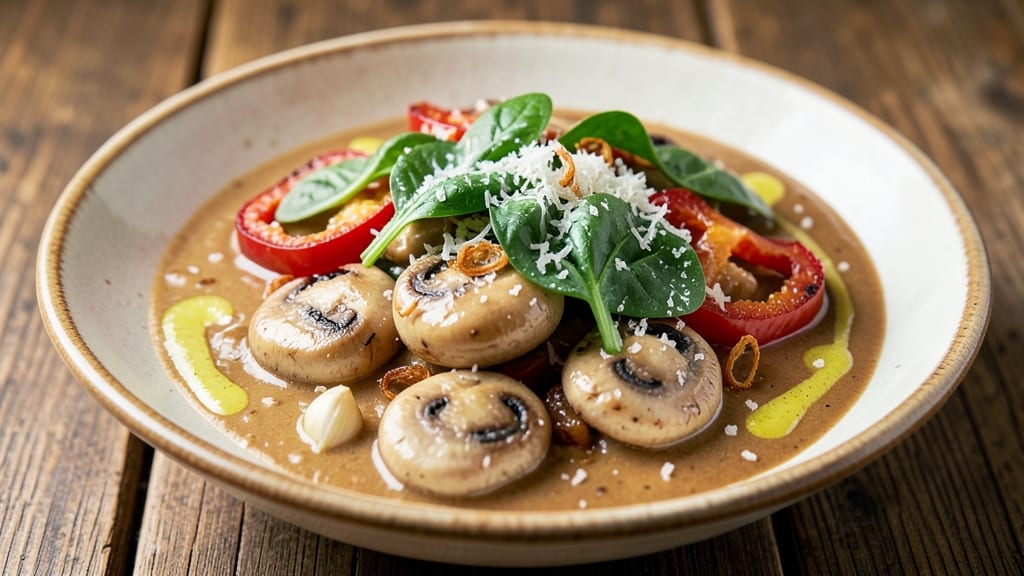
This alfredo sauce with vegetables recipe delivers restaurant-quality creaminess with fresh garden crunch in just 20 minutes. The secret lies in balancing rich, velvety sauce with vibrant sautéed vegetables—think tender spinach, earthy mushrooms, and crisp bell peppers—all while keeping the sauce light enough to coat perfectly.
I developed this version after years of perfecting alfredo, ensuring it’s foolproof for pasta, chicken, or even as a creamy vegetable dip.
The foundation starts with a smooth, emulsified sauce made from heavy cream, butter, and parmesan, cooked just until it thickens without breaking. Sautéed vegetables add color, texture, and nutrients, while a splash of lemon juice brightens the richness.
The result? A sauce that’s creamy yet not heavy, with every bite offering a satisfying contrast of smooth and crunchy. This recipe scales easily—double it for leftovers or use it as a base for other creamy sauces.
What sets this apart is the balance: the sauce clings to noodles or proteins without overwhelming them, while the vegetables retain their texture and flavor. Perfect for weeknight dinners or special occasions, it’s versatile enough to pair with fettuccine, grilled chicken, or roasted vegetables.
The key is patience—letting the sauce simmer gently ensures a silky finish, not a broken one.
Store leftovers in the fridge for up to 5 days, or freeze for 3 months—just reheat gently with a splash of milk or cream to restore its velvety texture.
Whether you’re serving it over pasta or using it as a dipping sauce, this alfredo delivers on both comfort and sophistication. Let’s make it.
Ingredients for alfredo sauce with vegetables
Nine essential ingredients transform into velvety alfredo sauce with vibrant garden-fresh vegetables.
| Ingredient | Amount | Notes |
|---|---|---|
| Heavy Cream 🥛 | 1 ½ cups | Full-fat for optimal richness |
| Unsalted Butter 🧈 | ½ cup | Cold, cubed for even melting |
| Freshly Grated Parmesan Cheese 🧀 | 1 cup | High-quality, aged minimum 24 months |
| Fresh Garlic Cloves 🧄 | 4 cloves | Minced finely for subtle flavor |
| Fresh Lemon Juice 🍋 | 1 tbsp | Brightens the creamy base |
| Fresh Spinach Leaves 🌿 | 4 cups | Chopped, vibrant green variety |
| White Button Mushrooms 🍄 | 1 cup | Sliced thinly for even cooking |
| Red Bell Pepper 🌶️ | ½ cup | Diced, fresh and crisp |
| Diamond Crystal Kosher Salt 🧂 | ½ tsp | Adjusts seasoning precisely |
| Freshly Ground Black Pepper 🌶️ | ¼ tsp | Enhances depth of flavor |
The foundation begins with high-quality Parmesan cheese—look for blocks labeled with at least 24 months of aging from specialty cheese shops like Whole Foods or Di Bruno Bros. The heavy cream must be full-fat (none of that skim nonsense) and cold when you add it to prevent curdling. For the garlic, fresh is non-negotiable—jarred minced garlic lacks the aromatic punch. I always buy garlic from the bulk section at Trader Joe's for the best flavor-to-cost ratio. The butter should be unsalted to control the seasoning precisely, and European-style butter like Plugrá melts more smoothly than American brands.
No fresh spinach? Frozen works in a pinch—just thaw and squeeze out excess water. Substitute mushrooms for cremini or shiitake for deeper umami flavor. Running short on bell pepper? Zucchini or asparagus add a similar fresh crunch. The lemon juice can be swapped for white wine (use the same amount) if you prefer a more complex flavor profile, but fresh lemon adds a brightness that's hard to replicate. For the Parmesan, pre-grated is a crime—it contains anti-caking agents that make the sauce grainy. Grate it yourself using a fine microplane for the smoothest texture. The kosher salt is crucial—Diamond Crystal dissolves more easily than table salt, so measure carefully.
This sauce is best made fresh, but it reheats beautifully—simmer gently with a splash of milk or cream to restore its silky texture. Store in an airtight container in the fridge for up to 5 days, or freeze in 1-cup portions for 3 months. For extra convenience, prepare the sauce without the vegetables, then sauté the veggies fresh when ready to serve. The vegetables can be prepped ahead and stored separately in the fridge for 3 days—just sauté them quickly in olive oil before mixing with the sauce. The key to reheating is low heat and patience—rushing causes the sauce to break.
Why You'll Love This Recipe
- Five-Ingredient Magic: The whole thing comes together with just a handful of pantry staples—no weird specialty items. I swear by this combo: rich butter, velvety cream, and that sharp lemon cut through the richness like a breath of fresh air.
- Garlic-Lemon Lift: That bright lemon juice and fresh garlic? It’s the secret weapon. The sauce isn’t just creamy—it’s bright, tangy, and actually flavorful, not just a bland white sauce. Honestly, I add extra lemon sometimes just because it’s that good.
- Pasta’s Best Friend: This sauce works on everything—fettuccine, roasted veggies, even grilled chicken. I’ve used it for weeknight dinners, potlucks, and even as a dip for crusty bread when I’m lazy. It’s the ultimate crowd-pleaser.
- Leftovers That Don’t Suck: Unlike most creamy sauces, this one reheats like a dream—no graininess, no separation. I make a double batch on Sundays, and by Wednesday, I’m still eating it straight from the fridge. (Yes, even on a Tuesday night.)
Step-by-step instructions for creamy alfredo sauce with vegetables
Master this rich, velvety sauce with fresh vegetables in simple, professional steps.
Prepare the Vegetable Base
Heat a large skillet over medium heat and add the 0.5 cup unsalted butter. Once melted, add the 1 cup sliced white button mushrooms and 0.5 cup diced red bell pepper. Cook for 5-6 minutes until the mushrooms release their moisture and the vegetables soften slightly but retain their shape.
Next, add the 4 cloves minced fresh garlic and cook for an additional 30 seconds until fragrant. This step develops the foundational flavors of your sauce while ensuring the vegetables are tender enough to blend seamlessly into the creamy base. If the vegetables release too much liquid, reduce heat slightly to evaporate excess moisture before proceeding.
Build the Creamy Alfredo Foundation
Reduce the heat to low and gradually whisk in the 1.5 cups heavy cream, allowing it to warm gently while stirring constantly to prevent curdling. Once the cream is fully incorporated and begins to simmer lightly, add the 1 cup freshly grated Parmesan cheese and 0.5 tsp Diamond Crystal kosher salt.
Continue whisking for 3-4 minutes until the cheese melts completely and the sauce thickens to a luxurious, velvety consistency. The sauce should coat the back of a spoon smoothly. If it thickens too much, add 1-2 tablespoons water to adjust the texture. This step is critical for achieving the signature Alfredo texture without lumps or graininess.
Incorporate the Spinach and Finish
Add the 4 cups chopped fresh spinach leaves to the sauce and stir gently for 1-2 minutes until the spinach wilts completely. The residual heat from the sauce will cook the spinach just enough to soften it while preserving its vibrant green color. Remove the skillet from heat and stir in the 1 tbsp fresh lemon juice and 0.25 tsp freshly ground black pepper.
The lemon juice brightens the rich creaminess, while the black pepper adds a subtle depth of flavor. Taste and adjust seasoning if needed—Alfredo sauce should be rich but balanced, with the salt and pepper enhancing rather than overpowering the natural flavors. Keep the sauce warm over low heat until ready to serve, stirring occasionally to maintain even consistency.
Serve Immediately for Optimal Texture
Transfer the completed sauce to a warmed serving dish and serve immediately over your choice of pasta or as a standalone vegetable dish. The sauce should be silky smooth with visible flecks of spinach and mushrooms, offering a perfect balance of creamy richness and fresh garden crunch.
For best results, serve while the sauce is still warm but not boiling—this ensures the cream maintains its velvety texture without separating. If storing for later, reheat gently over low heat, stirring frequently to prevent curdling. The fresh vegetables will slightly soften further but retain their vibrant flavors, making this a versatile and restaurant-quality dish.
Pro Tips For Making Alfredo Sauce With Vegetables
- Bloom the Garlic: Toss your minced garlic into the butter first, then let it sit for 30 seconds before stirring—just until it’s fragrant, not browned. I used to rush this and end up with bitter, overcooked garlic that ruined the whole sauce. Trust me, the aroma builds flavor you’ll taste later.
- Warm the Cream: Heat your heavy cream separately in a saucepan until it’s steaming but not boiling (about 160°F/70°C)—then whisk it into the butter-garlic mix. Cold cream shocks the sauce and makes it split. Sounds tedious, but it keeps the sauce silky instead of grainy.
- Grate Parmesan Fresh: Skip the pre-grated cheese—it’s full of anti-caking agents that turn your sauce into a clumpy mess. Use a microplane or fine grater, and grate it right before mixing. Even if you’re in a hurry, this is the thing that matters most for that real Italian richness.
- Finish with Lemon: Add the lemon juice last, just before serving—no more than 1 teaspoon per cup of sauce. Too early, and the acid curdles the cream. Too late, and you miss the bright pop that cuts through the richness. I learned this the hard way after making a whole pot of lumpy sauce.
Essential equipment for alfredo sauce with vegetables
Essential Skillet
Start with a 10-inch heavy-bottomed stainless steel skillet—I swear by All-Clad for its even heat distribution and durability. The deep sides prevent spills when whisking the sauce, and stainless steel won’t react with acidic ingredients like lemon juice.
For budget-friendly options, Calphalon or Cuisinart skillets work just as well. Avoid nonstick—it can’t handle the high heat needed for proper browning. 🔥
Whisking Tools
A balloon whisk is my go-to for this recipe—its deep bowl shape helps contain splatters when incorporating cream and cheese. Look for one with stainless steel wires (like OXO Good Grips) for durability.
For smaller batches, a French whisk works fine, but avoid plastic or silicone whisks—they can’t handle the heat. I keep mine near the stove for quick access during cooking.
Cheese Grater
Never use pre-grated Parmesan—it contains anti-caking agents that make your sauce grainy. Instead, invest in a fine microplane (like Barbagroup) or a box grater with a fine blade.
Grate your own cheese right before cooking to preserve its freshness and flavor. For extra efficiency, I grate cheese directly over the sauce pan to minimize mess. 🧀
Measuring Tools
Precision matters with cream and butter ratios. Use a liquid measuring cup with clear markings for the 1.5 cups heavy cream and a stainless steel measuring spoon set for the 0.5 tsp salt.
I recommend OXO Good Grips—their ergonomic design makes measuring effortless. For garlic, a garlic press (like Norpro) ensures even mincing without burning the cloves.
Storage Containers
For leftovers, transfer the sauce to glass Pyrex containers with airtight lids—they maintain quality better than plastic. I prefer quart-sized containers for portion control. Label with the date and reheat instructions.
For freezing, use silicone molds (like Stasher bags) to portion individual servings—just squeeze out excess air before sealing. 💫
Optional Extras
Add a garlic press to the mix for foolproof mincing, and a fine-mesh strainer if you prefer ultra-smooth sauce. For garnishing, keep fresh parsley and red pepper flakes on hand.
A kitchen scale (like OXO Good Grips) helps measure cheese by weight for consistency. These extras elevate the dish but aren’t mandatory for success.
Nutrition facts
Frequently asked questions
Can I make this alfredo sauce without dairy?
For a dairy-free version, substitute the heavy cream with 1.5 cups full-fat coconut milk (canned, not carton) and use 1 cup nutritional yeast instead of Parmesan. The sauce will have a slightly different texture but still be creamy. Add 1 tbsp cornstarch mixed with water to thicken it properly.
How do I prevent the sauce from separating or curdling?
Never boil the sauce—keep heat at low-medium while whisking constantly. Add the cream gradually to the butter-cheese mixture (not the other way around) to prevent lumps. If it starts to curdle, immediately whisk in 1-2 tablespoons cold milk or cream while off heat. Stirring vigorously helps re-emulsify the sauce.
What vegetables work best in this sauce?
The recipe uses spinach, mushrooms, and bell peppers for a balanced texture, but you can swap in broccoli, asparagus, or zucchini. For extra richness, add sautéed onions or leeks. Avoid watery veggies like tomatoes or cucumbers—they’ll dilute the sauce.
Can I make this sauce ahead of time?
Yes! Prepare the sauce (without veggies) up to 3 days ahead and store in an airtight container in the fridge. Reheat gently on low heat, stirring frequently and adding a splash of milk or cream to restore creaminess. Add fresh veggies just before serving to keep them crisp. For freezing, portion into 1-cup servings and freeze for up to 3 months.
Why does my alfredo sauce taste bland?
Blandness usually comes from skipping the lemon juice or under-seasoning. Always add the 1 tbsp lemon juice—it brightens the richness. Taste as you go and adjust with salt, pepper, or a pinch of nutmeg. For extra depth, add a splash of white wine (reduce by half) or a dash of Worcestershire sauce.