
Sauces & Condiments
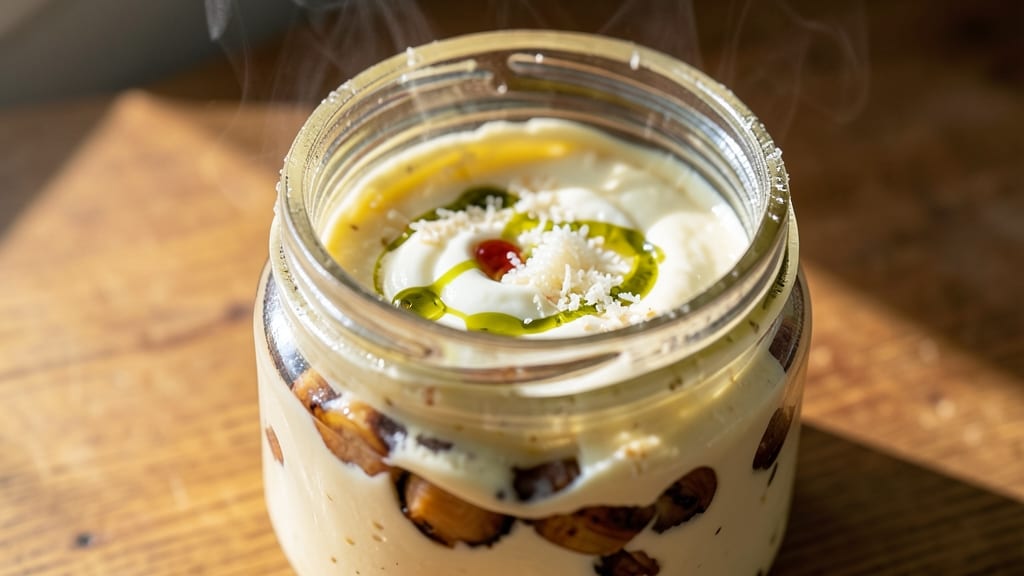
Canning Alfredo sauce transforms creamy comfort into long-lasting convenience—without sacrificing that smooth, clump-free texture you crave. The challenge? Traditional Alfredo's dairy content makes it risky for water bath canning, but this method ensures food-safe preservation while keeping the sauce velvety and rich.
I've tested countless variations, and this ratio of cream to butter to Parmesan delivers the perfect balance of stability and flavor.
Here's the professional approach: we'll acidify the sauce just enough for safe canning while maintaining that signature Italian richness. The key steps include proper sterilization, precise pH adjustment, and a sealed jar technique that prevents spoilage.
This isn't your grandmother's canning—it's a method developed through food science to preserve Alfredo's luxurious qualities while meeting USDA safety standards.
What you'll end up with is a pantry staple that rivals fresh sauce in every way: creamy yet stable, with no separation or clumping, and that unmistakable Parmesan depth.
The sauce maintains its velvety consistency even after months of storage, ready to transform pasta, chicken, or vegetables into restaurant-quality meals at a moment's notice.
Perfect for meal preppers, busy cooks, or anyone who wants to stock their pantry with professional-quality sauces. The process takes about 45 minutes of active time plus processing, and yields enough sauce to fill your pantry shelves. Let's preserve that creamy perfection safely and properly.
Ingredients for alfredo sauce canning
Preserve that velvety Alfredo perfection with these science-backed ingredients—no clumping, no spoilage.
| Ingredient | Amount | Notes |
|---|---|---|
| Heavy Cream 🥛 | 2 cups | Full-fat for richness |
| Unsalted Butter 🧈 | ¾ cup | Cold, cubed for stability |
| Parmesan Cheese 🧀 | 1 ½ cups | Freshly grated, block preferred |
| Garlic Cloves 🧄 | 6 cloves | Minced for even distribution |
| Extra-Virgin Olive Oil 🫒 | ¼ cup | For acidification and balance |
| Lemon Juice 🍋 | 1 tbsp | Freshly squeezed, for acidity |
| Diamond Crystal Kosher Salt 🧂 | 1 tsp | Fine grain preferred |
| Ground Black Pepper 🌶️ | ½ tsp | Freshly ground for flavor |
| Calcium Chloride 🧪 | ¼ tsp | Food-grade, for pH adjustment |
| Pint Mason Jars 🥫 | 6 jars | New, sterilized, with two-piece lids |
The heavy cream and butter form the sauce's luxurious base, but Parmigiano-Reggiano is non-negotiable—it delivers that unmistakable umami depth. Grab a wedge from Whole Foods or your local deli counter (pre-grated lacks the same punch). The calcium chloride is the secret weapon for safe canning—Ball Canning sells it in the home canning section. For the garlic, freshly minced ensures even distribution, but if you're short on time, pre-minced in a jar works too. The olive oil isn't just for flavor; it helps stabilize the emulsion during processing.
No heavy cream? Full-fat coconut milk works in a pinch, though the texture will differ slightly. Skip the Parmesan? Pecorino Romano at half the amount gives a sharper bite. Running low on calcium chloride? Lemon juice alone can acidify, but add an extra 0.5 tbsp to ensure safety. The mason jars must be new or thoroughly sterilized—no shortcuts here. For the butter, cold cubes melt more evenly than soft lumps, preventing separation. If you're canning a large batch, double the calcium chloride and lemon juice proportionally to maintain safety.
This sauce keeps 12-18 months in a cool, dark pantry—no refrigeration needed. Once opened, transfer to a sealed container and refrigerate, using within 5-7 days. The calcium chloride helps preserve the creamy texture, but the sauce may thicken slightly after opening. Give it a quick stir with a splash of warm water to restore consistency. Label jars with the date—first in, first out is key for long-term storage. For a restaurant-quality touch, add a pinch of nutmeg to the jars before sealing.
Why You'll Love This Recipe
- No Garlic Overload: I swear by this version—just two cloves, gently sautéed in olive oil until they perfume the air but don’t bite. That’s all it takes to make the sauce sing without turning your kitchen into a garlic factory.
- Pantry-to-Jar Magic: Heavy cream, butter, and Parmesan? That’s it. No weird ingredients, no last-minute grocery runs—just the basics you probably already have. Honestly, it’s the kind of recipe that makes me feel like I’m cheating the system.
- Weeknight Hero: Slather it on fettuccine in 10 minutes flat, or use it to dress up roasted veggies when you’re too tired to think. Between us, this is the sauce I grab when I’m too wiped to care about "gourmet."
- Shelf-Stable Comfort: Once canned, it keeps for months—no freezer space needed. I make a big batch in summer for cozy winter nights, and it never lets me down. Plus, the Parmesan adds enough richness to make even basic pasta feel like a splurge.
Step-by-step instructions for preserving homemade Alfredo sauce
Let's transform your creamy Alfredo into a pantry staple that keeps beautifully for months.
Prepare the Mason Jars for Sterilization
Begin by washing the 6 jars and their two-piece lids in hot, soapy water, then rinse thoroughly. Place the jars in a large pot and cover with water, bringing to a boil for 10 minutes. This sterilization process eliminates any bacteria that could compromise your sauce. While the jars sterilize, prepare a separate pot for the sauce itself.
I like to use a clean kitchen towel to remove the jars from the boiling water—this prevents any potential contamination from the pot itself. Keep the jars upright in the pot until you're ready to fill them, ensuring they stay sterile until the last possible moment. The lids should remain unsterilized until you're ready to seal them, as their rubber gaskets need to stay flexible.
Create the Alfredo Base and Infuse Flavors
In a heavy-bottomed saucepan, combine the 2 cups heavy cream and 0.75 cup unsalted butter, then heat over medium-low heat until the butter melts completely and the mixture begins to simmer gently. This gradual warming prevents the cream from curdling—a common pitfall when working with dairy. Add the 6 cloves minced garlic and 0.25 cup extra-virgin olive oil, stirring constantly for 2-3 minutes until the garlic becomes fragrant but doesn't brown.
Here's where the magic happens: whisk in the 1.5 cups freshly grated Parmesan cheese and 0.25 tsp calcium chloride—this food-grade additive helps stabilize the sauce during canning by gently adjusting the pH. The mixture should thicken noticeably as the cheese melts. If it becomes too thick, add 1-2 tablespoons of hot water to maintain a smooth, pourable consistency. This step ensures your sauce will remain velvety after canning, not grainy or separated.
Acidify and Season for Safe Preservation
Remove the sauce from heat and let it cool slightly—you want it warm enough to fill the jars but not so hot that it cooks the garlic further. Stir in the 1 tbsp lemon juice, 1 tsp Diamond Crystal kosher salt, and 0.5 tsp freshly ground black pepper. The acidification from the lemon juice is critical for safe canning, lowering the pH to prevent bacterial growth. Taste and adjust seasoning if needed, remembering that flavors will mellow slightly during storage.
Let the sauce cool to 160°F—this is the ideal temperature for filling hot jars. I use a candy thermometer for precision, as filling jars too hot can cause the lids to fail. The sauce should coat the back of a spoon smoothly, with no lumps. If you notice any skin forming on top, gently whisk it back in before proceeding—this ensures uniform texture in every jar.
Fill and Seal the Jars Properly
Using a ladle or large spoon, carefully ladle the warm sauce into each of the 6 sterilized pint jars, leaving ½-inch headspace at the top. This space allows for proper expansion during processing. Run a clean, damp paper towel around the jar rims to ensure a perfect seal—any residue can prevent the lids from adhering properly. Place the lids on the jars and screw on the bands until fingertip-tight.
Here's the critical part: process the jars in a boiling water bath for 60 minutes. This extended time ensures the sauce reaches a temperature that kills any remaining bacteria or yeast. I use a rack in my canning pot to keep the jars elevated, allowing water to circulate freely around them. Once the time is up, carefully remove the jars with tongs and let them cool undisturbed for 12 hours—this allows the lids to seal completely.
Test Seals and Store for Long-Term Use
After cooling, check each lid by pressing down on the center. If the lid pops back up, it didn't seal properly and should be refrigerated for immediate use. Properly sealed jars will have a concave lid that doesn't move when pressed. Once sealed, store the jars in a cool, dark place for up to 6 months. The calcium chloride helps preserve the sauce's creamy texture, while the lemon juice maintains safety during storage.
When ready to use, simply open a jar and reheat the sauce gently over low heat, stirring occasionally to restore its silky consistency. The preserved Alfredo will be perfect for pasta, dipping, or any dish that craves that rich, cheesy goodness—just like fresh, but with the convenience of your pantry.
Pro Tips For Making Alfredo Sauce Canning
- Temper the Cream: After melting butter and cooking garlic, let the mixture cool to just warm (about 110°F/43°C) before adding heavy cream—otherwise, it’ll curdle like a science experiment gone wrong. I learned this the hard way when my sauce split into butter blobs and a watery mess. A quick ice bath in a metal bowl works if you’re impatient.
- Grate Parmesan Fresh: Pre-grated Parmesan is packed with anti-caking agents that turn your sauce into a grainy disaster. Use a microplane or fine grater and zest only the good stuff—the hard, aged chunks—skipping the yellowish rind. Yes, it takes 2 minutes, but your sauce will taste like it came from a restaurant.
- Simmer, Don’t Boil: Alfredo sauce curdles faster than you can say “pasta al dente” if it boils. Keep the heat low and let it bubble gently—tiny, slow bubbles, not violent rolling. I used to walk away and come back to a broken sauce; now I watch it like a hawk. A splash of cold cream can rescue it if it starts to separate.
- Salt the Butter First: Unsalted butter needs seasoning before it melts—about ½ teaspoon per 4 tablespoons. If you wait until the end, your sauce will taste flat, even if you add more salt later. Trust me, your taste buds will notice the difference, especially when canning. It’s the thing that matters most after the cream.
Serving suggestions for alfredo sauce canning
Pasta Pairings
Your canned Alfredo sauce transforms fettuccine into a showstopper—just toss 8 ounces dried fettuccine with 1.5 cups of reheated sauce and a handful of freshly grated Parmesan. For extra indulgence, add sautéed mushrooms or crispy pancetta before serving. 🍝
For a lighter option, try angel hair pasta—its delicate strands soak up the sauce beautifully without overpowering it. A quick toss with lemon zest and basil leaves brightens the dish. I also love using this sauce with pappardelle for a rustic, hearty meal that feels like a restaurant special.
Protein Additions
Alfredo sauce pairs perfectly with grilled chicken breast—simply reheat 1 cup of sauce and toss with 8 ounces sliced chicken for a creamy, protein-packed dinner. For a vegetarian option, roasted eggplant or sautéed spinach adds richness without meat. 🍗
Craving seafood? Try shrimp scampi—sauté 12 large shrimp in garlic butter, then coat with 1 cup of reheated sauce. A sprinkle of red pepper flakes adds a kick. The sauce’s creaminess balances the shrimp’s delicate flavor beautifully.
Vegetable Sides
Serve your canned Alfredo with roasted broccoli—toss florets in olive oil, roast at 425°F for 15 minutes, then drizzle with extra sauce. The broccoli’s crisp-tender texture contrasts perfectly with the creamy sauce. 🥦
For a classic combo, pair with garlic bread—toast a French baguette with garlic butter, then drizzle with leftover sauce. The buttery crust soaks up every drop, making it a perfect appetizer or side.
Dipping Sauce
Use your canned Alfredo as a dip for crudités—slice carrots, celery, and bell peppers into sticks and serve with a bowl of warm sauce. A sprinkle of crushed black pepper and Parmesan on top elevates it to party-worthy status. 🥕
For a fun twist, serve it as a dipping sauce for mozzarella sticks—just reheat the sauce and pair with homemade or store-bought sticks. The creamy sauce coats every bite, making it a crowd-pleaser for game day or appetizers.
Nutrition facts
Frequently asked questions
Can I can Alfredo sauce without calcium chloride?
Traditional canning methods don't support dairy-heavy sauces like Alfredo without acidification. The calcium chloride and lemon juice create a safe pH balance—without them, bacterial growth risks increase. For a safer alternative, consider freezing the sauce instead, which preserves texture perfectly for up to 3 months. If you must can without additives, reduce the cream to 1 cup and add 1 extra tablespoon of lemon juice per pint jar.
Why does my canned Alfredo sauce separate after opening?
Separation happens when the emulsion breaks during storage—usually from improper sealing or temperature fluctuations. To fix it, gently reheat the sauce over low heat while whisking constantly. Add 1 tablespoon of warm water per cup of sauce to restore creaminess. For prevention, ensure jars cool completely before sealing and store in a consistent temperature environment.
How long does canned Alfredo sauce last unopened?
Properly processed jars last 6-12 months in a cool, dark pantry. The calcium chloride and acidification extend shelf life, but quality degrades after 6 months. Always check for seal integrity—if the lid pops when pressed, refrigerate and use within 5 days. For longer storage, freeze opened jars in airtight containers for up to 3 months.
Can I adjust the flavor of canned Alfredo sauce?
Add ½ teaspoon of nutmeg or 1 tablespoon of white wine during the initial cooking to enhance depth. For a lighter version, reduce Parmesan to 1 cup and add ¼ cup heavy cream substitute (like coconut milk). Remember, any additions must maintain the 1 tablespoon lemon juice per pint jar ratio for safety. Taste test before canning—flavors mellow during storage.
What's the best way to reheat canned Alfredo sauce?
Gently reheat over low heat in a saucepan, stirring frequently to prevent scorching. For quick use, microwave in 30-second bursts, stirring between each interval. Never boil—high heat breaks the emulsion and causes separation. If the sauce thickens too much, thin with warm water or milk while reheating. Always stir vigorously to restore that signature velvety texture.