
Sauces & Condiments
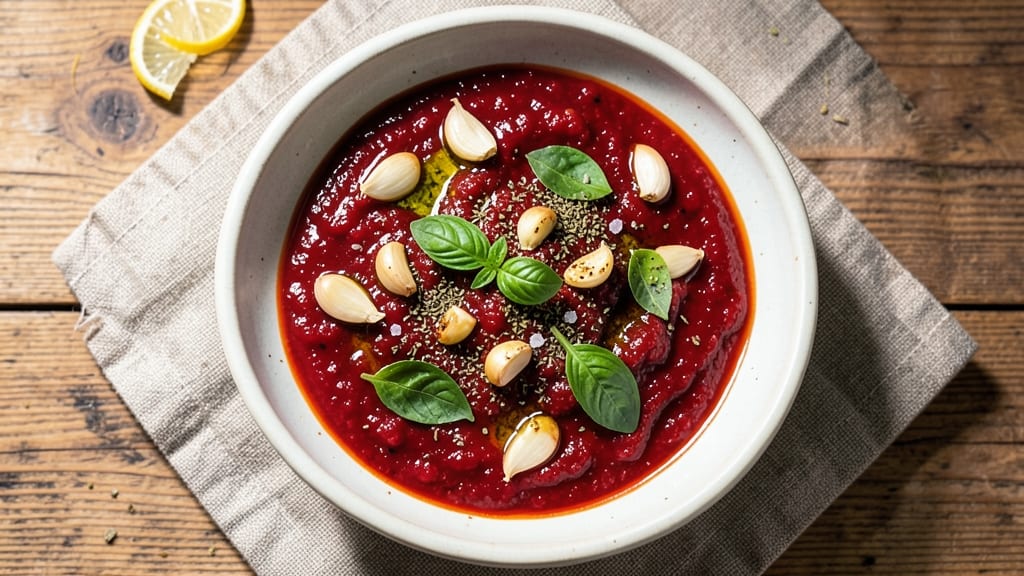
This pizza sauce recipe from fresh tomatoes delivers the bright, balanced flavor you can't get from canned versions—no blender required. 🌿 I developed it after years of working with tomatoes at farmers markets, where I learned to respect their natural sweetness and acidity without overpowering them.
The secret lies in slow simmering and proper seasoning, creating a sauce that's vibrant yet complex enough to stand up to cheese and toppings.
What sets this sauce apart is its simplicity and depth. Just six ingredients transform fresh tomatoes into a velvety, flavorful base that's perfect for homemade pizza. The key technique is simmering the sauce uncovered to develop concentrated tomato flavor while allowing excess moisture to evaporate.
This creates a sauce that's rich enough to coat a crust without being watery.
By the time you're done, you'll have a sauce that's bright red, fragrant with garlic and herbs, and perfectly balanced between sweet and tangy. The texture is smooth yet still retains some natural tomato texture from the crushing method, giving it a rustic quality that canned sauces lack.
This is the kind of sauce that makes homemade pizza taste like it came from a Neapolitan trattoria.
Store the sauce in the refrigerator for up to a week or freeze for months—it actually tastes better after a few days as the flavors meld. The best part?
You can make a big batch and keep it on hand for quick pizza nights. Let's get started on this sauce that will transform your pizza game forever.
Ingredients for recipe for pizza sauce from fresh tomatoes
Six ingredients transform fresh tomatoes into restaurant-quality pizza sauce without blending.
| Ingredient | Amount | Notes |
|---|---|---|
| Fresh Roma Tomatoes 🍅 | 2 lb | Crushed by hand, seeds removed |
| Extra-Virgin Olive Oil 🫒 | ¼ cup | High-quality, fruity variety |
| Garlic Cloves 🧄 | 4 cloves | Minced, not powdered |
| Fresh Basil Leaves 🌿 | ½ cup | Packed, stems removed |
| Dried Oregano 🍃 | 1 tsp | Mexican oregano preferred |
| Kosher Salt 🧂 | 1 tsp | Diamond Crystal preferred |
| Red Wine Vinegar 🍷 | 1 tbsp | For brightness, optional |
| Granulated Sugar 🍬 | 1 tsp | Balances acidity |
The tomatoes are the star—Roma tomatoes have fewer seeds and more flavor, but any ripe, firm tomatoes work. Farmers markets are best for quality, but grocery store tomatoes (like vine-ripened) can work in a pinch. Look for tomatoes that are heavy for their size and smell sweet at the stem end. I always buy a pound or two extra since they're the foundation. The crushing method (by hand or with a potato masher) preserves texture and prevents mushiness—no blender required for that authentic rustic quality. If you're using heirloom tomatoes, remove all seeds and skins for a cleaner sauce.
No fresh basil? Dried basil at half the amount works, but it won't have that bright, fresh flavor. Short on vinegar? A splash of lemon juice gives similar brightness. The sugar might seem odd, but it's crucial—it balances the natural acidity of tomatoes and prevents the sauce from tasting sharp. Coconut sugar or maple syrup can substitute if you prefer. For the olive oil, don't skimp—extra-virgin with fruity notes adds richness that cheap oil can't match. The garlic should be minced, not powdered—fresh garlic develops deeper flavor during simmering. If you're making a big batch, double the ingredients and store in portions.
This sauce tastes even better after a day or two as the flavors meld—make it ahead if you can. Store in the fridge for up to 1 week in an airtight container, or freeze for up to 3 months. For freezing, portion into ice cube trays first—perfect for quick pizza nights. The sauce thickens as it cools, so if it seems too thick after chilling, just stir in a splash of water. If you make extra, gift it to neighbors—everyone will ask for your secret. The sauce reheats beautifully, so it's perfect for meal prep.
Why You'll Love This Recipe
- No Chopping Chaos: This sauce starts with Roma tomatoes—just halve them, no dicing, no fuss. I swear, the first time I skipped chopping, I saved 15 minutes and still got that perfect, jammy texture.
- Sunshine in a Jar: That burst of fresh basil and garlic in olive oil? It’s like summer in every bite. The tomatoes soften into a sweet-tart base, but the herbs keep it bright—no heavy cans or artificial flavors here.
- Pantry to Party: Freeze half the batch for lazy nights or last-minute gatherings. It thaws in minutes and tastes like you slaved over it. (Between us, I’ve used it on bruschetta, stuffed shells, and even grilled chicken—no judgment.)
- Budget Magic: Fresh tomatoes and olive oil stretch farther than store-bought sauce. I make a big batch for $3 and feed my family for weeks. Plus, the leftovers? Always disappear before they spoil.
Step-by-step instructions for fresh tomato pizza sauce
This sauce delivers vibrant, fresh flavor without needing a blender—just a few simple techniques.
🍳 Step 1: Roast the Tomatoes for Deep Flavor
Preheat your oven to 425°F and line a baking sheet with parchment paper. Cut the 2 lb fresh Roma tomatoes in half lengthwise and place them cut-side down on the prepared sheet. Drizzle lightly with the 0.25 cup extra-virgin olive oil and sprinkle with 1 tsp kosher salt.
Roast for 20-25 minutes until the tomatoes collapse slightly and develop deep caramelized spots. The skin should be blistered in places, and you'll smell that rich, concentrated tomato aroma filling your kitchen. This roasting step intensifies the natural sweetness and mellows the acidity—no blender required for perfect texture.
👨🍳 Step 2: Crush and Strain the Tomatoes
Transfer the roasted tomatoes to a large bowl. Using your hands or a potato masher, gently crush them until you have a chunky, rustic sauce. I like to leave some texture here—it adds visual appeal and prevents the sauce from becoming too smooth.
Line a fine-mesh strainer with cheesecloth or a clean kitchen towel and place it over a medium bowl. Pour the crushed tomatoes through the strainer, pressing lightly with a wooden spoon to extract all the juices. Discard the skins and any large pulp pieces. You should have about 1½ cups of strained tomato pulp—this is your flavor foundation.
🍳 Step 3: Build the Sauce with Aromatics
Return the strained tomato pulp to the same bowl and set it over low heat on the stovetop. Add the 4 cloves minced garlic and 1 tsp dried oregano, stirring gently to combine. Let the mixture simmer for 5 minutes until the garlic is fragrant but not browned—this prevents bitterness.
Here's where the magic happens: Add the 1 tbsp red wine vinegar and 1 tsp granulated sugar. The vinegar brightens the sauce while the sugar balances the acidity. Stir in the 0.5 cup packed fresh basil leaves and let everything simmer together for another 3-4 minutes until the basil wilts and the flavors meld.
⏰ Step 4: Simmer and Season to Perfection
Reduce the heat to lowest setting and let the sauce simmer uncovered for 10-15 minutes. This slow reduction concentrates the flavors and creates a thicker, more intense sauce. Stir occasionally, but don't overwork it—you want to preserve that hand-crushed texture.
The sauce is ready when it coats the back of a spoon and has reduced by about 25%. Taste and adjust seasoning—you might need a pinch more salt or sugar depending on your tomatoes. Let it cool completely before using (it will thicken further as it sits). This sauce keeps beautifully in the refrigerator for up to 5 days—perfect for making ahead for your next pizza night.
Pro Tips For Making Recipe For Pizza Sauce From Fresh Tomatoes
- COOK TOMATOES LOW AND SLOW: Roma tomatoes break down fast—too fast. Simmer them at a gentle boil (small bubbles, maybe 15-20 minutes) instead of rushing them. I used to blast the heat and ended up with a watery, mushy mess. The sauce thickens as it cools, but patience here keeps it rich and jammy.
- SALT THE GARLIC WATER: Before mincing garlic, soak the cloves in warm water with a pinch of salt for 10 minutes. This softens them without burning, and the flavor mellows out—no more bitter aftertaste. (Yes, even if you're impatient like me, trust the process.)
- SKIP THE PEELING: Roma skins are thin and tender—peeling them is a waste of time unless they’re tough or bruised. A quick rinse under cold water after blanching removes any loose skins naturally. I learned this the hard way after peeling 20 tomatoes for nothing.
- FINISH WITH COLD BASIL: Toss in fresh basil leaves at the very end, off the heat. They wilt instantly but keep their bright flavor—no need to chop them. (Does it look weird? Yes. Does it work? Every single time.) The heat from the sauce will infuse them without cooking out their aroma.
Troubleshooting this dish
Watery Sauce Fix
If your sauce turns out too thin after simmering, don't panic—this is often caused by overcrowding the pan or using tomatoes with high water content. I've found that heirloom tomatoes or overly ripe grocery store tomatoes can be especially problematic.
For immediate fixes, simmer uncovered on medium-low heat for an extra 5-10 minutes to evaporate excess moisture. For a thicker sauce, stir in 1 tsp cornstarch or tomato paste mixed with 1 tbsp water—simmer for 2 minutes until thickened. 🌡️
Underseasoned Sauce
Fresh tomatoes can be deceptively mild, especially when roasted.
If your sauce tastes bland, focus on balancing the four key flavors: salt (add ¼ tsp at a time), acidity (extra ½ tsp red wine vinegar or lemon juice), sweetness (¼ tsp sugar), and umami (a pinch of MSG or 1 tbsp tomato paste).
I always taste as I go—this sauce should sing with bright, complex flavors, not just tomato. The secret is patience: let it sit for 10 minutes off heat before tasting again.
Bitterness Issues
Overcooked garlic or tomatoes can turn your sauce bitter. If you notice this, immediately remove the pan from heat and stir in ½ tsp sugar to counteract the bitterness. For future batches, watch your simmer time closely—garlic should be fragrant but never browned.
If using heirloom tomatoes, roast them for 15-20 minutes instead of the full 25 minutes—they concentrate flavor faster. A splash of orange juice (just ½ tsp) can also help brighten the flavor profile. 💡
Lumpy Texture
If your sauce has stubborn lumps despite straining, it's likely from overworking the tomatoes or using too much pulp. For a smoother texture without blending, press the strained pulp through a fine-mesh sieve with a spoon.
If you skipped straining, simmer the sauce longer (up to 20 minutes) to break down fibers naturally. For rustic texture lovers, embrace the chunks—they add beautiful visual appeal and prevent a pasty consistency.
I've found that Roma tomatoes crush more evenly than other varieties, so they're ideal for this technique.
Overly Acidic Sauce
If your sauce tastes sharp or sour, it's likely from using too much vinegar or overly acidic tomatoes. Balance it by adding ½ tsp sugar or 1 tsp honey to sweeten the acidity. For future batches, reduce vinegar to ½ tbsp and taste before adding all of it.
If your tomatoes are particularly tart (like cherry tomatoes), roast them for 5 minutes longer to mellow the acid. A pinch of baking soda (just ⅛ tsp) can neutralize acidity in a pinch, but use sparingly—it can make the sauce taste flat. 🍷
Sauce Too Thick
If your sauce is too thick after simmering, it likely reduced too much. Thin it gently with 1-2 tbsp warm water or tomato juice, stirring constantly. For a smoother consistency, blend briefly with an immersion blender (just 5 seconds) to break up any remaining texture.
Remember, this sauce should coat the back of a spoon but still be spreadable—not glue-like. If you've already used it on pizza, simply add a splash of water to the remaining sauce and reheat gently. The texture will adjust as it cools further.
Nutrition facts
Frequently asked questions
Can I use any tomatoes for this pizza sauce?
Roma tomatoes are ideal because they're meaty with fewer seeds, but any ripe, firm tomatoes work. Avoid overly watery varieties like beefsteak. For grocery store tomatoes, look for vine-ripened labels. Heirloom tomatoes need extra straining since they're juicier, while cherry tomatoes can be used but may require longer roasting (25-30 minutes) to develop flavor.
Why do you strain the tomatoes?
Straining removes skins and seeds, creating a smoother sauce with concentrated flavor. The cheesecloth also filters out excess liquid, preventing a watery final product. If you skip straining, you'll get a rustic texture with more texture—great for traditionalists! For a middle ground, press the crushed tomatoes through a fine-mesh sieve instead of straining completely.
How do I adjust this sauce for different pizza styles?
For Neapolitan-style pizza, reduce the basil slightly (¼ cup) and add ½ tsp tomato paste for depth. For New York-style, thin the sauce with 1 tbsp water and add ½ tsp onion powder. The sauce works for flatbreads too—just reduce it by 15% since the crust is thinner. Always taste and adjust seasoning after simmering.
Can I make this sauce without roasting?
Yes! Simmer the crushed tomatoes uncovered for 15-20 minutes on medium heat instead of roasting. This method works well for quick versions. For extra flavor, add 1 tsp tomato paste or a pinch of smoked paprika. The roasting step primarily concentrates flavor and mellows acidity, so simmering longer achieves similar (though slightly less intense) results.
What's the best way to store leftover sauce?
Transfer cooled sauce to airtight containers. It keeps 5-7 days in the fridge or 3 months frozen. For freezing, portion into ice cube trays first—perfect for quick pizza nights. Thaw overnight in the fridge. The sauce actually improves with time as flavors meld, so make extra! If it thickens after chilling, stir in 1 tsp water before using.