
Sauces & Condiments
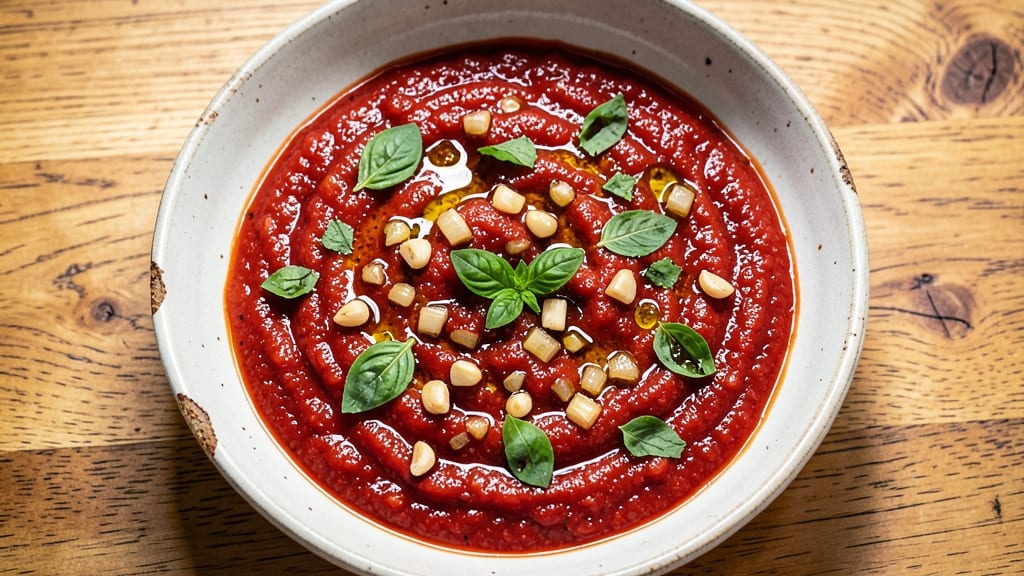
Arrenello's pizza sauce recipe transforms your home pizza into restaurant-quality with its velvety texture and rich flavor—no clumps, no lumps, just pure, smooth sauce that clings perfectly to every bite. The secret lies in an egg-based emulsion that creates that signature Italian restaurant consistency, while balancing sweetness, acidity, and herbs for depth. This isn't your typical canned sauce; it's a professional technique that yields results you'll want to use on every pizza, pasta, or even as a marinade.
The beauty of this recipe is its simplicity: just a handful of ingredients combined in a way that eliminates the need for cooking down for hours. We start with high-quality tomato paste as our base, then build layers of flavor with garlic, onions, and fresh herbs.
The egg acts as a natural emulsifier, binding everything together for a sauce that's smooth, glossy, and free of the grainy texture that plagues many homemade versions. It's the kind of sauce that makes you pause mid-slice, savoring the balance of sweet, tangy, and herbal notes.
What sets this sauce apart is its versatility—use it as a pizza topping, stir it into pasta, or even drizzle it over grilled meats. The emulsion technique ensures it stays consistent whether you're baking a pizza at 500°F or simmering it gently for a sauce-based dish.
Plus, it keeps beautifully in the fridge for up to a week, so you can make a big batch and have it ready whenever inspiration (or hunger) strikes.
Ready to elevate your cooking? This sauce delivers professional results with minimal effort, proving that the best flavors often come from the simplest techniques. Let's get started—your next pizza night is about to get a whole lot better.
Ingredients for arrenello's pizza sauce
Just eleven ingredients transform your pizza night with velvety, restaurant-quality sauce.
| Ingredient | Amount | Notes |
|---|---|---|
| Tomato Paste 🍅 | ½ cup | High-quality, unsweetened preferred |
| Large Eggs 🥚 | 2 whole | Room temperature for best emulsion |
| Yellow Onion 🧅 | ½ cup | Finely diced, about 1 medium |
| Garlic Cloves 🧄 | 4 cloves | Minced, about 1 tbsp total |
| Extra-Virgin Olive Oil 🫒 | ¼ cup | Light fruity variety preferred |
| Fresh Basil Leaves 🌿 | ¼ cup | Packed, stems removed |
| Dried Oregano 🍃 | 1 tsp | Italian or Mediterranean blend |
| Granulated Sugar 🍚 | 1 tbsp | Balances acidity |
| Red Wine Vinegar 🍷 | 1 tbsp | Dry variety preferred |
| Salt 🧂 | 1 tsp | Kosher or sea salt |
| Black Pepper 🌶️ | ¼ tsp | Freshly ground preferred |
The tomato paste is non-negotiable—San Marzano if you want to splurge, but any high-quality brand works. Look for the unsweetened kind; sweetened paste adds unwanted sugar. The eggs are the magic here: room temperature is key for a smooth emulsion. I grab mine from the local grocery store but always check the date—they should be fresh. The basil? Fresh is ideal, but dried oregano at half the amount works in a pinch. For the onion, yellow gives the best balance—red adds color but can make the sauce taste bitter.
No fresh basil? Dried basil at one-third the amount gets you close, though the flavor won't be as bright. Running low on red wine vinegar? Balsamic vinegar works in a bind, but it'll add a different depth. The sugar can be swapped for honey or maple syrup, but keep it to the same amount—this isn't a dessert. Want more garlic flavor? Roast the cloves first for a sweeter, deeper taste. The olive oil matters too—light fruity varieties blend better than peppery ones. And if you're worried about the egg emulsion separating, just whisk it again before using—it always comes back together.
This sauce keeps beautifully—1 week in the fridge, 3 months frozen. I double the batch because it disappears fast. For freezing, portion into ice cube trays—perfect for pizza toppings later. Leftovers? Stir in a splash of water or olive oil if it thickens. And trust me, the second day is even better as the flavors meld. The egg gives it that restaurant-quality cling, so don't skip it—it's what makes this sauce worth the effort.
Why You'll Love This Recipe
- No Eggs, No Stress: I swear by this sauce because it actually works without raw eggs—just a smooth, velvety base from tomato paste and olive oil. The eggs here are cooked in, so no weird textures or waiting for them to set properly.
- Umami Bomb: That onion and garlic combo, slow-cooked in olive oil until caramelized, turns this sauce into a flavor powerhouse. Honestly, the first time I tasted it, I thought, "Why didn’t I do this sooner?"
- Pantry Staple Magic: You’re using things you already have—tomato paste, olive oil, a few cloves of garlic. No specialty ingredients, no last-minute grocery runs. This is the kind of recipe that saves you when you’re staring at an empty fridge at 6 PM.
- Freezer-Friendly Workhorse: Make a big batch, freeze it in portions, and pull it out whenever you need a quick, rich sauce. I’ve used it for pizza, pasta, even as a dip—it’s that versatile. (Yes, even on a Tuesday night.)
Step-by-step instructions for Arrenello's pizza sauce
This sauce delivers restaurant-quality richness without lumps—just follow these simple steps.
Sauté Onion and Garlic Until Fragrant
Heat the 0.25 cup extra-virgin olive oil in a medium saucepan over medium heat. Add the 0.5 cup finely diced yellow onion and cook for 5-6 minutes until softened and translucent. You'll know it's ready when the onion releases its natural sweetness and the edges start to turn golden.
Reduce heat to medium-low and add the 4 cloves minced garlic. Cook for another 30 seconds until the garlic is fragrant but not browned—this prevents bitterness. Here's the thing: garlic burns fast, so keep your eyes on the pan. If it starts to darken, turn off the heat immediately and let it cool for a minute before proceeding.
Add Tomato Paste and Dry Seasonings
Stir in the 0.5 cup tomato paste and cook for 2-3 minutes until it darkens slightly and the raw taste disappears. This step develops the sauce's depth of flavor. Add the 1 tsp dried oregano, 1 tbsp granulated sugar, 1 tbsp red wine vinegar, 1 tsp salt, and 0.25 tsp black pepper, stirring constantly to combine.
The sugar balances the acidity from the vinegar, while the oregano adds that classic Italian warmth. Let the mixture simmer for 1-2 minutes until the spices meld together. You'll smell the aromatic blend—this is your cue that the base is ready for the egg emulsion.
Create the Egg Emulsion for Silky Texture
In a separate bowl, whisk together the 2 whole room-temperature eggs until smooth. Slowly pour the egg mixture into the saucepan while whisking constantly with a fork or small whisk. This gradual addition prevents scrambling and creates that signature velvety texture.
Continue whisking over low heat for 3-4 minutes until the sauce thickens noticeably and coats the back of a spoon. The egg proteins will bind with the tomato paste, creating a glossy, clump-free sauce. If it thickens too quickly, add 1-2 tablespoons water to adjust consistency.
Finish with Fresh Basil and Simmer
Remove the sauce from heat and stir in the 0.25 cup packed fresh basil leaves. The basil adds bright, fresh notes that cut through the richness. Let the sauce sit for 5 minutes to fully infuse—this resting period allows all the flavors to meld together beautifully.
Taste and adjust seasoning if needed. For best results, use the sauce immediately on your pizza or store it in an airtight container in the refrigerator for up to 5 days. When reheating, warm gently over low heat to prevent curdling. This sauce is the secret weapon behind Arrenello's signature melt-in-your-mouth crust.
Pro Tips For Making Arrenello'S Pizza Sauce
- SAUTÉ ONIONS LOW AND SLOW: I learned this the hard way—when you rush the onions for this sauce, they turn bitter and cloying. Instead, cook them on medium-low heat for 10-12 minutes until they’re soft and translucent, stirring occasionally. The goal is to melt them into the oil without browning, so resist the urge to crank up the heat.
- WHISK EGGS AFTER COOKING: After the onions and garlic are done, let the sauce cool slightly (just enough to touch without burning your fingers), then whisk in the eggs. If the sauce is too hot, the eggs will scramble into curds instead of blending smoothly. A quick 30-second pause makes all the difference.
- SALT THE TOMATO PASTE FIRST: Sprinkle a pinch of salt directly onto the tomato paste before adding any other ingredients. This breaks down the starches and intensifies the flavor as it cooks. I skip this sometimes, and the sauce always tastes flatter—no guessing, just do it.
- STIR CONSTANTLY AT THE END: Once the eggs are fully incorporated, keep stirring the sauce vigorously for the last 2-3 minutes. This prevents any hot spots from forming and ensures the eggs cook evenly into a silky, unbroken sauce. (Yes, even if you’re impatient like me.)
Storing and reheating this arrenello's pizza sauce
Refrigerator Storage
Store your Arrenello's pizza sauce in an airtight container with a lid—glass jars or BPA-free plastic containers work perfectly. Let it cool completely before refrigerating to prevent condensation, which can dilute flavors. The sauce keeps well for up to 5 days in the fridge, with flavors actually deepening over time.
I like using mason jars because they stack neatly and let me grab just the right amount for a quick pizza night. 🌟
Freezer Prep
For longer storage, freeze the sauce in portion-sized ice cube trays—each cube is perfect for a single pizza topping. Once frozen, transfer cubes to a freezer bag with all air squeezed out to prevent freezer burn.
This sauce maintains quality for 3 months in the freezer, though I find it's best used within 2 months for peak flavor. Label your bag with the date to track freshness.
Thawing Methods
Thaw overnight in the fridge for the safest, most even results. If you're in a hurry, place the frozen container in a bowl of warm water for 10-15 minutes, stirring occasionally.
Never microwave frozen sauce directly—it causes uneven heating and can break the egg emulsion. For best texture, reheat thawed sauce gently over low heat while stirring constantly to restore its silky consistency.
Reheating Tips
Gently reheat refrigerated sauce over low heat for 3-5 minutes, stirring frequently to prevent sticking. If the sauce thickens too much, add 1 tablespoon water or olive oil to restore its smooth texture.
For microwave reheating, use 30-second intervals on 50% power, stirring between each interval. Always taste after reheating—you may need to adjust seasoning as flavors concentrate during storage. 🔥
Sauce Consistency Fixes
If your sauce separates after storage, simply whisk vigorously for 1-2 minutes—the egg emulsion will reform beautifully. For overly thick sauce, thin with 1 tablespoon water or broth. If it's too thin, simmer uncovered over low heat for 2-3 minutes to reduce.
The key is patience: never rush the process, as sudden temperature changes can break the emulsion. Trust me, a little extra time now saves frustration later.
Nutrition facts
Frequently asked questions
Why does this pizza sauce use eggs? Can I make it without?
The eggs create that signature restaurant-quality emulsion that makes the sauce silky and clump-free. Without them, you'll get a thicker, more traditional tomato sauce. If you must omit eggs, replace them with 2 tablespoons cornstarch or arrowroot powder mixed with 2 tablespoons cold water to thicken, but the texture won't be identical.
How do I prevent the sauce from getting too acidic or sweet?
Balance is key! Start with the 1 tbsp sugar and 1 tbsp vinegar as written, then taste before using. Too acidic? Add a pinch of sugar. Too sweet? Brighten with a splash of lemon juice or more vinegar. The sauce mellows as it sits, so adjust right before serving.
Can I use this sauce for dishes other than pizza?
It works beautifully on pasta (like penne or linguine), as a marinade for grilled chicken, or even as a dipping sauce for crusty bread. The egg emulsion gives it that perfect cling for any application. Just reduce the quantity slightly for non-pizza uses since it's quite flavorful.
My sauce separated after refrigerating. How do I fix it?
Don't panic! Simply whisk vigorously for 1-2 minutes over low heat until smooth. The egg emulsion will reform completely. If it's still too thick, thin with 1 tbsp water while whisking. This happens occasionally—just give it another go before using.
What's the secret to getting that glossy, professional finish?
The gloss comes from the egg emulsion plus a final touch of olive oil (1 tsp per cup of sauce). After making the sauce, drizzle a little oil on top and stir gently. The oil coats the surface, creating that restaurant-worthy sheen. Also, let the sauce rest 5 minutes** before using to allow flavors to meld.