
Sauces & Condiments
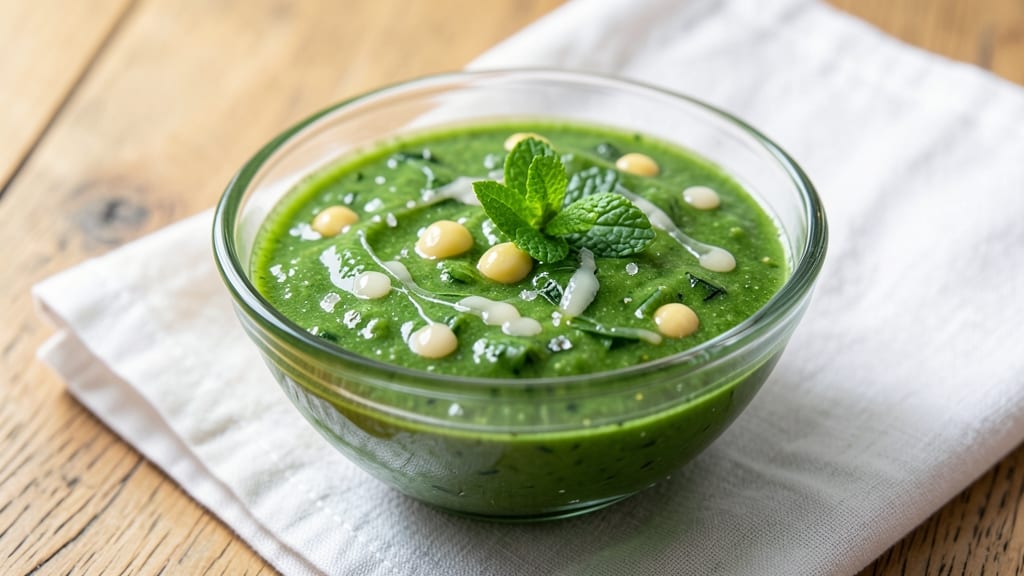
This British mint sauce recipe delivers the classic herb brightness that elevates roast lamb from ordinary to extraordinary. 💛 The perfect balance of fresh mint, tangy vinegar, and just enough sweetness creates a sauce that's as versatile as it is traditional—ideal for drizzling over lamb, pairing with roasted vegetables, or even brightening up sandwiches.
The secret lies in the simplicity of the ingredients: fresh mint leaves, white wine vinegar, sugar, and a touch of butter. Unlike many modern shortcuts, this sauce relies on traditional techniques to develop its signature flavor—no artificial colors or preservatives, just pure, herbaceous goodness.
The process is straightforward, requiring just a few minutes of prep and a little patience for the flavors to meld.
What you'll end up with is a vibrant green sauce that's tangy, slightly sweet, and packed with fresh mint flavor. It's the kind of sauce that transforms a simple roast into a restaurant-worthy meal, adding a bright contrast to rich, savory dishes.
The best part? It keeps beautifully in the fridge for up to a week, so you can make a batch ahead and have it ready whenever you need it.
Whether you're serving a Sunday roast or adding a pop of freshness to a summer salad, this classic British mint sauce is a must-have in your culinary arsenal. Let's get started on making it!
Ingredients for british mint sauce
Four simple ingredients transform into the quintessential British mint sauce—vibrant, tangy, and full of herbaceous charm.
| Ingredient | Amount | Notes |
|---|---|---|
| Fresh Mint Leaves 🌿 | 1 cup | Packed, stems removed |
| White Wine Vinegar 🍷 | ½ cup | Dry variety preferred |
| Granulated Sugar 🍚 | ¼ cup | White or light brown |
| Unsalted Butter 🧈 | 2 tbsp | Cold, cubed for blending |
| Salt 🧂 | ¼ tsp | Fine sea salt preferred |
| Fresh Lemon Juice 🍋 | 1 tbsp | Optional for brightness |
The mint leaves are non-negotiable here—farmers market mint has the most vibrant flavor, but grocery store mint works too, just make sure the leaves are bright green and not wilted. For vinegar, dry white wine vinegar gives the best balance, but apple cider vinegar adds a nice twist if you prefer. The butter should be cold when you add it—this keeps the sauce from separating. I always buy European-style butter (like Plugrá) for that extra richness, but regular unsalted works perfectly fine. If you're using salted butter, skip the extra salt in the recipe.
No fresh mint? Dried mint at half the amount will work in a pinch, but it won’t have that same fresh, bright punch. Short on white wine vinegar? Rice vinegar or balsamic vinegar both work, though the flavor will shift slightly. The sugar can be swapped for honey or maple syrup if you prefer a more complex sweetness. Lemon juice is optional but adds a lovely brightness—skip it if you're serving with something already citrusy, like roasted fish. For a smoother texture, pulse everything in a food processor, but a fork works just as well if you're going for a rustic finish.
This sauce keeps beautifully in the fridge for up to 1 week if stored in an airtight jar. The color might darken slightly, but the flavor stays fresh. For longer storage, freeze portions in ice cube trays—perfect for adding a pop of flavor to future meals. If the sauce thickens too much, just whisk in a splash of water or vinegar to loosen it up. Trust me, it’s worth making a big batch—you’ll find yourself reaching for it more often than you think.
Why You'll Love This Recipe
- Five-Ingredient Magic: Honestly, this sauce is one of those rare recipes where you don’t even need a recipe—just eyeball the fresh mint, splash in vinegar, and stir. The sugar and butter balance the sharpness like a dream, and I’ve made it while chatting on the phone. No measuring cups, no stress.
- Bright & Tangy: That first taste of cool mint cutting through the buttery richness? Chef’s kiss. The white wine vinegar keeps it light, not cloying, and the pinch of salt makes it sing—perfect for roast lamb or grilled veggies. It’s the kind of sauce that makes you take an extra bite just to savor it.
- Party-Ready Secret: Between us, this is my go-to for last-minute gatherings. It’s elegant enough for a Sunday roast but unfussy enough for a weeknight dinner. Plus, it doubles in minutes, so I always have backup for when guests linger (or my kids "accidentally" eat the main course).
- No-Waste Pantry Hero: I swear by this for stretching meals—drizzle it over cold roast beef, toss it into a grain bowl, or even stir it into yogurt for a dip. The leftovers keep for weeks in the fridge, and the ingredients? You’re already buying them. Butter, vinegar, sugar—it’s the kind of sauce that makes you feel like you’re feeding a crowd without breaking the bank.
Step-by-step instructions for British mint sauce
Here's how to make this quintessential British sauce—bright, herby, and perfect for lamb.
🍳 Step 1: Blend Mint and Vinegar to Release Flavors
In a food processor, combine the 1 cup packed fresh mint leaves with the 0.5 cup white wine vinegar. Pulse until the mint is finely chopped but not completely liquefied—you want visible texture. Stop before it turns into a smooth paste; we'll blend it further later.
This initial blending releases the mint's vibrant oils and ensures even distribution. You'll notice the mixture smells intensely fresh—the foundation of that classic British flavor. If using stems, remove them first as they're bitter and fibrous.
👨🍳 Step 2: Sweeten and Season the Mixture
Add the 0.25 cup granulated sugar, 2 tablespoons cold cubed butter, and 0.25 teaspoon salt to the processor. Pulse again until the butter is incorporated but still visible as small chunks. This creates pockets of richness that balance the bright vinegar.
For extra brightness, add the 1 tablespoon fresh lemon juice now. Taste the mixture—it should be tangy, sweet, and herby, but not overly sharp. If it needs more sweetness, add a pinch more sugar; if too tart, a splash more vinegar. The sauce should coat your spoon with a glossy sheen.
🥘 Step 3: Process Until Smooth and Glossy
With the processor running, slowly pour in 2-3 tablespoons of cold water (start with 2) through the feed tube. This helps emulsify the sauce and creates that signature silky texture. Process for 1-2 minutes until completely smooth, scraping down the sides as needed.
Here's the thing—don't over-process or the sauce will turn bitter. You're looking for a velvety consistency that clings to spoons. If it looks too thick, add another tablespoon of water. The final texture should be like a thick syrup—thin enough to drizzle but substantial enough to coat.
⏰ Step 4: Rest and Adjust for Perfect Balance
Transfer the sauce to a bowl and let it sit at room temperature for 10-15 minutes. This resting period allows flavors to meld and the sauce to thicken slightly. Taste again—you might need to adjust the balance between sweet, tart, and herby notes.
For extra richness, stir in an additional 1 teaspoon butter if desired. The sauce should be vibrant green with a glossy finish. If you skipped the lemon juice, now's your last chance to add it for brightness. Once satisfied, transfer to a clean jar and refrigerate for up to 1 week.
Pro Tips For Making British Mint Sauce
- STACK THE MINT: I used to just rough-chop mint leaves, but stacking them like a deck of cards before slicing keeps them intact and releases more oil—no tiny floating bits in your sauce. (Yes, it looks silly, but trust me.)
- WHISK THE BUTTER FIRST: Melt the butter first, then whisk it into the vinegar-sugar mix while still warm—this emulsifies the sauce instantly instead of waiting for it to separate later. (Cold butter = sad, lumpy sauce.)
- SALT THE VINEGAR: Add half the salt to the vinegar before combining with anything else. The acid softens the butter better, and the flavor balances out more evenly. (I learned this after making sauce that tasted one-note.)
- STRAIN OR DON’T: If you hate straining, don’t—just blend the mint finely and let the texture be chunky. If you want silky smooth, strain through a fine-mesh sieve, but save the pulp for cocktails. (No wrong answers here.)
Health benefits of these flavors
Digestive Aid
Fresh mint is a natural digestive aid, helping to soothe stomach discomfort and reduce bloating. The menthol in mint relaxes gastrointestinal muscles, making it particularly effective after rich meals like roast lamb. I've found that a spoonful of this sauce with lamb helps me digest heavier dishes more comfortably. 💛
Antioxidant Boost
Mint contains powerful antioxidants like rosmarinic acid and flavonoids that combat oxidative stress in your body. The white wine vinegar adds acetic acid, which may help regulate blood sugar levels. Together, these ingredients create a sauce that's not just delicious but also supports overall health.
Hydration Helper
The water content in mint helps maintain hydration, which is especially important after consuming rich, protein-heavy meals. The vinegar component also contributes to electrolyte balance. I always keep a jar of this sauce on hand during summer months when hydration is key.
Rich in Vitamin K
Fresh mint provides a surprising amount of vitamin K, essential for blood clotting and bone health. Just 1 cup of mint leaves contains about 14% of your daily vitamin K needs. This makes the sauce not only flavorful but also a subtle nutritional boost to your meal.
Low-Calorie Flavor
At just 30 calories per serving (about 2 tablespoons), this sauce delivers big flavor without the calories. The sugar content is minimal, making it a great choice for those watching their sugar intake. I often use it as a lighter alternative to heavy cream sauces.
Mood Enhancer
The aroma of fresh mint has been shown to reduce stress and improve mood. The scent alone can create a calming effect, while the tangy-sweet flavor provides a satisfying contrast to rich meats.
I love serving this sauce with lamb during family gatherings—it always brings a sense of comfort and joy to the table. ✨
Nutrition facts
Frequently asked questions
Can I make British mint sauce without a food processor?
For a rustic version, finely chop 1 cup of mint leaves by hand using sharp scissors or a knife. Place them in a bowl with the 0.5 cup white wine vinegar, 0.25 cup sugar, and 0.25 tsp salt. Mash the mint with a fork until combined, then stir in the 2 tbsp cold butter until melted and smooth. Add 2 tbsp water to thin as needed. The texture will be slightly chunkier but still delicious!
How do I store leftover mint sauce?
Transfer the sauce to an airtight glass jar and refrigerate for up to 1 week. The color may darken slightly, but the flavor stays fresh. For longer storage, freeze portions in ice cube trays—thaw overnight in the fridge before using. If the sauce thickens, whisk in a splash of vinegar or water to restore consistency. Always store it away from strong-smelling foods to preserve its vibrant flavor.
What’s the best way to use up extra mint sauce?
This versatile sauce works beautifully with roast lamb, grilled vegetables, or even as a dip for crudités. Try it on lamb burgers, mixed into yogurt-based dips, or drizzled over pasta with mint pesto. For a creative twist, stir a spoonful into homemade mayo for sandwiches or use it to glaze roasted carrots. The possibilities are endless!
Why did my mint sauce turn bitter?
Over-processing or using wilted mint are the most common causes. To fix it, stir in 1 tsp lemon juice or a pinch more sugar to balance the flavors. For future batches, use fresh, bright mint leaves and pulse just until smooth—don’t over-blend. If the bitterness persists, start over with fresh ingredients. The sauce should taste tangy, sweet, and herby, not sharp or unpleasant.
Can I substitute apple cider vinegar for white wine vinegar?
Yes, but expect a slightly different flavor profile. Apple cider vinegar adds a subtle sweetness and depth, making the sauce taste more complex. For best results, reduce the sugar by 1 tbsp to balance the natural sweetness. If you prefer a cleaner, sharper taste, stick with white wine vinegar. Both work well—it’s all about personal preference!