
Sauces & Condiments
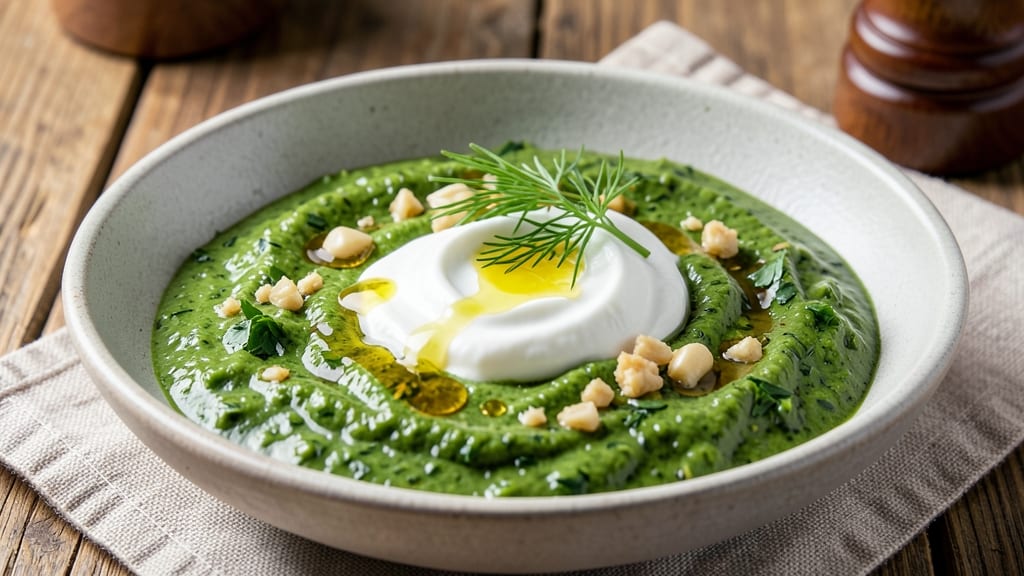
This all-purpose green sauce recipe transforms simple ingredients into a creamy, versatile condiment that elevates everything from pasta to grilled meats.
The secret lies in blending fresh celery crowns for subtle crunch with bright herbs and a touch of acidity—creating a sauce that works across Mediterranean, Latin American, and Asian-inspired dishes. What sets this apart is its balance: rich enough to stand alone, yet light enough to drizzle without overpowering.
Start with a base of blended herbs, garlic, and olive oil, then fold in finely chopped celery crowns for texture and a splash of lemon juice for brightness. The sauce thickens naturally as it sits, making it perfect for meal prep.
Unlike store-bought versions, this one stays fresh for up to a week in the fridge, with flavors deepening over time—a testament to its quality ingredients.
Use it as a marinade for chicken or fish, toss it with warm pasta, or serve it alongside roasted vegetables for a fresh contrast. The celery crowns add a delicate crunch that cuts through rich dishes, while the herby creaminess ties everything together.
This isn’t just a sauce—it’s a flavor multiplier that turns simple meals into standout dishes.
For extra versatility, adjust the acidity with vinegar or lime for different cuisines, or swap in fresh basil for parsley depending on your preference. The possibilities are endless, but the foundation remains the same: a creamy, herb-forward sauce that’s as practical as it is delicious. Let’s make it.
Ingredients for all purpose green sauce
Nine ingredients blend into a creamy, herb-forward sauce that transforms any dish.
| Ingredient | Amount | Notes |
|---|---|---|
| Fresh Parsley Leaves 🌿 | 1 ½ cups | Packed, stems removed for maximum flavor |
| Fresh Celery Crowns 🧅 | 1 cup | Finely chopped for delicate crunch |
| Garlic Cloves 🧄 | 4 cloves | Peeled, roughly chopped for robust flavor |
| Extra-Virgin Olive Oil 🫒 | ½ cup | High-quality, fruity variety for richness |
| Fresh Lemon Juice 🍋 | ¼ cup | Freshly squeezed for bright acidity |
| Plain Greek Yogurt 🥛 | ½ cup | Full-fat for optimal creaminess |
| Fresh Dill Weeds 🌿 | ¼ cup | Chopped, stems removed for freshness |
| Diamond Crystal Kosher Salt 🧂 | ½ tsp | Fine grain for precise seasoning |
| Freshly Ground Black Pepper 🌶️ | ¼ tsp | Freshly cracked for aromatic depth |
| Ice Water 💧 | ¼ cup | For adjusting consistency |
The celery crowns and parsley are the flavor anchors—fresh market produce delivers the best texture and brightness. For celery, look for crisp stems with vibrant green tops; the crowns should snap easily when bent. Whole Foods or local farmers markets often carry the freshest herbs, but even grocery store parsley works if it's bright and firm. The Greek yogurt is non-negotiable for creaminess; Fage or Siggi's full-fat versions elevate the sauce's richness. Garlic should be firm and odorless—avoid any sprouting cloves. Pre-chop everything to streamline blending, but keep the celery crowns slightly larger for that signature crunch.
No fresh dill? Substitute with 1 tablespoon dried dill, but reduce the amount by one-third. Short on lemon juice? White wine vinegar or apple cider vinegar work in a pinch, though the flavor profile shifts slightly. The olive oil quality matters—California avocado or Italian extra-virgin brands add nuanced fruity notes. For a lighter texture, increase the ice water by 1 tablespoon increments until you reach the desired consistency. Storage containers? Glass jars preserve freshness better than plastic, and a thin layer of olive oil on top prevents oxidation when refrigerated.
This sauce thickens as it sits—stir before each use for even consistency. Store in an airtight container in the refrigerator for up to 7 days, with flavors deepening over time. Freeze in ice cube trays for single-serving portions, then transfer to a bag for 3 months. The celery crowns soften slightly when reheated, but the sauce remains vibrant when served at room temperature. Perfect for meal prep: double the batch and portion into containers for easy access throughout the week.
Why You'll Love This Recipe
- No-Chop Nightmare: I swear by this—just pulse the celery crowns and parsley in a food processor, no dice needed. The garlic and lemon juice blend right in, and honestly? I’ve made it with tired, overcooked veggies from the fridge, and it still tastes like I put in effort.
- Bright, Zesty Magic: That lemon juice cuts through everything—grilled chicken, roasted potatoes, even plain toast. The olive oil keeps it silky, but the parsley and celery give it this fresh, almost Mediterranean punch. It’s the kind of sauce that makes you want to eat whatever you’re serving just to taste it again.
- Pantry Staple Hero: Between us, this is my go-to for when I’m out of everything else. Drizzle it on pasta, toss it with beans, or even mix it into mayo for sandwiches. I’ve even used it to revive sad takeout leftovers—works every time.
- Lasts for Days: I make a big batch on Sundays and keep it in the fridge for a week. The flavors actually deepen over time, and it’s cheaper than buying store-bought sauces. Plus, it’s one of those recipes where the more you make, the less you notice the cost of fresh herbs.
Step-by-Step instructions for celery crown green sauce
Create a velvety herb base with sharp celery crown crunch for versatile flavor.
Pulse Celery Crowns and Herbs to a Fine Texture
In a food processor fitted with the metal blade, combine the 1 cup fresh celery crowns, 1.5 cups fresh parsley leaves, 0.25 cup fresh dill weeds, and 4 cloves garlic cloves. Pulse in short bursts until you achieve a coarse chop—about 10-12 pulses—leaving some texture for that signature crunch. Avoid over-processing or you'll lose the celery's delicate bite.
This initial texture sets the foundation for your sauce's two distinct layers: the creamy herb base and the sharp celery crown crunch. The celery crowns should be finely chopped but still recognizable as individual pieces when you taste them. Transfer the mixture to a medium bowl and set aside.
Whisk in Olive Oil and Lemon Juice for Emulsion
To the herb mixture, add the 0.5 cup extra-virgin olive oil and 0.25 cup fresh lemon juice. Using a whisk, combine vigorously for 2-3 minutes until the mixture becomes emulsified and thickens slightly. You'll notice the oil and lemon juice integrate completely, creating a vibrant green paste.
The lemon juice brightens the flavors while the olive oil binds everything together. This step is crucial for developing the sauce's creamy texture without using dairy. Whisking thoroughly ensures no pockets of oil remain, which could make the sauce separate later. Taste and adjust seasoning with 0.5 tsp diamond crystal kosher salt and 0.25 tsp freshly ground black pepper—this is your flavor baseline.
Incorporate Greek Yogurt for Creamy Consistency
Add the 0.5 cup plain Greek yogurt to the herb-oil mixture and whisk again for 1-2 minutes until fully combined and smooth. The yogurt should create a thick, creamy consistency similar to a loose pesto. If the mixture appears too thick, gradually add ice water, 1 tablespoon at a time, until you reach a spreadable consistency that coats the back of a spoon.
Here's where the sauce transforms from a raw herb mixture into a cohesive, restaurant-quality condiment. The yogurt provides richness and creaminess while maintaining the fresh herb profile. The ice water acts as a neutral diluent to achieve the perfect balance—too thin and it loses body; too thick and it becomes unspreadable. Aim for a texture that's smooth yet still holds its shape when drizzled.
Rest and Adjust for Perfect Balance
Cover the bowl with plastic wrap and let the sauce rest at room temperature for 15-20 minutes. This resting period allows the flavors to meld and the texture to stabilize. After resting, give the sauce one final taste and adjust seasoning if needed—perhaps a touch more lemon juice for brightness or salt for depth.
The resting period is often overlooked but makes a significant difference in flavor development. During this time, the acidity from the lemon juice mellows slightly, the herbs release more of their essential oils, and the texture becomes perfectly balanced. This is your final opportunity to ensure the sauce meets your exact flavor preferences before serving.
Pro Tips For Making All Purpose Green Sauce
- CHOP CELERY FINE: I learned this the hard way—big chunks of celery make the sauce taste uneven. Use a sharp knife to mince the celery crowns into tiny pieces, almost like a fine confetti, so every bite gets that bright, herby punch. (Yes, it takes 30 seconds longer, but it’s worth it.)
- PULSE DON’T PUREE: Blending until smooth? Skip it. Pulse the parsley, celery, and garlic in bursts until it’s just broken down—think chunky, not silky. The texture stays vibrant, and you avoid that sad, watery consistency that happens when you over-blend. (Your food processor will thank you too.)
- LEMON JUICE FIRST: Add the lemon juice before the olive oil. This stops the parsley from turning brown immediately, keeping your sauce bright green. If you add oil first, the acidity reacts later and ruins the color—trust me, I’ve seen it happen.
- SALT THE GARLIC: Toss the minced garlic in a pinch of salt before blending. It mellows the raw bite and prevents that harsh, overpowering garlic flavor that sneaks in when you’re not paying attention. (I used to skip this, then wondered why my sauce tasted like a garlic factory.)
Dietary considerations for all purpose green sauce
Dairy-Free Adaptation
Swap the Greek yogurt for ½ cup unsweetened coconut yogurt or ¼ cup tahini to keep the sauce creamy without dairy. For tahini, add 2 tablespoons lemon juice to balance its richness.
Both alternatives maintain the sauce's texture while accommodating vegan diets. I've tested this version with Kite Hill coconut yogurt—it adds a subtle sweetness that pairs beautifully with the celery crowns. 🌱
Gluten-Free Assurance
This sauce is naturally gluten-free since it contains no wheat-based ingredients. Always double-check your Greek yogurt label for potential cross-contamination warnings. I recommend Fage plain Greek yogurt, which is certified gluten-free and provides the best creaminess.
The celery crowns and herbs are also inherently gluten-free, making this an easy adaptation for gluten-sensitive diets.
Low-Fat Option
For a lighter version, reduce the olive oil to ¼ cup and use ½ cup nonfat Greek yogurt instead of full-fat. The texture will be slightly thinner but still vibrant. Balance the reduced fat by adding 1 teaspoon honey or 1 tablespoon apple cider vinegar for depth.
I find this works well when serving the sauce over grilled fish or as a dip for raw vegetables.
Nut-Free Version
While tahini adds creaminess, this recipe is already nut-free as written. For additional richness without nuts, increase the olive oil by 1 tablespoon or add 1 tablespoon sunflower seed butter (ensure it's nut-free certified).
The celery crowns and herbs provide enough texture without relying on nut-based ingredients. Always verify seed butter labels for cross-contamination warnings.
Allergen-Friendly Tips
For those with multiple allergies, this sauce is highly adaptable. Use soy-free tamari instead of salt if needed, and ensure your olive oil is processed in a dedicated facility. I've made this sauce for friends with sesame allergies by omitting tahini and using extra yogurt for creaminess.
The key is to maintain the herb-to-oil ratio while adjusting other components to accommodate specific dietary needs.
Nutrition facts
Frequently asked questions
Can I make this green sauce without celery crowns?
Yes! Swap the celery crowns for ½ cup finely chopped fennel bulb or ¼ cup chopped fresh mint leaves for a different but equally vibrant texture. The fennel adds a subtle licorice note, while mint creates a brighter, more refreshing profile. Just reduce the lemon juice to 2 tablespoons if using mint to balance the flavors.
How long does this sauce keep, and can I freeze it?
Store the sauce in an airtight container in the fridge for up to 7 days, with flavors deepening over time. For freezing, portion into ice cube trays, freeze solid, then transfer to a bag. Thaw overnight in the fridge—it won't regain its original crunch but remains flavorful. The yogurt may separate slightly when frozen, so stir well before using.
What's the best way to use up extra sauce?
This versatile sauce works as a marinade for grilled chicken or fish, a pasta drizzle, or a dip for crudités. Mix it into hummus for extra depth, or stir into tahini or yogurt-based soups for a fresh finish. For a quick meal, spread it on toasted sourdough with smoked salmon—the celery crunch contrasts beautifully with the fish.
Why did my sauce separate?
Separation usually happens if the oil and yogurt weren't properly emulsified during whisking. Fix it by whisking vigorously again or blending briefly with 1 tablespoon ice water until smooth. To prevent it, ensure all ingredients are at room temperature before combining, and whisk for the full 2-3 minutes in Step 2. A splash of lemon juice also helps stabilize the emulsion.
Can I make this sauce spicy?
Add ½ teaspoon red pepper flakes or 1 teaspoon finely chopped jalapeño (seeds removed) to the herb mixture in Step 1. For heat control, remove jalapeño seeds and membranes first. The yogurt will mellow the spice slightly, but the celery crowns add a refreshing contrast. Start with half the amount and adjust to taste.