
Sauces & Condiments
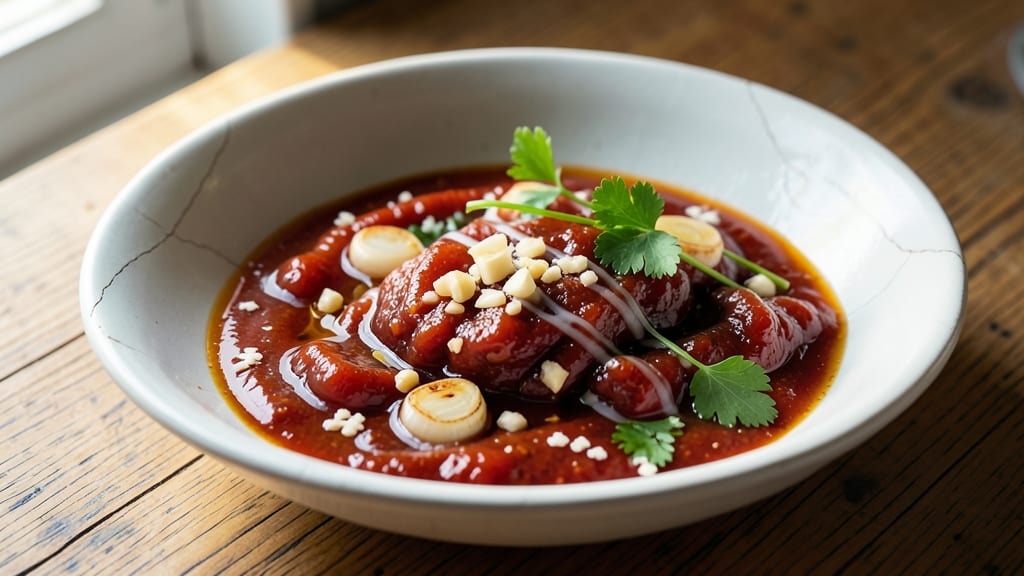
This Vietnamese-inspired ayamase sauce transforms simple ingredients into a velvety, umami-rich tomato cream that elevates any dish. 🌟 The secret lies in balancing sweet, salty, and tangy flavors through a slow reduction—creating a sauce so versatile it works as a drizzle, dip, or marinade.
I developed this recipe after years of refining the perfect harmony between soy, mirin, and dashi, ensuring every spoonful delivers depth without overpowering your meal.
The foundation begins with a light simmer of tomatoes, garlic, and shallots until they break down into a fragrant base. Adding soy sauce, mirin, and a touch of miso introduces layers of savory complexity, while a splash of dashi deepens the umami.
The sauce thickens naturally as it reduces, resulting in a glossy, silky texture that clings beautifully to noodles, grilled meats, or even crispy vegetables. No heavy cream or butter is needed—just pure, balanced flavor.
What makes this sauce extraordinary is its adaptability. Use it as a drizzle over steaming hot pho or ramen, a tangy dip for spring rolls, or a marinade for grilled chicken.
The recipe yields about 1½ cups, perfect for meal prep—store it in the fridge for up to 5 days or freeze for longer shelf life. For variations, add a dash of chili oil for heat or swap miso for vegetarian-friendly nutritional yeast.
Once you taste this sauce, you’ll understand why it’s become a staple in my kitchen. The combination of tomato sweetness, soy umami, and mirin brightness creates a profile that’s both familiar and excitingly new. Ready to transform your dishes? Let’s make it.
Ingredients for ayamase sauce
Nine simple ingredients create this Vietnamese-inspired sauce with velvety tomato cream magic.
| Ingredient | Amount | Notes |
|---|---|---|
| San Marzano Tomato Paste 🍅 | ½ cup | High-quality, no sugar added |
| Fresh Garlic Cloves 🧄 | 4 cloves | Minced for aromatic base |
| Shallots 🧅 | ¼ cup | Finely diced, ~2 medium |
| Light Soy Sauce 🍶 | ¼ cup | Kikkoman preferred |
| Mirin 🍶 | ¼ cup | Sweet cooking rice wine |
| White Miso Paste 🍶 | 1 tbsp | For umami depth |
| Dashi Powder 🍲 | ½ tsp | Or 1 tsp dashi stock |
| Granulated Sugar 🍚 | 1 tbsp | Balances acidity |
| Extra-Virgin Olive Oil 🫒 | 1 tbsp | For glossy finish |
| Fresh Lemon Juice 🍋 | 1 tbsp | Brightens flavors |
The San Marzano tomato paste is non-negotiable here—its natural sweetness and low acidity create the perfect base. Grab a 28-ounce can from the international aisle at Whole Foods or Trader Joe's for the best quality. Fresh garlic and shallots should be vibrant, not wilting, and Kikkoman soy sauce is the gold standard for that clean, balanced flavor. Mirin adds the signature brightness, but if you can't find it, sake plus 1 tsp sugar works in a pinch. The white miso brings that deep umami without overpowering—look for the block variety at Asian markets for freshness.
No dashi powder? Instant miso soup granules work perfectly, or make your own with kombu and bonito flakes. Short on sugar? Honey or maple syrup at half the amount keeps the balance. The olive oil isn't just for cooking—it's what gives the sauce that silky finish when drizzled. Fresh lemon juice is key for brightness, but if you're out, a pinch of citric acid does the trick. Want to make this vegetarian? Swap the dashi for vegetable dashi or nutritional yeast for umami. The sauce thickens as it reduces, so don't worry if it looks thin at first—patience is everything here.
This sauce keeps beautifully in the fridge for 5 days—just store it in an airtight jar with a thin layer of olive oil on top to preserve freshness. For longer storage, freeze in ice cube trays for perfect single-use portions. The flavor actually improves after 24 hours as everything melds together. Double the batch if you can—it disappears fast when drizzled over ramen, used as a marinade, or served with crispy spring rolls. Trust me, you'll want leftovers.
Why You'll Love This Recipe
- No Chopping Chaos: I swear by this sauce because it’s the only one where I don’t even bother mincing the garlic—just smash those cloves with the flat of my knife and let the heat do the work. The shallots? Same trick. Five minutes max, and you’re left with that deep, caramelized punch from the San Marzano paste without the fuss.
- Umami Bomb: That combo of light soy and mirin? It’s like a flavor shortcut I didn’t know I needed. The sauce starts sweet, then hits you with this slow-building savory depth—especially when you let it simmer until it’s thick enough to coat the back of a spoon. Honestly, I’ve made it for everything from stir-fries to drizzling over rice, and it never disappoints.
- Weeknight Magic: This is my go-to when I’m too tired to plan. Double the batch, stash it in the fridge, and it turns yesterday’s leftover chicken into tonight’s dinner with zero effort. Or freeze it—because let’s be real, sometimes you just need to thaw something instead of cooking.
- Budget Flex: Mirin and San Marzano paste might sound fancy, but they stretch like crazy. A little goes a long way, and the soy sauce keeps it affordable. I’ve made this sauce for date nights, potlucks, and even as a last-minute hostess gift (in a cute jar, obviously). It’s the kind of thing that makes you look like a pro without breaking the bank.
Step-by-step instructions for Vietnamese-inspired velvety tomato cream
This sauce is all about balance—rich tomato depth, umami layers, and bright acidity. Let's build it together.
🍳 Step 1: Bloom the Aromatics in Olive Oil
Heat the 1 tablespoon extra-virgin olive oil in a medium saucepan over medium-low heat. Add the 4 cloves minced fresh garlic cloves and 0.25 cup finely diced shallots, stirring constantly. Cook for 4-5 minutes until the shallots soften and become translucent, and the garlic releases its fragrant aroma.
Here's the thing—don't let the garlic brown. You want it golden, not crispy. If it starts to darken, reduce the heat slightly. This step forms the aromatic foundation that carries through the entire sauce. The shallots should melt into the oil, creating a silky base without any texture.
🥘 Step 2: Develop the Sauce Base with Tomato and Umami Elements
Increase heat to medium and add the 0.5 cup San Marzano tomato paste, stirring vigorously to dissolve it completely into the oil. Cook for 2 minutes until the mixture darkens slightly and the raw tomato flavor mellows.
Now stir in the 0.25 cup light soy sauce, 0.25 cup mirin, and 1 tablespoon white miso paste. The miso will dissolve completely when heated—don't worry if it looks grainy at first. Add the 0.5 teaspoon dashi powder and 1 tablespoon granulated sugar, stirring well. Let the mixture simmer gently for 5-6 minutes until it thickens slightly and the flavors meld together.
This is where the magic happens. The acidity from the mirin and soy sauce balances the sweetness of the sugar, while the miso and dashi add that deep, savory umami that makes this sauce so addictive. Keep an eye on it—you want it to thicken just enough to coat the back of a spoon.
⏰ Step 3: Finish with Brightness and Texture
Reduce heat to low and stir in the 1 tablespoon fresh lemon juice. The sauce will bubble gently and should immediately brighten in color and flavor. Taste and adjust seasoning—you might want to add a pinch more sugar if the acidity feels too sharp, or a touch more soy sauce if it needs more saltiness.
Let the sauce simmer for another 2-3 minutes to allow all the flavors to fully integrate. The final texture should be velvety yet still pourable—almost like a thick cream sauce. If it's too thick, thin it with 1-2 teaspoons of water or pasta water. If it's too thin, simmer uncovered for another minute to reduce.
Real talk: this sauce tastes even better after sitting for 10 minutes as the flavors continue to develop. That's why I always make it ahead when possible—it just gets more complex and delicious with time.
Pro Tips For Making Ayamase Sauce
- Cook Tomato Paste Slowly: After burning three batches of ayamase sauce, I learned to dissolve the San Marzano tomato paste in a splash of water first—about ¼ cup—before adding it to the pan. Stir constantly over medium-low heat until it’s fully melted and smooth. Rushing this step turns your sauce into a bitter, lumpy mess.
- Mince Shallots Like Garlic: I used to chop shallots roughly, but finely mincing them (almost like garlic) makes a real difference in ayamase sauce. The smaller the pieces, the more they dissolve evenly, giving you that silky, umami-rich base instead of chewy bits. Use a knife or pulse in a food processor—just don’t overdo it.
- Balance Mirin with Soy: Skip the guesswork and measure mirin and soy sauce in a 1:1 ratio by volume when you add them. Too much mirin makes the sauce cloyingly sweet, while too little soy flattens the flavor. Taste as you go—this sauce should taste like a perfect harmony, not a sugar rush.
- Sweat Garlic, Don’t Burn It: After mincing the garlic, cook it in the oil for 30 seconds no longer—just until fragrant. Let it sit for 10 seconds after turning golden, then add the shallots. Burnt garlic turns bitter fast, and that’s a flavor you can’t fix later. Trust the timer, not your nose.
Serving suggestions for ayamase sauce
Noodle Elevation
This sauce transforms simple noodle dishes into restaurant-quality meals. Drizzle 2-3 tablespoons over steaming hot pho, ramen, or udon just before serving—it clings beautifully to the strands while adding a sweet-savory depth.
For extra richness, toss cooked noodles in the sauce while still hot, then finish with crispy fried shallots and Thai basil. 🌟
Try it with rice noodles for a Vietnamese-inspired bowl: combine with shredded grilled chicken, bean sprouts, and hoisin drizzle. The sauce’s velvety texture contrasts perfectly with the chewiness of fresh noodles, creating a harmonious bite every time.
Protein Pairings
Use this sauce as a marinade for grilled meats—chicken thighs, pork chops, or salmon absorb the flavors beautifully. Brush 1-2 tablespoons onto proteins before grilling or roasting, then finish with a final drizzle post-cook. The mirin and soy caramelize slightly, creating a sticky, flavorful crust. 🔥
For seafood lovers, toss shrimp or scallops in the sauce before searing. The lemon juice prevents overcooking while the umami elements enhance natural sweetness. Serve with steamed jasmine rice or crusty baguette to soak up every last drop.
Crunchy Dippers
This sauce is a game-changer for spring rolls, egg rolls, or tempura. Serve it warm as a dipping sauce—its balanced sweet-salty-tangy profile cuts through fried textures perfectly. For extra flair, add 1 teaspoon chili oil or sriracha to the sauce before serving. 🌶️
Pair with homemade or store-bought spring rolls (like Trader Joe’s or Whole Foods brands) for a quick appetizer. The sauce’s silky texture complements the crispy exterior while balancing the fresh herbs inside.
Vegetable Enhancer
Drizzle 1-2 tablespoons over grilled or roasted vegetables like eggplant, zucchini, or bell peppers to elevate their natural flavors. The sauce’s umami richness makes even simple veggies taste gourmet.
Toss steamed bok choy or green beans with the sauce and a pinch of sesame seeds for a fast side dish. ✨
For a cold salad, mix the sauce with cucumber, shredded carrots, and edamame, then top with toasted sesame seeds. The bright lemon notes keep the dish fresh while the soy and miso add depth.
Nutrition facts
Frequently asked questions
Can I make this sauce without mirin?
Yes! If you can't find mirin, substitute it with a mix of 2 tablespoons sake plus 1 teaspoon sugar. The sake provides the alcohol base while the sugar mimics mirin's sweetness. For a non-alcoholic version, use 2 tablespoons rice vinegar plus 1 teaspoon honey—it won't be identical, but it'll still brighten the sauce beautifully.
How do I adjust the thickness of the sauce?
If your sauce is too thick after simmering, thin it with 1-2 teaspoons of water or pasta water while stirring. For extra thickness, simmer uncovered for another 1-2 minutes to reduce the liquid. The ideal consistency should be velvety yet pourable—like a thick cream sauce that clings to noodles or meats without dripping.
What’s the best way to store leftover sauce?
Store in an airtight jar in the fridge for up to 5 days. For longer storage, freeze in ice cube trays or small containers—this makes it easy to thaw just what you need. The sauce actually tastes better after 24 hours as flavors meld, so double the batch if you can!
Can I make this sauce vegetarian?
Swap the dashi powder for vegetable dashi or 1 tablespoon nutritional yeast to maintain umami. The white miso is already vegetarian-friendly, so no other changes are needed. The resulting sauce will still be rich and flavorful—just plant-based!
Why does my sauce taste too salty?
This usually happens if you used too much soy sauce or miso. Balance it by adding 1-2 tablespoons of water or lemon juice to dilute the saltiness, then taste again. If needed, stir in ½ teaspoon sugar to enhance the other flavors and mask the salt. Always taste as you go!