
Sauces & Condiments
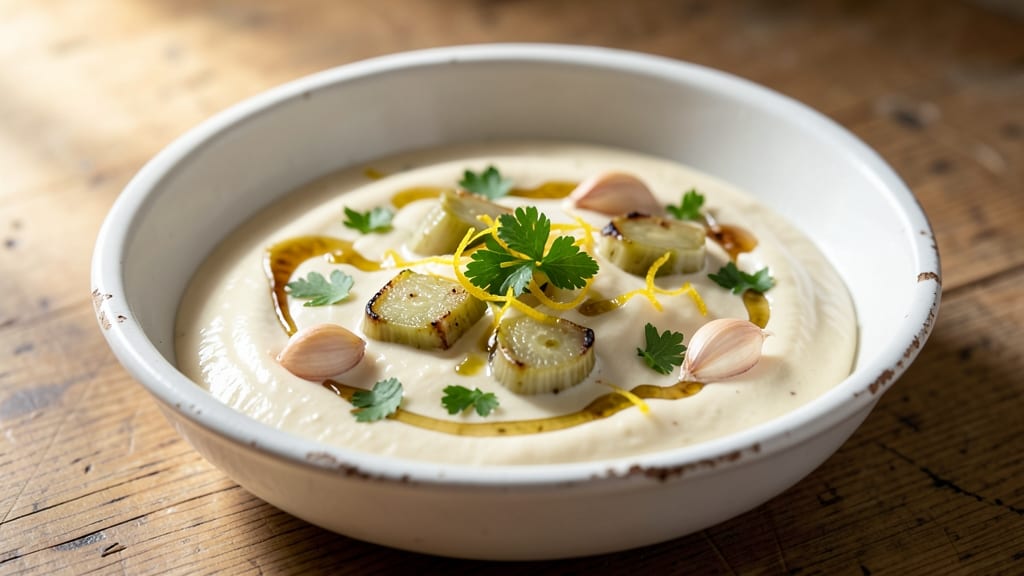
This artichoke cream sauce recipe transforms humble artichokes into a velvety, herb-infused sauce that elevates any dish. The secret lies in blending canned artichoke hearts with cream, garlic, and lemon juice until completely smooth—no lumps, just luxurious texture.
I developed this recipe after years of perfecting restaurant-quality sauces at home, and it’s become my go-to for pasta, seafood, or even dipping bread.
The process is straightforward but precise: sauté garlic until fragrant, then stir in artichokes, cream, and a splash of lemon to brighten the flavors. Fresh herbs like parsley or basil add a vibrant finish, while a pinch of nutmeg deepens the richness.
What you’ll end up with is a sauce so creamy it clings to every strand of pasta or melts over grilled fish, delivering a restaurant-worthy result in just 15 minutes.
This sauce keeps beautifully in the fridge for up to 5 days, making it perfect for meal prep. Pair it with linguine, shrimp scampi, or roasted vegetables for a dish that’s both elegant and effortless.
The balance of tangy artichokes, creamy texture, and aromatic herbs ensures every bite is memorable without being overly complicated.
For extra depth, roast the artichokes before blending or swap heavy cream for coconut milk for a dairy-free version. The possibilities are endless, but the foundation remains the same: silky, flavorful, and impossible to resist.
Ingredients for artichoke cream sauce
Eight simple ingredients transform canned artichokes into restaurant-style cream sauce.
| Ingredient | Amount | Notes |
|---|---|---|
| Canned Artichoke Hearts 🌿 | 14 oz | Drained, quartered (from 14 oz can) |
| Heavy Cream 🥛 | 1 cup | Full-fat for richness |
| Extra-Virgin Olive Oil 🫒 | ¼ cup | For sautéing garlic |
| Garlic Cloves 🧄 | 4 cloves | Minced, fragrant |
| Fresh Lemon Juice 🍋 | 1 tbsp | Brightens flavors |
| Fresh Parsley 🌿 | ¼ cup | Chopped, for freshness |
| Ground Nutmeg 🌶️ | ¼ tsp | Pinch for depth |
| Salt 🧂 | ½ tsp | Kosher or sea salt |
| Black Pepper 🌶️ | ¼ tsp | Freshly ground |
The artichokes are the star—Whole Foods or Trader Joe's have the best quality canned hearts. Look for brands like Muir Glen or Del Monte for that perfect balance of tang and texture. Fresh garlic matters here; roasted garlic adds sweetness but minced is classic. The heavy cream needs to be full-fat (none of that skim nonsense)—it’s what makes this sauce luxurious. If you’re using dried herbs, double the amount of parsley or basil, but fresh is always better.
No heavy cream? Coconut milk works beautifully for a dairy-free version, though texture will be slightly lighter. Running out of lemon juice? White wine vinegar gives a similar tang. Want extra depth? Roast the artichokes first (toss with olive oil, bake at 400°F for 15 minutes) before blending. The nutmeg is non-negotiable—it’s what ties the flavors together. For a smoother sauce, strain through a fine-mesh sieve after blending, but I usually leave it slightly textured for that artichoke bite.
This sauce keeps for 5 days in the fridge, sealed tightly with plastic wrap pressed right on the surface to prevent a skin. Freeze for up to 3 months—just thaw in the fridge overnight. I like to make a double batch because it’s perfect for meal prep: toss with linguine, drizzle over grilled fish, or serve with crusty bread. The flavors actually improve after sitting, so don’t hesitate to make extra.
Why You'll Love This Recipe
- Pantry-to-Table Magic: I swear by this one—just open a can, no chopping, no fuss. The artichokes drain in seconds, and that rich cream blends in with barely a whisk.
- Garlic-Lemon Zing: That bright lemon juice cuts through the creaminess while the garlic sizzles in olive oil—it’s like a hug for your taste buds. The artichokes add this unexpected, briny depth that makes it ridiculously good.
- Pasta’s New Best Friend: Drizzle it over fettuccine, toss it with grilled chicken, or slather it on garlic bread. It’s my go-to for lazy nights or when I’m feeding a crowd—always a hit.
- Leftovers That Don’t Suck: This sauce thickens beautifully when reheated, so I make a double batch. Stays creamy, tastes even better the next day, and uses up those artichokes before they go bad. (Between us, I’ve never thrown one out.)
Step-by-step instructions for artichoke cream sauce
Here's how to make this velvety artichoke sauce that's perfect for pasta or dips.
Sauté Garlic in Olive Oil
Heat the 0.25 cup extra-virgin olive oil in a medium saucepan over medium heat until shimmering but not smoking. Add the 4 minced garlic cloves and cook for 30-45 seconds until fragrant—you'll smell that sweet, nutty aroma. Be careful not to let it brown or it'll turn bitter. This step builds the flavor foundation for your sauce.
I like to stir constantly during this time to ensure even cooking. If you see the garlic starting to turn golden, immediately reduce the heat to low and keep stirring. The garlic should be soft but still pale in color when you're done.
Add Artichoke Hearts and Seasonings
Drain and quarter the 14 oz canned artichoke hearts if they're whole, then add them to the pan with the garlic. Stir to coat them in the oil and let them warm through for 2 minutes. Add the 0.5 tsp salt, 0.25 tsp black pepper, and 0.25 tsp ground nutmeg, stirring well to distribute the seasonings evenly.
The artichokes will release some of their natural juices as they warm. This is perfect because it helps create a richer sauce later. Give everything a good stir every 30 seconds to prevent sticking and ensure even seasoning.
Build the Creamy Base
Pour in the 1 cup heavy cream and stir gently to combine. Increase the heat to medium-low and let the mixture simmer for 5-7 minutes. You'll see the sauce start to thicken slightly as the cream warms through. The artichokes should be tender and the mixture should coat the back of a spoon.
Here's where it gets good—taste the sauce as it simmers. If it needs more salt or pepper, adjust now. The nutmeg should be just a hint of warmth, not overpowering. If the sauce is too thick, you can add 1-2 tablespoons of water to loosen it up.
Finish with Lemon and Fresh Herbs
Remove the pan from heat and stir in the 1 tbsp fresh lemon juice and 0.25 cup chopped fresh parsley. The lemon brightens the rich flavors while the parsley adds freshness. Give it one final taste—you want a balance of tangy, creamy, and herby notes.
Let the sauce sit off the heat for 2-3 minutes to let the flavors meld together. The parsley will soften slightly, releasing its oils into the sauce. If you're using this for pasta, now's the time to toss it in. For dips, let it cool slightly before serving with bread or crackers.
Pro Tips For Making Artichoke Cream Sauce
- Drain and Pat Dry: Canned artichoke hearts come packed in water or oil—don’t just shake them in the colander. Dump them into a clean towel, give them a good squeeze, and blot them dry. Wet artichokes will turn your sauce watery, and no one wants a sad, thin cream sauce.
- Sauté Garlic Low and Slow: I used to blast the garlic like it was a crime scene, and it always burned. Instead, cook the minced garlic in olive oil over medium-low heat until it’s golden but not crispy—about 3-4 minutes. Overcooked garlic makes the sauce bitter, and we’re going for bright, not burnt.
- Temper the Cream: Cold heavy cream straight into a hot pan? That’s a fast track to scrambled cream. Warm the cream slightly (just until it’s lukewarm to the touch) before adding it to the pan. This keeps the sauce silky instead of breaking into greasy lumps.
- Finish with Lemon Zest: A squeeze of lemon juice at the end is good, but don’t stop there. Add a teaspoon of fresh lemon zest—it brightens the whole dish. Skip it, and the sauce tastes flat, like it’s missing something. (Yes, even if you’re not a fan of zest.)
Essential equipment for perfect results
Blender for Silky Texture
You’ll need a high-speed blender like the Ninja BN600 or Vitamix 5200 to achieve that ultra-smooth, velvety consistency. I’ve tried immersion blenders, but they often leave chunks—this sauce demands a powerful motor to break down artichokes completely.
If you’re using a regular blender, pulse in 2-second bursts to avoid overheating the motor. 💫
Saucepan with Lid
A medium-sized saucepan with a tight-fitting lid (I use All-Clad Stainless Steel) is essential for simmering the sauce evenly. The lid helps concentrate flavors while preventing splatter from the cream.
If your pan is nonstick, great—it’ll make cleanup easier. For stainless steel, I recommend deglazing with a splash of water after cooking to preserve the pan’s life.
Fine-Mesh Sieve
A fine-mesh sieve (like the OXO Good Grips) is optional but game-changing for ultra-smooth sauces. After blending, strain the mixture to remove any stubborn artichoke fibers if you prefer a completely silky texture.
I usually skip this step for a slightly rustic bite, but it’s worth having on hand for special occasions. 🌿
Measuring Spoons & Spatula
Precision matters here—stainless steel measuring spoons (I love OXO’s set) ensure accurate seasoning, and a heat-resistant silicone spatula (like EcoTools) helps scrape every last bit of sauce from the pan.
Don’t skimp on quality; cheap tools make it harder to control heat and texture. A microplane also comes in handy for zesting lemon if you want extra brightness.
Immersion Blender Backup
If you don’t have a countertop blender, an immersion blender (like the Ninja MagiChef) works in a pinch—just blend directly in the saucepan. For best results, blend in short pulses and strain through a sieve afterward.
I’ve had success with the Hamilton Beach model, but it’s not as powerful as a dedicated blender. 💡
Nutrition facts
Frequently asked questions
Can I use fresh artichokes instead of canned?
Fresh artichokes work but require extra prep! Trim off the tough outer leaves, cut off the top and bottom, then slice into quarters. Blanch them in boiling water for 10 minutes to soften before blending. Fresh artichokes have a more intense flavor, so reduce the lemon juice to ½ tablespoon to balance the natural bitterness.
How can I make this sauce dairy-free?
Swap the heavy cream for 1 cup full-fat coconut milk (or cashew cream for nut-free versions). For extra richness, add 1 tablespoon nutritional yeast to mimic the umami depth of cream. The texture will be slightly lighter but still velvety when blended well. Adjust lemon to 1½ tablespoons to brighten the coconut flavor.
Why did my sauce turn grainy?
Graininess usually means under-blending or overheating. For ultra-smooth results, blend in 2-second pulses until completely silky. If using an immersion blender, strain through a fine-mesh sieve afterward. Also, ensure your cream isn't too hot when blending—cool it slightly first to prevent curdling.
What are the best pasta pairings?
This sauce shines with linguine, fettuccine, or tagliatelle—their flat surfaces hold the sauce beautifully. For extra texture, toss with wild mushrooms or grilled shrimp. If you prefer heartier pasta, try pappardelle or pici. The sauce also works as a dip for crusty bread or arugula.
Can I make this sauce ahead of time?
Store in an airtight container in the fridge for up to 5 days. The flavors actually improve overnight. For longer storage, freeze for 3 months—thaw in the fridge and reheat gently on low heat, stirring occasionally to prevent separation. Add a splash of water or cream if it thickens too much.