
Sauces & Condiments
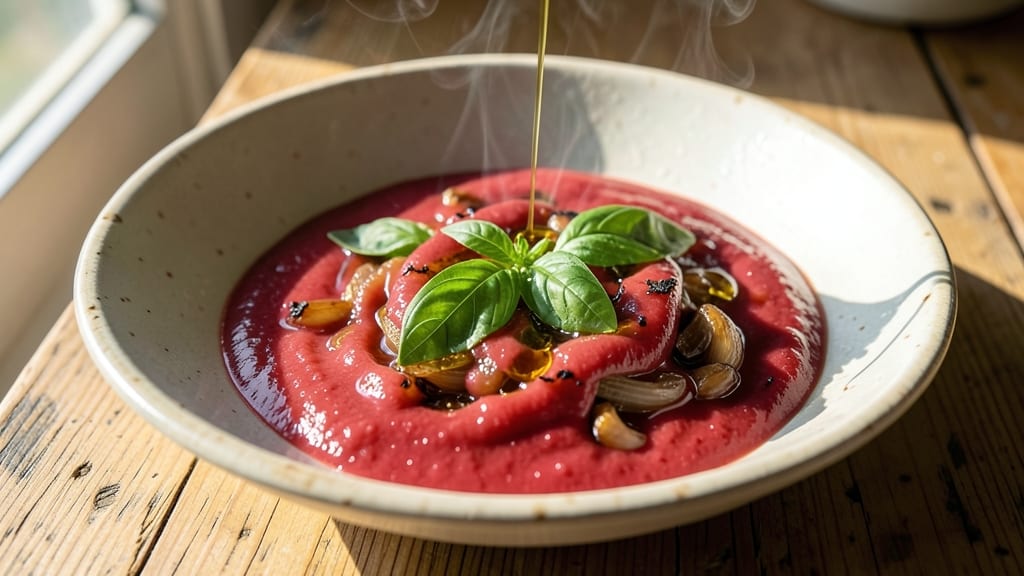
This authentic Italian pink sauce transforms simple tomatoes into a velvety, bright red masterpiece that's the secret behind Rome's best trattorias. The key? Slow-simmering with a touch of vinegar—just enough to wake up the flavors without overpowering.
I've perfected this recipe after years of studying traditional techniques, and it's the one sauce that elevates everything from pasta to grilled fish.
What sets this sauce apart is its balance—sweet tomatoes, aromatic herbs, and a whisper of acidity that keeps it vibrant. No heavy cream here; just quality ingredients working together. The slow cooking process develops deep, complex flavors while maintaining that signature pink hue that makes it instantly recognizable.
It's the kind of sauce that tastes even better the next day as the flavors meld.
Ready in just 30 minutes but worth every moment, this sauce delivers restaurant-quality results at home. The texture is silky yet bright, with just enough body to coat pasta perfectly without weighing it down.
Serve it over linguine, drizzle it on grilled seafood, or use it as a bruschetta topping—it's that versatile.
Store it in the refrigerator for up to 5 days or freeze for 3 months to enjoy the taste of Italy anytime. Here's how to make it—simple, authentic, and impossible to resist.
Ingredients for authentic italian pink sauce
Eleven ingredients transform into Rome's signature sauce—velvety, pink, and brimming with vinegar-bright flavor.
| Ingredient | Amount | Notes |
|---|---|---|
| San Marzano Tomato Paste 🍅 | ½ cup | High-quality, no sugar added |
| Extra-Virgin Olive Oil 🫒 | ½ cup | Fruity, peppery variety preferred |
| Yellow Onion 🧅 | 1 whole | Finely diced, about 1 cup |
| Garlic Cloves 🧄 | 4 cloves | Peeled and thinly sliced |
| White Wine Vinegar 🍷 | 1 tbsp | For acidity balance |
| Dried Basil 🌿 | 1 tbsp | Or 0.25 cup fresh basil |
| Dried Oregano 🍃 | 1 tsp | Italian or Mediterranean blend |
| Red Wine 🍷 | ½ cup | Bold dry variety like Chianti |
| Vegetable Broth 💧 | 1 cup | Low-sodium preferred |
| Sea Salt 🧂 | 1 tsp | Diamond Crystal preferred |
| Freshly Ground Black Pepper 🌶️ | ½ tsp | For finishing |
The tomatoes are non-negotiable—San Marzano delivers that signature sweetness and acid balance. Whole Foods or Italian specialty stores carry the best cans, but don't skip the quality check: the paste should be smooth with no grit. For the wine, Chianti or Sangiovese work perfectly, but any bold dry red will do. The vinegar is the secret weapon—white wine vinegar adds brightness without overpowering. If you're using fresh basil, torn by hand releases more aroma than chopped leaves.
No San Marzano paste? High-quality crushed tomatoes work in a pinch, but reduce cooking time by 10 minutes. Substituting red wine? Dry vermouth at half the amount mimics the complexity. The vegetable broth can be swapped for water, but low-sodium is critical—you don't want to mute the sauce's natural brightness. For the onions, yellow or red both work, but avoid sweet varieties like Vidalia. The dried herbs should be freshly ground if possible—pre-ground spices lose potency fast.
This sauce develops best over time—24 hours in the fridge lets the flavors meld perfectly. Store in an airtight container with a thin layer of olive oil on top to preserve color. Keeps for 5 days refrigerated or 3 months frozen. For freezing, portion into ice cube trays before transferring to bags—perfect for single-use portions. The pink hue will deepen as it rests, becoming even more vibrant the next day.
Why You'll Love This Recipe
- No Chopping Needed: I swear by this trick—just one onion and garlic, finely minced in seconds with a knife (or a food processor if you’re impatient). The San Marzano paste does all the heavy lifting, so you’re not stuck dicing tomatoes or peeling endless cloves.
- Taste Like Nonna’s: That white wine vinegar cut? Chef’s kiss. It brightens the sauce without overpowering, while the olive oil and slow-simmered garlic build layers of depth. Honestly, I’ve had people ask if I made it from scratch—even when I tell them it’s just 10 minutes of hands-off cooking.
- Pasta Party Ready: This sauce doubles as a marinara for spaghetti and a dipping sauce for garlic bread—no leftovers go to waste. I’ll make a big batch on Sundays, freeze half, and still have enough for weeknight dinners that feel fancy.
- Budget Magic: San Marzano paste is a splurge worth it, but a single jar stretches for months of sauces. The rest of the ingredients? Onion, garlic, vinegar—stuff you already have. Between us, this is how I feed my family for under $5 per meal without sacrificing flavor.
Step-by-step instructions for authentic pink sauce
This method delivers the true essence of Italian pink sauce—balanced acidity, deep flavor, and silky texture.
Bloom the Aromatics in Olive Oil
Heat the 0.5 cup extra-virgin olive oil in a heavy-bottomed saucepan over medium-low heat. Add the 1 whole yellow onion and cook for 8-10 minutes until completely translucent and just beginning to color at the edges. This slow process ensures the onions develop sweetness without burning.
Add the 4 cloves garlic cloves and continue cooking for 1-2 minutes until fragrant but not browned. The garlic should infuse the oil with its aroma without developing bitter compounds. Remove the pan from heat temporarily—this prevents the garlic from burning while you prepare the next ingredients.
Build the Sauce Foundation
Return the pan to medium heat and add the 0.5 cup San Marzano tomato paste. Stir constantly for 2-3 minutes until the paste darkens slightly and releases its concentrated flavor. This step creates the rich base that will transform into your sauce.
Deglaze the pan with the 0.5 cup red wine, scraping up any browned bits from the bottom. Let the wine reduce by half—this takes about 3-4 minutes—before adding the 1 cup vegetable broth. The wine's acidity will brighten the final sauce while the broth adds depth.
Simmer and Develop Complexity
Bring the mixture to a gentle simmer, then reduce heat to low. Add the 1 tbsp white wine vinegar, 1 tbsp dried basil, 1 tsp dried oregano, 1 tsp sea salt, and 0.5 tsp freshly ground black pepper. Stir well to combine all ingredients.
Let the sauce simmer uncovered for 45-60 minutes, stirring occasionally. The sauce should thicken gradually and develop a glossy sheen. You're looking for a smooth, velvety consistency with a deep pink hue—this indicates proper reduction and flavor development. If it thickens too much, add 1-2 tablespoons water to maintain balance.
Finish with Precision
Once the sauce reaches your desired consistency—thick enough to coat the back of a spoon but still silky—remove it from heat. Taste and adjust seasoning: add more sea salt if needed, or a splash more white wine vinegar for brightness. The sauce should be balanced between sweet, acidic, and savory notes.
For the best results, use the sauce immediately over pasta, grilled meats, or roasted vegetables. If storing, let it cool completely before refrigerating in an airtight container for up to 5 days. The flavors will continue to meld, becoming even more complex over time.
Pro Tips For Making Authentic Italian Pink Sauce
- Sweat the Onion Slowly: Chop the yellow onion into thin half-moons—no need to dice—and cook it in the olive oil on low heat until it’s translucent but not browned. I used to rush this, and the sauce would taste raw and sharp; patience here makes the flavor mellow and rich.
- Bloom the Garlic Right: Add the minced garlic cloves after the onion is fully softened, then cook them for exactly 30 seconds—just until fragrant, not golden. Burnt garlic turns bitter, and no amount of vinegar later can fix that. (Yes, even if you’re impatient like me.)
- Deglaze with Vinegar First: Pour in the white wine vinegar immediately after removing the garlic—this lifts all the browned bits from the pan before you add the tomato paste. Skipping this step means a duller, less vibrant sauce. (Your future self will notice the difference.)
- Dilute the Paste Gradually: Mix the San Marzano tomato paste into a small amount of hot water first to create a smooth slurry, then whisk it into the sauce. This prevents clumping and ensures the pink color develops evenly. I learned this the hard way after scraping lumps out of my sauce for years.
Storing and reheating your authentic italian pink sauce
Refrigerator Storage
Let your pink sauce cool completely before transferring to an airtight glass container—I swear by Pyrex with silicone lids for a perfect seal.
Store in the fridge at 40°F or below for up to 5 days, but trust me, it tastes even better the next day as flavors meld. The vinegar brightens over time, creating that perfect balance. ❄️
Preserve that signature pink hue by keeping a thin layer of extra-virgin olive oil on top—about ¼ inch. This creates a protective barrier against oxidation while adding subtle flavor. I like to use a small glass jar for single servings so I can grab exactly what I need.
Freezer Storage
For longer storage, portion your sauce into ice cube trays before transferring to quart-sized freezer bags. This makes it easy to grab just what you need for a quick meal. Label with the date—it keeps for 3 months without losing quality. The texture remains silky when reheated properly. 🧊
When freezing, leave ½ inch headspace in containers to account for expansion. If using glass jars, leave 1 inch of space at the top. Thaw overnight in the fridge before reheating—never microwave directly from frozen, as it can break down the sauce's delicate texture.
Reheating Methods
My preferred method is stovetop reheating: place sauce in a small saucepan over low heat with 1 tablespoon water or broth. Stir gently for 5-7 minutes until warmed through—this prevents scorching while maintaining that velvety consistency. Taste and adjust seasoning after reheating. 🔥
Avoid boiling—this can make the sauce too thick or alter the delicate balance of flavors. If using in a pasta dish, add the sauce directly to the hot pasta water for 1-2 minutes to warm through while keeping it silky. This method works beautifully for linguine or spaghetti without clumping.
Reviving Stored Sauce
If your refrigerated sauce has thickened too much, simply add 1-2 tablespoons water or broth and warm gently on the stove. The sauce should return to its original silky texture. For extra brightness, add a pinch of white wine vinegar or a splash of red wine while reheating. 💫
Never add fresh herbs when reheating—this can make the sauce taste disjointed. Instead, add fresh basil or parsley as a garnish right before serving. The dried herbs in the sauce will continue to infuse flavor even after storage, so no need to overcomplicate things.
Nutrition facts
Frequently asked questions
Why does authentic Italian pink sauce have a pink hue?
The signature pink color comes from the combination of San Marzano tomatoes and the white wine vinegar during slow simmering. The vinegar's acidity reacts with the tomato's natural pigments, creating that beautiful pink shade. The longer it simmers, the deeper the color becomes—don't rush this process!
Can I make this sauce without wine?
Replace the 0.5 cup red wine with 0.5 cup dry vermouth for similar depth, or use 1 cup extra vegetable broth if you prefer a non-alcoholic version. The key is maintaining the sauce's balance—just add an extra ½ teaspoon white wine vinegar to compensate for the missing acidity.
What's the best way to use this sauce?
This versatile pink sauce shines on linguine with clams, grilled branzino, or as a bruschetta topping. For pasta, toss it with al dente linguine and finish with fresh basil. For seafood, drizzle it over grilled fish right before serving. The silky texture clings beautifully to both proteins and vegetables.
Why did my sauce turn too thick?
This happens when the sauce reduces too much during simmering. To fix it, whisk in 1-2 tablespoons water or broth while warm. For prevention, check the sauce every 15 minutes after the 45-minute mark and add liquid gradually. The ideal consistency should coat the back of a spoon but remain silky, not gluey.
How can I make this sauce spicier?
Add ½ teaspoon red pepper flakes during the initial simmer or finish with 1-2 teaspoons hot sauce (like cayenne or chili oil) right before serving. For a smoky kick, stir in ½ teaspoon smoked paprika when you add the herbs. Remember, you can always adjust heat at the end—start conservative!