
Sauces & Condiments
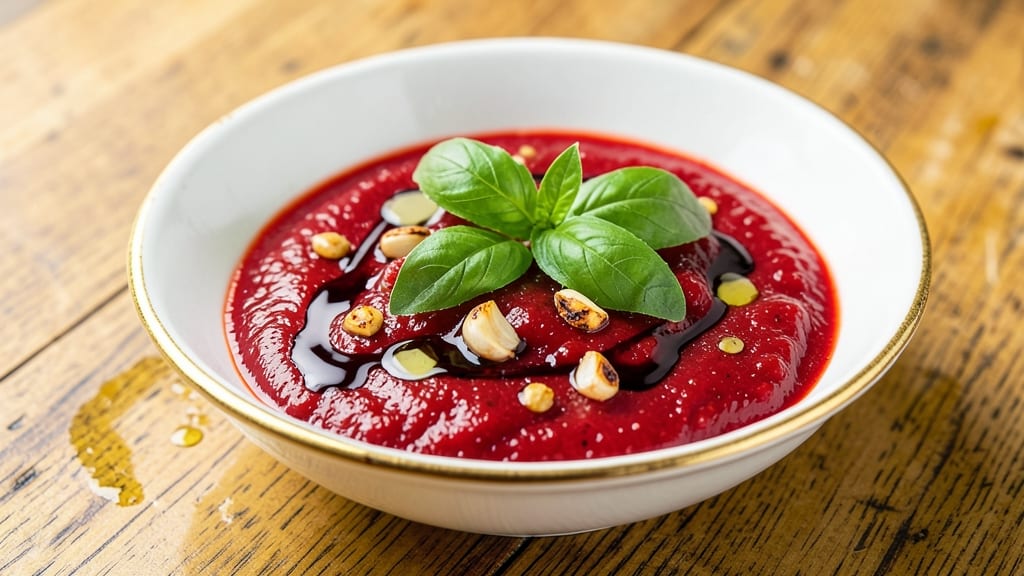
This authentic Italian rose sauce transforms simple ingredients into a velvety, aromatic masterpiece that defines Italian cuisine. 🌿 The secret lies in slow-simmered tomatoes, fresh basil, and a touch of garlic—no shortcuts, just tradition.
What sets this sauce apart is its balance: sweet, tangy, and herbaceous, with just enough acidity to brighten any dish.
Unlike many store-bought versions, this recipe builds flavor through patience—low heat and time allow the tomatoes to break down naturally, creating a sauce that's rich yet light. The addition of red wine (optional but recommended) deepens the complexity, while a splash of olive oil at the end ensures silky texture.
It's the kind of sauce that elevates pasta, risotto, or grilled meats to restaurant-quality levels.
The process is straightforward but requires attention to detail: sauté garlic until fragrant, add tomatoes and herbs, then simmer until the flavors meld. No blenders needed—just a pot, a wooden spoon, and time.
The result is a sauce that's vibrant in color, fragrant with basil, and packed with umami that lingers on the palate.
Perfect for meal prep, this sauce keeps well in the fridge for up to 5 days or freezes for months. Whether you're serving it over al dente spaghetti or drizzling it over roasted vegetables, this is the sauce that will make you question why you ever bought store-bought.
Let's get started.
Ingredients for authentic italian rose sauce
Nine simple ingredients for restaurant-quality rose sauce that tastes nothing like store-bought.
| Ingredient | Amount | Notes |
|---|---|---|
| Extra-Virgin Olive Oil 🫒 | ½ cup | High quality, fruity, for finishing |
| San Marzano Crushed Tomatoes 🍅 | 28 oz | Canned, no salt added |
| Garlic Cloves 🧄 | 4 cloves | Fresh, minced, not pre-minced |
| Fresh Basil Leaves 🌿 | 1 cup | Packed, stems removed |
| Red Wine 🍷 | ¼ cup | Dry, bold, optional but recommended |
| White Wine Vinegar 🍋 | 1 tbsp | For acidity balance |
| Sugar 🍚 | 1 tsp | Balances acidity, optional |
| Salt 🧂 | ½ tsp | Diamond Crystal preferred |
| Black Pepper 🌶️ | ¼ tsp | Freshly cracked |
The tomatoes make or break this sauce. San Marzano is the gold standard—sweet, meaty, and consistent. If you can't find them, Whole Foods or Trader Joe's usually stock them. Fresh basil is non-negotiable here (the good stuff, not the pre-washed kind)—it's what gives that signature Italian aroma. Garlic should be fresh too—pre-minced jars have a weird aftertaste. I always grab extra basil because half gets torn over the top at the end. Red wine adds depth, but if you skip it, a splash of balsamic works in a pinch.
No red wine? Substitute with extra tomato paste or beef broth—just add a pinch of sugar to balance. Fresh basil wilt fast, so if you're prepping ahead, blanch the leaves in boiling water for 10 seconds before storing. For the vinegar, white wine vinegar is classic, but apple cider vinegar adds a nice twist. The sugar is optional but helps if your tomatoes are particularly tart. Diamond Crystal salt dissolves faster than table salt, which matters when you're tasting as you go. And yes, you can make this without wine—it'll just be simpler.
This sauce gets better with time—let it sit at room temperature for 30 minutes after cooking so the flavors meld. Keeps in the fridge for 5-7 days if you cover it with a thin layer of olive oil. Freezes beautifully for up to 6 months—portion into ice cube trays first for easy use. I always make double batches because it disappears fast. The leftovers? Perfect for bruschetta, grilled chicken, or even pizza night.
Why You'll Love This Recipe
- No-Fuss Simplicity: I swear by this sauce because it’s actually simple—just tomatoes, garlic, and a splash of wine simmering while I chop veggies for dinner. No blenders, no fancy techniques, just a pot and 20 minutes.
- Wine-Infused Depth: That red wine isn’t just for flavor—it cuts through the acidity of the tomatoes and leaves this sauce with a rich, almost velvety finish. Honestly, the first time I tasted it, I thought, "Why didn’t I do this sooner?"
- Weeknight to Weekend: This sauce works on pasta, chicken, or even toasted bread—no one’s judging. I make a big batch on Sundays, freeze half, and boom: instant weeknight dinner or impressive Sunday supper.
- Budget-Friendly Luxury: San Marzano tomatoes and good olive oil might sound fancy, but they stretch so far. A single jar of tomatoes and a bottle of wine feed my family for days, and the leftovers? Even better the next day.
Step-by-step instructions for authentic Italian rose sauce
Here’s how to make this classic Italian sauce—simple steps for bold, fresh flavors.
🍳 Step 1: Sauté Garlic in Olive Oil
Heat the 0.5 cup extra-virgin olive oil in a large saucepan over medium-low heat. Add the 4 minced garlic cloves and cook for 2-3 minutes until fragrant but not browned. Watch closely—garlic burns fast, and you want golden color, not bitter smoke.
This gentle cooking releases the garlic’s sweetness without bitterness. If the oil starts to bubble too much, reduce the heat slightly. Once the garlic smells heavenly, it’s ready for the next step—don’t let it linger.
🍳 Step 2: Deglaze with Wine and Vinegar
Pour in the 0.25 cup red wine and 1 tablespoon white wine vinegar, scraping up any browned bits from the bottom of the pan. Let it simmer for 3-4 minutes until the liquid reduces by about half. You’ll notice the alcohol smell fade—this is when the sauce starts building depth.
The vinegar brightens the wine’s acidity, cutting through the richness of the oil. If you skip this step, the sauce will taste flat. Taste the mixture now—it should be tangy and slightly sharp. If it’s too acidic, add the 1 teaspoon sugar and stir until dissolved.
🍳 Step 3: Simmer the Tomatoes
Add the 28 oz San Marzano crushed tomatoes and 0.5 teaspoon salt to the pan. Stir well to combine, then increase heat to medium-high and bring to a gentle boil. Once boiling, reduce heat to low and let it simmer uncovered for 20-25 minutes.
Stir occasionally to prevent sticking. You’re looking for a thickened sauce that coats the back of a spoon. The tomatoes should break down into a velvety consistency, not remain chunky. If it reduces too quickly, add 2-3 tablespoons water to maintain balance.
👨🍳 Step 4: Finish with Fresh Basil
Remove the pan from heat and stir in the 1 cup fresh basil leaves (stems removed). Let the sauce sit for 5 minutes—this allows the basil’s aroma to infuse without turning bitter. Then, taste and adjust seasoning with 0.25 teaspoon black pepper and more salt if needed.
The basil should brighten the sauce with its fresh, herbal notes. If you prefer a smoother texture, strain out the basil leaves before serving. For extra richness, drizzle with a little more extra-virgin olive oil before using.
⏰ Step 5: Rest and Serve
Let the sauce rest for 10 minutes before serving. This allows flavors to meld and the sauce to thicken slightly. Serve warm over pasta, drizzled with a little more olive oil, or use as a base for other Italian dishes.
This sauce keeps well in the fridge for 5 days or freezes for 3 months. The longer it sits, the deeper the flavors become—just reheat gently on the stove. For the best results, use it fresh within a few days.
Pro Tips For Making Authentic Italian Rose Sauce
- Sweat Garlic Slowly: Toss those garlic cloves in olive oil first, then let them cook on low heat for 5-7 minutes until golden—not crispy, not burnt, just soft with color. I used to rush this and end up with bitter, overcooked garlic that ruined the sauce. Patience here makes all the difference.
- Use Whole Tomatoes First: Dump in the crushed San Marzano tomatoes after the garlic and wine have reduced by half. Start with whole canned tomatoes instead of crushed—simmer them 10 minutes first to break them down naturally. This keeps the sauce silky, not chunky, and avoids that sad, watery texture.
- Deglaze with Wine: Pour in that red wine immediately after the garlic hits the pan—don’t wait. Let it bubble hard for 2 minutes to scrape up every last bit of flavor from the bottom. I learned this the hard way when my sauce tasted flat because I skipped the deglaze. (Yes, even if you’re impatient like me.)
- Add Basil Late: Tear the basil leaves by hand and stir them in right before serving—no cooking. If you add it early, it turns bitter and mushy. Save a few leaves for garnish, because presentation matters almost as much as taste. (Your future self will thank you.)
Health benefits of this recipe
Heart-Healthy Tomato Power
This sauce is packed with lycopene, a potent antioxidant found in tomatoes that supports heart health by reducing LDL cholesterol and improving blood vessel function.
A 1-cup serving provides about 30% of your daily lycopene needs, which studies show may lower the risk of heart disease when consumed regularly. The extra-virgin olive oil adds monounsaturated fats that further promote cardiovascular wellness. 💪
Digestive-Friendly Fiber
The crushed tomatoes in this sauce contain soluble fiber that aids digestion and helps maintain healthy gut bacteria. A 1-cup serving delivers approximately 3 grams of fiber, which supports regularity and may reduce inflammation in the digestive tract.
Unlike many processed tomato sauces, this version avoids added sugars or thickeners that could disrupt gut health.
Antioxidant-Rich Basil
Fresh basil isn't just for flavor—it's loaded with antioxidants like eugenol and flavonoids that combat oxidative stress. The 1 cup of basil in this recipe provides about 15% of your daily vitamin K, essential for blood clotting and bone health.
These compounds also give the sauce its vibrant color and fresh aroma while boosting your body's natural defenses. 🌿
Low-Calorie, High-Flavor
At just 80 calories per serving, this sauce delivers bold Italian flavor without the guilt. The combination of tomatoes, garlic, and herbs creates a satisfying umami depth that makes it perfect for weight-conscious eaters.
Unlike creamy sauces, this version contains no added fats or sugars—just natural ingredients that enhance flavor without empty calories.
Blood Sugar Benefits
The natural sweetness from San Marzano tomatoes and balanced acidity from vinegar help stabilize blood sugar levels. The 1 teaspoon sugar (optional) is minimal compared to commercial sauces that often contain 10+ grams per serving.
For those managing diabetes, this sauce provides a flavorful alternative without spiking blood glucose. The fiber content also slows sugar absorption, making it a smarter choice. 💡
Nutrition facts
Frequently asked questions
Why does this sauce need red wine if I don't drink alcohol?
The wine adds depth and complexity, but you can substitute it with 0.25 cup beef broth or 2 tablespoons tomato paste for a similar umami boost. The acidity from vinegar remains key—just add an extra 0.5 teaspoon sugar if using broth to balance flavors. The sauce will still taste authentic, just slightly different in profile.
Can I make this sauce without fresh basil?
Fresh basil is essential for that signature Italian aroma, but if you're out, use 1 tablespoon dried basil (reduce to half the amount) or 1 teaspoon basil pesto. For best results, add the dried basil at the end and let it steep for 5 minutes off heat. The flavor won't be identical, but it'll still be delicious. Never skip the basil entirely—it's the heart of this sauce!
How do I fix a sauce that's too thick or too thin?
For a sauce that's too thick, stir in 1-2 tablespoons water or broth while simmering. If it's too thin, increase heat slightly and simmer uncovered for 5-10 more minutes to reduce. Never add flour or cornstarch—this sauce relies on natural tomato reduction for its authentic texture. Stir frequently to prevent sticking, and remember: patience is key for the perfect consistency.
What's the best way to store leftovers?
Let the sauce cool completely, then transfer to an airtight container. For fridge storage, press a layer of extra-virgin olive oil on top to preserve freshness—this prevents oxidation and keeps flavors vibrant. It stays fresh for 5-7 days in the fridge. For freezing, portion into ice cube trays, freeze solid, then transfer to a bag. Thaw overnight in the fridge before reheating gently on low heat.
Can I use this sauce for dishes other than pasta?
This versatile sauce works beautifully on grilled chicken, roasted vegetables, or as a dip for crusty bread. Use it as a marinade for pork chops or fish, or drizzle over polenta for a hearty meal. The key is to serve it warm—cold sauce loses its aromatic punch. For extra richness, finish with a sprinkle of Parmesan cheese or a drizzle of olive oil before serving.