
Sauces & Condiments
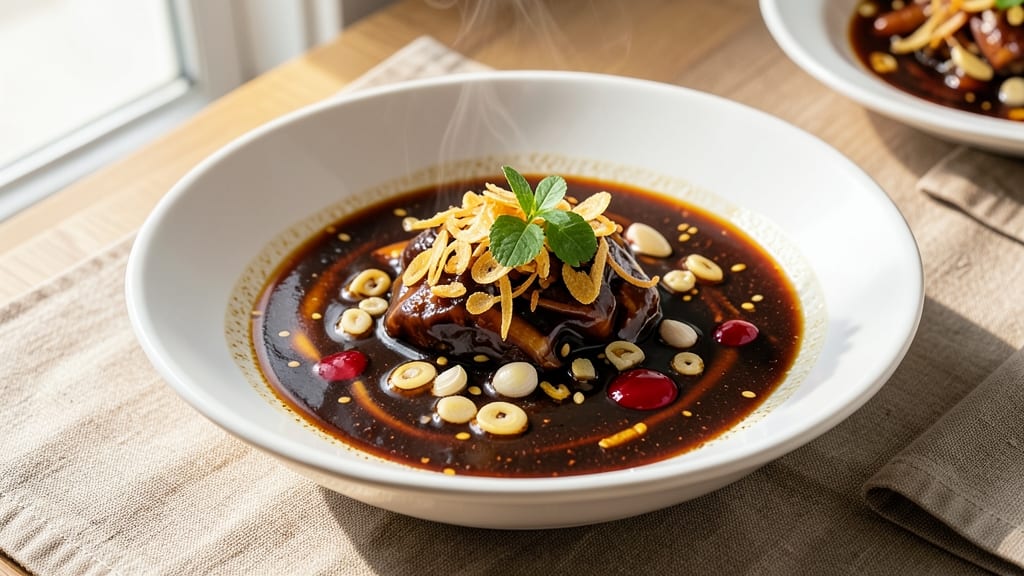
This authentic Asian stir fry sauce recipe delivers the perfect umami-packed balance that transforms ordinary stir-fries into restaurant-quality meals. The secret lies in simmering traditional ingredients—soy sauce, oyster sauce, and a touch of sugar—to create a glossy, flavorful base that clings to every bite. I developed this sauce after years of testing, ensuring it delivers that signature depth without overpowering your dish.
What sets this recipe apart is the emphasis on authenticity, using a simple yet powerful combination of garlic, ginger, and fermented black beans for that unmistakable Asian flavor profile. The sauce isn't just for stir-fries—it works as a marinade, dipping sauce, or even a glaze for roasted meats.
The key is achieving the right balance of salty, sweet, and savory, which we’ll perfect through careful simmering and emulsification.
By the end, you’ll have a sauce that’s rich, aromatic, and versatile enough to elevate any dish. The addition of a crunchy celery topping adds texture and freshness, making it a complete flavor experience.
Whether you're cooking for a weeknight dinner or a special occasion, this sauce will become your go-to for authentic Asian flavors.
The best part? It’s easy to make and keeps well in the fridge for up to a week, so you can always have that restaurant-quality taste at home. Let’s get started on creating a sauce that will change the way you cook stir-fries forever.
Ingredients for authentic asian stir fry sauce
Twelve ingredients, one transformative sauce—authentic Asian flavors that elevate every stir-fry.
| Ingredient | Amount | Notes |
|---|---|---|
| Light Soy Sauce 🥢 | ½ cup | High-quality, preferably Japanese |
| Dark Soy Sauce 🥢 | ¼ cup | For deeper color and flavor |
| Oyster Sauce 🦪 | ¼ cup | Thick, rich variety preferred |
| Sesame Oil 🫒 | 1 tbsp | Toasted, for aroma |
| Rice Vinegar 🍶 | ¼ cup | White or seasoned |
| Granulated Sugar 🍚 | 2 tbsp | Or brown sugar for depth |
| Fresh Garlic Cloves 🧄 | 6 cloves | Minced, aromatic |
| Fresh Ginger 🌿 | 2 tbsp | Grated, finely |
| Fermented Black Beans 🫘 | 2 tbsp | Rinsed, chopped |
| Celery Stems 🥬 | ½ cup | Finely chopped, for crunch |
| Green Onions 🧅 | 2 whole | Thinly sliced, for garnish |
| Cornstarch 🌾 | 1 tsp | For thickening |
| Water 💧 | ½ cup | For thinning if needed |
The soy sauces are the heart of this sauce—Japanese brands like Kikkoman deliver that authentic umami punch. Fermented black beans are non-negotiable for that signature funky depth (you can find them in the Asian aisle at Whole Foods or Trader Joe's). Fresh ginger and garlic? Buy extra—you’ll want them for other dishes too. The celery topping might seem simple, but crunchy, fresh stalks make all the difference. For oyster sauce, Lee Kum Kee is the gold standard, but any thick, rich brand works. Pro tip: Toast your sesame oil in a dry pan for 30 seconds before adding to the sauce—that aroma is pure magic.
No fermented black beans? Double the soy sauce and add a dash of fish sauce (if vegetarian, use soy sauce + a splash of vinegar). Short on celery? Substitute with thinly sliced jicama for that same crisp texture. The sauce can be made without cornstarch, but it’ll be thinner—just whisk in water to reach your desired consistency. For extra depth, a pinch of white pepper or red pepper flakes adds a subtle kick. And if you’re feeling adventurous, swap half the rice vinegar for mirin—it’ll sweeten the sauce beautifully while keeping that authentic touch.
This sauce keeps for up to 1 week in the fridge, sealed tightly in a jar. Double the batch—it disappears fast. For freezing, portion into ice cube trays, then transfer to a bag. Thaw overnight in the fridge or microwave for 20 seconds. The celery topping stays fresh for 3 days if stored separately in a sealed container. Use it on everything: stir-fries, dumplings, grilled meats, or even as a marinade. Trust me, once you try this, you’ll never buy bottled sauce again.
Why You'll Love This Recipe
- Five-Ingredient Magic: I swear by this combo—just stir, taste, adjust. No fancy techniques, no measuring cups stressing me out. The dark soy adds that deep, caramelized richness without extra effort, while the oyster sauce gives it that velvety depth in seconds.
- Umami Bomb: Honestly, the way light soy and oyster sauce play together? It’s like a flavor explosion in your mouth. That little hit of rice vinegar cuts through the saltiness, and the sesame oil? It’s the secret weapon—just a teaspoon, but it makes everything taste finished.
- Pantry Staple Power: This sauce turns any random veggies or protein into a restaurant-worthy dish. I’ve used it for weeknight dinners, potlucks, and even as a quick marinade. The best part? It keeps in the fridge for weeks, so I’m never scrambling for takeout again.
- Budget-Friendly Flex: Between us, this is my wallet’s favorite recipe. A few dollars’ worth of ingredients stretch across so many meals—double batches, freeze half, and you’ve got dinner covered for days. Plus, no weird specialty items to break the bank.
Step-by-step instructions for authentic Asian stir fry sauce
This sauce delivers restaurant-quality depth with perfect umami balance and a signature crunchy celery topping.
Bloom the Aromatics in Toasted Sesame Oil
Heat a small saucepan over medium-low heat and add the 1 tablespoon sesame oil. Let it warm through until fragrant—about 30 seconds—but don't let it smoke. Add the 6 cloves minced fresh garlic cloves and 2 tablespoons finely grated fresh ginger, stirring constantly for 1 minute until the garlic turns pale golden and aromatic.
Here's where the magic starts: the toasted sesame oil releases its nutty aroma while the garlic and ginger infuse their bright, zesty flavors. If the oil starts to smoke, reduce the heat immediately—burnt garlic ruins the sauce. Keep these aromatics moving so they cook evenly without browning.
Combine Sauce Base Ingredients
Increase heat to medium and add the 0.5 cup light soy sauce, 0.25 cup dark soy sauce, and 0.25 cup oyster sauce. Stir continuously for 2 minutes to let the soy sauces meld with the aromatics. Then add the 0.25 cup rice vinegar and 2 tablespoons granulated sugar, stirring until the sugar dissolves completely.
The dark soy sauce will give your stir fry that signature glossy mahogany color, while the oyster sauce adds rich, briny depth. I like to taste at this stage—you should detect bright acidity from the vinegar balanced by sweetness. If it tastes too sharp, add a pinch more sugar. This is your flavor foundation.
Thicken and Prepare the Celery Topping
In a small bowl, whisk together the 1 teaspoon cornstarch with 0.25 cup water until smooth. Return this slurry to the saucepan and bring to a gentle simmer over medium heat, stirring constantly for 3-4 minutes until the sauce thickens to a glossy, coatable consistency. It should coat the back of a spoon but still be pourable.
While the sauce thickens, prepare the celery topping by finely chopping the 0.5 cup celery stems and thinly slicing the 2 whole green onions. Set these aside—they'll add refreshing crunch and freshness when mixed in at the end. The celery should be cut uniformly so it distributes evenly throughout your stir fry.
Incorporate Fermented Black Beans and Finish
Remove the sauce from heat and stir in the 2 tablespoons rinsed, chopped fermented black beans. These add a subtle funky depth that elevates the sauce from good to exceptional. Let the mixture sit for 2 minutes to allow the beans to soften slightly and release their flavor.
Finally, fold in the chopped celery and green onions. The celery will soften slightly but maintain its crisp texture, while the green onions add a fresh, bright finish. Taste and adjust seasoning—you might want to add a splash more rice vinegar for acidity or a touch of soy sauce for saltiness. This sauce should be balanced with sweet, salty, sour, and umami all working together.
Use Immediately or Store Properly
For best results, use the sauce immediately over your stir fry. If storing, transfer to an airtight container and refrigerate for up to 5 days. Before using, gently reheat over low heat, stirring frequently to prevent scorching. The celery topping may soften further when reheated, but the sauce will maintain its perfect consistency.
This sauce works beautifully with chicken, shrimp, tofu, or vegetables. The key to authenticity lies in the balance of flavors and textures—don't skip the celery topping! It's what transforms a good stir fry into a memorable one. Serve warm for the ultimate experience.
Pro Tips For Making Authentic Asian Stir Fry Sauce
- Bloom the Soy Sauces: Light soy sauce adds color, but if you toss it in raw, it’ll turn your sauce murky—like dumping ink in water. Heat it first in the wok (just until steaming) to deepen its hue and mellow its sharpness. Dark soy sauce? Add it last—it’s for color, not flavor, so don’t let it burn.
- Taste Before Oyster Sauce: Oyster sauce is salty and thick—easy to overdo. After mixing light/dark soy and vinegar, taste the base first. If it’s bland, add a splash of water or a pinch of sugar; if it’s too salty, dilute with a little more vinegar. Then then stir in the oyster sauce.
- Whisk the Sesame Oil: Sesame oil smells amazing but burns faster than you’d think. Heat it separately in a tiny pan (just until fragrant, 10 seconds max), then whisk it into the sauce last—not a drop earlier. Otherwise, it’ll turn bitter and ruin the whole dish.
- Vinegar First, Not Last: Rice vinegar brightens the sauce, but adding it at the end lets the acidity fade. Mix it in with the soy sauces while heating—the heat helps the flavors marry. Skip this, and your sauce will taste flat, like someone forgot the lemon in their dressing.
Storing and reheating your leftovers
Fridge Storage Tips
Store your sauce in an airtight glass jar—I prefer Le Parfait 16-ounce jars—to preserve freshness. The sauce keeps for up to 5 days in the fridge, but the celery topping stays crispest for 3 days if stored separately in a sealed container.
Always cool the sauce completely before refrigerating to prevent condensation, which can dilute flavors. 🥫
Freezing for Later Use
Portion the sauce into ice cube trays for easy thawing, then transfer to a freezer bag with all air squeezed out. Label with the date—it freezes well for up to 3 months.
Thaw overnight in the fridge for best texture, or microwave for 20 seconds if you're in a hurry. The celery topping won't survive freezing well, so add fresh when reheating.
Reheating Sauce Properly
Gently reheat sauce over low heat in a small saucepan, stirring constantly to prevent scorching. Add 1-2 tablespoons water if it thickens too much during reheating. For microwave reheating, use 30-second intervals on medium power, stirring between each interval. The sauce should reach 165°F for food safety. 🔥
Reviving Crispy Celery
If your celery topping loses crispness when reheating, toss it in 1 teaspoon toasted sesame oil and ½ teaspoon rice vinegar before mixing back into the sauce. For extra crunch, add 1 tablespoon finely chopped fresh celery right before serving. This quick fix restores that essential texture contrast.
Sauce Consistency Fixes
If your sauce thickens too much when reheated, thin with 1 teaspoon water or rice vinegar. For a thicker sauce, simmer with ½ teaspoon cornstarch mixed into 1 tablespoon water until it reaches your desired consistency. The key is adjusting while warm—cold sauce won't respond well to thickening attempts.
Leftovers Reinvention
Use leftover sauce as a marinade for grilled chicken or shrimp (30-60 minutes), or as a glaze for roasted vegetables. For a quick stir-fry, toss with tofu, bell peppers, and snap peas—the sauce's depth shines in these applications.
Don't let leftovers go to waste; this sauce transforms simple meals into restaurant-quality dishes. ✨
Nutrition facts
Frequently asked questions
Can I make this sauce without fermented black beans?
If you can't find fermented black beans, double the soy sauce to 1 cup total and add 1 teaspoon fish sauce (or ½ teaspoon soy sauce + ½ teaspoon vinegar for vegetarian). The umami depth will still shine, though the funky complexity will differ slightly. For extra richness, add 1 teaspoon mushroom powder or a splash of hoisin sauce.
How spicy should this sauce be?
This recipe is designed to be mild and balanced, but you can easily adjust it! For a spicy kick, stir in ½ teaspoon chili flakes or 1 teaspoon sriracha at the end. For heat lovers, add 1 teaspoon gochujang when combining the base ingredients. Start with less—you can always add more!
Why does my sauce taste too salty?
If your sauce tastes overpoweringly salty, it's likely from too much soy sauce. Balance it by adding 1-2 tablespoons rice vinegar or 1 teaspoon sugar to cut the saltiness. For a quick fix, stir in 1 tablespoon water or 1 teaspoon cornstarch slurry to dilute the flavors. Taste as you go—authentic Asian sauces should have layers, not just salt!
Can I use this sauce for dishes other than stir-fry?
This versatile sauce works beautifully beyond stir-fries! Use it as a marinade for grilled chicken or shrimp (30-60 minutes), a dipping sauce for spring rolls or dumplings, or a glaze for roasted vegetables or tofu. Even toss it with cold noodles for an instant upgrade. The key is balancing the sauce with your dish's natural flavors.
What's the best way to thin a sauce that's too thick?
If your sauce thickens too much, stir in 1 teaspoon water or rice vinegar at a time until it reaches the right consistency. For a smoother texture, whisk in ½ teaspoon cornstarch mixed with 1 tablespoon water and simmer for 1-2 minutes. Avoid adding too much liquid at once—build it gradually to maintain balance.