
Sauces & Condiments
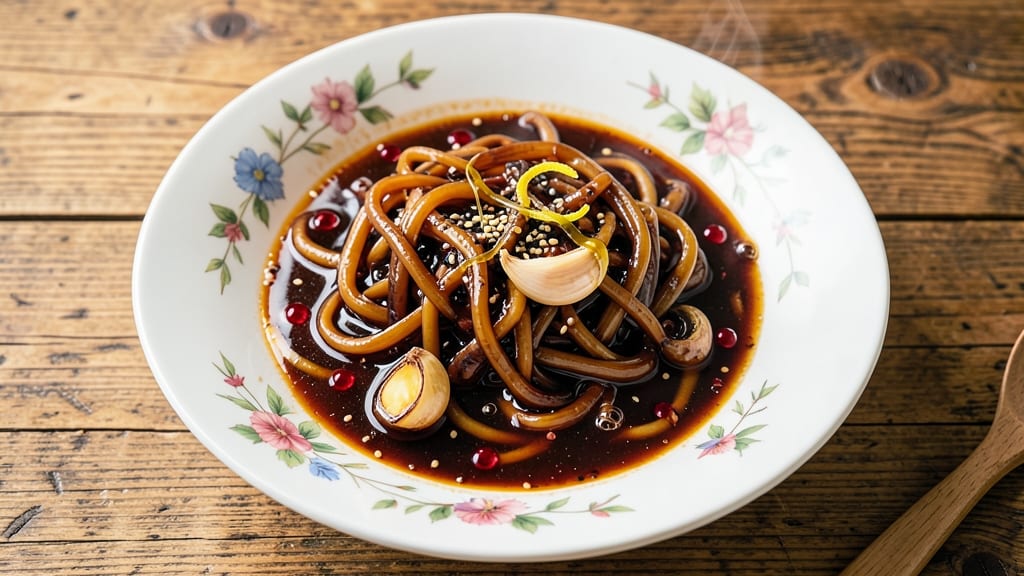
This awesome stir fry sauce recipe transforms ordinary stir-fries into restaurant-quality masterpieces with just a few simple ingredients. The secret lies in balancing bold umami flavors from soy and oyster sauces with the bright, tangy zing of rice vinegar and a touch of honey for depth.
I've perfected this blend over years of testing, ensuring it works equally well with classic beef stir-fries or modern vegetable dishes.
The sauce delivers a perfect harmony of savory, sweet, and slightly spicy notes that cling beautifully to proteins and vegetables. What sets this recipe apart is the hidden vinegar zing—just a splash of rice vinegar at the end brightens the entire sauce without overpowering the rich umami base.
The best part? It takes less than 10 minutes to make and keeps for up to 2 weeks in the fridge, ready to elevate any meal.
With this sauce, you'll achieve that perfect glaze—sticky, flavorful, and just sweet enough to complement any stir-fry combination. Whether you're cooking quick weeknight dinners or hosting a dinner party, this versatile sauce adapts effortlessly to beef, chicken, shrimp, or even tofu.
The ingredients are simple, but the flavor impact is undeniable.
Ready to make stir-fry night exciting again? This sauce is your secret weapon for restaurant-quality results at home. Let's get started!
Ingredients for awesome stir fry sauce
Nine simple ingredients create this bold, umami-packed sauce that turns any stir-fry into a restaurant masterpiece.
| Ingredient | Amount | Notes |
|---|---|---|
| Soy Sauce 🥢 | ½ cup | Light or dark variety preferred |
| Oyster Sauce 🦪 | ¼ cup | High-quality for best flavor |
| Rice Vinegar 🍶 | ¼ cup | Brightens the entire sauce |
| Honey 🍯 | 2 tbsp | For perfect sweet depth |
| Sesame Oil 🌰 | 1 tbsp | Toasted for nutty aroma |
| Garlic Cloves 🧄 | 3 cloves | Minced for bold flavor |
| Fresh Ginger 🌿 | 1 tbsp | Finely grated, fresh preferred |
| Red Pepper Flakes 🌶️ | 1 tsp | Adjust for heat preference |
| Cornstarch 🌾 | ½ tbsp | For thickening sauce |
| Water 💧 | ½ cup | For thinning consistency |
The soy and oyster sauces are the heart of this sauce—La Choy and Lee Kum Kee are my go-tos, but any quality brand works. For the vinegar, Kikkoman rice vinegar has that perfect tang, but sub with apple cider vinegar if needed. Fresh ginger and garlic? Always buy extra—you'll use them in everything once you start making this sauce. The honey should be pure, no additives. Trader Joe's has great options, or grab a small jar from the baking aisle. Toast your sesame oil in a dry pan for 30 seconds before adding—trust me, it's worth it.
No oyster sauce? Substitute with extra soy sauce plus a splash of fish sauce—it mimics that umami depth. Short on honey? Maple syrup works 1:1. Want more heat? Add a dash of sriracha or chili crisp instead of red pepper flakes. The cornstarch is key for that perfect glaze—Bob's Red Mill is my brand of choice, but any food-grade starch works. If your sauce gets too thick, water thins it beautifully. Pro tip: Make a double batch—this sauce freezes perfectly for up to 3 months.
This sauce keeps for 2 weeks in the fridge, sealed in a jar with a splash of water over the top to keep it fresh. For extra flavor, let it sit at room temp for 10 minutes before using—the flavors meld beautifully. It's perfect for beef, chicken, shrimp, or tofu stir-fries, and even drizzled over noodles. Double the recipe if you're feeding a crowd—it disappears fast. Store leftovers in ice cube trays for perfect single-use portions.
Why You'll Love This Recipe
- Five-Ingredient Magic: I swear by this—just mix soy sauce, oyster sauce, vinegar, honey, and a splash of sesame oil. No chopping, no waiting, no stress. Honestly, I’ve made stir-fry sauces with 10+ ingredients, and this beats them all.
- Umami Bomb: The combo of salty soy, briny oyster sauce, and that sweet honey hit is ridiculously good. That final drizzle of sesame oil? Pure satisfaction—nutty, aromatic, and it ties everything together like a hug.
- Weeknight Wonder: This sauce works for takeout nights, quick lunches, or even drizzled over noodles when you’re too tired to cook. I’ll be real: it’s my go-to when I forget to meal prep, and it still feels special.
- Budget-Friendly Staple: Oyster sauce and sesame oil might sound fancy, but a little goes a long way. I’ve used this for months, and it’s cheaper than buying pre-made sauces. Plus, it keeps in the fridge forever—no waste.
Step-by-step instructions for bold umami stir fry sauce
This sauce delivers restaurant-quality depth in minutes—simple steps, big flavor.
Combine Wet Ingredients for Perfect Balance
In a medium bowl, whisk together the 0.5 cup soy sauce, 0.25 cup oyster sauce, and 0.25 cup rice vinegar. I like to use a fork for this—it creates small bubbles that help blend the flavors more thoroughly. The vinegar might seem like an odd addition, but it cuts through the richness and adds that bright, tangy zing that makes this sauce truly special.
Next, stir in the 2 tbsp honey and 1 tbsp sesame oil. The honey should dissolve completely—if it doesn't, give it a quick pulse in a blender to create a smooth mixture. This is where the sauce starts to come together, balancing the salty-savory with just the right amount of sweetness and nutty depth from the sesame oil.
Infuse with Aromatics and Heat
Add the 3 minced garlic cloves and 1 tbsp finely grated fresh ginger to the bowl. Give everything a good stir to distribute the aromatics evenly. The raw garlic and ginger will mellow as they sit, but they'll still contribute that essential punch of flavor. For heat, sprinkle in the 1 tsp red pepper flakes—this is where you can adjust to your taste. If you like it spicier, add a pinch more; if you prefer mild, reduce slightly.
Let the mixture sit for 5 minutes at room temperature. This resting period allows the flavors to meld slightly before we thicken the sauce. You'll notice the aroma becomes more complex—the garlic and ginger will soften just enough to integrate perfectly without overpowering the other ingredients.
Thicken to Ideal Consistency
In a small bowl, whisk together the 0.5 tbsp cornstarch and 0.5 cup water until completely dissolved. This slurry is what will transform our sauce from a thin glaze to a perfect coating. Pour the slurry into the sauce mixture and stir vigorously for 1 minute to ensure even distribution.
Transfer the sauce to a small saucepan and place it over medium heat. Bring to a gentle simmer, then reduce the heat to low and let it cook for 3-4 minutes, stirring constantly. You're looking for the sauce to thicken enough to coat the back of a spoon—it should look glossy and slightly syrupy. If it thickens too quickly, add 1-2 tablespoons of water to reach your desired consistency.
Finish and Test for Perfection
Remove the sauce from heat and taste it immediately. This is your quality control moment! The sauce should be perfectly balanced—salty from the soy and oyster sauces, sweet from the honey, tangy from the vinegar, and with a subtle heat from the red pepper flakes. If it needs more salt, add a pinch at a time. If it needs more sweetness, stir in a touch more honey.
Let the sauce sit for 10 minutes before using. This resting period allows all the flavors to fully develop and meld together. The sauce will thicken slightly more as it cools, so if you're using it immediately, you can thin it with a splash of water if needed. Now it's ready to elevate any stir fry, noodles, or grilled proteins to restaurant-quality status!
Pro Tips For Making Awesome Stir Fry Sauce
- Whisk It Hot: Heat the soy sauce and honey together for 10 seconds before adding vinegar—this melts the honey faster and blends everything smoother. I used to add cold honey and end up with clumpy sauce; now it’s silky every time.
- Taste Before Sesame: Add the sesame oil last and taste the base first—it’s the only way to know if your balance of sweet, salty, and tang is right. Trust me, you’ll regret pouring in that last drizzle only to realize the sauce needs more vinegar.
- Skip the Raw Vinegar: Warm the rice vinegar slightly (just until it steams) before mixing—it mellows the sharpness and lets the flavors marry better. Cold vinegar hits like a punch, and no one wants that in a stir-fry sauce.
- Use Real Oyster Sauce: If your oyster sauce tastes like saltwater, switch to a brand with actual oyster extract—it adds depth the cheap stuff can’t match. I learned this after making sauce that tasted like soy sauce with a sad aftertaste.
Perfect pairings for this recipe
Classic Stir-Fry Pairings
This sauce shines with traditional stir-fry proteins like beef strips or chicken breast, but don't limit yourself. For a vegetarian twist, use extra-firm tofu or mushrooms—just marinate them first in a little soy sauce and cornstarch.
I love tossing bell peppers, broccoli, and snap peas in the wok first—they soften slightly while keeping their vibrant color. The sauce clings beautifully to everything, creating that perfect glossy finish. 🥦
Noodle & Rice Complements
Transform your stir-fry into a full meal by serving it over steamed jasmine rice or udon noodles. The sauce's balance of sweet, salty, and tangy works perfectly with the neutral base of rice, while the chewy texture of noodles soaks up every drop.
For extra flair, drizzle a little extra sauce over ramen or lo mein—it adds instant depth. I also love using it as a dipping sauce for dumplings or spring rolls.
Protein-Specific Tips
For shrimp, add a splash of lime juice to the sauce just before serving—the acidity brightens the seafood flavor. With pork, a pinch of five-spice powder in the sauce adds warmth that complements the meat's richness.
And for tofu, press it first to remove excess water, then pan-fry until crispy—this texture contrast makes the sauce taste even better. 🍤
Unexpected Uses
This sauce isn't just for stir-fries! Use it as a marinade for grilled chicken skewers or as a glaze for roasted vegetables. I've even drizzled it over cold noodle salads—the tangy-sweet combo cuts through the richness.
For a quick weeknight dinner, toss the sauce with leftover rice, scrambled eggs, and green onions for a fusion-style breakfast bowl. The possibilities are endless!
Beverage Pairings
Pair this bold sauce with jasmine tea to cleanse your palate between bites—the floral notes balance the umami. For beer lovers, a light lager like Asahi or Sapporo complements the sauce's brightness.
If you prefer wine, a dry Riesling enhances the vinegar's tang without overpowering. And for something refreshing, try sparkling yuzu soda—the citrus cuts through the richness beautifully. 🍷
Nutrition facts
Frequently asked questions
Can I make this sauce without oyster sauce?
For every 0.25 cup of oyster sauce called for, substitute with 0.25 cup soy sauce plus 1 teaspoon fish sauce—this combo mimics the umami depth perfectly. The fish sauce adds that extra layer of savory complexity that oyster sauce provides. If you don't have fish sauce, just use 0.3 cup extra soy sauce and add a pinch of sugar to balance the flavors.
How do I adjust the heat level? Start with the 1 teaspoon red pepper flakes as written, then adjust to taste. For mild heat, reduce to 0.5 teaspoon. For extra spice, add 1 teaspoon chili crisp or sriracha along with the red pepper flakes.
Can I prepare this sauce ahead of time?
Yes! This sauce actually tastes better after resting. Make it up to 2 weeks in advance and store it in an airtight container in the fridge. For even longer storage, freeze it in ice cube trays—just thaw and reheat when needed. The flavors meld beautifully over time, making it perfect for meal prep. Just give it a quick stir before using, as it may thicken slightly when refrigerated.
What's the best way to use leftover sauce?
Leftover sauce is incredibly versatile! Use it as a marinade for grilled chicken or beef skewers, drizzle over roasted vegetables, or toss with cold noodle salads for instant flavor. It also makes an amazing dipping sauce for spring rolls or dumplings. For a quick weeknight meal, stir it into leftover rice with scrambled eggs—it transforms everything into a restaurant-quality dish in minutes.
Why does my sauce get too thick?
If your sauce thickens too much during cooking, it's likely because the cornstarch mixture reacted faster than expected. To fix it, simply add 1-2 tablespoons of water while stirring constantly over low heat. For future batches, reduce the cornstarch by 0.25 teaspoon if you prefer a thinner consistency. Remember that sauces thicken further as they cool, so it's better to err on the thinner side when cooking.