
Sauces & Condiments
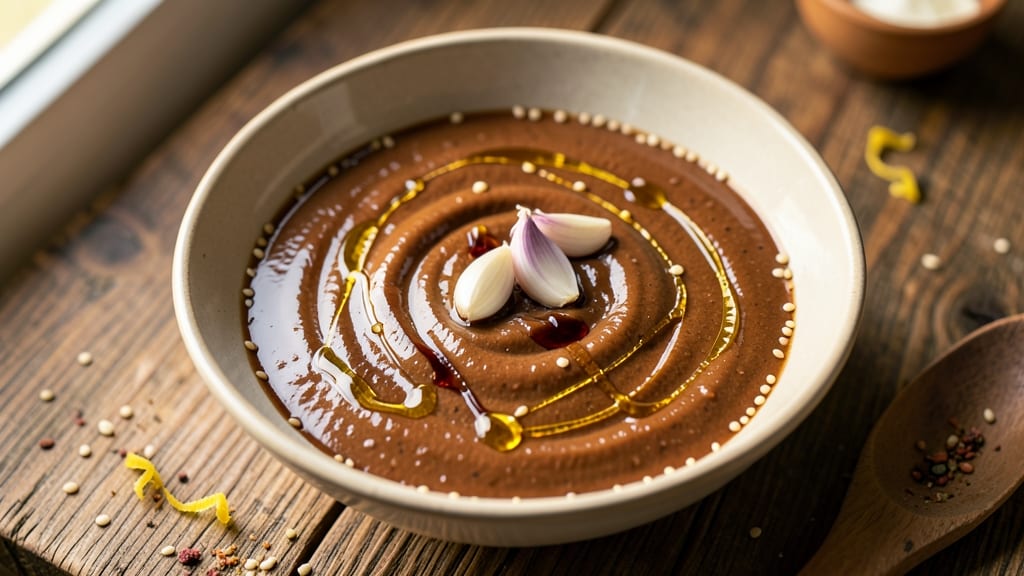
This Asian tahini sauce recipe transforms simple pantry staples into a nutty, tangy drizzle that elevates everything from grain bowls to grilled vegetables. The secret lies in balancing tahini's richness with bright lime juice and aromatic garlic, creating a sauce that's both complex and effortlessly versatile.
I developed this version after years of testing—it's the one that finally sticks to bowls without curdling and delivers that perfect harmony of sesame, citrus, and umami in every bite.
The beauty of this sauce comes from its adaptability—it works as a dressing for salads, a marinade for tofu or chicken, or a drizzle over noodle bowls.
What makes it special is the texture: silky yet lightly textured from the tahini, with just enough acidity from lime to cut through richness. The maple syrup adds subtle sweetness that rounds out the flavors, while soy sauce and sesame oil deepen the Asian-inspired profile without overpowering.
By the time you whisk together these five simple ingredients, you'll have a sauce that's restaurant-quality yet takes less than 10 minutes to make. The tahini provides that signature nutty depth, while the lime keeps it fresh and vibrant.
What sets this apart from basic tahini dressings is the careful balance—too much acid and it becomes harsh; too little and it loses its brightness. This version gets it just right.
Use it immediately on warm bowls or store it in the fridge for up to a week—it actually tastes better as the flavors meld. The possibilities are endless: drizzle over shawarma plates, toss with roasted vegetables, or use as a dip for pita chips.
Here's how to make it perfectly every time.
Ingredients for asian tahini sauce
Five pantry staples create this creamy, tangy sauce that sticks to bowls perfectly.
| Ingredient | Amount | Notes |
|---|---|---|
| Tahini 🥜 | ½ cup | Sesame paste, unsweetened preferred |
| Fresh Lime Juice 🍋 | ¼ cup | About 2-3 limes, freshly squeezed |
| Pure Maple Syrup 🍯 | 1 tbsp | Grade B for deeper flavor |
| Toasted Sesame Oil 🫒 | 1 tbsp | For aroma and depth |
| Light Soy Sauce 🥢 | 1 tbsp | Or tamari for gluten-free |
| Garlic Cloves 🧄 | 2 cloves | Freshly minced for brightness |
| Water 💧 | ¼ cup | Adjust for desired consistency |
| Sea Salt 🧂 | ½ tsp | Diamond Crystal preferred |
| Black Pepper 🌶️ | ¼ tsp | Freshly cracked for heat |
Tahini is the star—Whole Foods or Trader Joe's carry the best unsweetened varieties. Look for creamy texture and no separation in the jar. If your tahini is too thick, microwave it 20 seconds to loosen. The lime juice should be freshly squeezed (no bottled stuff)—Mexican limes have more acidity, but regular ones work too. For the garlic, I always use freshly minced—it makes a huge difference in flavor. Store-bought minced garlic just doesn't cut it here.
No tahini? Cashew butter or peanut butter works in a pinch, but the flavor will be different. Short on lime juice? Substitute lemon juice at half the amount, but you'll lose some of that signature Asian tang. The maple syrup can be swapped for agave or date syrup, though maple adds that subtle caramel note. For extra richness, add 1 tsp of miso paste. If the sauce gets too thick, thin it with warm water—never cold, or it'll curdle. The sesame oil should be toasted, not the regular kind—it's what gives that nutty aroma.
This sauce keeps beautifully—1 week in the fridge sealed in a jar. The flavors actually deepen overnight, so make extra. If it separates, just whisk it back together before using. For best texture, store it in a glass jar with a tight seal. Freezes for 3 months if you want to prep ahead. I always make double batches because it disappears fast—great for meal prep bowls or last-minute drizzles.
Why You'll Love This Recipe
- Five-Ingredient Magic: I swear by this recipe—just tahini, lime, maple syrup, sesame oil, and soy sauce. No fancy prep, no measuring cups cluttering my counter. Honestly, I’ve made it while scrolling through my phone because it’s that simple.
- Umami Zing: That balance of creamy tahini, bright lime, and toasted sesame oil? It’s the kind of flavor that makes you pause mid-bite. The maple syrup adds just enough sweetness to cut through the richness, while the soy sauce ties it all together like a secret handshake.
- Drizzle Everywhere: Dressing for bowls? Check. Dip for veggies or spring rolls? Done. Even a quick stir into ramen or a marinade for chicken. Between us, I’ve used it on everything from takeout to lazy Sunday brunches—it’s my go-to for instant flavor without the fuss.
- Budget-Friendly Staple: Tahini is pricey, but a little goes a long way. I buy it in bulk, and this sauce lasts me weeks in the fridge. Plus, the other ingredients—lime, maple syrup, soy sauce—are pantry basics. Not the prettiest, but the taste makes up for it every time.
Step-by-step instructions for Asian tahini sauce
This creamy, tangy sauce comes together in minutes with just a whisk and patience.
Whisk Tahini and Lime Juice Until Smooth
In a medium bowl, combine the 0.5 cup tahini and 0.25 cup fresh lime juice. Start whisking vigorously—this is the most important step. The tahini will resist at first, forming clumps, but keep going until the mixture becomes completely smooth and glossy. You're breaking down the tahini's natural oils, so don't rush this part.
If the mixture looks too thick after a minute, add 1 tablespoon of water at a time until it reaches a pourable consistency. You want a thick but spreadable texture, not watery. The lime juice will start to cut through the richness immediately, giving you that bright, tangy foundation for the sauce.
Add Sweetness and Umami Layers
Next, stir in the 1 tablespoon pure maple syrup and 1 tablespoon light soy sauce. The maple syrup balances the acidity while adding subtle depth, while the soy sauce brings that essential umami punch. Add the 2 cloves minced garlic and 1 tablespoon toasted sesame oil—this is where the sauce starts to come alive with aroma.
Give everything a good stir with a spoon to distribute the flavors evenly. The sesame oil will add a nutty aroma that should be noticeable immediately. If you're using tamari instead of soy sauce, the flavor will be slightly more complex but still delicious—just be aware it might be saltier, so you may want to adjust the sea salt later.
Season and Thin to Desired Consistency
Add the 0.5 teaspoon sea salt and 0.25 teaspoon black pepper, then taste and adjust if needed. You want a balance of saltiness, acidity, and nutty richness. Now for the final step: thin the sauce to your preferred consistency. Start with the remaining 0.25 cup water—add it gradually while whisking continuously.
For a thicker sauce (great for drizzling), use less water. For a thinner, more pour-able sauce (ideal for dressings), add more. The sauce should coat the back of a spoon but still be pourable. If you find it too thick later, you can always thin it with a splash of water or even a little more lime juice for brightness.
Rest and Adjust Before Serving
Let the sauce sit for 5-10 minutes at room temperature. This resting period allows the flavors to meld together beautifully. Give it a final taste and adjust the seasoning if needed—maybe a pinch more salt or a squeeze of lime to brighten it up.
This sauce is incredibly versatile. Use it as a drizzle for grilled meats, a dip for spring rolls, or a dressing for salads. The balance of sweet, savory, nutty, and tangy makes it perfect for almost any dish. Store any leftovers in an airtight container in the refrigerator for up to 5 days, though I doubt it'll last that long!
Pro Tips For Making Asian Tahini Sauce
- STIR CONSTANTLY AT FIRST: Tahini and lime juice don’t play nice—adding lime straight to tahini makes it seize up like glue. Start by whisking tahini with a splash of warm water (or soy sauce) until smooth, then slowly drizzle in lime juice while stirring like you’re painting a fence. I learned this the hard way after scraping globs off my whisk.
- USE AGED TAHINI IF POSSIBLE: Fresh tahini tastes bitter and gritty. If your pantry version is young (less than 6 months old), toast it first: spread on parchment, bake at 300°F for 10 minutes until nutty-smelling. Aged tahini (1+ years) skips this step entirely—just whisk it like butter. Your sauce will thank you.
- MEASURE LIQUIDS FIRST: Tahini is thick, and eye-balling ratios ruins balance. Mix lime juice, maple syrup, and soy sauce before adding to tahini—this prevents clumping. I used to dump everything in at once and ended up with a lumpy mess. Pre-mixing takes 10 seconds but saves 5 minutes of frustration.
- DRIZZLE SESAME OIL LAST: Toasted sesame oil burns off fast. Add it at the very end, just before serving, or the flavor turns bitter. A few drops (½ tsp max) is enough—any more and you’ll taste solvent. Save the rest for garnishing or another dish.
Make-ahead tips for this asian tahini sauce
Batch Prep Strategy
Make a double batch right away—this sauce tastes even better after flavors meld for 24 hours. I always prep 1.5 cups (3x the recipe) and store it in two 8-ounce glass jars. The extra sauce becomes my go-to for quick meals during the week. 💫
Fridge Storage Tips
Store in an airtight glass jar (like Klean Kanteen or Le Parfait) in the fridge for up to 7 days. The glass preserves texture better than plastic.
If it separates slightly, just whisk vigorously before using—it’ll come back together perfectly. I keep mine on the middle shelf where temps stay most stable.
Freezer Prep Hack
For long-term storage, portion into ice cube trays—each cube equals 1 tablespoon of sauce. Once frozen, transfer cubes to a ziplock bag and flatten to save space. Thaw overnight in the fridge or use directly from frozen (add 1 tsp water per cube to restore consistency).
This method works great for meal prep when you need just a little sauce at a time.
Thawing & Reheating
If frozen, thaw in the fridge overnight for best results. For quick use, place the jar in a bowl of warm water for 5-10 minutes while stirring occasionally. Never microwave—it can break down the tahini's delicate emulsion.
If the sauce thickens after refrigeration, thin with 1 tsp warm water or lime juice per 2 tbsp sauce.
Flavor Evolution
The sauce actually improves over time—Day 2 is when the garlic and lime flavors deepen beautifully. I like to taste it after 24 hours and adjust with a pinch of salt or extra lime if needed.
The nutty sesame notes become more pronounced, making it even more complex. This is why I always make extra—it disappears fast once people discover how versatile it is!
Travel-Friendly Packing
For on-the-go use, transfer to a small mason jar (like Ball 4-ounce) with a tight lid. The sauce stays stable for 3 days unrefrigerated if packed in a thermos-style container.
I use this when traveling or for lunches—just add a squeeze of lime before eating to revive the bright flavors. The glass jar also doubles as a cute serving vessel for dipping sauces at gatherings.
Nutrition facts
Frequently asked questions
Can I substitute tahini with another nut or seed butter?
Yes, but expect different flavors. Cashew butter works best for a neutral base, while peanut butter adds a sweeter, earthier note. For an authentic sesame flavor, try white sesame paste (found in Asian markets). Avoid almond butter—it can make the sauce too light and lose that signature nutty depth. If using substitutes, start with 0.5 cup and adjust thickness with water.
Why did my sauce turn grainy or separate?
This usually happens from cold ingredients or rushing the whisking. Always use room-temperature tahini and whisk vigorously for 2-3 minutes until completely smooth. If separation occurs later, whisk in 1 tsp warm water or a splash of lime juice to restore emulsion. For prevention, add ingredients gradually while whisking continuously.
How can I make this sauce spicier?
Add ½-1 teaspoon of sriracha or freshly grated ginger for heat. For a smoky kick, stir in ½ teaspoon of chili flakes or a dash of gochujang. Start with small amounts—you can always add more, but removing spice is tricky. The black pepper in the original recipe already provides subtle warmth, so adjust based on your tolerance.
Is this sauce suitable for vegan diets?
All ingredients are plant-based: tahini, lime, maple syrup, sesame oil, soy sauce (or tamari), and garlic. Just ensure your soy sauce is vegan (most are, but check labels). The sauce contains no animal products and works perfectly as a vegan dressing or dip. For extra protein, drizzle over chickpea bowls or tofu dishes.
What are the best dishes to use this sauce with?
This versatile sauce shines on grilled meats, vegetable stir-fries, rice bowls, and fresh salads. Try it as a dip for spring rolls or crudité, a marinade for chicken or tofu, or a drizzle over ramen or pho. The nutty-sweet profile pairs beautifully with spicy foods to balance heat, or with herby dishes like tabbouleh.