
Sauces & Condiments
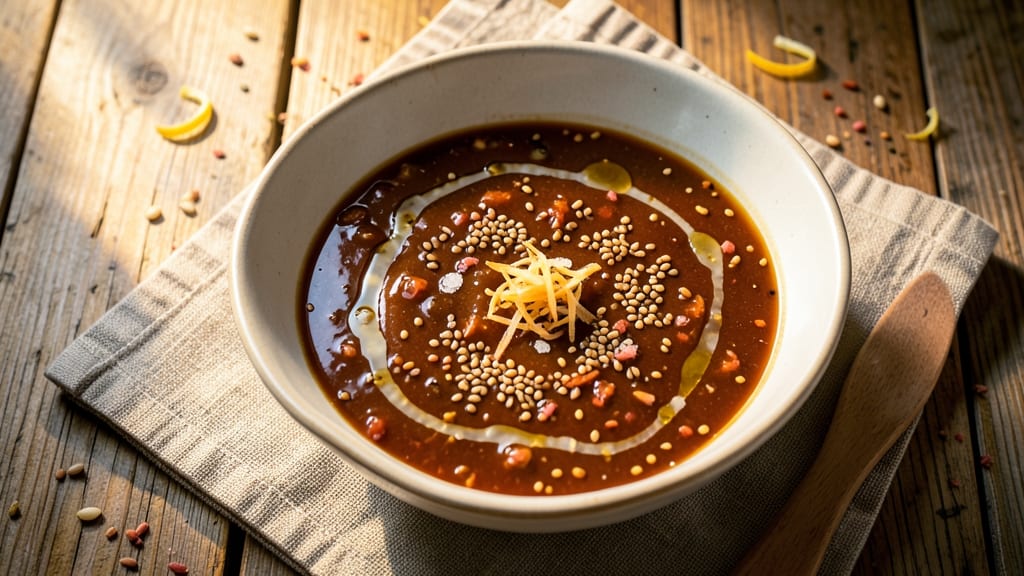
This Asian coleslaw sauce recipe transforms ordinary slaw into a vibrant, tangy-sweet masterpiece with just five simple ingredients. The secret lies in balancing sesame oil's nutty depth with the bright acidity of rice vinegar, creating a sauce that clings perfectly to crisp cabbage and carrots.
I developed this after years of experimenting with Asian-inspired slaws—this version delivers restaurant-quality flavor without requiring specialty ingredients.
The beauty of this sauce is its versatility—it elevates coleslaw, works as a dipping sauce for spring rolls, or even enhances grilled meats. The ginger adds a subtle kick that prevents the sweetness from overpowering, while soy sauce provides that essential umami backbone.
What makes it truly special is how quickly it comes together: just whisk, taste, and adjust until you hit that perfect harmony of sweet, tangy, and nutty.
What you'll end up with is a glossy, aromatic sauce that's rich enough to stand alone but balanced enough to complement any dish. The sesame seeds you sprinkle on top add texture and visual appeal, while the ginger's warmth cuts through the crunch of fresh vegetables.
This sauce keeps beautifully in the fridge for up to a week, making it perfect for meal prep or hosting gatherings.
For extra depth, try adding a dash of sriracha for heat or toasted sesame oil for nuttiness. The possibilities are endless, but the foundation remains the same: a perfectly balanced sauce that transforms simple ingredients into something extraordinary. Let's make this sauce!
Ingredients for asian coleslaw sauce
Five ingredients create this vibrant, restaurant-quality Asian coleslaw sauce with perfect tangy-sweet balance.
| Ingredient | Amount | Notes |
|---|---|---|
| Rice Vinegar 🍶 | ½ cup | White or seasoned variety preferred |
| Toasted Sesame Oil 🫒 | ¼ cup | High-quality, nutty aroma essential |
| Fresh Ginger 🌿 | 2 tbsp | Finely grated, aromatic |
| Low-Sodium Soy Sauce 🍶 | ¼ cup | Or tamari for gluten-free option |
| Granulated Sugar 🍯 | ¼ cup | Light brown sugar for depth |
| Toasted Sesame Seeds 🥜 | 2 tbsp | For garnish and texture |
| Garlic Cloves 🧄 | 2 cloves | Minced for subtle depth |
| Sriracha (Optional) 🌶️ | 1 tbsp | For heat adjustment |
The rice vinegar forms the sauce's bright, acidic backbone—Kikkoman or Mushroom brands deliver consistent quality. For sesame oil, prioritize toasted varieties from Asian markets or specialty stores like Trader Joe's; cheaper versions lack the nutty depth. Fresh ginger should smell vibrant and moist, not dry or fibrous. If using, minced garlic adds subtle complexity without overpowering. For soy sauce, low-sodium options prevent saltiness from dominating the delicate balance. The sugar can be swapped for honey or maple syrup, though granulated maintains the glossy finish essential for clinging to slaw.
No toasted sesame oil? Light olive oil plus 1 tsp sesame seeds mimics the flavor, though texture differs. Substitute rice vinegar with apple cider vinegar plus 1 tsp sugar for tang. For ginger-free versions, 1 tsp ground ginger works but lacks freshness. The optional sriracha can be replaced with gochujang (1 tbsp) for fermented heat. Store-bought sesame seeds? Toast them in a dry pan for 2 minutes to intensify flavor. All ingredients should be room temperature before combining to ensure smooth emulsification.
This sauce maintains peak freshness for 7 days refrigerated in an airtight container. For longer storage, freeze in ice cube trays—thaw and whisk before use. The sesame seeds oxidize quickly, so add them fresh when serving. For meal prep, double the batch and store half for future use. The sauce thickens slightly when chilled; thin with 1 tsp water** if needed. Garnish with extra sesame seeds immediately before serving to preserve crispness.
Why You'll Love This Recipe
- Five-Ingredient Magic: I swear by this—just vinegar, sesame oil, ginger, soy sauce, and sugar. That’s it. No fancy emulsifiers or standing over the stove for hours. The ginger alone cuts through the sweetness like a knife, but in the best way.
- Bright & Tangy: Honestly, the balance here is chef’s kiss. The rice vinegar gives it that sharp lift, while the toasted sesame oil adds this nutty warmth that makes you want to drizzle it on everything. It’s not heavy, not cloying—just perfectly bright.
- Meal Prep MVP: This sauce keeps for ages in the fridge—like, at least a week if you’re careful. I make a big batch on Sundays, toss it with pre-shredded cabbage, and boom: instant lunch for the week. (Yes, even on a Tuesday night.)
- Budget Brightener: Between us, this costs pennies to make. A splash of vinegar, a teaspoon of oil, a knob of ginger—you’re not breaking the bank, but you’re getting flavor that punches way above its weight. Perfect for stretching takeout leftovers or bulking up simple salads.
Step-by-step instructions for Asian coleslaw sauce
This vibrant sesame-ginger dressing delivers perfect balance—bright acidity, nutty depth, and subtle heat.
Grate and Mince Aromatics
Use a fine grater to process the 2 tablespoons of fresh ginger into a paste, pressing firmly to extract maximum flavor. Transfer to a small bowl and set aside. For the 2 cloves garlic, finely mince using a chef's knife—you want tiny particles that dissolve completely into the sauce rather than creating texture. The ginger should yield about 1 tablespoon of paste, and the garlic should measure roughly 1 teaspoon minced when packed.
This step is where the sauce's character begins. Freshly grated ginger releases its aromatic oils immediately, while mincing garlic ensures even distribution throughout the dressing. I like to press the ginger with the flat side of my knife blade to break down the fibers completely—this prevents any graininess in the final product.
Whisk Together Wet Ingredients
In a medium bowl, combine the 0.5 cup rice vinegar, 0.25 cup low-sodium soy sauce, and 0.25 cup granulated sugar. Whisk vigorously for 30 seconds until the sugar fully dissolves and the mixture becomes syrupy. The sugar should create a smooth, translucent liquid with no graininess—this is your base flavor profile.
This combination creates the perfect balance of sweet, salty, and tangy. The rice vinegar provides the bright acidity that cuts through the richness of the sesame oil, while the soy sauce adds umami depth. I always stir at this stage rather than waiting until later—it helps the sugar dissolve more completely and prevents clumping.
Incorporate Aromatics and Oil
Add the grated ginger and minced garlic to the vinegar mixture. Whisk for another 20 seconds to distribute the aromatics evenly. Then, very slowly drizzle in the 0.25 cup toasted sesame oil while whisking continuously. The oil should emulsify immediately, creating a glossy, cohesive dressing. If it separates at all, whisk more vigorously for 10-15 seconds until fully combined.
The key here is patience with the oil. Adding it too quickly can cause separation, but whisking steadily creates stable emulsification. You'll notice the mixture transform from a thin liquid to a rich, velvety dressing with a beautiful sheen. This is when the sauce truly comes together—where all the individual components harmonize into something greater than their parts.
Adjust and Finish
Taste the dressing immediately. At this point, it should have bright acidity, subtle sweetness, and a hint of garlic and ginger. If you're using the 1 tablespoon sriracha, add it now and whisk to combine. For heat adjustment, add ½ teaspoon at a time—the sauce can always take more heat, but you can't remove it once added. Let the dressing sit for 5 minutes before final adjustments, as flavors will meld and intensify.
This resting period allows the flavors to truly marry. The ginger's heat will mellow slightly, the garlic will become more integrated, and the oil will fully emulsify. If the dressing needs more balance, you can add 1-2 teaspoons of water to loosen it slightly or ½ teaspoon more sugar to enhance sweetness. The goal is a sauce that's vibrant but not overpowering—one that complements rather than dominates the crunchy vegetables.
Garnish and Store
Transfer the dressing to a clean jar or airtight container. Sprinkle the 2 tablespoons toasted sesame seeds on top and seal. This sauce will keep in the refrigerator for up to 1 week, though it's best used within 3-4 days for maximum freshness. Before using, give it a good shake—sometimes the sesame seeds settle to the bottom, and you want them distributed throughout for texture and flavor in every bite.
The sesame seeds add both visual appeal and textural contrast. They toast immediately when you pour the dressing over your coleslaw, creating little crunchy highlights that elevate each bite. I always recommend shaking the jar vigorously before using—this ensures every spoonful delivers the perfect balance of all components, from the bright acidity to the nutty finish.
Pro Tips For Making Asian Coleslaw Sauce
- GRATE GINGER FINE: I learned this the hard way—chunky ginger pieces make the sauce taste uneven. Use a microplane or the smallest holes on a box grater, then let it sit for 5 minutes before mixing. That way, the heat and oils pull out all the flavor without bitterness.
- WHISK IN SESAME OIL LAST: Tossing in toasted sesame oil too early makes the sauce separate. Wait until everything else is combined, then drizzle it in while whisking vigorously—just a teaspoon or two, or the flavor gets overpowering. (Yes, even if you’re impatient like me.)
- BALANCE SWEET AND SALTY: Start with half the sugar called for, taste, then adjust. Low-sodium soy sauce is sneaky—add it gradually, or the sauce will taste flat. My grandmother swore by this: "Sweet first, salt second, then fix what’s missing."
- USE COLD VINEGAR: Straight from the fridge, rice vinegar mixes smoother and cuts through the oil better than room-temperature. Skip the waiting, just grab the bottle and pour—it makes a real difference in texture. (Your future self will thank you.)
Perfect pairings for this recipe
Coleslaw Perfection
This sauce transforms basic coleslaw into a restaurant-worthy side. Toss it with shredded cabbage, carrots, and green onions for a crisp, vibrant bowl. I like to add ½ cup chopped cilantro and ¼ cup crushed peanuts for extra texture and depth.
The sauce clings beautifully, enhancing every bite with its perfect balance of sweet, tangy, and nutty flavors. 🥬
Grilled Meats Pairing
Use this sauce as a marinade or dipping sauce for grilled meats like chicken thighs or pork chops. Brush it on during the last 5 minutes of grilling for a sticky, flavorful glaze.
It also works wonderfully with teriyaki-glazed salmon or beef skewers. The umami from the soy sauce and ginger pairs exceptionally well with charred meats. 🍗
Spring Roll Dip
Serve this sauce as a dipping sauce for spring rolls or egg rolls. The nutty sesame oil and bright vinegar cut through the fried crispiness beautifully. I recommend adding 1 tablespoon lime juice for extra zing.
For extra richness, drizzle with 1 teaspoon chili crisp before serving. The sauce's balance makes it perfect for sharing at parties or game day gatherings. 🥟
Asian-Inspired Salads
Elevate green salads or cucumber salads with this dressing. Toss it with thinly sliced cucumbers, radishes, and edamame for a refreshing summer dish. The ginger and garlic add warmth, while the sesame seeds provide a satisfying crunch.
It also works beautifully with mango avocado salad for a sweet-savory twist. 🥒
Wok-Fried Vegetables
Use this sauce to coat stir-fried vegetables like bell peppers, broccoli, and snap peas. Toss them in the sauce after cooking for a quick, flavorful meal.
The sauce's glossy texture clings perfectly to the veggies, enhancing their natural sweetness. Serve over steamed jasmine rice for a complete dish. 🥦
Storage and Reuse
Store any leftover sauce in an airtight container in the fridge for up to 7 days. The flavors actually improve over time as the ingredients meld together. Use it to dress up leftover rice, noodle salads, or even as a marinade for tofu.
The versatility makes it a pantry staple worth making in bulk. ✨
Nutrition facts
Frequently asked questions
Can I make this sauce without sesame oil?
Yes! Replace the 0.25 cup toasted sesame oil with 0.25 cup light olive oil plus 1 teaspoon toasted sesame seeds to mimic the nutty flavor. For extra depth, add ½ teaspoon ground ginger to compensate for the missing aroma. The texture will be slightly different but still delicious.
How spicy should the sauce be?
The recipe includes optional 1 tablespoon sriracha, but you can adjust to taste. Start with ½ teaspoon for mild heat, or add up to 1 tablespoon for a spicy kick. For fermented heat, substitute with 1 teaspoon gochujang instead. Always add gradually—you can't remove spice once it's mixed in!
Will this sauce work with other vegetables besides coleslaw?
This versatile sauce enhances stir-fried greens, cucumber salads, or even grilled meats. Toss it with edamame, bell peppers, or steamed broccoli for a quick flavor boost. The bright acidity and umami balance work beautifully with both raw and cooked vegetables.
Can I make this sauce ahead of time?
Yes, this sauce tastes even better after 24 hours in the fridge! Store it in an airtight container for up to 7 days. The flavors meld beautifully, and the sesame oil fully integrates. For longer storage, freeze in ice cube trays—thaw and whisk before using. Shake well before serving to redistribute the sesame seeds.
What if my sauce separates?
Separation happens when oil isn't emulsified properly. Whisk vigorously for 30 seconds to recombine. If it persists, add 1 teaspoon water at a time while whisking until smooth. For extra insurance, mix ½ teaspoon cornstarch with 1 teaspoon water**, then stir into the sauce to thicken and stabilize it. Prevention tip: Add oil very slowly while whisking continuously.