
Sauces & Condiments
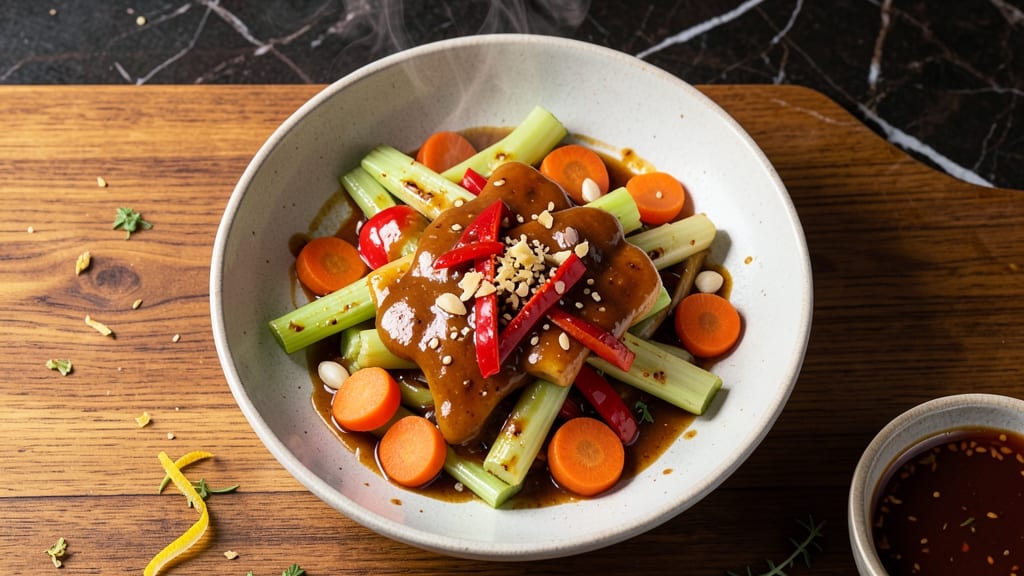
This Asian vegetable sauce recipe transforms simple stir-fry vegetables into a flavor explosion with just a few pantry staples. The secret lies in balancing umami-rich soy sauce with sweet and tangy elements, creating a glaze that clings perfectly to every crisp vegetable.
I developed this sauce after realizing how often stir-fry vegetables needed more depth—this version delivers restaurant-quality flavor with minimal effort.
The sauce builds on classic Asian flavors with simple ingredients: soy sauce, sesame oil, garlic, ginger, and a touch of honey or sugar for balance. What makes it special is the optional celery crunch—finely chopped celery adds texture that elevates every bite.
The sauce keeps well in the fridge for up to a week, making it perfect for meal prep or quick weeknight cooking.
What you'll achieve is a vibrant, aromatic sauce that enhances rather than overpowers your vegetables. The glaze caramelizes beautifully during cooking, creating pockets of sweetness that contrast with the savory soy base.
This sauce works equally well with broccoli, snap peas, carrots, or mushrooms—each vegetable absorbs the flavors differently, making every dish unique.
Use it as a stir-fry glaze, dipping sauce, or even a marinade for tofu or chicken. The versatility makes it a pantry essential that transforms ordinary vegetables into extraordinary meals. Let's create this flavor-packed sauce that will change how you approach vegetable dishes forever.
Ingredients for asian sauce for vegetables
Eight ingredients transform stir-fry vegetables into restaurant-quality dishes with minimal effort.
| Ingredient | Amount | Notes |
|---|---|---|
| Low-Sodium Soy Sauce 🍶 | ½ cup | Kikkoman preferred for balance |
| Toasted Sesame Oil 🫒 | 1 tbsp | For nutty aroma, not cooking |
| Fresh Garlic Cloves 🧄 | 3 cloves | Minced for intense flavor |
| Fresh Ginger Root 🌿 | 1 tbsp | Finely grated, no zest |
| Honey 🍯 | 1 ½ tbsp | Or agave for vegan option |
| Celery Stalks 🧅 | 2 whole | Finely chopped for crunch |
| Rice Vinegar 🍶 | 1 ½ tbsp | White or seasoned variety |
| Sesame Seeds 🌾 | 1 tbsp | Toasted for garnish |
| Red Pepper Flakes 🌶️ | ½ tsp | Adjust for heat preference |
| Cornstarch 🌾 | ½ tsp | For thickening glaze |
The soy sauce is the umami foundation—Kikkoman or Lee Kum Kee work best, but any low-sodium brand avoids salt overload. Sesame oil needs to be toasted (not the cooking kind)—Trader Joe's has a great pre-toasted version. Fresh ginger and garlic are non-negotiable here; pre-minced jars lack punch. The celery? Buy organic if possible—non-organic often has a bitter aftertaste when finely chopped. For the honey, Manuka adds subtle earthiness, but regular works fine.
No sesame oil? Toasted peanut oil at half the amount mimics the nuttiness. Swap honey for maple syrup or agave if avoiding sugar. Celery too bitter? Add 1/2 tsp sugar to the sauce. The red pepper flakes can be omitted entirely for mild versions. For extra depth, add 1 tsp fish sauce (though this makes it non-vegan). The cornstarch thickening works best when mixed with 1 tbsp cold water before adding to the sauce—don't skip this step or the glaze will stay runny.
This sauce keeps for 1 week in the fridge, but the celery crunch degrades after 3 days. For longer storage, make the sauce without celery, then add fresh chopped celery when serving. Portion into ice cube trays for perfect single-use servings—freeze for 3 months. The glaze thickens as it cools, so reheat gently with a splash of water if needed. Always taste before serving—adjust sweetness with more honey or acidity with extra vinegar.
Why You'll Love This Recipe
- Five-Ingredient Magic: I swear by this combo—just soy sauce, sesame oil, garlic, ginger, and honey. That’s it. No fancy pantry trips, no stressing over measurements. The sauce comes together while you chop veggies, and honestly? The balance of salty, sweet, and umami hits different every time.
- Umami Bomb: The garlic and ginger sizzle in the pan until they’re fragrant but not burnt—that’s the secret. That low-sodium soy sauce adds depth without overpowering, and the honey? It rounds out the sharpness so the sauce caramelizes just enough. Trust me, your taste buds will thank you.
- Weeknight Superstar: This sauce works on anything—steamed broccoli, stir-fried bok choy, even roasted carrots. I’ve used it as a quick dipping sauce for dumplings or tossed it over cold noodles when I’m too tired to cook. It’s the kind of recipe that saves dinner when you’re running late.
- Leftovers That Don’t Suck: Make a double batch and store it in the fridge. The flavors actually get better after a day—more concentrated, richer. Drizzle it over lunch salads, use it to glaze proteins, or just eat it straight from the jar. Between us, I’ve done all three. No waste, all win.
Step-by-step instructions for Asian vegetable sauce
Here's how to create a vibrant, umami-rich glaze that transforms simple vegetables into a flavorful stir-fry masterpiece.
Prepare the Celery and Aromatics
Begin by finely chopping the 2 whole celery stalks into small, even pieces—about ¼-inch thick. Set aside in a small bowl. Next, mince the 3 cloves fresh garlic cloves and finely grate the 1 tbsp fresh ginger root using a microplane or fine grater. The ginger should resemble tiny specks rather than strips, ensuring it dissolves smoothly into the sauce.
Here's the thing—fresh ginger and garlic are the flavor anchors of this sauce. If you're using a pre-minced garlic or jarred ginger, you'll miss that fresh, bright punch. I like to press the garlic cloves against the side of the knife blade with the flat of my knife to break them down quickly, then chop finely. For the ginger, I always remove the skin first to avoid any bitterness creeping into our glaze.
Toast the Sesame Seeds and Build the Sauce Base
In a small dry skillet over medium heat, toast the 1 tbsp sesame seeds for 1-2 minutes until they turn a rich golden brown and release their nutty aroma. Transfer them immediately to a small bowl to cool—they'll stay fresh for garnishing later. Meanwhile, in a medium saucepan, combine the 0.5 cup low-sodium soy sauce, 1.5 tbsp rice vinegar, 1.5 tbsp honey, and 1 tbsp toasted sesame oil. Stir well to integrate all ingredients.
This is where the magic starts. The soy sauce provides that signature umami depth, while the rice vinegar brightens the profile. The honey adds natural sweetness that balances the acidity, and the toasted sesame oil contributes a rich, nutty aroma. Let the mixture simmer gently over medium-low heat for 3-4 minutes, stirring occasionally, until it begins to thicken slightly and the aromas meld together.
Incorporate Aromatics and Thicken the Glaze
Add the minced garlic and grated ginger to the saucepan, stirring constantly for 1 minute until fragrant. This step is crucial—you want the garlic to sizzle just enough to release its oils without burning. If you notice the mixture darkening too quickly, reduce the heat to low and continue stirring. Next, sprinkle in the 0.5 tsp cornstarch and 0.5 tsp red pepper flakes, stirring vigorously to combine.
Bring the sauce to a gentle boil, then reduce heat to medium-low and let it simmer for 2-3 minutes until it thickens to a glossy, syrupy consistency. You're aiming for a glaze that coats the back of a spoon but still flows smoothly. If it thickens too quickly, add 1-2 tablespoons of water to adjust the texture. The red pepper flakes will add a subtle heat that brightens the entire dish—adjust to taste if you prefer a milder sauce.
Finish and Prepare for Stir-Frying
Remove the sauce from heat and stir in the finely chopped celery. Let it steep for 2-3 minutes to absorb the flavors. The celery will soften slightly but retain its crunch, adding texture to your stir-fry. Taste the sauce and adjust seasoning if needed—you might want to add a touch more honey for sweetness or a splash of rice vinegar for brightness. The glaze should be balanced, with umami, sweet, and acidity harmonizing perfectly.
This sauce is now ready to transform your vegetables. Whether you're stir-frying bok choy, snap peas, or broccoli, the glaze will cling beautifully to each piece, creating a glossy, flavorful coating. For best results, use the sauce immediately—it's at its peak when fresh. If storing, keep it refrigerated for up to 3 days in an airtight container, though I find it's best used within 24 hours for maximum flavor impact.
Pro Tips For Making Asian Sauce For Vegetables
- Bloom the Garlic: Toss minced garlic into your hot pan first—let it sizzle for 10 seconds until it smells like a forest after rain. This prevents that bitter, overcooked flavor that ruins the whole sauce. (Yes, even if you’re impatient like me.)
- Grate Ginger Like a Pro: Use the side of a spoon to scrape off the ginger’s skin—no peeling needed—and then grate it finely. Lumpy ginger just sits there; smooth grated ginger dissolves into the sauce and adds depth without texture. (I learned this the hard way after biting into a chunk mid-bite.)
- Simmer, Don’t Boil: Keep the sauce at a gentle simmer—tiny bubbles, not rolling steam—once the honey and soy sauce come together. Boiling turns the sauce cloying and kills the sesame oil’s aroma. (Your future self will notice the difference.)
- Toast Sesame Oil Last: Add the toasted sesame oil off the heat at the very end, then stir it in quickly. If you add it too early, the heat destroys its nutty flavor and leaves you with just a greasy aftertaste. (Sounds weird, but it works—trust the process.)
Flavor customization for asian sauce for vegetables
Sweet Heat Balance
Adjust the sweet-to-spicy ratio by tweaking the honey and red pepper flakes. For a milder sauce, reduce the red pepper flakes to ¼ tsp or omit entirely. For extra heat, add ½ tsp gochujang (Korean chili paste) or 1 tsp sriracha—both add depth while keeping the glaze smooth.
I often double the honey to 3 tbsp when serving with bitter greens like bok choy, balancing the flavors beautifully. 🌶️
Umami Boosters
Elevate the umami punch by adding 1 tsp fish sauce (for non-vegan versions) or 1 tsp mushroom powder (vegan-friendly). A splash of 1 tbsp coconut aminos also works well, especially if you’re avoiding soy.
For a deeper savory note, stir in 1 tsp miso paste during the final simmer—just be mindful it may thicken the sauce more quickly. 🍶
Texture Variations
Skip the celery crunch for a smoother glaze, or swap it for 1 tbsp toasted peanuts or 1 tsp crispy fried shallots for a different texture. If you love crunch, try ½ cup thinly sliced scallions instead—they add a fresh, bright contrast.
For a creamy twist, stir in 1 tbsp tahini at the end, but reduce the honey slightly to balance the richness. ✨
Regional Twists
Transform this sauce into a Thai-inspired version by adding 1 tsp lime zest and 1 tbsp fish sauce, then finishing with 1 tsp palm sugar. For a Japanese take, swap the rice vinegar for 1 tbsp mirin and add ½ tsp grated daikon for a subtle crunch.
A Korean-inspired version calls for 1 tsp gochugaru (Korean chili flakes) and 1 tsp sesame paste instead of honey. 🗺️
Vegetable-Specific Adjustments
For earthy mushrooms, add 1 tsp white miso to the sauce and a pinch of black pepper to enhance their umami. With crisp carrots, a touch of ½ tsp grated orange zest brightens the dish.
For leafy greens like spinach, reduce the honey to 1 tbsp and add 1 tsp apple cider vinegar to cut through the bitterness. Each vegetable deserves a tailored approach! 🥕
Nutrition facts
Frequently asked questions
Can I make this sauce without sesame oil?
Yes! For a similar nutty depth, use ½ tbsp toasted peanut oil or ½ tbsp tahini (thinned with 1 tsp water). If avoiding all nut oils, try 1 tsp neutral oil like avocado oil and add ½ tsp sesame paste for aroma. The flavor won't be identical, but it'll still taste delicious.
How do I prevent the sauce from being too salty?
Use low-sodium soy sauce (or reduce to ¼ cup regular soy sauce) and balance with 1 extra tbsp honey or 1 tsp sugar. For extra flavor without salt, add 1 tsp fish sauce (non-vegan) or 1 tsp coconut aminos. Always taste before serving—you can adjust with a splash of water or vinegar if needed.
What vegetables pair best with this sauce?
This sauce shines with broccoli, snap peas, carrots, bell peppers, and bok choy. For heartier dishes, try eggplant, zucchini, or mushrooms. Avoid overly watery veggies like cucumbers—opt for blanched green beans instead. The celery crunch works especially well with crisp-tender vegetables like carrots and bell peppers.
Can I make this sauce ahead of time?
Yes! Store the sauce (without celery) in an airtight container in the fridge for up to 1 week. For longer storage, freeze in ice cube trays for 3 months. Reheat gently with a splash of water. Add fresh celery or scallions when serving to maintain texture. The flavors deepen slightly after resting overnight.
Is this sauce gluten-free?
Only if using gluten-free soy sauce or coconut aminos instead of regular soy sauce. Check labels—many tamari brands are gluten-free. The rest of the ingredients are naturally gluten-free, but always verify your specific brands. For extra safety, use certified gluten-free soy sauce like Kikkoman GF.