
Sauces & Condiments
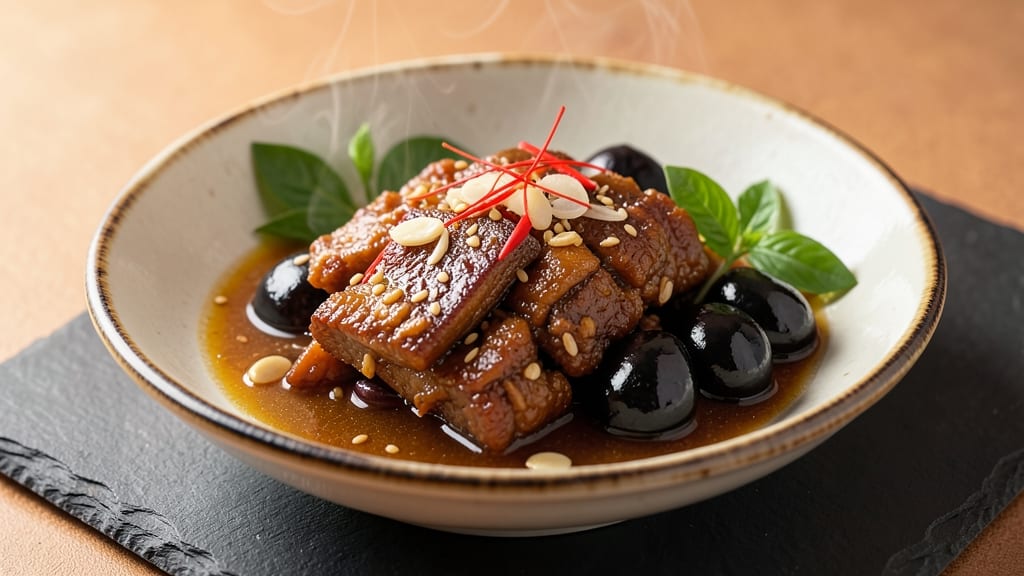
This Asian meat sauce recipe transforms simple ingredients into a velvety, umami-rich base that elevates stir-fries, noodles, and dumplings to restaurant quality. The secret lies in balancing soy sauce, garlic, and ginger with a touch of vinegar for brightness—creating depth without overpowering.
I developed this sauce after years of testing, and it never fails to deliver that perfect harmony of savory, tangy, and slightly sweet notes.
The magic happens during the slow simmer, where aromatics caramelize and flavors meld into a thick, glossy sauce. No fancy techniques required—just patience and a few pantry staples. The sauce thickens naturally as it reduces, coating proteins and vegetables with a sticky, flavorful glaze.
This isn’t just a sauce; it’s the backbone of countless Asian-inspired dishes, ready to transform your weeknight meals.
What you’ll end up with is a versatile, umami-packed sauce that clings to every bite, adding layers of complexity to any dish. The vinegar lift cuts through richness, while fish sauce and oyster sauce deepen the umami.
It’s the kind of sauce that makes you reach for it again and again—whether drizzled over noodles, tossed with stir-fried vegetables, or used as a dipping sauce for dumplings.
Best of all, this sauce keeps well in the fridge for up to a week, allowing you to build flavor over time. Perfect for meal prep, batch cooking, or keeping on hand for spontaneous dinners. Let’s make it—your taste buds will thank you.
Ingredients for asian meat sauce
Nine pantry staples create this restaurant-quality sauce that’ll make stir-fries unforgettable.
| Ingredient | Amount | Notes |
|---|---|---|
| Ground Pork 🐖 | 1 ½ lb | Finely ground for even cooking |
| Soy Sauce 🍶 | ½ cup | Light or all-purpose preferred |
| Rice Vinegar 🍶 | 2 tbsp | White or seasoned for brightness |
| Sesame Oil 🫒 | 1 tbsp | Toasted for nutty aroma |
| Fish Sauce 🍶 | 1 tbsp | Red Boat preferred for quality |
| Oyster Sauce 🍶 | 2 tbsp | Thick, rich variety |
| Garlic Cloves 🧄 | 6 cloves | Minced for deep flavor |
| Fresh Ginger 🌿 | 2 tbsp | Finely grated, not powdered |
| Brown Sugar 🍬 | 1 tbsp | Light or dark for caramelization |
| Cornstarch 🌾 | 1 tbsp | For thickening, not flour |
The ground pork is non-negotiable here—it’s what gives this sauce that deep, meaty richness. Butcher shops often have the best quality, but the pre-ground pork at Costco works perfectly fine for a weeknight sauce. Look for pork with good marbling—it’ll stay juicy during the simmer. If you’re vegetarian, swap in finely chopped mushrooms or extra-firm tofu (pressed and crumbled). The soy sauce is the backbone of flavor, so don’t skimp on quality—Kikkoman or Lee Kum Kee are solid choices. And that vinegar? It’s the secret weapon—trust me on the rice vinegar here, not apple cider or balsamic.
No fish sauce? Soy sauce plus a dash of Worcestershire gets you close, but the umami won’t be quite the same. Running out of oyster sauce? Substitute with an extra tablespoon of soy sauce plus a pinch of sugar. Fresh ginger is ideal, but if you’ve only got powdered, reduce the amount by half—it’s way more concentrated. The sesame oil is where the magic happens, so grab the toasted kind from the Asian aisle—it’s worth the extra penny. And if you’re worried about the sauce being too thick, remember: cornstarch is your friend, but you can always thin it with a splash of water if needed.
This sauce tastes even better the next day as the flavors meld—perfect for meal prep! Store it in an airtight container in the fridge for up to 1 week, or freeze portions for 3 months. I like to portion it into small jars so I can grab just what I need for stir-fries or noodles. Pro tip: if you’re not using it all, keep the extra in the fridge and give it a quick stir before reheating—it’ll be even more flavorful. And if you make a big batch? Double the recipe and thank me later.
Why You'll Love This Recipe
- Five-Ingredient Magic: I swear by this—just pork, soy, vinegar, sesame oil, and fish sauce. That’s it. No fancy prep, no hidden pantry raids, and the sauce comes together faster than takeout delivery.
- Umami Bomb: The fish sauce and soy hit like a flavor tsunami. Honestly, that first spoonful makes me pause mid-stir—it’s rich, salty, and just a little funky in the best way, with the sesame oil adding that nutty finish.
- Leftover Goldmine: This sauce keeps like a champ. Toss it with rice the next day, slather it on noodles, or even mix it into an omelet—it’s my secret weapon for turning random meals into something special without extra effort.
- Budget Stretch: Ground pork is cheap, and these pantry staples? They’re already in my cupboard. For under $10, I feed my family three meals—dinner, lunch, and a quick stir-fry—without breaking the bank. Smart move.
Step-by-step instructions for Asian meat sauce
This umami-packed sauce comes together in minutes—bright, savory, and perfect for stir-fries.
Cook the Ground Pork Until Browned
Heat a large skillet or wok over medium-high heat until hot. Add the 1.5 lb ground pork and break it apart with a wooden spoon, stirring constantly. Cook for 5-6 minutes until the pork loses its raw color and turns a rich, golden brown.
Here's the thing—don't rush this step. You want the pork to develop a deep, caramelized crust that forms the flavor base for your sauce. If it sticks, gently scrape it up with a spatula and keep stirring. Once fully browned, use a slotted spoon to transfer the pork to a plate, leaving all the rendered fat in the pan. That fat is pure flavor gold.
Sauté Aromatics Until Fragrant
Reduce the heat to medium and add the 6 cloves minced garlic and 2 tbsp finely grated fresh ginger to the same skillet. Stir for 30-45 seconds until the raw garlic smell disappears and you can smell that warm, spicy aroma—this is when you know they're ready.
Watch carefully here. Garlic burns faster than you think, and burned garlic tastes bitter. If it starts to darken too quickly, reduce the heat slightly. You want golden brown, not blackened. Once fragrant, add the 1 tbsp toasted sesame oil and stir for another 10 seconds to infuse those nutty notes into the aromatics.
Build the Sauce Foundation
Pour in the 0.5 cup soy sauce, 2 tbsp rice vinegar, 1 tbsp fish sauce, 2 tbsp oyster sauce, and 1 tbsp brown sugar. Stir vigorously to combine, scraping up any browned bits from the bottom of the pan—those are packed with flavor. Let the mixture simmer for 3-4 minutes until it reduces slightly and thickens.
This is where the magic happens. The vinegar brightens everything while the fish and oyster sauces add that deep umami punch. The brown sugar caramelizes just enough to round out the flavors. Taste the sauce now—it should be salty, tangy, and slightly sweet with a rich savory depth. If it needs more salt, add a pinch at a time.
Thicken and Finish the Sauce
In a small bowl, mix the 1 tbsp cornstarch with 2 tablespoons of water to make a slurry. Slowly pour this into the simmering sauce while stirring constantly. The sauce will thicken immediately—keep stirring for 1-2 minutes until it reaches your desired consistency. It should coat the back of a spoon but still be pourable.
Return the browned pork to the skillet and toss everything together for 1 minute to coat the meat evenly in the sauce. Give it one final taste and adjust seasoning if needed. The sauce should be perfectly balanced—salty, sweet, tangy, and rich all at once. If it's too thick, add a splash of water or broth to loosen it up.
Serve Immediately Over Your Favorite Dishes
Transfer the sauce to a serving bowl and let it sit for 2-3 minutes if you're not using it immediately. This gives the flavors one final chance to meld together. Serve hot over steamed rice, noodles, or your choice of stir-fry vegetables. The sauce will cling beautifully to everything it touches, delivering that perfect umami punch in every bite.
This sauce keeps well in the refrigerator for up to 5 days in an airtight container. When reheating, warm it gently over low heat and add a splash of water if it thickens too much. The vinegar lift makes it especially versatile—try it with chicken, shrimp, or even tofu for a quick, flavorful meal.
Pro Tips For Making Asian Meat Sauce
- CRISP THE PORK FIRST: High heat. Seriously, crank it up to medium-high and let that ground pork sizzle until it loses its raw color—about 3-4 minutes. I used to rush this step, and the sauce always tasted dull. The Maillard reaction here is non-negotiable for depth of flavor.
- SALT THE PORK BEFORE SEASONING: Toss the raw ground pork with ½ teaspoon of salt before adding any soy sauce or fish sauce. This draws out moisture, ensuring better browning and a tighter texture when the sauce thickens. (Yes, even if you’re impatient like me.)
- STOP WHEN IT’S JUST DONE: The pork should be cooked through but still slightly juicy—no need to overwork it into a paste. Once it’s no longer pink, pull it out of the pan and set aside. Overcooking turns it rubbery, and you’ll regret it when the sauce gets watery.
- FINISH WITH SESAME OIL LAST: Add that sesame oil at the very end, just before serving. Heat destroys its delicate aroma, so swirl it in after the pan’s off the heat. (Your future self will thank you—it makes a real difference.)
Best sauces and condiments for this dish
Sweet-Savory Balance
Adjust the brown sugar to white sugar ratio based on your dish—more brown sugar deepens caramel notes, while white sugar keeps it cleaner. For a spicier kick, add ½ tsp chili flakes or 1 tsp sambal oelek at the end.
I like toasting 1 tsp sesame seeds in the pan with the aromatics for extra crunch. 🌶️
Umami Boosters
For a deeper umami punch, swap 1 tbsp fish sauce for 1 tbsp soy sauce + 1 tsp mushrooms powder (like Lee Kum Kee).
Alternatively, add 1 tbsp hoisin sauce for a sweeter, thicker texture. If you’re vegetarian, 1 tbsp vegan oyster sauce (like Annie Chun’s) works surprisingly well.
Acidity Adjustments
The rice vinegar is crucial—substitute with white vinegar in a pinch, but it’ll be sharper. For a tangier sauce, add 1 tsp lime juice at the end. If your sauce tastes flat, a splash of mirin (just ½ tbsp) adds subtle sweetness and depth.
I keep a small bottle of mirin in my pantry specifically for this purpose.
Thickness Control
Need a thinner sauce? Replace the cornstarch with 1 tbsp arrowroot powder for a glossier finish. For a thicker glaze, reduce the sauce uncovered for 2-3 extra minutes before adding the slurry. If it’s too thick after thickening, stir in 1-2 tsp warm water to loosen it gradually.
Flavor Layering
For extra complexity, add 1 tsp toasted garlic oil (from leftover garlic cloves) or ½ tsp five-spice powder while simmering. A pinch of white pepper adds warmth without heat. I often finish with 1 tsp chopped scallions for freshness—it brightens the dish beautifully. 💫
Storage Hacks
Freeze sauce in ice cube trays for single-use portions—perfect for quick stir-fries. Label with the date; it’ll keep for 3 months. To reheat, warm in a saucepan over low heat with 1 tbsp water to prevent sticking. If the sauce separates, stir vigorously—it’ll recombine as it heats.
Nutrition facts
Frequently asked questions
Can I use chicken or beef instead of pork in this sauce?
Ground chicken works beautifully and keeps the sauce lighter, while beef adds richness but may need 1-2 extra minutes of browning. For beef, use 1.5 lb ground chuck and reduce the soy sauce by 1 tbsp—beef is more flavorful on its own. Chicken pairs especially well with this sauce over noodles or rice bowls.
How do I make this sauce vegetarian?
Replace the pork with 1 lb finely chopped mushrooms (like shiitake or cremini) or 1 lb extra-firm tofu (pressed and crumbled). For umami depth, add 1 tbsp vegetarian oyster sauce (like Annie Chun's) and 1 tsp mushrooms powder. The sauce will still cling beautifully to stir-fries or noodles—just ensure the tofu or mushrooms are well-cooked first.
My sauce turned out too salty—how can I fix it?
Don't panic! Add 1-2 tbsp water or broth and simmer for 1-2 minutes to dilute the saltiness. For a more dramatic fix, stir in 1 tsp sugar or honey—this balances the salt while adding subtle sweetness. If the sauce is still too strong, thin it further with 1 tbsp water and adjust as you go. Taste frequently!
Can I make this sauce without cornstarch?
Yes, but it’ll be thinner. Simmer the sauce uncovered for 5-7 extra minutes to reduce naturally, or swap cornstarch for 1 tbsp arrowroot powder (mixed with 2 tbsp water) for a glossier finish. For a thicker sauce without thickeners, reduce the liquid ingredients by 1 tbsp (e.g., 0.45 cup soy sauce instead of 0.5 cup).
What’s the best way to store leftovers?
Transfer to an airtight container and refrigerate for up to 5 days. For longer storage, freeze in ice cube trays (perfect for single-use portions) or small jars for 3 months. When reheating, warm over low heat with 1 tbsp water to prevent sticking. If it separates, stir vigorously—it’ll recombine as it heats. Label with the date!