
Sauces & Condiments
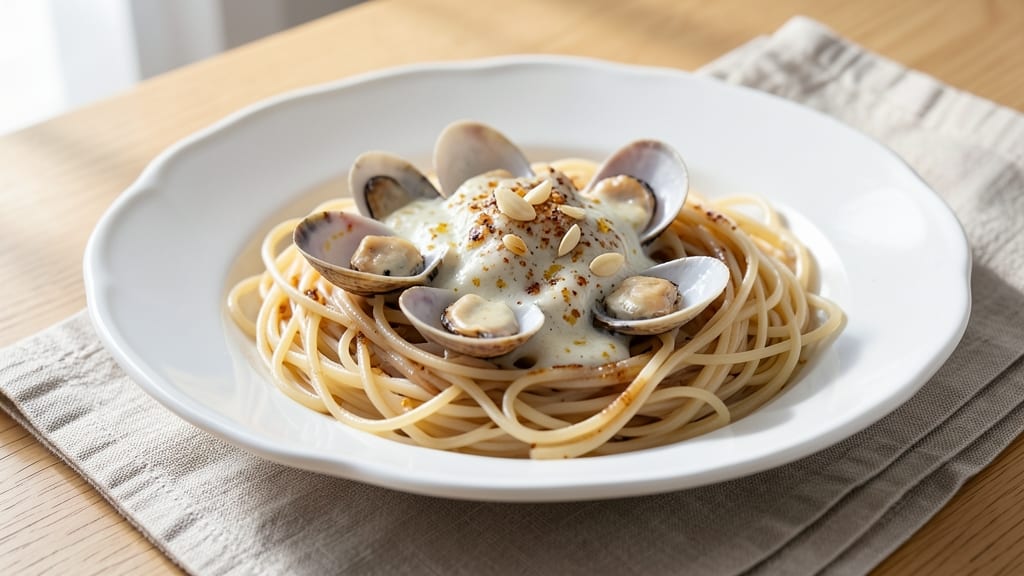
This angel hair pasta with clam sauce recipe transforms simple ingredients into a restaurant-worthy dish that balances briny seafood, rich garlic butter, and tender pasta.
The secret lies in steaming fresh clams until they open—just enough to release their natural sweetness while keeping them tender—then building a velvety sauce that clings perfectly to delicate angel hair strands.
I developed this after years of perfecting seafood pasta, ensuring every bite delivers that perfect harmony of textures and flavors without overwhelming complexity.
The process is straightforward but requires attention to timing: boil the pasta until al dente, steam the clams until they open (discard any that don’t), then sauté garlic in butter until fragrant before adding clams and white wine.
The sauce thickens as it simmers, creating a luxurious coating that transforms ordinary pasta into something special.
What you’ll end up with is a dish where each forkful combines tender pasta, plump clams, and a sauce that’s both rich and bright—ideal for a weeknight dinner that feels like a coastal escape.
This recipe delivers restaurant-quality results with minimal effort, perfect for seafood lovers who want to impress without spending hours in the kitchen. The clam sauce carries the dish, but the angel hair pasta’s delicate texture ensures it doesn’t overpower.
Serve immediately with a sprinkle of fresh parsley or red pepper flakes for a pop of color and heat, and pair with a crisp white wine to complement the briny flavors.
Whether you’re cooking for a date night or a casual family dinner, this dish comes together in under 30 minutes—just enough time to steam the clams, build the sauce, and toss everything together.
The key is fresh ingredients and patience, especially when steaming the clams. Trust me, the effort is worth it for a meal that tastes like you spent hours perfecting it.
Ingredients for angel hair pasta with clam sauce
Fresh clams, delicate pasta, and rich garlic butter create this coastal-inspired dish in under 30 minutes.
| Ingredient | Amount | Notes |
|---|---|---|
| Fresh Clams 🦪 | 1 ½ lb | Steamed until open, discard unopened |
| Angel Hair Pasta 🍝 | 12 oz | Dried, al dente preferred |
| Unsalted Butter 🧈 | ½ cup | Cold for sauce, European preferred |
| Garlic Cloves 🧄 | 6 cloves | Minced, fresh for best flavor |
| Dry White Wine 🍷 | ½ cup | Sauvignon Blanc or Pinot Grigio |
| Clam Juice 💧 | ½ cup | From canned clams or fresh steaming |
| Heavy Cream 🥛 | ¼ cup | Full-fat for richness |
| Lemon Juice 🍋 | 1 tbsp | Freshly squeezed |
| Fresh Parsley 🌿 | ¼ cup | Chopped, for garnish |
| Red Pepper Flakes 🌶️ | ½ tsp | Optional, for heat |
| Sea Salt 🧂 | 1 ½ tsp | Kosher preferred |
| Black Pepper 🌶️ | ½ tsp | Freshly ground |
The clams are the star here—freshness is non-negotiable. Hit your local seafood market or fishmonger for the best selection. Whole fresh clams are ideal, but canned clams in juice work in a pinch (just drain them well). If you're buying fresh, look for clams that are tightly closed—any that are open are already dead and should be avoided. The European-style butter makes all the difference in the sauce, so grab a good brand like Plugrá or Kerrygold if you can. Garlic should be fresh and plump, not dried out or sprouting.
No fresh clams? Canned clams in juice will work, but drain them thoroughly and add a splash of white wine to the juice for depth. Running short on white wine? Dry vermouth or even chicken broth can stand in, though the flavor will be slightly different. Heavy cream can be swapped for half-and-half or full-fat coconut milk if you're avoiding dairy, but the sauce won't be quite as rich. The red pepper flakes are totally optional—skip them if you prefer a milder dish. For extra brightness, add a pinch of zest from the lemon you're using for juice. And if you don't have fresh parsley, basil or chives work beautifully too.
This dish is all about freshness, so don't prep too far ahead. The pasta should be cooked al dente just before serving, and the clams steamed right before adding to the sauce. If you're steaming clams ahead, keep them refrigerated in their juice and add them to the sauce just before serving to prevent overcooking. The sauce reheats beautifully if you need to, but it's best served immediately. Store any leftovers in the fridge for up to 2 days, though I doubt there'll be any. Freezing isn't recommended—the sauce can get watery when reheated.
Why You'll Love This Recipe
- One-Pot Magic: I swear by this recipe when I’m too tired to deal with multiple pans. The clams steam in their own juice while the garlic sizzles in butter—just add wine, simmer, and toss in the pasta. Five ingredients, one pot, zero stress.
- Garlic-Wine Kiss: That moment when the white wine reduces into a glossy, briny sauce with minced garlic? It’s the kind of flavor that makes you pause mid-bite. The butter ties it all together—creamy but bright, like a coastal breeze in a bowl.
- Weeknight to Dinner Party: Between us, this is my go-to for both Tuesday dinners and when my in-laws drop by unexpectedly. The clams feel fancy, but the prep is effortless. Serve it in a shallow bowl to let guests scoop up that buttery sauce—no one will guess it took less than 30 minutes.
- Leftovers That Don’t Suck: Most clam dishes turn rubbery the next day, but not this one. The wine keeps it tender, and the angel hair soaks up the sauce like a dream. I’ll pack it for lunch—cold, with crusty bread to mop up the last bits. Honestly, it’s the only clam recipe I don’t dread reheating.
Step-by-step instructions for angel hair pasta with clam sauce
Here's how to create a briny, garlicky clam sauce that clings perfectly to delicate angel hair.
Steam the Clams Until Fully Opened
Fill a large pot with 2 inches of water and bring to a boil. Add the 1.5 lb fresh clams, cover, and steam for 5-7 minutes. You'll know they're done when about 75% open—discard any that remain closed after this time. Immediately drain the clams and reserve ½ cup of the clam juice from the pot.
Real talk: Don't skip the steaming step. Raw clams can carry bacteria, and proper cooking ensures both safety and that perfect briny flavor. As they open, you'll smell that unmistakable ocean aroma—this is your cue they're ready. Let them cool slightly before shelling, about 2 minutes.
Cook the Pasta Al Dente
Bring a separate large pot of well-salted water to a rolling boil. Add the 12 oz angel hair pasta and cook according to package directions, but remove it 1 minute early—it'll finish cooking in the sauce. The pasta should be tender but still have a slight bite.
I like to taste-test the pasta before draining. It should be al dente—firm enough to resist your bite but not hard. Reserve ½ cup of pasta water before draining. This starchy water is liquid gold for adjusting the sauce consistency later.
Build the Garlic Butter Base
In a large skillet, melt ½ cup unsalted butter over medium heat. Add the 6 minced garlic cloves and cook for 30-45 seconds until fragrant but not browned. Here's the thing—garlic burns fast, so keep your eye on it.
Remove the skillet from heat and carefully add the shelled clams. Let them sit for 1 minute to absorb some of that garlic butter flavor. Then return the skillet to medium-low heat and let the clams warm through for another 2 minutes.
Create the Rich Clam Sauce
Pour in the ½ cup dry white wine and ½ cup reserved clam juice, scraping up any browned bits from the bottom of the pan. Let this mixture simmer for 3-4 minutes until reduced by half. The sauce should be glossy and slightly thickened.
Stir in the ¼ cup heavy cream and 1 tbsp lemon juice. Add the cooked pasta and toss gently to coat. If the sauce seems too thick, add reserved pasta water 1 tablespoon at a time until you reach your desired consistency. The sauce should cling lightly to the pasta without being soupy.
Finish and Serve
Remove from heat and stir in the ½ tsp red pepper flakes (if using) and ½ tsp black pepper. Taste and adjust seasoning with sea salt—you might need just a pinch more. The sauce should be briny, garlicky, and slightly tangy from the lemon.
Divide the pasta among plates and garnish with ¼ cup chopped fresh parsley. Serve immediately while the clams are still warm and the sauce is silky. The angel hair should be perfectly coated, with each bite delivering that perfect harmony of briny clam, rich butter, and bright garlic.
Pro Tips For Making Angel Hair Pasta With Clam Sauce
- Shuck Clams First: Fresh clams need to be shucked before cooking—don’t wait until the last minute. A sharp knife and a quick twist (not brute force) will save you from struggling with stubborn shells mid-recipe. I learned this the hard way when I tried to shuck them while the pan was heating, and let’s just say the kitchen got messy.
- Cook Pasta Al Dente: Angel hair is delicate—pull it from the water when it’s just firm, not mushy. Taste-test a piece: it should have a slight bite, not turn to mush when you chew. Overcooking turns this dish into a sad, gluey mess, and no one wants that.
- Sweat Garlic Low: Sauté those garlic cloves in butter over medium-low heat until they’re pale gold, not brown. High heat burns them fast, and burnt garlic ruins the whole sauce. I used to rush this step and wondered why my clam sauce tasted bitter—turns out, patience pays off.
- Deglaze with Wine: Pour that white wine into the pan after the garlic is cooked, not before. Let it simmer for 30 seconds to cook off the alcohol before adding clams—this keeps the sauce bright and flavorful, not boozy. I was skeptical until I tried it, and now I never skip it.
Regional styles of angel hair pasta with clam sauce
Italian Coastal Tradition
This dish traces its roots to Italy's coastal regions, where fishermen would steam clams fresh from the sea and toss them with pasta in a simple garlic butter sauce. In Naples, it’s often called spaghetti alle vongole, but angel hair pasta makes it lighter and more elegant.
The key is using fresh clams—traditionally, Italian cooks would steam them in white wine and garlic, then toss with pasta still simmering in the pot. That’s how the sauce gets its signature richness without needing heavy cream. 🍝
New England Clam Chowder Twist
Up north, this dish takes on a heartier form, inspired by New England clam chowder but keeping the pasta element. Instead of cream-based chowder, the sauce here is lighter, with heavy cream added at the end to create a velvety finish.
Many coastal towns in Maine and Massachusetts serve this as a summer staple, often with a splash of clam juice to deepen the briny flavor. The red pepper flakes? That’s a nod to the spicy kick you’d find in a classic clam strip from a local seafood shack.
California Coastal Fusion
On the West Coast, this dish gets a modern twist with California-inspired ingredients. Swap the white wine for a dry Riesling and add a pinch of fresh thyme to the garlic butter base for a brighter, more aromatic profile.
In San Francisco, you’ll find versions topped with toasted breadcrumbs for crunch, while Los Angeles chefs often add a drizzle of white truffle oil for luxury. The angel hair pasta keeps it light, perfect for warm evenings by the bay. 🌊
Southern Italian Spicy Kick
Down in Southern Italy, particularly in Sicily, this dish gets a fiery upgrade. Add ½ tsp crushed red pepper directly to the garlic butter while sautéing, then finish with a sprinkle of fresh chili flakes on top.
The heat balances the briny clams beautifully, and the pasta’s delicate strands soak up the spicy sauce like a dream. Locals often serve this with a side of crusty bread to mop up every last bit of that bold, garlicky goodness.
Mediterranean Herb Infusion
For a Greek-inspired variation, stir in 1 tbsp chopped fresh dill or oregano with the garlic butter. The herbs add a fresh, bright contrast to the richness of the clams and butter.
In Santorini, this dish is often served with a squeeze of lemon at the table, letting diners customize the tanginess. The angel hair pasta’s light texture makes it perfect for soaking up all those herbal notes without overpowering the seafood. 🌿
Modern Shortcut Adaptations
Short on time? Use canned clams in juice (drained well) and reduce the wine by ¼ cup to compensate for the extra liquid. For a vegetarian twist, swap clams for mushrooms (like shitake or cremini) sautéed in the garlic butter.
The sauce still clings beautifully to the pasta, and the earthy mushrooms mimic the briny depth of clams. It’s a great way to keep the dish’s essence while making it accessible for everyone at the table. 💡
Nutrition facts
Frequently asked questions
Can I use canned clams instead of fresh?
Drain canned clams thoroughly and add ¼ cup extra white wine to compensate for the lost juice. For best flavor, use clams in juice (not water) and reserve some of that juice to build the sauce. The texture will be slightly different but still delicious.
How do I know when clams are properly cooked?
Steam clams until about 75% open—they should open naturally when cooked. Discard any that remain closed after 5-7 minutes of steaming. The key is timing: overcooking makes them tough, while undercooking poses safety risks.
What's the best wine to use if I don't have Sauvignon Blanc?
Any dry white wine works—Pinot Grigio or Chardonnay are great substitutes. Avoid sweet wines as they'll make the sauce taste cloying. For a non-alcoholic version, use clam juice + lemon juice (1:1 ratio) instead.
Why did my sauce turn out too thin?
This usually happens when you don't reduce the wine/clam juice mixture enough or add too much pasta water. Simmer the sauce longer (up to 5 extra minutes) or stir in 1 tsp cornstarch mixed with cold water to thicken. The sauce should coat the back of a spoon lightly.
Can I make this ahead of time?
Cook the pasta and sauce separately, then reheat gently before tossing together. Store components in airtight containers for up to 2 days. Reheat sauce on low heat with a splash of water to prevent curdling. The clams should be added fresh to maintain texture.