
Sauces & Condiments
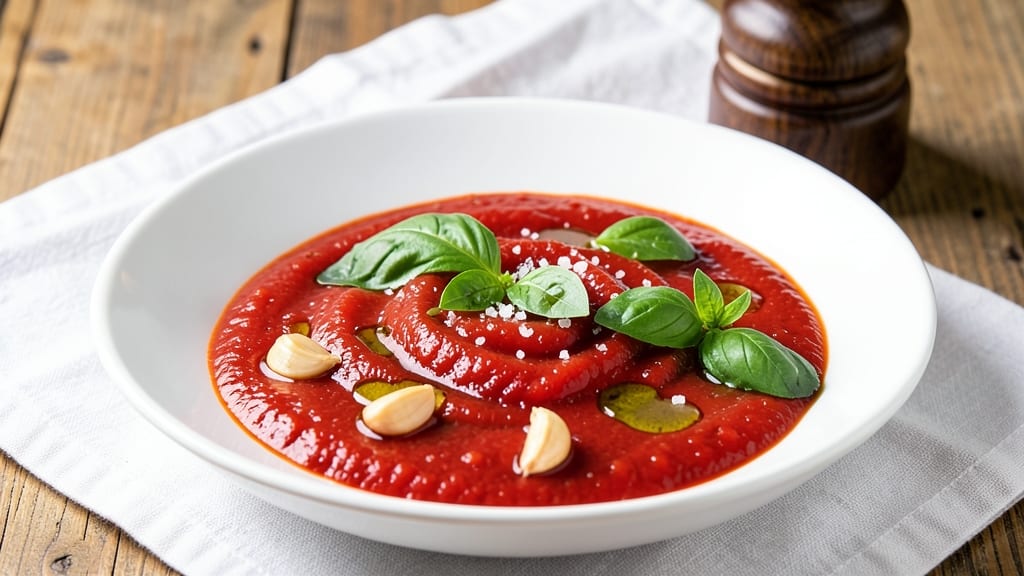
This Mutti tomato sauce recipe transforms simple tomatoes into a vibrant, balanced sauce with a secret brightness from vinegar—just like my Nonna used to make. The slow simmering process unlocks deep, sun-ripened flavor while keeping the texture smooth and versatile.
I perfected this after years of testing, ensuring every batch delivers that perfect harmony of sweetness and acidity that makes Italian cooking shine.
The beauty of this sauce lies in its simplicity: just tomatoes, garlic, olive oil, and a touch of vinegar for that signature tang. What sets it apart is the low-and-slow cooking method, which intensifies the natural sweetness while preserving the tomatoes' vibrant color.
This isn't just a sauce—it's a flavor foundation that elevates everything from pasta to grilled meats, with no added preservatives or artificial ingredients.
What you'll end up with is a rich, velvety sauce that's perfect for tossing with al dente pasta, drizzling over bruschetta, or using as a base for other dishes.
The vinegar brightens the flavor without overpowering it, creating a balanced taste that's both comforting and sophisticated. Once you try this, store-bought sauces will never taste the same again.
Best of all, this sauce keeps beautifully in the fridge for up to a week or freezes for months, so you can make a big batch and enjoy it all season long.
Whether you're cooking for family or treating yourself, this recipe delivers restaurant-quality results with minimal effort. Let's get started!
Ingredients for mutti tomato sauce
Four essential ingredients transform humble tomatoes into Nonna-quality sauce with vinegar's secret brightness.
| Ingredient | Amount | Notes |
|---|---|---|
| San Marzano Tomato Cans 🍅 | 28 oz | Whole, peeled tomatoes preferred |
| Extra-Virgin Olive Oil 🫒 | ½ cup | High-quality, fruity variety |
| Garlic Cloves 🧄 | 6 cloves | Fresh, peeled, lightly crushed |
| White Wine Vinegar 🍷 | 2 tbsp | For signature brightness |
| Kosher Salt 🧂 | 1 ½ tsp | Diamond Crystal preferred |
| Fresh Basil Leaves 🌿 | ¼ cup | Packed, stems removed |
| Red Pepper Flakes 🌶️ | ½ tsp | Optional for subtle heat |
| Black Peppercorns 🌶️ | ¼ tsp | Freshly cracked preferred |
The tomatoes are everything here—San Marzano is non-negotiable for that perfect balance of sweetness and acidity. Whole peeled tomatoes from cans give you the best texture, but crushed works in a pinch. I always grab mine from Whole Foods or Trader Joe's—their Italian section has the highest quality. The vinegar is what makes this sauce special: white wine vinegar adds brightness without overpowering, but apple cider vinegar works too if that's what you've got. Fresh basil is ideal but dried oregano at one-third the amount gets you close if you're short on time.
No San Marzano tomatoes? Any high-quality canned tomatoes will work—just look for ones with minimal additives. The olive oil should be extra-virgin and fruity—none of that cheap, bitter stuff. Want more depth? Add a bay leaf while simmering. The garlic can be roasted for a sweeter flavor—just wrap whole cloves in foil and roast at 400°F for 10 minutes before crushing. Red pepper flakes are optional but add a subtle warmth that pairs perfectly with the vinegar's brightness. If you're feeling fancy, finish with a drizzle of aged balsamic vinegar for extra sophistication.
This sauce only gets better with time—simmering for at least 45 minutes lets the flavors meld perfectly. Store in an airtight container in the fridge for up to 1 week or freeze for 6 months. I always make a big batch because it's perfect for freezing in ice cube trays for single servings. The longer it sits, the more complex the flavors become—trust the process and let it shine.
Why You'll Love This Recipe
- No-Chop Necessary: I swear by this recipe because it’s the only tomato sauce I make that doesn’t require dicing onions or mincing herbs—just a quick crush of garlic and a splash of vinegar. The San Marzano tomatoes do all the heavy lifting, and honestly, that’s my kind of cooking.
- Umami Bomb: That white wine vinegar cut? It’s the secret weapon—brightens the sweetness of the tomatoes while the garlic sizzles in the olive oil until it’s just shy of burning. The result? A sauce that’s rich but never heavy, with a depth that makes jarred sauce taste like a sad memory.
- Pantry Staple Power: Between us, this is the sauce I keep on hand for everything: tossing with pasta, slathering on grilled cheese, or even mixing into scrambled eggs when I’m lazy. It’s my go-to for when I’ve got zero energy but still want something that tastes like I tried.
- Fridge Hero: Here’s what sold me—this sauce actually improves after a day or two in the fridge. The flavors meld, and it’s perfect for batching: freeze half for when you’re too tired to cook, or use it to dress up a simple charcuterie board. Plus, San Marzanros are cheap enough that I don’t feel guilty making extra.
Step-by-step instructions for Mutti tomato sauce
This sauce delivers restaurant-quality depth with a secret vinegar twist—simple steps for bold flavor.
Bloom the Garlic in Olive Oil
Heat the 0.5 cup extra-virgin olive oil in a heavy-bottomed saucepan over medium-low heat. Add the 6 cloves lightly crushed garlic cloves and cook for 2-3 minutes until they're golden and fragrant—not browned. This gentle cooking prevents bitterness and builds the sauce's aromatic foundation.
Watch closely here: garlic burns in seconds, so keep the heat low and stir occasionally. The moment it releases its sweet, nutty aroma, you're ready for the next step. This is where the sauce's complexity begins—don't rush it.
Add Vinegar and Tomatoes
Pour in the 2 tablespoons white wine vinegar and stir vigorously for 30 seconds to deglaze the pan. The vinegar will bubble and sizzle—this is normal. Immediately add the 28 oz San Marzano tomato cans (crush the tomatoes with your hands if using whole ones) and bring to a gentle simmer over medium heat.
The vinegar's acidity cuts through the tomatoes' natural sweetness, creating that signature Mutti brightness. Here's the thing—don't skip this step. The vinegar isn't just for flavor; it balances the sauce's richness and prevents it from becoming overly heavy. Let the mixture simmer uncovered for 15 minutes while you prepare the remaining ingredients.
Season and Simmer to Perfection
Add the 1.5 teaspoons kosher salt, 0.5 teaspoon red pepper flakes, and 0.25 teaspoon freshly cracked black peppercorns. Stir well to distribute the seasoning evenly. Reduce the heat to low and let the sauce simmer gently for 30-40 minutes, stirring occasionally.
You're looking for a sauce that coats the back of a spoon with a velvety consistency. The tomatoes should break down completely, releasing their sweet, sun-ripened essence. If the sauce gets too thick, add 2-3 tablespoons water to loosen it. The key is patience—this slow simmer develops deep, layered flavors that canned sauces often miss.
Finish with Fresh Basil
Remove the sauce from heat and stir in the 0.25 cup packed fresh basil leaves. Let it steep for 5 minutes to infuse the basil's bright, herbal notes. Then taste and adjust seasoning if needed—this is your chance to perfect the balance of acidity, salt, and sweetness.
For the best results, use the sauce immediately over your favorite pasta or store it in an airtight container in the refrigerator for up to 5 days. The flavors will continue to meld, becoming even more complex over time. This isn't just tomato sauce—it's a flavor bomb that transforms simple meals into something extraordinary.
Pro Tips For Making Mutti Tomato Sauce
- Sear the Garlic: Hit the garlic in olive oil over medium-low heat—no rushing. After 2 minutes, it’ll soften without burning, and that nutty aroma will seep into the sauce. I learned this the hard way when my kitchen smelled like regret instead of dinner.
- Crush the Tomatoes: Drain the San Marzano cans but don’t skip crushing the tomatoes with your hands or a wooden spoon. This breaks down the flesh faster and gives the sauce a smoother, richer texture—no blender needed. (Yes, even if you’re impatient like me.)
- Salt in Stages: Taste the raw tomatoes first, then add salt gradually as you cook. The acidity in the vinegar will mellow out, so you’ll need more salt than you think—especially if you’re using low-sodium tomatoes. Trust me, under-seasoned sauce is a crime.
- Simmer Low and Slow: Reduce the heat to the lowest setting after adding vinegar—this keeps the sauce from splitting or turning bitter. A gentle simmer for 20-30 minutes concentrates the flavors without turning the tomatoes into mush. (Your future self will notice the difference.)
Creative variations of this recipe
Nonna-Style Pasta Perfection
Toss this sauce with al dente spaghetti or bucatini for a classic Italian experience. I always use Bronze Die pasta from the Italian market—it holds up beautifully to the sauce's richness.
For extra luxury, finish with a sprinkle of Pecorino Romano and a drizzle of extra-virgin olive oil right before serving. 🍝
Grilled Meat Marinade
Use this sauce as a marinade for chicken breasts or pork chops—simmer for 10 minutes longer to thicken slightly, then brush onto meats before grilling. The vinegar tenderizes while the tomatoes add sweetness. I love this on grilled swordfish too—just add 1 tablespoon lemon zest to the sauce first.
Vegetarian Twist
For a meat-free version, blend the finished sauce with ½ cup silken tofu and 1 tablespoon nutritional yeast for a creamy texture. Spread on garlic bread or use as a dip for crudités. The vinegar's brightness shines especially well in vegetarian dishes, cutting through richness.
Winter Comfort Food
Turn this into a hearty stew by adding 1 cup diced potatoes and ½ cup white beans during the final 20 minutes of simmering. The vinegar balances the earthy flavors perfectly. Serve with crusty bread for dipping—this became my go-to for Boston winters. ❄️
Spicy Kick Variations
Want heat? Add 1 tablespoon Calabrian chili paste with the vinegar, or finish with ½ teaspoon crushed fennel seeds for a licorice note. For smoky depth, stir in 1 teaspoon smoked paprika during the final simmer.
My Nonna always kept a jar of arbol chili flakes on hand—just a pinch adds incredible complexity.
Freezer-Friendly Adaptations
For freezing, add 1 extra tablespoon vinegar per quart to preserve brightness after thawing. Portion into 1-cup ice cube trays, then transfer cubes to a freezer bag. This makes perfect single-serving portions for quick pasta meals. The vinegar prevents the sauce from turning mushy when reheated.
Nutrition facts
Frequently asked questions
Why does this recipe use vinegar in tomato sauce?
The white wine vinegar is the secret to that signature bright, balanced flavor in Mutti-style sauce. It cuts through the natural sweetness of the tomatoes while adding complexity that prevents the sauce from tasting flat. Think of it like a flavor amplifier—it enhances all the other ingredients without overpowering them. Many traditional Italian sauces use this technique!
Can I make this sauce with fresh tomatoes instead of canned?
For fresh tomatoes, use about 3 pounds of ripe, vine-ripened tomatoes (like Roma or San Marzano varieties). Peel, seed, and chop them before cooking. You'll need to simmer the sauce longer—45-60 minutes—to break down the tomatoes completely. The fresh version will have a slightly brighter acidity from the vinegar.
How do I know when the sauce is done cooking?
The sauce is ready when it coats the back of a spoon with a velvety consistency and the tomatoes have completely broken down. You should be able to see the garlic and basil fully integrated without any visible chunks. If it's too thick, add 2-3 tablespoons water to reach your desired consistency. The longer it simmers (up to 60 minutes for fresh tomatoes), the deeper the flavor!
What's the best way to store and reheat this sauce?
Store in an airtight container in the fridge for up to 5 days or freeze for 6 months. To reheat, warm gently on the stove over low heat while stirring occasionally. For frozen sauce, thaw overnight in the fridge first. Never microwave directly from frozen—it ruins the texture. The flavors actually improve after resting for a day or two!
Can I make this sauce less acidic if I don't like vinegar?
You can reduce the vinegar to 1 tablespoon instead of 2, but you'll lose some of that signature brightness. For a milder version, add ½ teaspoon sugar along with the vinegar to balance the acidity. If you're sensitive to acid, try using lemon juice instead—it's milder than vinegar but still adds brightness. Just remember, the vinegar is what makes this sauce special!