
Sauces & Condiments
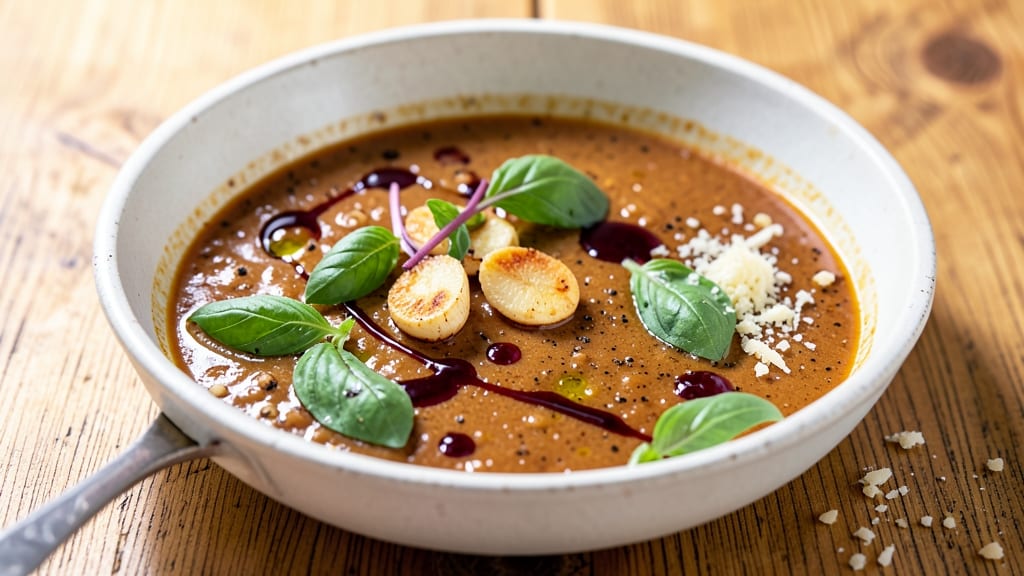
Transforming leftover spaghetti sauce into something even better is an art—and this no-waste umami boost method makes it effortless. The key lies in balancing acidity, texture, and depth, turning yesterday's dinner into tomorrow's star.
What starts as a simple sauce becomes a flavorful, versatile condiment with just a few strategic additions.
This technique preserves all the rich tomato flavor while enhancing it with bright herbs, a touch of acidity, and a silky texture. The result? A sauce that's perfect for drizzling over fresh pasta, using as a marinade, or even as a dip for crusty bread.
No waste, no fuss—just pure, elevated flavor.
By the end, you'll have a sauce that's smoother, brighter, and more complex than the original. The secret? A blend of fresh basil, a splash of red wine vinegar, and a quick reduction to concentrate the flavors. It's the kind of upgrade that makes leftovers feel like a gourmet creation.
Store it in the fridge for up to a week or freeze for months—this is the ultimate way to extend the life of your spaghetti sauce without sacrificing quality. Ready to give it a try?
Ingredients for leftover spaghetti sauce
Ten strategic additions transform yesterday's spaghetti sauce into tomorrow's umami-rich condiment masterpiece.
| Ingredient | Amount | Notes |
|---|---|---|
| Leftover Spaghetti Sauce 🍅 | 4 cups | Homemade or store-bought, any tomato base |
| Fresh Basil Leaves 🌿 | ½ cup | Packed, stems removed, vibrant green |
| Extra-Virgin Olive Oil 🫒 | ¼ cup | High-quality, fruity variety preferred |
| Red Wine Vinegar 🍷 | 2 tbsp | Bright acidity for balance |
| Garlic Cloves 🧄 | 2 cloves | Freshly minced for aromatic depth |
| Parmesan Cheese 🧀 | ¼ cup | Freshly grated, aged variety |
| Freshly Ground Black Pepper 🌶️ | ½ tsp | Freshly cracked for maximum flavor |
| Diamond Crystal Kosher Salt 🧂 | ½ tsp | Fine grain for even seasoning |
| Heavy Cream 🥛 | ¼ cup | Full-fat for silky texture |
| Fresh Lemon Juice 🍋 | 1 tbsp | Brightens overall flavor profile |
The foundation is your leftover sauce—San Marzano tomatoes if homemade, or a high-quality jarred brand like Rao's or Barilla. The fresh basil must be vibrant green and fragrant—wilted leaves add bitterness. For the olive oil, California Extra Virgin brands like Corto or Meadow Creek elevate the sauce's richness. The Parmesan should be aged 24 months minimum for optimal umami depth—Parmigiano-Reggiano from the deli counter is ideal. Garlic cloves should be plump and firm, not sprouting, for the best flavor impact.
No fresh basil? Dried basil at one-third the amount works in a pinch, though texture will differ. Substitute red wine vinegar with white wine vinegar or apple cider vinegar, though red wine vinegar's depth is preferred. For a dairy-free version, replace heavy cream with full-fat coconut milk—texture will be slightly lighter but still luxurious. The lemon juice can be swapped for balsamic vinegar at half the amount if you prefer a sweeter note. If your sauce is particularly thick, add 1-2 tbsp of water or broth to achieve the proper consistency before blending.
This elevated sauce keeps beautifully in the fridge for up to 7 days, with flavors actually improving as they meld. For longer storage, portion into ice cube trays, freeze, then transfer to a sealed bag for up to 3 months. The sauce thickens when chilled—simply reheat with a splash of water or broth to restore ideal consistency. Use it as a pasta sauce, marinade, or even a dip for garlic bread or crusty baguettes. The umami boost makes it perfect for drizzling over grilled vegetables or roasted meats as well.
Why You'll Love This Recipe
- No-Waste Magic: I swear by this trick—turning yesterday’s sauce into something even better. No fancy ingredients, just what’s already in your fridge, and suddenly you’ve got a dish that feels intentional.
- Garlic-Basil Bomb: That sizzle of raw garlic in olive oil? Pure flavor payoff. The vinegar brightens everything, and fresh basil ties it all together like a warm hug—no heavy cream or weird shortcuts needed.
- Weeknight Superstar: Between us, this is my go-to when I’ve got 15 minutes and zero energy. Toss it with crusty bread, serve it over pasta, or even dollop it on eggs—it’s the kind of recipe that saves dinner.
- Budget Bright Spot: Honestly, this recipe costs me almost nothing but tastes like I slaved over it. A splash of vinegar, a handful of basil, and a few minutes of work turn cheap sauce into something special—no guilt, all flavor.
Step-by-step instructions for transforming leftover spaghetti sauce
Here's how to elevate your leftover tomato sauce into a rich, layered sauce with depth and brightness.
Bloom the Garlic in Olive Oil
Heat the 0.25 cup extra-virgin olive oil in a medium saucepan over medium-low heat. Add the 2 minced garlic cloves and cook until they become golden and fragrant—this should take about 2-3 minutes. Be careful not to let them brown, as that can make the sauce bitter. The garlic should smell sweet and pungent, signaling it's ready to release its full flavor into the sauce.
Here's the thing—low heat is key. Garlic burns faster than you think, and once it turns dark, there's no going back. If you see the oil starting to smoke or the garlic darkening, immediately remove the pan from heat and let it cool for a minute before proceeding. This step forms the aromatic base that will carry through your entire dish.
Combine and Simmer the Sauce Base
Pour in the 4 cups leftover spaghetti sauce and stir to combine with the garlic. Add the 2 tablespoons red wine vinegar and bring the mixture to a gentle simmer over medium heat. Let it cook uncovered for 10-12 minutes, stirring occasionally, until the sauce reduces slightly and the flavors meld together. You'll notice the sauce becomes more concentrated and aromatic as the alcohol from the vinegar cooks off.
The vinegar might seem like an odd addition, but it's crucial for balancing the richness of the sauce. You're looking for a reduction that coats the back of a spoon—this indicates the sauce has deepened in flavor. If the sauce starts to stick to the bottom, add a splash of water to keep it moving, but don't over-dilute it. The goal is to intensify, not thin.
Incorporate Fresh Herbs and Seasonings
Remove the sauce from heat and stir in the 0.5 cup fresh basil leaves, 0.5 teaspoon freshly ground black pepper, and 0.5 teaspoon Diamond Crystal kosher salt. Let the mixture sit off the heat for 5 minutes to allow the basil to infuse its bright, sweet flavor. The leaves will wilt slightly, releasing their essential oils into the sauce. This step is where the sauce transforms from good to extraordinary—herbs add freshness that cuts through the richness.
Here's where it gets fun—taste the sauce now. You should detect layers of tomato, the bright acidity from the vinegar, and the herbal notes from the basil. If it needs more salt, add it now—seasoning builds as the sauce cools. The pepper should be present but not overpowering, providing a subtle warmth that balances the acidity. This is your chance to adjust before moving forward.
Finish with Cream and Acid for Balance
Return the sauce to low heat and slowly whisk in the 0.25 cup heavy cream. Let it warm through for 2-3 minutes, stirring constantly, until the cream is fully incorporated and the sauce becomes silky. The cream will make the sauce velvety and rich, but we're not done yet. Remove the pan from heat and stir in the 1 tablespoon fresh lemon juice and 0.25 cup freshly grated Parmesan cheese.
The lemon juice brightens the entire dish, cutting through the richness of the cream and adding a refreshing finish. The Parmesan adds umami depth and a salty contrast that ties everything together. The sauce should now have a luxurious texture with a perfect balance of acidity, richness, and herbal notes. If you're serving it immediately, this is the moment—each bite should deliver that perfect harmony of flavors.
Rest and Serve for Optimal Texture
Let the sauce rest for 10 minutes before serving. This allows the flavors to fully meld and the texture to set slightly, making it easier to coat pasta or other dishes. The rest is crucial—it's the difference between a sauce that's just good and one that's restaurant-quality. During this time, you can use the sauce over pasta, drizzle it over grilled meats, or even use it as a dip for crusty bread.
When you're ready to serve, give it one final taste and adjust seasoning if needed. The sauce should be rich but not heavy, bright but not sour, and deeply flavorful with each component playing its part. Serve it warm, and you'll have transformed simple leftovers into something special—proof that good food doesn't have to go to waste.
Pro Tips For Making Leftover Spaghetti Sauce
- STIR LOW AND SLOW: Leftover sauce thickens when cold—don’t rush reheating. Simmer on medium-low with a splash of water or broth, stirring every 2-3 minutes until it’s smooth and just hot. I learned this the hard way after turning my sauce into glue the first time.
- CHOP BASIL FAST: Fresh basil bruises fast—stack leaves, roll tightly, and slice with a sharp knife for even ribbons. Add them last minute (30 seconds off heat) so they stay bright green and not wilted. (Yes, even if you’re impatient like me.)
- GARLIC: MINCE, DON’T GRATE: Grated garlic burns instantly and tastes bitter. Use a knife to press cloves flat, then slice thinly—this releases flavor without scorching. Toss it in after the sauce is warm, not raw.
- VINEGAR: ADD IT COLD: Drizzle red wine vinegar off the heat to brighten flavors without cooking it off. Start with 1 teaspoon—you can always add more, but you can’t take it out. (Your future self will notice the difference.)
Health benefits of this dish
Lycopene Powerhouse
Your leftover spaghetti sauce is already packed with lycopene, a powerful antioxidant found in tomatoes that supports heart health and may reduce cancer risk. Cooking actually increases lycopene's bioavailability—so this sauce delivers more benefits than raw tomatoes.
A 1-cup serving provides about 20% of your daily lycopene needs, making it a simple way to boost your intake. 💪
Protein Boost
The addition of Parmesan cheese and heavy cream transforms this sauce into a protein-rich meal component. Each serving contains approximately 5-7 grams of protein, thanks to the cheese and any residual meat from your original sauce.
This makes it perfect for meal prep—simply toss with whole wheat pasta for a balanced, satisfying dish.
Herbal Antioxidants
Fresh basil isn't just for flavor—it's loaded with antioxidants like eugenol and rosmarinic acid that combat oxidative stress. The 0.5 cup used in this recipe provides significant anti-inflammatory benefits.
Plus, the bright green color indicates peak freshness, meaning maximum nutritional value. I always keep a basil plant on my windowsill for this exact reason!
Healthy Fats Matter
The extra-virgin olive oil and heavy cream provide essential fatty acids that support brain function and nutrient absorption. Unlike saturated fats, these healthy fats help your body absorb fat-soluble vitamins like vitamin A and vitamin E from the tomato base.
The 0.25 cup olive oil alone contains about 30% of your daily vitamin E needs—a powerful antioxidant for skin health.
Digestive Benefits
The combination of tomato sauce and fiber-rich herbs makes this an unexpectedly good choice for digestion. Tomatoes contain soluble fiber that supports gut health, while the basil aids in digestion and may help reduce bloating.
The acidity from the red wine vinegar also stimulates digestive enzymes, making this sauce easier on your stomach than you might expect. 🌱
Low-Calorie Luxury
Despite its rich, velvety texture, this upgraded sauce remains surprisingly light. A 1-cup serving contains about 180-220 calories, depending on your original sauce's ingredients. The secret is balancing richness with bright, low-calorie components like lemon juice and fresh herbs.
It's the perfect way to enjoy a restaurant-quality sauce without the guilt—ideal for weight-conscious cooks who still crave flavor.
Nutrition facts
Frequently asked questions
Can I use this upgraded sauce on other dishes besides pasta?
This velvety sauce works beautifully as a marinade for chicken or fish, a dip for garlic bread, or even a topping for grilled vegetables. The rich tomato base and herbal notes make it incredibly versatile—try it as a braising liquid for meats or as a base for stuffed shells.
What if my leftover sauce is too thick or too thin?
For thick sauce, add 1-2 tablespoons water or broth while simmering to reach ideal consistency. If too thin, simmer uncovered for 5-10 extra minutes to reduce. The goal is a sauce that coats the back of a spoon but remains smooth and pourable.
Can I make this sauce without dairy?
Yes! Replace the heavy cream with full-fat coconut milk (texture will be slightly lighter) and omit the Parmesan. Use nutritional yeast for a cheesy flavor. The sauce will still be rich and flavorful—just adjust seasoning to taste after blending.
How long does the upgraded sauce keep in the fridge?
The sauce stays fresh for up to 7 days in an airtight container. For longer storage, freeze in ice cube trays, then transfer to a sealed bag for up to 3 months. Thaw overnight in the fridge—never at room temperature. The flavors actually improve with time!
What if I don't have fresh basil?
Use 1/3 cup dried basil (or 1 tablespoon dried oregano as a substitute). For extra flavor, add 1/2 teaspoon dried thyme or a pinch of red pepper flakes. The sauce will still be delicious, though texture will differ slightly.