
Sauces & Condiments
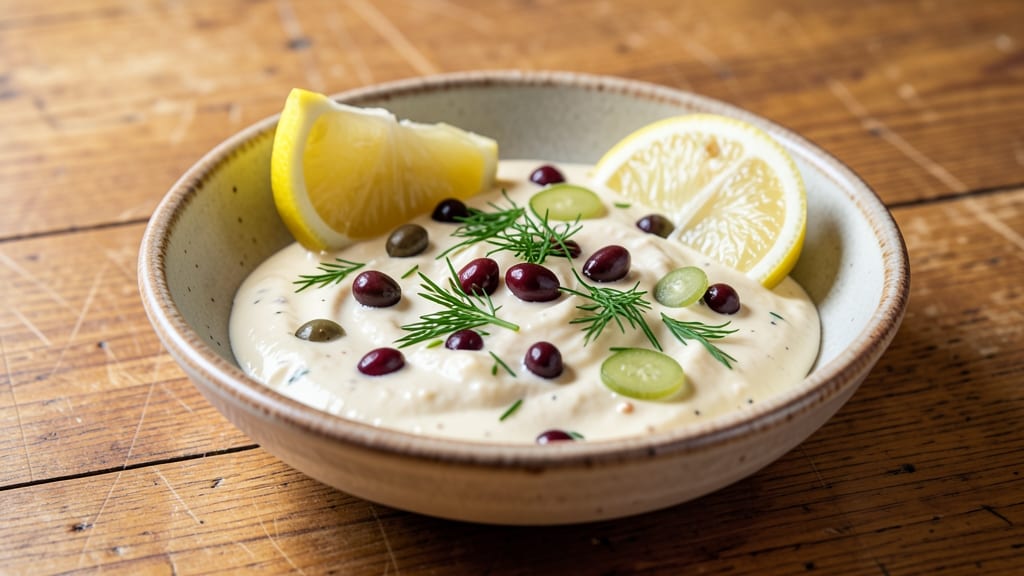
Ina Garten's tartar sauce recipe delivers that perfect balance of creamy richness and bright, briny crunch that makes every bite irresistible. The secret lies in combining mayonnaise with finely chopped capers, pickles, and fresh herbs—each ingredient playing its part to create a sauce that's both elegant and approachable.
This isn't just a condiment; it's the kind of sauce that transforms simple dishes into something special.
The beauty of this recipe is its simplicity, yet it never feels like a shortcut. Ina's signature technique involves letting the flavors meld for at least 30 minutes before serving, allowing the capers and pickles to soften just enough to release their briny essence without overpowering the creamy base.
The result is a sauce that's tangy, slightly sweet, and packed with texture—every spoonful delivers that satisfying crunch from the capers and pickles.
What makes this tartar sauce truly stand out is how versatile it is. Spread it on sandwiches, mix it into seafood dishes, or serve it alongside crispy fried foods for dipping.
The creamy texture coats every bite, while the bright flavors cut through richness, creating harmony in every mouthful. This is the kind of sauce that elevates ordinary meals to something memorable.
Once you've made it, you'll want to keep a jar in your fridge at all times. The flavors actually improve as they sit, deepening over time, so making a batch ahead of time is always a good idea.
Whether you're hosting a dinner party or just looking to add a little extra flair to your weeknight meals, this tartar sauce is the perfect addition to your culinary arsenal.
Ingredients for ina garten tartar sauce
Eight simple ingredients create Ina Garten's signature creamy, briny tartar sauce.
| Ingredient | Amount | Notes |
|---|---|---|
| Mayonnaise 🥄 | 1 cup | High-quality, full-fat preferred |
| Capers 🫒 | ¼ cup | Finely chopped, drained well |
| Cornichons 🥒 | ¼ cup | Finely chopped, French pickles |
| Fresh Dill 🌿 | ¼ cup | Chopped, stems removed |
| Fresh Chives 🌱 | 2 tbsp | Finely chopped, mild flavor |
| Lemon Juice 🍋 | 1 tbsp | Freshly squeezed, bright flavor |
| Dijon Mustard 🌶️ | 1 tsp | Mild or medium heat preferred |
| Salt 🧂 | ½ tsp | Kosher or sea salt |
| Black Pepper 🌶️ | ¼ tsp | Freshly ground for best flavor |
The mayonnaise is the base, so grab the full-fat kind—it's worth it for that rich, velvety texture. Hellmann's or Best Foods are reliable choices, but any good-quality mayo will do. Capers and cornichons are non-negotiable for that classic briny crunch. I always grab French cornichons from the international aisle at Whole Foods—they're smaller and pack more flavor. Fresh herbs are key too: the dill gives that signature tang, while chives add a subtle onion note that rounds everything out. Look for bright green, firm dill at the market—avoid anything wilted or yellowing.
No capers? Finely chopped green olives work in a pinch, but they won't be as tangy. Cornichons hard to find? Pickle relish (the kind without seeds) can sub at half the amount. Fresh herbs wilted? Dried dill at one-third the amount gets you close, but honestly, fresh is worth the splurge. The Dijon mustard adds depth—no yellow mustard here, it's too sweet. Want more zing? Add a pinch of Worcestershire sauce (if you're okay with a tiny bit of vinegar). The lemon juice should be freshly squeezed—bottled just won't cut it.
Mix everything together and let it sit for at least 30 minutes before serving—this is where the magic happens. The flavors meld beautifully, and the capers soften just enough to release their briny goodness without overpowering. Store in an airtight jar in the fridge for up to 1 week, though it often disappears faster than that. I make a double batch whenever I'm hosting—it's always a crowd-pleaser. The sauce actually improves over time, so don't hesitate to make it ahead.
Why You'll Love This Recipe
- Five-Ingredient Magic: This sauce comes together with stuff you’re already keeping in your fridge. No shopping lists, no last-minute panics—just mayo, capers, cornichons, and a handful of herbs. That’s it. Honestly, I’ve made it while waiting for fish to cook.
- Bright & Tangy Kick: The capers and cornichons pack a punchy, salty bite that cuts through the richness of mayo like a knife. Fresh dill and chives add that bright, herby finish—it’s the kind of flavor that makes you reach for seconds without even thinking.
- Weeknight & Party Hero: Slather it on fish tacos, dip fries in it, or serve it with cold cuts—it’s the ultimate crowd-pleaser. I’ve used it to jazz up a lazy weeknight dinner or impress guests at a last-minute BBQ. No one ever asks what’s in it, they just ask for more.
- Makes More Than You Need: Between us, this sauce keeps for days in the fridge and only gets better as the flavors meld. I’ll be real: I’ve had a jar last me two weeks, and it’s still spot-on. Plus, you’re not wasting anything—every ingredient gets used up before they spoil.
Step-by-step instructions for Ina Garten's tartar sauce
Here's how to make this iconic sauce with perfect balance and texture every time.
Chop the Herbs and Pickles Finely
Start by finely chopping the 0.25 cup fresh dill and 2 tablespoons fresh chives using a sharp chef's knife. I like to stack the herbs and fold them in half before chopping for smaller, more uniform pieces. The goal is to create a texture that's finely textured but not paste-like—you want visible flecks of green that add visual appeal and bright flavor.
Next, drain and finely chop the 0.25 cup capers and 0.25 cup cornichons. The capers should be cut into tiny pieces, almost like grains of sand, while the cornichons should be minced so they disappear into the sauce. This level of precision ensures the sauce has that signature crunch without overwhelming the creamy base. Taste a small amount of the chopped herbs and pickles—you should notice their bright, briny flavors coming through.
Mix the Wet Ingredients
In a medium mixing bowl, combine the 1 cup mayonnaise, 1 tablespoon lemon juice, 1 teaspoon Dijon mustard, 0.5 teaspoon salt, and 0.25 teaspoon black pepper. Use a silicone spatula to gently fold these ingredients together until they're fully incorporated and smooth. The mayonnaise should look pale yellow and slightly thickened from the lemon juice and mustard.
Here's the thing—don't overmix. You want to maintain the creamy texture of the mayonnaise without incorporating too much air. The sauce should look glossy and smooth, with no streaks of mustard or lemon juice. If it looks too thick, you can add a teaspoon of water to loosen it slightly, but it should still hold its shape when spooned.
Fold in the Chopped Herbs and Pickles
Now, gently fold in the chopped herbs and pickles using the spatula. Start with the dill and chives, mixing just until evenly distributed. Then add the capers and cornichons, continuing to fold gently. The key here is to avoid overmixing—you want the ingredients to be evenly distributed but still retain some texture. Think of it like folding in delicate ingredients into a cake batter.
Taste the sauce as you go. It should be tangy from the lemon juice, slightly briny from the capers and cornichons, and herby from the dill and chives. If it needs more acidity, add a little more lemon juice. If it needs more salt, add a pinch at a time. The sauce should be bright, balanced, and full of flavor without being overpowering.
Adjust Consistency and Seasoning
At this point, the sauce should be thick and creamy but still spreadable. If it's too thick, add a teaspoon of water or a splash of lemon juice to loosen it. If it's too thin, you can let it sit in the refrigerator for 10-15 minutes to thicken slightly. The sauce should hold its shape when spooned but still be easy to spread.
Give it one final taste and adjust the seasoning if needed. You might need a little more salt to bring out the flavors, or a touch more lemon juice to brighten it up. The sauce should be perfectly balanced—creamy from the mayonnaise, tangy from the lemon and mustard, and briny from the capers and cornichons. The herbs should add a fresh, aromatic note that ties everything together.
Chill and Serve
Transfer the tartar sauce to an airtight container and refrigerate for at least 1 hour before serving. This chilling time allows the flavors to meld and the sauce to thicken slightly, making it even more stable and spreadable. The longer it sits, the better the flavors will develop, so if you can wait 2-3 hours, even better.
When ready to serve, give the sauce a gentle stir to redistribute any ingredients that might have settled. The texture should be smooth, creamy, and just thick enough to cling to fish or chips without being too heavy. Serve it immediately with fried fish, shrimp, or as a dip for crispy vegetables. The sauce should be cool, creamy, and bursting with bright, herby, and briny flavors—just like Ina Garten's classic version.
Pro Tips For Making Ina Garten Tartar Sauce
- CHOP CORNICHONS SMALL: I learned this the hard way—big chunks of cornichon scream "amateur hour." Dice them into tiny, even pieces (about 1/8-inch) so they distribute evenly and don’t turn your sauce into a briny surprise. Use a sharp knife and don’t rush; this is where the texture magic happens.
- DRAIN CAPERS WELL: Skimping here means salt bomb central. Rinse capers in a fine-mesh strainer, then pat them dry with a paper towel before adding. Wet capers dilute your sauce and throw off the balance—trust me, you’ll taste the difference.
- MIX BY HAND: No, a fork won’t cut it. Use your fingers to gently fold the herbs into the mayo last—this keeps the dill and chives bright and intact instead of pulverized. Also, taste as you go; mayo varies in saltiness, and you’re adjusting for that.
- LET IT REST: Don’t serve it immediately. Give the sauce 10–15 minutes in the fridge to let flavors meld. I used to serve it straight from the bowl, and it always tasted flat—now I wait, and the capers’ tang and herbs sing. (Yes, even if you’re impatient like me.)
Troubleshooting perfect results
Grainy Texture Issues
If your tartar sauce ends up too grainy, it's usually because the capers or cornichons weren't chopped finely enough. I recommend using a microplane or food processor for the pickles—pulse them in short bursts until they're almost paste-like.
For capers, a mortar and pestle works wonders for breaking them down into tiny, even pieces. 🌶️
Another trick is to let the chopped pickles sit in a bowl of cold water for 10 minutes before draining and adding them to the sauce. This softens them slightly, making them easier to blend into the creamy base without visible chunks.
If you're still seeing texture issues, try blending the entire sauce briefly (without the herbs) for a smoother consistency.
Sauce Too Thin
A runny tartar sauce often happens when too much lemon juice is added or when the mayonnaise is too warm. I always keep my mayo chilled until just before mixing.
If your sauce is too thin, let it sit in the fridge uncovered for 15-20 minutes—the moisture will evaporate slightly, helping it thicken. For an immediate fix, add 1 teaspoon of cornstarch mixed with 1 tablespoon cold water, then stir in gently. 💡
If the issue persists, try using a thicker mayonnaise like Duke's or Hellmann's Original—they hold their shape better than lighter versions. Avoid adding extra mayo as a fix; it can make the sauce taste flat and lose its bright, briny balance.
Overpowering Brininess
Too much caper or cornichon flavor can happen if you're not careful with measurements. I always drain capers thoroughly before using—soak them in a bowl of water for 5 minutes, then drain well. For cornichons, pat them dry with a paper towel to remove excess moisture.
If the brininess is still too strong, add 1 extra tablespoon of mayonnaise or 1 teaspoon of lemon juice to dilute the flavor slightly. 🧂
Another fix is to fold in 1 extra tablespoon of fresh dill—its bright, grassy notes help balance the saltiness. If you're still struggling, reduce the capers to 0.125 cup in future batches and taste as you go.
Herbs Settling
The dill and chives often sink to the bottom because they're denser than the creamy base. To prevent this, gently stir the sauce just before serving or give it a light shake if stored in a sealed jar.
For extra insurance, fold in 1 tablespoon of whipped egg whites (from a carton) when mixing—they create tiny air pockets that help distribute the herbs evenly. ✨
If you notice separation after chilling, simply whisk or fold the sauce vigorously for 30 seconds before serving. The herbs will redistribute, and the sauce will look uniform again.
Mayonnaise Separating
If your tartar sauce looks broken or oily, it's usually because the mayonnaise separated. This can happen if too much acid (lemon juice) or moisture (from pickles) was added. To fix it, add 1 extra tablespoon of mayonnaise and whisk vigorously until smooth.
If that doesn't work, try adding 1 teaspoon of Dijon mustard—its binding properties help re-emulsify the sauce. 🥄
To prevent separation in the future, mix the wet ingredients (mayonnaise, lemon juice, mustard) first, then fold in the herbs and pickles last. Always use room-temperature ingredients—cold mayo is more prone to breaking.
Nutrition facts
Frequently asked questions
Can I make this tartar sauce without fresh herbs?
Yes, but the flavor won't be as bright. Use 1 teaspoon dried dill (not dill weed) and 1 teaspoon dried chives for the same measurements. For best results, crush the dried herbs between your fingers to release their aroma before adding. If you're short on time, 1 tablespoon finely chopped parsley can add a mild green note, though it won't match fresh dill's tang.
How long can I store this tartar sauce?
This sauce keeps well in an airtight container in the fridge for up to 1 week. The flavors actually improve over time, becoming more balanced and complex. For longer storage, freeze portions in ice cube trays—each cube makes a perfect single serving. Thaw overnight in the fridge before using.
What's the best way to serve this tartar sauce?
Ina Garten's version is perfect for fried fish, shrimp cocktails, or as a dip for golden fries. Spread it on toasted baguette slices for a quick appetizer, or mix it into seafood salads for extra flavor. The creamy texture makes it ideal for coating fish fillets before baking or grilling.
Can I make this sauce spicier?
Add ½ teaspoon of hot sauce or ¼ teaspoon of cayenne pepper for a kick. For smoky heat, stir in ½ teaspoon of smoked paprika. If using fresh chiles, finely mince 1 small jalapeño (seeds removed) and fold it in. Always taste first—you can adjust the heat level to your preference.
Why does my tartar sauce look separated?
This usually happens when too much acid (lemon juice) or moisture (from pickles) was added. Fix it by whisking in 1 extra tablespoon of mayonnaise until smooth. For prevention, mix the wet ingredients first, then gently fold in the herbs and pickles. Always use room-temperature mayo—cold mayo is more prone to breaking.