
Sauces & Condiments
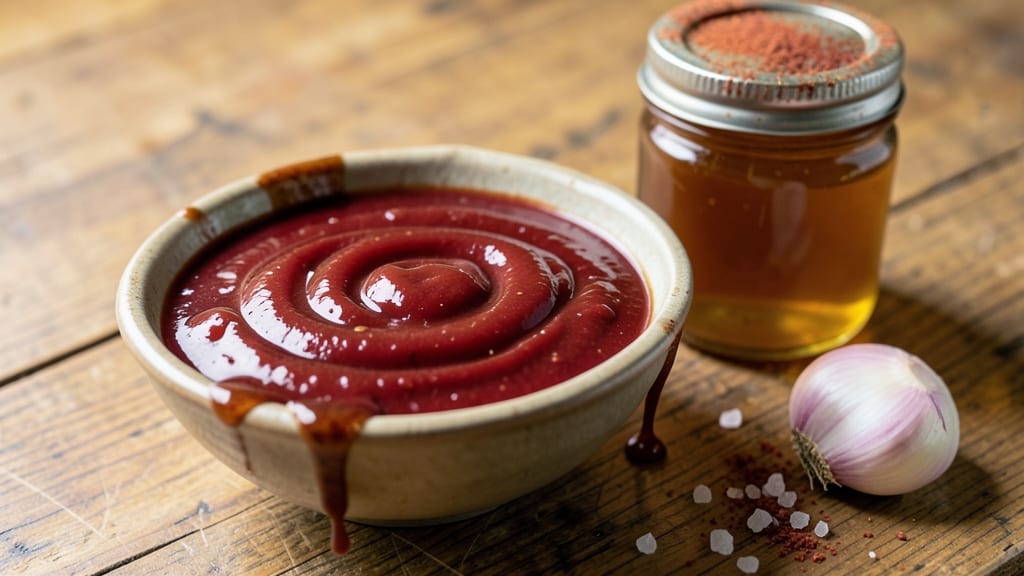
This bar Q sauce recipe delivers the perfect balance of smoky depth and sweet tang that elevates grilled meats to restaurant-quality. The secret lies in simmering ketchup, vinegar, and molasses with a blend of spices until thick and glossy—no blender required.
I developed this version after years of perfecting the art of barbecue sauce, ensuring every batch achieves that signature sticky-sweet consistency without overpowering the meat.
The foundation of great barbecue sauce begins with a 30-minute simmer that allows flavors to meld naturally. Brown sugar caramelizes for depth, while apple cider vinegar adds brightness that cuts through the richness.
Smoked paprika introduces that coveted smokiness without needing a smoker, and a touch of garlic powder ensures every bite has layers of flavor. This sauce works equally well on ribs, chicken, or pulled pork, making it a versatile staple for any grill master.
What sets this recipe apart is its ability to transform ordinary grilled meats into something extraordinary. The sauce clings perfectly to charred surfaces, creating a glossy, caramelized crust that's both sweet and tangy.
It also doubles as a dipping sauce for fries or a glaze for baked beans, proving its versatility beyond the grill. With just 8 simple ingredients, you'll achieve professional results that taste homemade.
For those who prefer a spicier kick, add cayenne pepper to the simmering mix, or swap brown sugar for honey for a more floral sweetness. The sauce keeps well in the refrigerator for up to 2 weeks, making it perfect for meal prep.
Whether you're hosting a backyard barbecue or craving a smoky-sweet flavor profile at home, this recipe delivers every time.
Ingredients for bar q sauce
Eight essential ingredients transform into a restaurant-quality barbecue sauce with smoky depth and sweet tang.
| Ingredient | Amount | Notes |
|---|---|---|
| Ketchup 🍅 | 1 cup | High-quality, no artificial flavors |
| Apple Cider Vinegar 🍏 | ½ cup | Raw, unfiltered preferred |
| Molasses 🍯 | ¼ cup | Unsulphured for best flavor |
| Light Brown Sugar 🍚 | ½ cup | Packed, not lightly packed |
| Smoked Paprika 🌶️ | 2 tbsp | High-quality, not smoked paprika blend |
| Garlic Powder 🧄 | 1 tsp | Freshly ground preferred |
| Ground Black Pepper 🌶️ | ½ tsp | Freshly cracked for intensity |
| Diamond Crystal Kosher Salt 🧂 | 1 tsp | Adjust to taste after simmering |
The quality of your ketchup and vinegar makes all the difference here. Heinz 57 Varieties or Hunt's are reliable choices for ketchup, while Bragg or Texas Pete apple cider vinegar adds authentic tang. Molasses should be unsulphured—Anthony's Good Measure is a premium option, but any reputable brand works. Brown sugar should be packed firmly into the measuring cup to ensure accurate sweetness. Smoked paprika is non-negotiable for that authentic barbecue flavor; Penzeys or McCormick brands deliver consistent results. For garlic powder, Simply Organic or Badia are excellent choices, though freshly ground powder from whole cloves elevates the sauce further.
No molasses? Maple syrup works at a 1:1 ratio, though the flavor profile shifts slightly. Substitute honey for brown sugar if you prefer floral notes, but reduce to 0.375 cup since it's sweeter. For a spicier kick, add 1/4 tsp cayenne pepper or 1/2 tsp crushed red pepper flakes. If you're avoiding vinegar, lemon juice at half the amount provides brightness, though the tang will be milder. For a deeper smokiness, swap half the paprika for liquid smoke—just 1/2 tsp—but use sparingly as it can overpower. The sauce thickens as it cools, so if it seems too thin after simmering, simmer uncovered for an additional 5-10 minutes to reduce further.
This sauce thickens as it sits, so store it in an airtight container with a thin layer of olive oil on top to preserve freshness. It keeps in the refrigerator for 2 weeks, though the flavor deepens over time. For longer storage, freeze in ice cube trays—perfect for portion control on the grill. Reheat gently on the stove or microwave until warmed through. The sauce clings beautifully to grilled meats, so apply it in the last 5-10 minutes of cooking to prevent burning. Leftovers make an excellent dipping sauce for fries or a glaze for baked beans, proving its versatility beyond the grill.
Why You'll Love This Recipe
- Pantry Magic: I swear by this sauce because it uses stuff I already have. No last-minute grocery runs—just ketchup, vinegar, and a splash of molasses that turns ordinary into ridiculously good in minutes.
- Smoky Sweet Fix: Between us, that smoked paprika and brown sugar combo is dangerously addictive. It’s got this deep, caramelized warmth that makes grilled chicken or pulled pork taste like it came from a food truck.
- Weeknight Hero: Slather it on burgers, drizzle it over fries, or toss it with roasted veggies—this sauce doesn’t quit. Honestly, I’ve even used it as a glaze for baked beans when I’m too tired to think.
- Makes Leftovers Shine: A little goes a long way, so I double the batch and stash it in the fridge. That means I’m never stuck with bland takeout again—just reheat and transform whatever’s left into something solid.
Step-by-step instructions for bold smoky-sweet glaze
Here's how to craft a rich, balanced barbecue sauce with perfect depth of flavor.
Combine Wet Ingredients in a Saucepan
In a medium saucepan, add the 1 cup ketchup, 0.5 cup apple cider vinegar, 0.25 cup molasses, and 0.5 cup light brown sugar. Stir these ingredients together over medium heat until they begin to simmer gently. The molasses will dissolve gradually, so give it 3-4 minutes of constant stirring to ensure a smooth mixture without lumps.
This initial combination creates the sauce's sweet-tart foundation. The vinegar will help cut through the richness of the molasses and sugar, while the ketchup provides that classic tangy base. Keep the heat at medium—too high and the sugar will caramelize too quickly, potentially burning before the flavors meld.
Add Spices and Seasonings
Once the mixture reaches a gentle simmer, reduce the heat to low and add the 2 tablespoons smoked paprika, 1 teaspoon garlic powder, 0.5 teaspoon ground black pepper, and 1 teaspoon Diamond Crystal kosher salt. Stir well to distribute the spices evenly throughout the sauce. The smoked paprika will infuse that signature barbecue smokiness, while the garlic and pepper add depth.
Let the sauce simmer for 10-12 minutes on low heat, stirring occasionally. You'll notice the sauce thickening slightly as the moisture evaporates and the flavors intensify. This is where the magic happens—the spices meld with the sweet-tart base, creating a harmonious balance. Taste occasionally to monitor the seasoning; you can always adjust the salt at the end if needed.
Simmer Until Thickened and Reduced
Continue simmering the sauce for an additional 8-10 minutes, again on low heat, until it reaches your desired consistency. You're looking for a sauce that coats the back of a spoon smoothly but isn't syrupy. The ideal texture should be thick enough to cling to grilled meats but still flow easily when brushed on. If the sauce thickens too much, add 1-2 tablespoons of water to loosen it.
During this final reduction, the flavors will deepen and the sauce will develop a glossy sheen. You'll smell the smokiness of the paprika and the caramelized notes of the sugar. This is your cue that the sauce is ready. If you let it reduce too much, you can always thin it with a splash of water or apple cider vinegar later, but it's better to err on the side of slightly thicker now.
Cool and Adjust Seasoning
Remove the sauce from heat and let it cool for 10 minutes before tasting. This cooling period allows the flavors to settle and the sauce to thicken slightly more as it comes off the heat. Once cooled, taste the sauce and adjust the seasoning if needed. If it tastes too sweet, add a splash more of the apple cider vinegar to balance it. If it needs more depth, add a pinch more smoked paprika or garlic powder.
Transfer the finished sauce to a clean jar or airtight container. It will continue to thicken as it cools further, so give it a stir before storing. This sauce keeps well in the refrigerator for up to 2 weeks or can be frozen for up to 3 months. The flavors actually improve over time, so don't hesitate to make extra for future grilling sessions.
Pro Tips For Making Bar Q Sauce
- Simmer Low and Slow: The second you add the molasses and brown sugar, drop the heat to medium-low and keep it there. I learned this the hard way—burning the bottom of the sauce ruins everything, and you’ll be left scraping charred bits off the pan instead of enjoying your BBQ.
- Strain the Molasses: Store-bought molasses often has sediment that makes your sauce look cloudy or gritty. Pour it through a fine-mesh strainer before adding it to the pot—trust me, you don’t want that grainy texture in your sauce.
- Balance the Vinegar: Apple cider vinegar is the acid in this sauce, but too much makes it taste sharp and unfinished. Start with 2 tablespoons, then add more only if you’re tasting it as you go—you can always adjust, but you can’t take it out.
- Toast the Spices: Before adding the smoked paprika, dry-toast it in the pot for 30 seconds on medium heat. This wakes up its flavor and gives your sauce a deeper, nuttier aroma—it’s a tiny effort that makes a real difference.
Perfect pairings for this recipe
Grilled Meat Glazes
This sauce transforms into a glossy, caramelized crust when brushed on grilled meats like ribs or brisket. For ribs, apply it during the last 10 minutes of cooking at 225°F—the low-and-slow method lets the sauce cling without burning.
I love using a baste brush to spread it evenly, especially on St. Louis-style pork ribs where the sauce soaks into the crevices. 🔥
Dipping Sauces
Serve it warm as a dipping sauce for crispy fried chicken or Texas-style beef brisket. The smoky-sweet balance cuts through the richness of fried foods beautifully.
For extra flair, sprinkle crushed red pepper flakes on top right before serving. I also dip smoked gouda fries into it—trust me, it’s a game-changer.
Baked Bean Glaze
Use this sauce to elevate baked beans by simmering 2 cups of beans with ½ cup of the barbecue sauce for 15 minutes on low heat.
The sauce infuses into the beans, creating a sticky-sweet-savory dish perfect for game day. Add diced bacon or crumbled bacon bits for extra depth. 🌶️
Slow-Cooker Marinade
Double the recipe and use half as a marinade for pulled pork in a slow cooker. Toss 3 lbs of pork shoulder with 1 cup of the sauce and cook on low for 8 hours.
The sauce caramelizes during cooking, creating a sticky, flavorful crust that’s irresistible. Reserve the remaining sauce for basting during the final hour.
Breakfast Twist
Drizzle this sauce over breakfast burritos with scrambled eggs, crumbled bacon, and cheddar cheese. The smoky-sweet flavor adds a surprising but delicious twist to morning meals. I also use it as a glaze for grilled cheese sandwiches—trust me, it’s a crowd-pleaser. ✨
BBQ Chicken Wings
Toss baked or fried chicken wings in this sauce during the last 5 minutes of baking or frying. The sauce clings perfectly, creating a glossy, sticky finish that’s ideal for dipping in blue cheese dressing. For extra crunch, sprinkle crushed potato chips on top before serving. 💫
Nutrition facts
Frequently asked questions
Can I make this sauce without molasses?
Yes! For a 1:1 substitution, use maple syrup or honey (reduce to 0.375 cup since it's sweeter). The flavor will be slightly different—maple adds floral notes while honey offers a milder sweetness. If you're avoiding both, try dark corn syrup for a neutral alternative, though molasses provides the deepest caramelized flavor.
How do I prevent the sauce from burning while simmering?
Keep the heat at low-medium and stir frequently—especially during the first 5 minutes when sugar starts caramelizing. If the sauce darkens too quickly, reduce the heat further or add 1 tablespoon water to cool it down. A 2-quart saucepan gives enough surface area to prevent scorching. Never walk away while simmering!
Can I use this sauce as a marinade?
Double the recipe, use half as a marinade for 3 lbs pork shoulder, and cook on low for 8 hours in a slow cooker. The sauce caramelizes beautifully during cooking, creating a sticky, flavorful crust. Reserve the remaining sauce for basting in the final hour. For chicken, marinate for 2-4 hours max to prevent overpowering the meat.
Why does my sauce turn out too thin?
Sauce thickens as it cools, so don't adjust consistency until completely cooled. If it's still too thin after cooling, simmer uncovered for 5-10 more minutes to reduce. For immediate thickening, mix 1 tablespoon cornstarch with 1 tablespoon cold water, stir into the sauce, and simmer 2 minutes. Avoid adding too much—it can make the sauce grainy.
How spicy should this sauce be?
This recipe is mildly smoky with no added heat. For spicier versions, stir in ¼ tsp cayenne pepper or ½ tsp crushed red pepper flakes during simmering. For a medium heat kick, add 1 tbsp hot sauce at the end. Always taste before serving—you can adjust heat levels to your preference.