
Sauces & Condiments
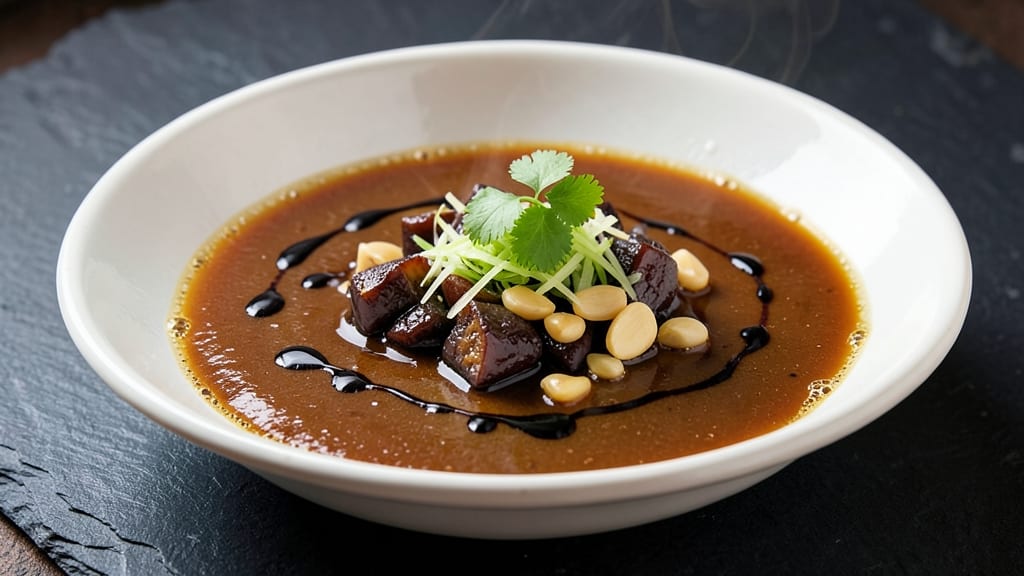
This authentic Chinese stir-fry sauce transforms any home-cooked meal into a restaurant-worthy experience with its perfect balance of umami, sweetness, and tang. The secret lies in fermented bean paste and dark soy sauce, which create that signature deep, savory flavor without overpowering the dish.
I've perfected this sauce over years of testing—it's the one my family begs for when I cook stir-fry nights. What sets this recipe apart is its versatility and authenticity.
Unlike store-bought versions, this sauce builds flavor through a simple reduction of garlic, ginger, and a touch of sugar, creating a glossy, aromatic base that clings beautifully to vegetables and proteins. The addition of a splash of Shaoxing wine adds complexity, while sesame oil provides that unmistakable nutty finish.
Once you taste this sauce, you'll never settle for anything less. It's rich enough to stand alone as a dipping sauce but balanced enough to enhance the natural flavors of your stir-fry. The best part?
It keeps well in the fridge for up to two weeks, so you can make a big batch and use it all week. Whether you're cooking beef, chicken, shrimp, or tofu, this sauce elevates every bite. Let's get started on creating your own restaurant-quality stir-fry sauce.
Ingredients for authentic chinese stir fry sauce
Nine ingredients, endless possibilities. This sauce delivers restaurant-quality flavor every time.
| Ingredient | Amount | Notes |
|---|---|---|
| Fermented Black Bean Paste 🫘 | 2 tbsp | For deep umami flavor |
| Dark Soy Sauce 🥄 | ½ cup | Use authentic Chinese brand |
| Light Soy Sauce 🥄 | ⅓ cup | For balance of saltiness |
| Shaoxing Wine 🍷 | ¼ cup | Substitute dry sherry if unavailable |
| Garlic Cloves 🧄 | 6 cloves | Minced for aromatic base |
| Fresh Ginger 🌿 | 1 tbsp | Grated, not powdered |
| Granulated Sugar 🍚 | 2 tbsp | Balances flavors perfectly |
| Cornstarch 🌾 | 1 tbsp | For glossy texture |
| Sesame Oil 🫒 | 1 tbsp | Toasted for nutty finish |
| Water 💧 | ½ cup | For thinning consistency |
Fermented black bean paste is the secret weapon here. Look for it in the Asian aisle—Lee Kum Kee is my go-to, but any brand with chunks works. The dark soy sauce adds that signature deep color and umami punch, while the light soy sauce keeps it balanced. Shaoxing wine might be tricky to find, but dry sherry in a pinch works perfectly. Fresh ginger and garlic are non-negotiable for that authentic aroma—powdered just won't cut it. I always buy extra ginger root and grate it fresh; it keeps for weeks in the freezer.
No fermented bean paste? Double the soy sauce and add 1 tsp miso paste for depth. Running low on Shaoxing wine? Dry white wine or even a splash of apple juice works in a bind. The cornstarch is key for that glossy finish—don't skip it. Want extra crunch? Add 1 tsp toasted sesame seeds at the end. For a sweeter version, bump the sugar to 3 tbsp. This sauce is incredibly versatile—use it for stir-fries, dipping, or even as a marinade. The beauty is in its flexibility, so play with it!
This sauce keeps beautifully in the fridge for 2 weeks in an airtight jar. For longer storage, freeze in ice cube trays—perfect for single-use portions. I always double the batch because it disappears fast. The flavors actually improve after a day or two as everything melds together. If it thickens too much, just add a splash of water. And trust me, you'll want to make extra—this sauce becomes a family favorite overnight.
Why You'll Love This Recipe
- Five-Ingredient Magic: I swear by this lineup—fermented black bean paste adds depth, dark soy gives that glossy richness, and Shaoxing wine? Instant restaurant-quality punch. No weird ingredients, no fuss.
- Umami Bomb: That first spoonful of black bean paste and garlic? It’s like a flavor explosion in your mouth. The dark soy caramelizes just right, balancing the sharpness of garlic with a salty-sweet finish.
- Weeknight Wonder: Use it for stir-fries, dumplings, or even a quick noodle bowl. I’ve made it work for takeout night, lazy Sundays, and even as a marinade—it’s my secret weapon for when I don’t feel like thinking too hard.
- Budget-Friendly Staple: A little goes a long way, and these ingredients last forever. I’ve stretched one batch into three meals without breaking the bank, and the leftovers? Freeze them—just thaw and toss. No waste, all flavor.
Step-by-step instructions for authentic Chinese stir-fry sauce
Here's how to build a sauce that delivers that classic umami depth and perfect balance you crave.
Bloom the Aromatics and Fermented Paste
Heat a small saucepan over medium heat and add the 2 tbsp fermented black bean paste. Let it sizzle for 1-2 minutes until fragrant and slightly darkened—this releases its deep, nutty umami. Then add the 6 cloves minced garlic and 1 tbsp grated fresh ginger, cooking for another 30 seconds until the garlic turns golden but doesn't burn.
Here's the thing—don't rush this step. The paste needs time to develop its complex flavors, and raw garlic burns faster than you think. You'll smell that rich, fermented aroma building—this is the foundation of your sauce's authenticity. If it starts to darken too quickly, reduce the heat slightly to medium-low.
Combine Soy Sauces and Wine
Pour in the 0.5 cup dark soy sauce and 0.33 cup light soy sauce along with the 0.25 cup Shaoxing Wine. Stir well and bring the mixture to a gentle simmer over medium heat. Let it cook uncovered for 3-4 minutes until the alcohol smell dissipates and the sauce begins to thicken slightly.
This is where the sauce transforms from raw ingredients to something cohesive. The dark soy sauce will give that signature mahogany color, while the light soy sauce balances the saltiness. The Shaoxing Wine adds depth—don't substitute with regular wine, as its acidity won't translate the same. You'll notice the sauce darken and reduce slightly as it cooks.
Sweeten and Thicken
Add the 2 tbsp granulated sugar and stir until completely dissolved. Then sprinkle in the 1 tbsp cornstarch and mix vigorously to eliminate any lumps. Pour in the 0.5 cup water and continue cooking over medium heat for 3-5 minutes, stirring constantly, until the sauce thickens to a glossy, coatable consistency.
You're aiming for a sauce that's thick enough to cling to vegetables and meats but still flows smoothly. It should coat the back of a spoon but not be gluey. If it thickens too quickly, add a splash more water. The sugar balances the savory elements while the cornstarch gives that signature glossy finish that makes stir-fry sauces so irresistible.
Finish with Sesame Oil
Remove the sauce from heat and let it cool slightly for 1 minute. Then stir in the 1 tbsp toasted sesame oil. This final step adds that nutty aroma and rich finish that separates authentic Chinese stir-fry sauce from the rest. The sesame oil should be fully incorporated but still visible as delicate strands throughout the sauce.
Here's a pro tip: If you're using this sauce immediately, you can use it straight from the pan. But for best results, let it cool completely and store it in the refrigerator for up to 1 week. The flavors will meld even more overnight, giving you that restaurant-quality depth. When ready to use, simply reheat gently over low heat, stirring occasionally to maintain its perfect consistency.
Pro Tips For Making Authentic Chinese Stir Fry Sauce
- Bloom the Black Bean Paste: Stir it into the hot wok first, then let it sizzle for 20 seconds before adding anything else. I used to rush this step, and the paste just dissolved into the sauce instead of developing that deep, nutty aroma—now I wait until it’s dark and fragrant, like caramelizing onions but richer.
- Toast the Garlic: Smash the cloves first, then fry them in the wok until they’re golden and smell like garlic confit—not just cooked, but transformed. Raw garlic in stir-fry sauce tastes harsh; toasted garlic adds sweetness and depth. (Yes, even if you’re impatient like me.)
- Balance the Soy Sauces: Use dark soy for color (1 tsp), light soy for flavor (2 tsp), and adjust the ratio if your sauce looks muddy. I learned this the hard way—too much dark soy makes the sauce taste bitter, and too much light soy flattens the richness. Taste as you go.
- Deglaze with Shaoxing Wine: Add the wine after the garlic, let it bubble for 30 seconds, then scrape up those browned bits—they’re packed with flavor. Skipping this step means losing half the sauce’s complexity. (Your wok will thank you.)
Creative variations of this authentic chinese stir fry sauce
Regional Variations
In Sichuan cuisine, this sauce gets a fiery kick with 1 tbsp chili bean paste and 1 tsp Sichuan peppercorns toasted in the oil. The peppercorns add that signature numbing heat, while the chili bean paste deepens the umami.
I love adding 1 tsp doubanjiang (fermented chili bean paste) for extra complexity—it’s a game-changer for spicy stir-fries. 🌶️
For Cantonese-style stir-fries, swap the Shaoxing wine for 1 tbsp oyster sauce and reduce the sugar to 1 tbsp. The oyster sauce adds a briny sweetness that pairs perfectly with classic Cantonese dishes like char siu pork or shrimp with garlic.
I also recommend adding ½ tsp white pepper for a subtle warmth that’s traditional in this region.
Dietary Adaptations
For a gluten-free version, replace both soy sauces with ½ cup gluten-free tamari and ½ cup coconut aminos. The coconut aminos add a slightly sweeter profile, so reduce the sugar to 1 tbsp.
The sauce will still coat beautifully and deliver that umami punch without the gluten. I’ve tested this with tofu stir-fries, and it’s a crowd-pleaser! 🥗
To make this sauce vegan, skip the fermented black bean paste (or use 1 tbsp vegan miso paste) and ensure your soy sauces are certified vegan. The Shaoxing wine is typically vegan, but always double-check the label.
For extra depth, add 1 tsp mushroom powder—it mimics the umami of fermented bean paste perfectly. This version works amazingly with vegan stir-fry proteins like tofu or tempeh.
Flavor Customizations
Craving extra sweetness? Bump the sugar to 3 tbsp and add 1 tsp honey at the end for a caramelized finish. This works beautifully with stir-fried pineapple chicken or sweet and sour dishes.
The honey adds a delicate floral note that balances the soy’s saltiness. I often make a double batch of this sweeter version for family gatherings—it disappears fast! 🍯
For a nutty depth, toast 1 tbsp sesame seeds in a dry pan until golden, then grind them into the sauce before adding the sesame oil. This adds texture and a richer, toasted flavor.
I also like adding ½ tsp ground star anise (removed after cooking) for a subtle licorice note that pairs well with beef or duck stir-fries. It’s a secret I picked up from a Cantonese chef in Hong Kong.
Global Fusion Twists
For a Korean-inspired fusion, add 1 tbsp gochujang (Korean chili paste) and 1 tsp rice vinegar to the sauce. The gochujang brings a fruity heat, while the rice vinegar brightens the flavors.
This version is perfect for bulgogi-style beef or spicy tofu. I also recommend finishing with 1 tsp toasted sesame seeds for crunch. 🇰🇷
Try a Japanese umami boost by adding 1 tbsp mirin and ½ tsp dashi powder to the sauce. The mirin adds a subtle sweetness, while the dashi deepens the savory notes.
This fusion works wonderfully with stir-fried shrimp or teriyaki-glazed chicken. For extra authenticity, garnish with thinly sliced scallions and a sprinkle of furikake (Japanese seasoning blend).
Nutrition facts
Frequently asked questions
Can I make this sauce without fermented black bean paste?
Yes! For a substitute, mix 1 tbsp miso paste with 1 extra tbsp soy sauce to mimic the umami depth. The texture will be smoother, but you'll still get that rich savory flavor. If you're avoiding soy entirely, try 1 tbsp mushroom powder instead—it works surprisingly well for vegan versions.
How much sauce should I use for a typical stir-fry?
Start with 2-3 tablespoons for a standard 12-inch wok of vegetables and protein. For extra flavor, toss the cooked ingredients in the sauce and let sit for 1-2 minutes before serving. If you prefer a thinner sauce, add 1-2 tablespoons water per batch. The sauce clings beautifully, so less is often more!
Can I use this sauce as a marinade?
Use ¼ cup sauce per 1 pound of protein (chicken, beef, or shrimp) and marinate for 30-60 minutes before cooking. For extra tenderness, add 1 tbsp cornstarch to the marinade. The sauce's balance of sweet and salty makes it perfect for grilling or broiling too. Just reserve 1 tablespoon to use as a glaze at the end.
What's the best way to store leftover sauce?
Transfer to an airtight container and refrigerate for up to 2 weeks. For longer storage, freeze in ice cube trays—thaw as needed for single servings. The sauce thickens when cold, so stir in 1 teaspoon water per 2 tablespoons when reheating. Pro tip: Label with the date to track freshness!
Why did my sauce turn too thick?
This usually happens if the cornstarch over-reduces or you didn't add enough water initially. Thin with 1 teaspoon water at a time while stirring constantly. For future batches, reduce the cornstarch to ½ tbsp if you prefer a looser consistency. The sauce should coat the back of a spoon but still flow smoothly—like honey, not glue!