
Sauces & Condiments
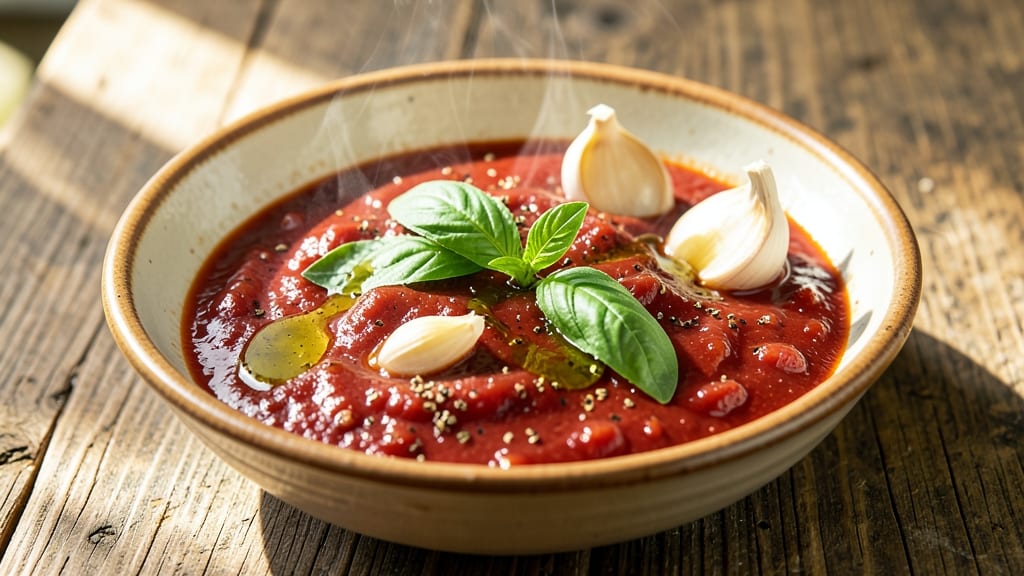
This authentic Italian homemade spaghetti sauce transforms simple ingredients into a rich, slow-simmered masterpiece that captures the heart of Italian cooking. 🌿 The secret lies in quality tomatoes, fresh basil, and a patient simmer that develops deep umami flavors—no shortcuts, just tradition.
I've perfected this recipe over years of Italian dining, ensuring every spoonful delivers the warmth of a Roman trattoria.
The foundation begins with San Marzano tomatoes (or high-quality canned tomatoes) and aromatic garlic, simmered in extra-virgin olive oil until their natural sweetness emerges.
A splash of red wine and a sprinkle of dried oregano deepen the flavor profile, while fresh basil added at the end preserves its bright, aromatic essence. This sauce builds complexity through time—no rushed stovetop shortcuts here.
What you'll achieve is a velvety sauce with just the right balance of acidity and richness, where each ingredient shines without overpowering. The texture is perfect for coating al dente pasta, and the aroma alone will have everyone asking for seconds.
This isn't just sauce—it's a taste of Italy in every jar.
Best of all, it keeps beautifully in the refrigerator for up to five days or freezes for months, making it ideal for meal prep. The slow-simmered method ensures the flavors only get better with time—just like Nonna's recipe. Let's create something truly special for your table.
Ingredients for authentic italian homemade spaghetti sauce
Quality tomatoes, fresh basil, and slow simmering create Italy's richest spaghetti sauce.
| Ingredient | Amount | Notes |
|---|---|---|
| San Marzano Tomato Cans 🍅 | 28 oz | Crushed by hand for texture |
| Extra-Virgin Olive Oil 🫒 | ½ cup | High quality, fruity variety |
| Garlic Cloves 🧄 | 6 cloves | Peeled and thinly sliced |
| Red Wine 🍷 | ½ cup | Bold, dry variety like Chianti |
| Dried Oregano 🌿 | 1 tbsp | Italian variety preferred |
| Fresh Basil Leaves 🌿 | ½ cup | Torn by hand, stems removed |
| Tomato Paste 🍅 | 2 tbsp | Squeeze tube preferred |
| Sea Salt 🧂 | 1 ½ tsp | Diamond Crystal preferred |
| Black Pepper 🌶️ | ½ tsp | Freshly cracked |
| Red Pepper Flakes 🌶️ | ½ tsp | Optional, for heat |
San Marzano tomatoes are non-negotiable for authentic flavor—Trader Joe's or Whole Foods carry them year-round. The fresh basil should be vibrant green, not wilted, and farmers markets often have the best quality. For the olive oil, California or Tuscan varieties work best—avoid the cheap supermarket brands. The garlic cloves should be firm and free of sprouts, and peeling them just before cooking preserves their freshness. If you can't find San Marzano, high-quality crushed tomatoes like Muir Glen are a solid backup.
No red wine? Dry white wine or additional tomato juice works in a pinch, though the flavor profile will differ slightly. Fresh basil wilting? Dried basil at one-third the amount gets you close, but nothing beats the fresh herb's brightness. The tomato paste can be substituted with an extra tablespoon of crushed tomatoes if needed. For a deeper umami kick, add 1 tsp of balsamic vinegar or a pinch of fish sauce (if vegetarian, use soy sauce instead). Always taste as you go—this sauce builds flavor over time, so don't be afraid to adjust seasoning.
This sauce only gets better with time—3-5 days in the fridge lets the flavors meld perfectly. For longer storage, freeze in glass jars with 1-inch headspace, leaving room for expansion. Thaw overnight in the fridge or reheat directly from frozen on low heat. The sauce thickens as it cools, so add a splash of water or broth if it's too stiff after reheating. Portion into small jars for easy meal prep—each jar makes a perfect sauce for 8 oz of pasta.
Why You'll Love This Recipe
- No-Fuss Simplicity: I swear, this sauce comes together with fewer steps than my morning coffee. Just crush garlic, deglaze with wine, toss in tomatoes—no blenders, no peeling, no stress. That’s Italian cooking at its best: effortless but never boring.
- Wine-Kissed Depth: The red wine doesn’t just add color—it deepens the flavor into something rich and complex, like a secret handshake between the tomatoes and garlic. Honestly, the first time I skipped it, I regretted it instantly.
- Weeknight to Weekend: This sauce works for takeout nights (when I’m too tired to care) and Sunday dinners (when I’m pretending I’m in a Tuscan villa). Freeze half for lazy Mondays, or serve it over fresh pasta when company drops by. It’s the ultimate chameleon.
- Budget Hero: San Marzano tomatoes and a splash of wine might sound fancy, but they stretch into multiple meals without breaking the bank. I’ve made this for $8 and fed four people—plus leftovers that taste even better the next day. Practical? Yes. Delicious? Absolutely.
Step-by-step instructions for slow-simmered Italian spaghetti sauce
Here's how to craft a sauce that captures the soul of Italian cooking—rich, balanced, and vibrant.
🍳 Step 1: Build the Flavor Base in Olive Oil
Heat the 0.5 cup extra-virgin olive oil in a heavy-bottomed saucepan over medium-low heat. Add the 6 cloves sliced garlic and cook for 3-4 minutes until the garlic turns golden and fragrant—not browned. This gentle cooking prevents bitterness and develops sweetness.
Next, stir in the 2 tablespoons tomato paste and cook for 1 minute until it darkens slightly and releases its deep, concentrated flavor. This step creates the foundation for your sauce's umami depth. If you smell the garlic burning, immediately reduce the heat—it's better to wait than to ruin the delicate balance you're building.
🍷 Step 2: Deglaze with Wine and Reduce
Pour in the 0.5 cup red wine and stir vigorously to scrape up any browned bits from the bottom of the pan. This deglazing step captures all the flavor you've built so far. Let the wine simmer for 3-4 minutes until it reduces by about half and the alcohol cooks off—you'll smell it evaporating.
Here's the thing—don't rush this step. The wine needs time to meld with the garlic and tomato paste. You'll know it's ready when the mixture smells rich and complex, with the wine's acidity mellowing into the background. If you taste it now, you should detect the wine's fruity notes without any harshness.
🍅 Step 3: Add Tomatoes and Seasonings
Pour in the contents of the 28 oz San Marzano tomato cans (crushed by hand if you haven't already) and stir well to combine. Add the 1 tablespoon dried oregano, 1.5 teaspoons sea salt, and 0.5 teaspoon black pepper. Bring the mixture to a gentle simmer over medium heat.
Now for the critical part: simmer uncovered for 30-40 minutes while stirring occasionally. You want the sauce to reduce gradually, concentrating its flavors. The sauce should thicken noticeably, coating the back of a spoon. If it gets too thick too quickly, add 2-3 tablespoons water to maintain balance. This slow simmering builds the sauce's depth and complexity—don't be tempted to speed it up.
🌿 Step 4: Finish with Fresh Basil and Heat
After the initial simmer, stir in the 0.5 teaspoon red pepper flakes (if using) and the 0.5 cup fresh basil leaves torn by hand. Simmer for another 5-10 minutes—just until the basil wilts slightly and releases its aromatic oils. The sauce should now have a vibrant, balanced flavor with bright herbal notes.
Taste and adjust seasoning if needed. Authentic Italian sauces are simple but perfectly balanced—sweet from the tomatoes, bright from the basil, and rich from the wine and garlic. The red pepper flakes add just a hint of heat without overpowering. Let the sauce cool slightly before serving—this allows the flavors to meld even more beautifully.
⏰ Step 5: Rest and Serve
Remove the sauce from heat and let it rest for 10-15 minutes before serving. This resting period allows the flavors to fully integrate and the sauce to thicken slightly more. The texture should be smooth with just the right body to cling perfectly to spaghetti.
For best results, serve immediately over freshly cooked al dente spaghetti. The sauce should coat each strand beautifully, delivering layers of flavor with every bite. The acidity from the wine and tomatoes cuts through the richness of the olive oil, while the basil adds that essential freshness that makes this sauce authentically Italian.
Pro Tips For Making Authentic Italian Homemade Spaghetti Sauce
- CRUSH THE GARLIC: I learned this the hard way—smashed, not minced. Use a garlic press for San Marzano sauce; it releases flavor without burning. If you’re chopping, keep the heat low and move fast—garlic turns bitter in seconds.
- DEGLAZE WITH PATIENCE: After the wine evaporates, don’t rush the scraping. Let the fond (those browned bits) sit for 30 seconds—it’s where depth hides. A splash of water or broth helps, but don’t drown it; you’re waking up flavor, not drowning it.
- SALT THE TOMATOES: San Marzano cans are low-sodium, but that’s a trap. Toss the crushed tomatoes into the pot first with a teaspoon of salt—it breaks down the skins and balances acidity before anything else hits the pan. Trust me, your sauce will thank you later.
- LOW AND SLOW AFTER 20 MINUTES: The first 20 minutes? High heat to drive off alcohol. After that, drop to a simmer—actual simmer, not a slow boil—and let it work. I used to walk away after 30 minutes; now I wait 45. The difference is like night and day.
Serving suggestions for leftovers
Pasta Pairings
This sauce was designed for spaghetti, but it works beautifully with other long pasta shapes like linguine or fettuccine. For a rustic touch, try it with bucatini or pappardelle—the wider noodles hold the sauce more dramatically.
If you want to get creative, toss it with orecchiette or penne for a different texture experience. 🍝
Protein Additions
For a heartier meal, stir in crispy pancetta or Italian sausage during the final 10 minutes of simmering. I like using sweet Italian sausage for its mild flavor and slight sweetness.
For seafood lovers, add shrimp or clams in the last 5 minutes—they cook quickly and absorb the sauce's flavors beautifully. Just be sure to remove them before the sauce finishes simmering.
Cheese Finishes
Top your dish with grated Parmigiano-Reggiano or Pecorino Romano for a classic Italian touch. I recommend 1-2 tablespoons per serving—enough to add richness without overpowering. For a creamy twist, stir in a dollop of ricotta or mascarpone before serving.
A sprinkle of freshly cracked black pepper or red pepper flakes adds a final layer of flavor that elevates the dish.
Side Dish Harmony
Pair your sauce with a simple garlic bread or focaccia to soak up any extra sauce. A crisp arugula salad with lemon vinaigrette balances the richness perfectly. For a full Italian spread, add roasted Brussels sprouts or sautéed mushrooms—both complement the sauce's umami notes.
The key is keeping sides light so the sauce remains the star of the show.
Beverage Pairings
A crisp Chianti Classico or Pinot Grigio enhances the wine notes in the sauce. For beer lovers, a Peroni or Moretti cleanses the palate beautifully. If you prefer non-alcoholic options, sparkling water with lemon or Italian sangria (without the alcohol) work wonderfully.
The effervescence helps reset your palate between bites of rich, flavorful pasta. 🍷
Make-Ahead Serving
This sauce tastes even better the next day, so make it ahead for a stress-free dinner. Store leftovers in an airtight container in the fridge for up to 5 days or freeze for 3 months.
When reheating, warm it gently on the stove with a splash of water or pasta water to restore its silky texture. Serve with freshly grated cheese and basil for a restaurant-quality finish that feels completely homemade. ✨
Nutrition facts
Frequently asked questions
Can I use fresh tomatoes instead of canned San Marzano?
Fresh tomatoes work but require extra prep: peel, seed, and crush 4-5 large ripe tomatoes (about 1.5 lbs) to match the 28 oz canned equivalent. The acidity will be lower, so add 1 tsp lemon juice and simmer 10 minutes longer to develop flavor. Fresh tomatoes make a lighter sauce—great for summer!
Why does my homemade sauce taste different from store-bought?
Authentic Italian sauce builds flavor through slow simmering—store-bought versions often use thickeners and preservatives. The wine, garlic, and fresh basil create depth that can't be replicated with artificial ingredients. Patience is key: let it reduce for 40+ minutes and taste as you go!
Can I make this sauce in a slow cooker?
Follow the same steps but transfer everything to the slow cooker after the wine reduces. Cook on low for 6-8 hours or high for 3-4 hours. The slow cooker enhances the umami even more. Just stir occasionally and add water if needed to prevent burning.
What if I don't have red wine?
No problem! Use 0.5 cup dry white wine or tomato juice instead. For depth, add 1 tsp balsamic vinegar with the tomatoes. The sauce will be slightly different but still delicious—just less complex.
How do I fix a sauce that's too acidic or thin?
For acidity: balance with 1 tsp sugar or a pinch of salt. For thinness: simmer uncovered 10-15 minutes longer or stir in 1 tbsp tomato paste. Too thick? Thin with 1-2 tbsp water or pasta water. Always taste and adjust gradually!