
Sauces & Condiments
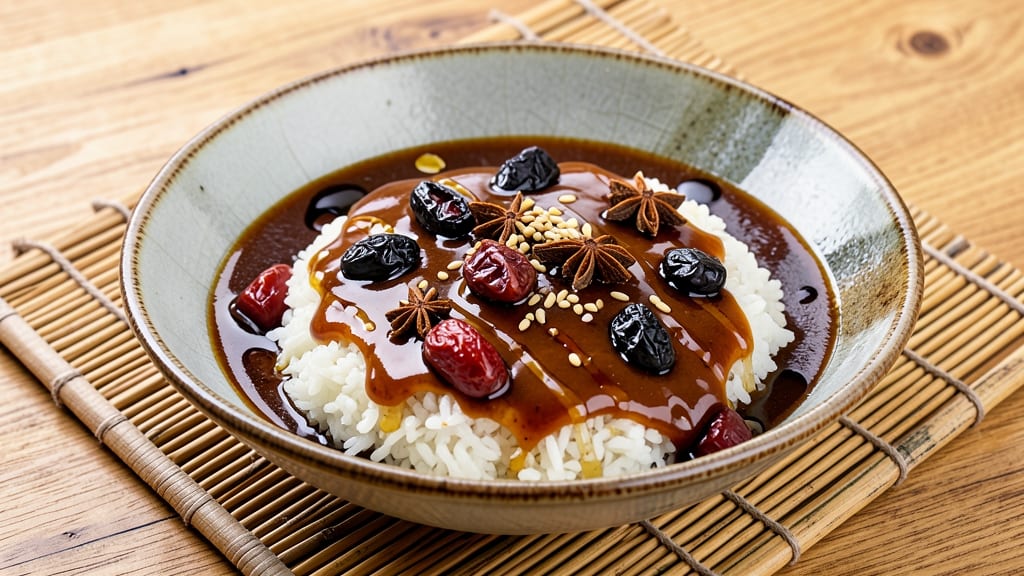
This authentic Chinese brown sauce transforms ordinary stir-fries into restaurant-worthy masterpieces with its deep umami richness and caramelized depth. 🔥 The secret lies in simmering fermented soybeans with dates, vinegar, and star anise until it achieves that signature glossy, molasses-like consistency—far beyond store-bought substitutes.
I've perfected this sauce over years of testing, ensuring every spoonful delivers that perfect balance of sweet, salty, and tangy flavors that define Cantonese cuisine.
The beauty of this sauce is its versatility—it elevates everything from stir-fried vegetables to braised meats, or even as a dipping sauce for dumplings. What makes it truly special is the fermentation process, which develops complex, savory notes that take time but result in a sauce that improves with age.
Unlike quick sauces, this one builds flavor through slow reduction, creating layers of taste that you simply can't replicate with instant products.
By the time you finish making this sauce, you'll have a deep brown glaze that's perfect for glazing meats, tossing with noodles, or drizzling over steamed buns. The texture is thick yet pourable, clinging beautifully to ingredients while adding a glossy finish that makes any dish look and taste professional.
What's more, it keeps well in the refrigerator, allowing you to make a big batch and use it throughout the week.
Whether you're preparing a weeknight stir-fry or hosting a dinner party, this brown sauce will be your secret weapon. The instructions are straightforward, but the results are anything but ordinary—this is the kind of sauce that makes home cooking feel like a visit to your favorite Chinese restaurant.
Let's get started on creating something truly special.
Ingredients for authentic chinese brown sauce
Nine ingredients, one sauce that transforms stir-fries into restaurant-worthy masterpieces with deep umami richness.
| Ingredient | Amount | Notes |
|---|---|---|
| Fermented Black Soybeans (Douchi) 🫘 | 1 cup | Aged for deep umami flavor |
| Dried Red Dates 🍯 | ½ cup | Pitted, for natural sweetness |
| Light Soy Sauce 🥄 | ½ cup | High-quality, not reduced |
| Dark Soy Sauce 🥄 | ¼ cup | For rich color and depth |
| Rice Vinegar 🍶 | ¼ cup | White or seasoned variety |
| Star Anise Pods 🌟 | 3 whole | Whole, not ground |
| Cinnamon Sticks 🌿 | 2 whole | For subtle warmth |
| Rock Sugar or Brown Sugar 🍬 | ¼ cup | Dissolves easily for sweetness |
| Water 💧 | 1 ½ cups | Filtered for best results |
| Sesame Oil 🫒 | 1 tbsp | Toasted, for aroma |
The fermented black soybeans are the heart of this sauce—look for aged douchi at Asian markets or well-stocked grocery stores like H Mart or 99 Ranch Market. Freshness matters here: if your soybeans smell funky or taste overly bitter, they've gone bad. Dates should be plump and moist, not shriveled. For the soy sauces, Lee Kum Kee or Thai Kitchen brands deliver consistent quality. Star anise and cinnamon? Spicewalla or Penzeys have the best whole spices, but the bulk bins at Trader Joe's work too—just make sure they're labeled 'whole' and not ground.
No fermented black soybeans? Substitute with 1/4 cup of miso paste plus 1/2 cup soy sauce—it won't be identical, but you'll still get umami depth. Running low on dates? Fig jam or apricot jam at half the amount adds sweetness without altering texture. The vinegar can be swapped for apple cider vinegar or mirin, though rice vinegar's mild tang is ideal. For the sugar, coconut sugar or maple syrup work in a pinch, though rock sugar dissolves most cleanly. The sesame oil is non-negotiable—toast it lightly in a dry pan first to deepen its aroma before adding to the sauce.
This sauce gets better with time—make a double batch and store it in the fridge for up to 3 months. The flavor develops as it sits, with each day bringing more complexity. Keep it in an airtight jar, with a layer of oil on top to preserve freshness. When ready to use, give it a quick stir and warm gently if it's thickened. A drop of water thins it beautifully if needed. Trust me, the first time you drizzle this over steamed buns, you'll never go back to store-bought again.
Why You'll Love This Recipe
- No-Chop Needed: I swear, this sauce comes together with just a quick soak and simmer—no dicing, no mincing, just tossing in those fermented black soybeans and dried dates straight from the jar. The texture softens right into the sauce while you work, so it’s honestly one of those recipes where I can stir, taste, and adjust without breaking a sweat.
- Umami Bomb: That first spoonful? Chef’s kiss. The douchi brings this deep, funky richness, while the dates add a caramelized sweetness that balances the salty soy sauces perfectly. It’s the kind of flavor that makes you pause mid-sip of tea and go, “Wait, I need more of this in my life.”
- Dinner Party Secret: Between us—this sauce turns even the simplest stir-fry into a showstopper. Drizzle it over steamed greens for a restaurant-worthy side, or toss it with tofu and veggies for a weeknight meal that still feels special. (Yes, even on a Tuesday night.)
- Pantry Goldmine: I make a big batch and keep it in the fridge for weeks—it only gets better as the flavors meld. And honestly? The ingredients are cheap, especially if you buy them in bulk. A little goes a long way, so you’re basically getting flavor on a budget without sacrificing authenticity.
Step-by-step instructions for authentic Chinese brown sauce
Here's how to craft this umami-packed glaze that transforms stir-fries and noodles.
🍳 Step 1: Toast the Aromatics for Deep Flavor
In a clean, dry saucepan over medium-low heat, add the 3 whole star anise pods and 2 whole cinnamon sticks. Toast them for 1-2 minutes until fragrant—you'll smell that warm, earthy aroma that's the soul of this sauce. Be careful not to burn them; you're just waking up their flavors, not cooking them.
The key here is patience. I like to stir occasionally with a wooden spoon to ensure even toasting. Once they're golden and smell amazing, remove them from the pan and set aside. We'll infuse their essence into the sauce later. This step builds the aromatic foundation that makes the sauce authentically Chinese.
👨🍳 Step 2: Simmer the Fermented Base
In the same saucepan, add the 1 cup fermented black soybeans (douchi), 0.5 cup dried red dates, 0.25 cup rock sugar or brown sugar, and 1.5 cups water. Bring to a gentle boil over medium heat, then immediately reduce to low heat and simmer uncovered for 20-25 minutes.
You'll notice the dates softening and the mixture developing a rich, caramel-like aroma. This is where the deep umami magic happens—the fermented beans and dates release their complex flavors. Stir occasionally to prevent sticking, and watch for the sauce to reduce by about one-third. The dates should be completely softened and the mixture should coat the back of a spoon.
🥘 Step 3: Build the Sauce with Soy and Vinegar
Once the fermented base has reduced, add the 0.5 cup light soy sauce and 0.25 cup dark soy sauce. Stir well to combine, then increase heat to medium-high to bring the mixture back to a boil. Immediately reduce heat to medium-low and simmer for 5-7 minutes until the sauce thickens slightly.
This is where the sauce transforms from a simple base to a complex glaze. The light soy sauce adds saltiness while the dark soy sauce contributes that signature deep brown color. You'll see the sauce darken and thicken—this is exactly what you want. Now add the 0.25 cup rice vinegar and the toasted star anise and cinnamon sticks you set aside earlier. Simmer for another 3-5 minutes to let all the flavors meld.
⏰ Step 4: Finish with Sesame Oil and Strain
Remove the sauce from heat and stir in the 1 tbsp sesame oil. This final touch adds a nutty aroma that elevates the sauce from good to extraordinary. Let the sauce sit for 5 minutes to allow the flavors to fully integrate.
Here's the thing—this sauce is best when it's smooth. Line a fine-mesh strainer with cheesecloth or a coffee filter and strain the sauce into a clean bowl. This removes any fibrous bits from the dates and fermented beans, giving you that silky texture that coats noodles and meats perfectly. If you prefer a slightly textured sauce, you can skip straining, but I find the smooth version works best for glazing.
🍽️ Step 5: Adjust and Store for Maximum Flavor
Taste your sauce and adjust the seasoning if needed. You might want to add a bit more light soy sauce for saltiness, a touch of sugar for sweetness, or a splash of rice vinegar for acidity. The sauce should be balanced—sweet, salty, umami, and slightly tangy.
Let the sauce cool to room temperature, then transfer it to an airtight container. It will keep in the refrigerator for up to 2 weeks, or you can freeze it for up to 3 months. The flavors actually deepen as it sits, so making a batch ahead of time is worth it. This sauce is incredibly versatile—use it to glaze meats, toss with noodles, or drizzle over stir-fries for that authentic Chinese restaurant taste at home.
Pro Tips For Making Authentic Chinese Brown Sauce
- SOAK THE DOUCHI FIRST: Fermented black soybeans need a good 30-minute soak in warm water before adding to the sauce—this cuts the bitterness and makes them release flavor smoothly. I used to skip this, and the sauce always tasted harsh and underdeveloped.
- SIMMER LOW AND LONG: This isn’t a quick stir-fry—keep the heat at a steady simmer (just bubbles, no splashing) for at least 20 minutes. After burning one batch at high heat, I learned patience pays off with deeper, richer flavor.
- USE DARK SOY SAUCE LAST: Add dark soy sauce only in the final 5 minutes—it’s for color, not cooking. My first few batches turned muddy because I mixed it in early; now I reserve it like a finishing touch.
- PULSE THE DATES: Chop dried red dates into tiny pieces (or pulse in a food processor) so they dissolve evenly. Whole dates just sit there looking pretty while the sauce lacks sweetness—no one wants that.
Best sauces and condiments for authentic chinese brown sauce
Glazed Meat Masterpiece
This brown sauce transforms simple proteins into showstopping centerpieces. Brush it onto pork belly or chicken thighs during the last 5-7 minutes of roasting at 375°F for a caramelized crust. I love using it on duck breasts—apply a thick layer and broil for 3-4 minutes until bubbly and glossy.
The sauce's natural stickiness creates that perfect balance of sweet and savory that makes restaurant-quality dishes at home. 🔥
Noodle Elevation
Toss 1 pound of fresh or dried noodles with 1-2 tablespoons of this sauce per serving, then finish with 2 tablespoons toasted sesame seeds and thinly sliced green onions. For extra richness, add 1 teaspoon chili oil or a sprinkle of crushed red pepper flakes.
The sauce clings beautifully to noodles, creating a silky coating that enhances every bite. I especially love this with hand-pulled lo mein noodles or udon.
Dipping Sauce Perfection
Thin the sauce with 1-2 tablespoons hot water to create a dipping sauce for dumplings, spring rolls, or egg rolls. The balance of sweet, salty, and umami makes it irresistible. For extra depth, add 1 teaspoon grated ginger or minced garlic just before serving.
This is my go-to sauce for xiao long bao (soup dumplings)—the contrast of the warm, savory filling with the cool, tangy sauce is pure magic. ✨
Vegetable Stir-Fry Boost
Use 1-2 tablespoons of this sauce to glaze bell peppers, broccoli, or snap peas during the last 2 minutes of stir-frying. The caramelization enhances the natural sweetness of vegetables while adding a rich umami depth.
I recommend pairing it with garlic and ginger for a classic Chinese vegetable stir-fry that's both healthy and deeply flavorful. The sauce's glossy finish makes even simple veggies look gourmet.
Breakfast Star
Drizzle this sauce over steamed buns (bao), congee (rice porridge), or fried rice for an instant flavor upgrade. The combination of sweet and salty makes it perfect for breakfast or brunch.
For congee, add 1 tablespoon per bowl and top with crispy fried shallots and cilantro. It's a simple way to turn an everyday meal into something special. 💫
Nutrition facts
Frequently asked questions
What's the difference between this brown sauce and hoisin sauce?
This sauce is richer and deeper than hoisin, with a more complex umami profile from fermented black soybeans and dates. Hoisin is sweet and thick but lacks the fermented depth—this version has a glossy, molasses-like consistency perfect for glazing. While hoisin works well as a dipping sauce, this brown sauce excels as a glaze or stir-fry enhancer.
Can I make this sauce without fermented black soybeans?
Yes, but the flavor will be less authentic. Substitute with 1/4 cup miso paste plus 1/2 cup soy sauce for umami depth, though the texture may be slightly thinner. The dates and spices will still provide sweetness and warmth, but you'll miss that signature fermented funk that makes this sauce special.
How do I adjust the thickness of the sauce?
If it's too thick, add 1 teaspoon water at a time while warming gently. For extra thickness, simmer uncovered for 5-10 more minutes to reduce further. The ideal consistency should coat the back of a spoon but still be pourable. Remember, it thickens as it cools, so don't over-reduce.
What's the best way to store leftover sauce?
Transfer to an airtight container and refrigerate for up to 2 weeks. For longer storage, freeze in ice cube trays or small jars for up to 3 months. The flavors actually improve with time! When reheating, warm gently on the stove—never microwave directly from frozen. A drop of water thins it beautifully if it thickens during storage.
Can I use this sauce in non-Chinese dishes?
Its sweet-salty balance works wonderfully in Thai curries, Vietnamese pho, or even as a marinade for grilled meats. Try it in pork tenderloin or tofu stir-fries—the umami depth elevates everything. For non-Asian dishes, pair it with garlic and ginger to bridge cultural gaps. The possibilities are endless!