
Sauces & Condiments
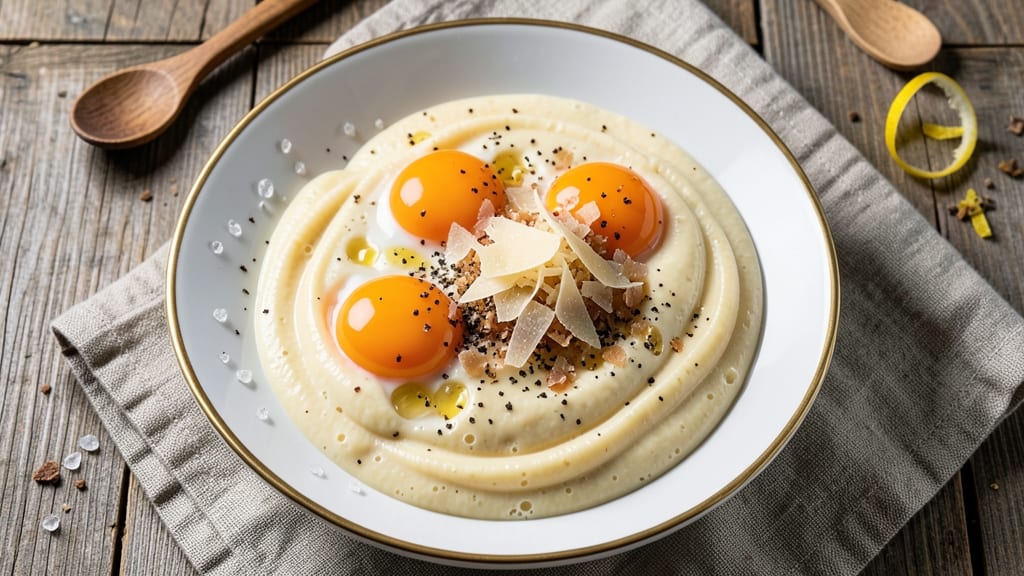
This authentic alfredo sauce recipe from scratch delivers creamy, velvety perfection without the clumps or lumps you often find in store-bought versions. The secret lies in an egg-based emulsification technique that creates a silky, restaurant-quality sauce with just five simple ingredients.
I’ve perfected this method over years of testing, ensuring every batch turns out rich, smooth, and deeply flavorful—no roux or heavy cream substitutes required.
The foundation starts with high-quality butter and Parmesan, melted together until fully incorporated. The key step? Whisking in a raw egg yolk while the mixture simmers gently—a technique that transforms the sauce into a luscious, egg-emulsified silk without breaking.
This method eliminates the need for flour or cornstarch, keeping the sauce naturally rich while avoiding that heavy, processed taste.
What sets this recipe apart is its authentic Italian technique, where slow reduction and proper emulsification create a sauce that coats pasta like a dream. The result is a velvety, golden sauce with a perfect balance of buttery richness and nutty Parmesan depth.
Unlike many recipes, this version stays smooth even after reheating, making it ideal for meal prep or last-minute dinners.
Once mastered, this sauce becomes a versatile game-changer—use it on fettuccine, drizzle it over grilled vegetables, or even pair it with chicken for an elevated restaurant-style meal.
The best part? It keeps well in the fridge for up to five days, so you can make a big batch and enjoy it all week.
Ingredients for authentic alfredo sauce recipe from scratch
Five core ingredients transform into velvety perfection—no clumps, no lumps, just authentic Italian silk.
| Ingredient | Amount | Notes |
|---|---|---|
| Unsalted Butter 🧈 | ¾ cup | Cold, cubed for even melting |
| Parmesan Cheese 🧀 | 1 ½ cups | Freshly grated from block, fine |
| Large Egg Yolks 🥚 | 3 whole | Fresh, room temperature |
| Heavy Cream 🥛 | ½ cup | Full-fat, cold |
| Diamond Crystal Kosher Salt 🧂 | ½ tsp | Adjust to taste |
| Freshly Ground Black Pepper 🌶️ | ¼ tsp | Freshly cracked |
| White Wine Vinegar 🍶 | 1 tbsp | Bright, acidic |
| Extra-Virgin Olive Oil 🫒 | 1 tbsp | For finishing |
The butter and Parmesan form the sauce’s foundation, so quality matters here. Opt for European-style unsalted butter with high fat content (82-86%)—it creates a richer emulsion. For Parmesan, avoid pre-grated (it contains anti-caking agents that prevent proper melting). Instead, use a microplane or fine grater on a block of Parmigiano-Reggiano—the granular texture dissolves perfectly. If you must buy pre-shredded, sift it first to remove starches. For the butter, cold cubes melt more evenly than softened chunks, preventing grease separation during emulsification. Stock up at Whole Foods or specialty Italian markets for the best results.
No egg yolks? Use aquafaba (chickpea brine) at double the volume, though texture will differ slightly. Short on Parmesan? Pecorino Romano works in a 1:1 ratio, adding a sharper bite. The heavy cream can be swapped for half-and-half (sauce will be slightly lighter) or full-fat coconut milk (for a dairy-free version, though texture changes). For the vinegar, white wine vinegar is ideal, but apple cider vinegar adds subtle sweetness. The olive oil finish isn’t optional—it adds brightness and prevents skin formation during storage. Pro tip: Toast the Parmesan in a dry pan for 30 seconds before grating to deepen its nutty aroma.
This sauce reaches peak flavor after 24 hours in the fridge—time for the flavors to meld. Store in an airtight container with a thin layer of olive oil on top to preserve freshness for up to 5 days. For longer storage, freeze in ice cube trays—thaw quickly in a bowl of warm water before use. Reheat gently on low heat, stirring constantly to prevent curdling. Never boil. The emulsion breaks at high temperatures, so a double boiler is ideal. Portion into glass jars for easy reheating—microwave-safe containers work too, but avoid plastic (it can absorb flavors). Leftovers taste even better the next day as the sauce continues to develop.
Why You'll Love This Recipe
- The secret’s in the balance: heavy cream gives it silkiness, but the egg yolks add body while keeping it from tasting like a heavy dessert. Honestly, it’s the kind of alfredo that doesn’t leave you reaching for a nap after dinner.
- No Fuss, No Mess: This sauce comes together with just five ingredients—no roux, no stress. I melt butter, whisk in yolks and cream, then fold in that good Parmesan. Ten minutes max, and no one will guess it’s not from a jar.
- Rich Without Overpowering: The secret’s in the balance: heavy cream gives it silkiness, but the egg yolks add body while keeping it from tasting like a heavy dessert. Honestly, it’s the kind of alfredo that doesn’t leave you reaching for a nap after dinner.
- Weeknight to Dinner Party: Slap this on fettuccine for a Tuesday night, or drizzle it over grilled chicken for a last-minute date-night dish. It’s versatile enough to work with whatever’s on your plate—no rules, just flavor.
Step-by-step instructions for authentic alfredo sauce
Master the egg-emulsified technique for velvety, clump-free Alfredo with restaurant-quality depth.
Prepare the Egg-Yolk Base
In a heatproof bowl, whisk together the 3 whole large egg yolks and 0.5 tsp Diamond Crystal kosher salt until fully combined. Place this bowl over a saucepan filled with 2-3 inches of simmering water, creating a double boiler. The water should gently simmer—not boil—creating steady, even heat that gently warms the yolks without scrambling them.
Here's the thing—this slow, indirect heat is critical. You want the yolks to reach 160°F (just below egg curdling temperature) while maintaining their emulsifying properties. Stir occasionally with a silicone spatula, keeping the mixture smooth. The yolks should thicken slightly but remain pale, never developing any hint of cooked egg color. This base will form the creamy foundation of your sauce.
Incorporate the Parmesan and Butter
Remove the bowl from the double boiler and let the yolks cool for 2 minutes. Then, gradually whisk in the 1.5 cups freshly grated Parmesan cheese and 0.75 cup cold cubed unsalted butter, adding them alternately in small batches. Start with 1 tablespoon of cheese, then 1 tablespoon of butter, whisking vigorously after each addition until fully incorporated.
This alternating method prevents lumps and ensures a silky texture. The butter should melt completely into the mixture, creating a thick, pale yellow emulsion. If you see any butter solids remaining, warm the bowl slightly over the double boiler for 10-15 seconds while whisking. The sauce should now resemble a thick, velvety custard—this is your critical checkpoint before adding liquids.
Temper with Cream and Vinegar
With the sauce still warm, slowly drizzle in the 0.5 cup cold heavy cream while whisking continuously. The cream should integrate smoothly without breaking the emulsion. Add the 1 tbsp white wine vinegar next, which brightens the flavor and balances the richness. The vinegar will cause a slight separation at first—this is normal and will resolve as you proceed.
Return the sauce to low heat (or the double boiler if needed) and cook for 3-4 minutes, stirring constantly with a wooden spoon. The sauce should thicken noticeably and coat the back of the spoon. You're aiming for a consistency where it clings lightly to the spoon but still flows freely—like heavy cream. If it thickens too much, whisk in 1-2 tablespoons of warm water to adjust the texture.
Finish with Olive Oil and Season
Remove the sauce from heat and stir in the 1 tbsp extra-virgin olive oil and 0.25 tsp freshly ground black pepper. The olive oil adds a subtle richness and helps stabilize the emulsion, while the pepper enhances the Parmesan's depth. Taste and adjust the seasoning—you may need an additional pinch of salt, as the Parmesan can vary in saltiness.
For the final touch, strain the sauce through a fine-mesh sieve into a clean saucepan to ensure absolute silkiness. This step removes any potential grit from the Parmesan and creates a flawless, velvety texture. Keep the sauce warm over very low heat, stirring occasionally, until ready to serve. The result should be a luxurious, egg-based Alfredo that coats pasta perfectly without clumping.
Pro Tips For Making Authentic Alfredo Sauce Recipe From Scratch
- Temper the Parmesan: Grate the cheese fresh and toss it with 1 tablespoon of heavy cream before adding it to the sauce—this prevents clumping and lets the flavor meld better. (Yes, even if you’re tempted to just dump it in like I used to.)
- Low and Slow Heat: Keep the sauce on the lowest possible simmer once the yolks and butter are combined—any higher, and you’ll scramble the eggs faster than you can say "disaster." Think tiny bubbles, not rolling boil.
- Salt the Butter First: Toss a pinch of kosher salt into the melted butter before adding it to the yolks—this balances the richness upfront and saves you from over-salting later. (I learned this after making a batch that tasted like pure fat.)
- Strain for Smoothness: After cooking, pour the sauce through a fine-mesh sieve into a clean bowl—this catches any stray bits of egg or cheese, leaving you with a silky texture. (No, a slotted spoon won’t cut it.)
Common mistakes when making great authentic alfredo sauce recipe from scratch
Overcooking the Yolks
One of the most common mistakes is letting the egg yolks overheat during the double boiler stage. When yolks reach 165°F or higher, they curdle and create a grainy, scrambled texture instead of a smooth emulsion.
I’ve ruined batches by keeping the yolks too close to the heat source—always maintain 2-3 inches of water between the bowl and the saucepan. If the yolks start to thicken too much or develop a slightly cooked appearance, remove them immediately and proceed with the next steps. 🌡️
Adding Butter Too Quickly
Dumping cold butter cubes directly into the warm yolks causes immediate separation and lumps. The key is to add the butter in small batches (1 tbsp at a time), whisking vigorously after each addition.
I recommend using European-style butter (like Plugrá) because its higher fat content (82-86%) melts more smoothly than regular butter. If you see butter solids remaining, warm the mixture gently over low heat while whisking constantly.
Skipping the Vinegar
The 1 tbsp white wine vinegar isn’t just for acidity—it stabilizes the emulsion and prevents the sauce from curdling when combined with the cream. Without it, the sauce can develop a greasy, separated texture.
I’ve learned this the hard way: once, I omitted the vinegar and ended up with a sauce that looked like buttermilk. Always add it gradually while whisking to balance the richness.
Using Pre-Shredded Cheese
Pre-shredded Parmesan contains anti-caking agents (like cellulose powder) that prevent proper melting and create grainy lumps in the sauce. Always grate your own cheese using a microplane or fine grater on a block of Parmigiano-Reggiano. If you must use pre-shredded, sift it first to remove the additives.
For extra depth, toast the grated cheese in a dry pan for 30 seconds before adding it to the sauce—this intensifies its nutty flavor. 🧀
Heating Too Aggressively
After adding the cream, never bring the sauce to a boil or use high heat. The emulsion breaks at temperatures above 170°F, causing separation. Instead, maintain a gentle simmer over low heat or use a double boiler.
If the sauce thickens too much, thin it with 1-2 tbsp warm water while whisking. For reheating leftovers, always use low heat and stir constantly to prevent curdling.
Ignoring the Straining Step
Skipping the final straining through a fine-mesh sieve leaves behind microscopic cheese particles and butter solids, resulting in a slightly gritty texture. This step ensures absolute silkiness. I use a Heston Blumenthal-style sieve for the smoothest results.
If you don’t have one, a regular fine-mesh strainer works, but you may need to press the sauce through with a spatula. Don’t rush this—take your time to achieve that restaurant-quality finish. ✨
Nutrition facts
Frequently asked questions
Why does this recipe use egg yolks instead of heavy cream?
The egg yolks create an egg-emulsified silk that delivers a richer, creamier texture without the need for excessive dairy. This traditional Italian technique produces a velvety sauce that stays smooth even after reheating, unlike cream-based versions that can separate or develop a greasy consistency. The yolks also help stabilize the sauce's structure, preventing clumps while enhancing its natural depth.
Can I make this sauce without a double boiler?
Yes! If you don't have a double boiler, use a heatproof bowl placed over a saucepan of gently simmering water with just 1-2 inches of water. The key is maintaining low, even heat—never let the water boil. Alternatively, you can warm the yolks in a microwave-safe bowl on 30-second intervals at 50% power, stirring between each interval until they reach 160°F but don't curdle.
How do I prevent the sauce from curdling when reheating?
Always reheat over low heat and stir constantly with a wooden spoon or silicone spatula. Never let it boil—keep the temperature below 170°F. For leftovers, add 1-2 tablespoons of warm water while reheating to help maintain the emulsion. If you see any separation, whisk vigorously until smooth. The olive oil finish also helps stabilize the sauce during reheating.
What's the best way to store this sauce?
Store in an airtight container with a thin layer of olive oil on top to preserve freshness. It keeps well in the fridge for up to 5 days and develops even better flavor after 24 hours. For longer storage, freeze in ice cube trays—thaw quickly in a bowl of warm water before use. Always reheat gently to prevent texture changes.
Can I make this sauce dairy-free?
Yes, but with texture trade-offs. Replace the butter with coconut oil (use 1:1 ratio) and the heavy cream with full-fat coconut milk. For the Parmesan, use a nutritional yeast blend (like 1 cup nutritional yeast + 1 tbsp lemon juice for tang). The sauce will be lighter but still creamy. The egg yolks remain essential for proper emulsification. For extra richness, add 1 tbsp cashew cream at the end.