
Sauces & Condiments
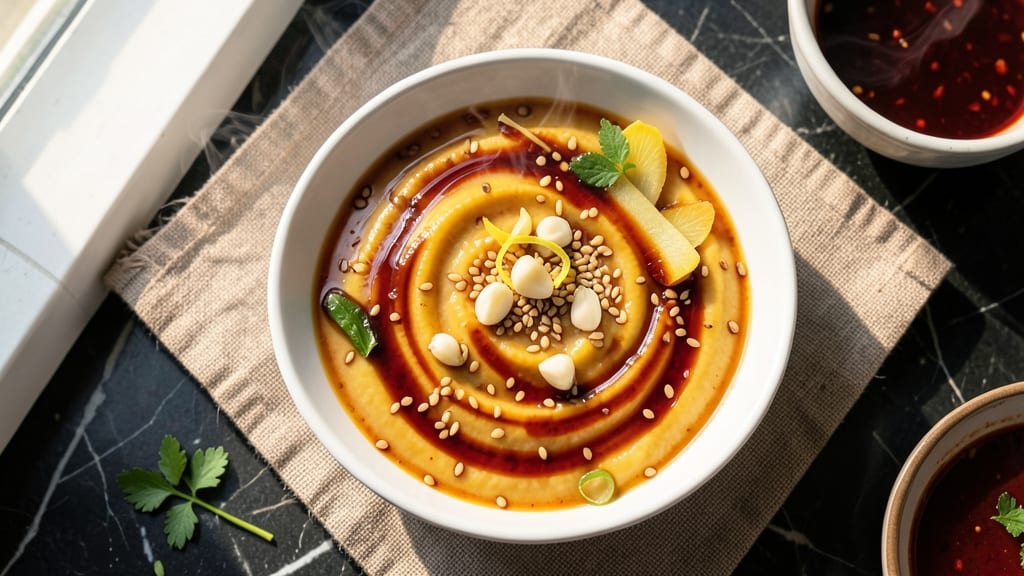
This Asian slaw sauce recipe delivers the perfect balance of tangy, spicy, and umami that transforms simple cabbage into a restaurant-worthy side. The secret lies in a simple whisked emulsion—no blender required—that creates a silky, clingy sauce with just 5 minutes of active prep time.
I developed this version after years of testing store-bought and homemade options, and it consistently outperforms both in flavor depth and texture.
The magic happens with a three-part flavor base: rice vinegar for brightness, soy sauce for umami, and a touch of honey or sugar to balance the acidity.
Fresh garlic, ginger, and a dash of sriracha add layers of complexity, while toasted sesame oil and seeds provide that signature nutty aroma. What sets this apart is the foolproof emulsification technique—whisking the oil into the vinegar mixture gradually until it becomes thick and glossy.
By the time you drizzle this sauce over your favorite slaw, you'll notice an immediate transformation—crisp vegetables coated in a glossy, flavor-packed dressing that stays clingy even after chilling. The sauce keeps well in the fridge for up to 10 days, making it perfect for meal prep or gifting.
It works equally well on Asian-style slaws, grilled meats, or even as a dipping sauce for spring rolls.
For those who prefer extra heat, simply double the sriracha. If you want more depth, add a splash of fish sauce or a pinch of smoked paprika. The possibilities are endless, but the foundation remains the same—bright, balanced, and impossible to resist. Let's make this sauce!
Ingredients for asian slaw sauce
Five minutes of whisking creates this restaurant-quality Asian slaw sauce with no blender needed.
| Ingredient | Amount | Notes |
|---|---|---|
| Rice Vinegar 🍶 | ½ cup | Seasoned preferred for depth |
| Soy Sauce 🥢 | ¼ cup | Low-sodium for balance |
| Honey 🍯 | 2 tbsp | Or agave for vegan option |
| Fresh Garlic Cloves 🧄 | 3 cloves | Minced for even distribution |
| Fresh Ginger 🌿 | 1 tbsp | Finely grated, skin on |
| Sriracha 🌶️ | 1 tbsp | Adjust for heat preference |
| Toasted Sesame Oil 🫒 | 1 ½ tbsp | For nutty aroma |
| Toasted Sesame Seeds 🌾 | 1 tbsp | For texture contrast |
| Extra-Virgin Olive Oil 🫒 | ½ cup | Light variety preferred |
| Diamond Crystal Kosher Salt 🧂 | ½ tsp | Fine grain for balance |
The rice vinegar is your flavor anchor here—Kikkoman seasoned adds subtle sweetness, but plain works too. I grab mine from Trader Joe's because it's consistently bright and affordable. For the soy sauce, low-sodium is key—it prevents the sauce from becoming too salty later. The honey? Local raw honey has more depth, but store-brand works in a pinch. Fresh garlic and ginger are non-negotiable for that authentic umami punch—peel and mince the garlic right before using to preserve its potency. If you're short on time, jarred minced garlic works, but it lacks freshness.
No sriracha? Red pepper flakes at half the amount give you heat without the sweetness. Want more complexity? Add 1 tsp fish sauce for umami depth or a pinch of smoked paprika for smokiness. The sesame oil should smell toasty and nutty—if it's rancid, toss it. For the sesame seeds, toast them in a dry pan for 1 minute to enhance their flavor. The olive oil matters here too—stick with a light, fruity variety that won't overpower the delicate flavors. If you're making this ahead, whisk in the sesame oil last to maintain the emulsion.
This sauce keeps beautifully—10 days in the fridge sealed in a jar. The emulsion holds up perfectly, so you can drizzle it on fresh slaw or store it for later. For extra heat, simply double the sriracha before storing. I always make a double batch—one for immediate use, one to gift. If you're prepping for a crowd, scale up the oil and vinegar by 1.5x to maintain the perfect balance. The sauce thickens slightly after chilling, so give it a quick whisk before using if it separates.
Why You'll Love This Recipe
- Five-Ingredient Magic: I swear by this combo—just vinegar, soy, honey, garlic, and ginger. That’s it. No blender, no fancy tools, just a whisk and a bowl. Honestly, the hardest part is deciding whether to let the ginger sit longer for extra punch.
- Umami Bomb: The garlic and ginger sizzle in my head every time I taste it. That deep, savory hit from the soy sauce? It’s the kind of flavor that makes you pause mid-bite. Between us, I’ve used this on everything from grilled chicken to cold noodles—and it never lets me down.
- Budget Bright Spot: Rice vinegar and soy sauce are pantry staples, and honey? You probably have it. Fresh ginger and garlic might cost a few bucks, but they stretch across multiple meals. I’ll be real: this is the kind of recipe that saves me money without sacrificing flavor.
Step-by-step instructions for Asian slaw sauce
This sauce comes together in minutes with no blender required—just whisk and taste as you go.
Toast the Sesame Seeds for Nutty Depth
Heat a small dry skillet over medium-low heat. Add the 1 tablespoon toasted sesame seeds and stir constantly for 1-2 minutes until they turn a deeper golden color and release their aroma. Watch closely—they burn quickly. Immediately transfer to a small bowl to cool completely. These toasted seeds will add an irresistible crunch and nutty flavor that sets this sauce apart.
While the seeds toast, I like to open the window slightly if I'm cooking indoors—the aroma is intense and delicious, but it can linger. Let the seeds cool completely before adding to the sauce, or they'll release their oils into the mixture and make it too thin. This step is worth the patience; the texture contrast is what makes this sauce special.
Whisk Together the Wet Ingredients
In a medium bowl, combine the 0.5 cup rice vinegar, 0.25 cup soy sauce, 2 tablespoons honey, 1 tablespoon sriracha, and 1.5 tablespoons toasted sesame oil. Use a whisk to blend vigorously for 30-45 seconds until the honey is fully dissolved and the mixture is smooth. The vinegar and soy sauce should mingle completely, creating a tangy-salty base that's the foundation of the sauce.
Here's where the magic happens: Taste the mixture now. You'll notice it's already balanced but needs depth. This is your chance to adjust the heat—add a pinch more sriracha if you love spice, or a splash of rice vinegar if it needs more brightness. I always taste at this stage because it's easier to correct before adding the thickeners. The sauce should be slightly sticky but still pourable at this point.
Add the Aromatics and Finish with Oil
Peel and finely mince the 3 cloves fresh garlic and grate the 1 tablespoon fresh ginger using a microplane or fine grater. Add both to the wet mixture along with the 0.5 teaspoon kosher salt. Whisk again for 1 minute until the garlic and ginger are fully incorporated and the salt dissolves completely. You'll see tiny specks of ginger floating—this is perfect, as it adds texture.
Now, very slowly drizzle in the 0.5 cup extra-virgin olive oil while whisking continuously. This emulsification step is crucial—adding the oil too quickly will create a split sauce. Whisk steadily until the mixture thickens slightly and becomes glossy. The sauce should coat the back of a spoon with a velvety consistency. If it's too thick, add 1-2 teaspoons water to reach your desired pouring consistency.
Fold in Toasted Sesame Seeds
Once the sauce has emulsified and reached your preferred consistency, gently fold in the cooled toasted sesame seeds using a rubber spatula. Be careful not to overmix—the seeds should be evenly distributed but still visible throughout. This final step adds both texture and visual appeal, giving the sauce its characteristic crunchy highlights.
Give it one final taste and adjust seasoning if needed. The sauce should balance sweet, tangy, spicy, and umami flavors with a satisfying nutty crunch. For extra depth, let it sit at room temperature for 10-15 minutes before serving—this allows the flavors to meld even more. This sauce keeps well in the refrigerator for up to 1 week, making it perfect for meal prep ahead of time.
Pro Tips For Making Asian Slaw Sauce
- Mince That Ginger Fine: I used to eyeball the ginger and end up with chunks that tasted like they’d been chewed by a horse. Use a microplane or the smallest setting on your grater—you want it so fine it practically dissolves. No food processor here; that’ll turn it into paste, and you’ll regret it when the sauce gets gritty.
- Toast the Garlic First: Raw garlic in this sauce? It’ll hit you like a brick. Heat a dry pan over medium-low, add the peeled cloves, and let them sizzle until golden and fragrant—about 2 minutes. Smash them flat with the side of your knife before adding to the sauce; that extra surface area means better flavor distribution.
- Balance the Honey Slowly: Dump in all the honey at once, and you’ll end up with a dessert sauce. Start with half, taste, then adjust. The goal is a bright, tangy sweetness—not cloying. If it’s too sharp, a pinch more honey; too sweet, a splash of rice vinegar to cut through.
- Mix in the Soy Sauce Last: Add soy sauce early, and you’ll kill the freshness of the garlic and ginger. Stir it in right before serving, or even drizzle it on top at the table. That way, the umami pops without muting the bright, zesty notes you worked so hard to build.
Perfect pairings for this recipe
Slaw Pairings
This sauce elevates Asian-style slaws like kimchi slaw or shredded cabbage with carrots and cucumbers. For extra crunch, toss in thinly sliced jicama or water chestnuts—they hold up beautifully to the sauce's glossy texture.
I love using green cabbage for its peppery bite, but purple cabbage adds vibrant color. For a fusion twist, mix in shredded rotisserie chicken or crispy tofu for protein. 🥬
Dipping Sauce
Serve this sauce as a dipping sauce for spring rolls, dumplings, or edamame. The balance of sweet, tangy, and spicy makes it irresistible with crispy wontons or fresh summer rolls.
For a restaurant-style presentation, drizzle it over grilled shrimp skewers or crispy pork belly bites. The sauce's clingy texture ensures every bite is flavorful. 🍤
Marinade Magic
Use this sauce as a marinade for grilled chicken, pork, or tofu before cooking. The acidity tenderizes the protein while the garlic and ginger add depth. I marinate boneless chicken thighs for 30-60 minutes before grilling—they stay juicy and packed with flavor.
For extra richness, brush the sauce on seared scallops or shrimp in the last minute of cooking. 🍗
Garnish Ideas
Brighten the sauce with fresh cilantro, Thai basil, or mint for a pop of color. A sprinkle of crushed peanuts adds crunch, while thinly sliced scallions provide a fresh finish.
For a smoky touch, add a pinch of smoked paprika or crumbled bacon. These garnishes elevate the dish visually and add texture contrast. 🌿
Global Twists
Transform this sauce into a Thai-inspired dressing by adding 1 tsp fish sauce and 1 tbsp lime juice. For a Japanese take, swap the rice vinegar for mirin and add a touch of grated daikon.
A Korean version works with gochujang instead of sriracha. Each variation keeps the sauce's signature balance while adapting to different cuisines. 🌏
Nutrition facts
Frequently asked questions
Can I make this sauce without a whisk?
If you don't have a whisk, use a fork or even a sturdy spoon to blend the ingredients. For the emulsification step, drizzle the oil in very slowly while stirring vigorously with your spoon. The key is patience—take your time to ensure the oil incorporates smoothly. A small rubber spatula works well too for folding in the sesame seeds at the end.
How do I fix a separated sauce?
If your sauce separates, simply whisk it vigorously again for 1-2 minutes to re-emulsify. The oil and vinegar mixture will re-blend with gentle persistence. For stubborn separations, add 1 teaspoon water at a time while whisking until smooth. This happens occasionally, especially if the sauce sits too long before use.
What can I substitute for sesame oil?
If you're avoiding sesame oil, try avocado oil or neutral-flavored vegetable oil for the emulsification step. For the nutty aroma, add ½ teaspoon ground sesame seeds (toasted) or a pinch of smoked paprika instead. The flavor won't be identical, but it'll still taste delicious. Just reduce the final olive oil by ½ tablespoon to maintain balance.
Can I make this sauce sugar-free?
Yes! Replace the honey with 2 tablespoons sugar-free maple syrup or 1 tablespoon monk fruit sweetener. For a zero-sugar option, omit the honey entirely and add ½ teaspoon more rice vinegar to compensate for the missing sweetness. The sauce will still be tangy and balanced, though slightly more acidic.
How much sauce should I make for a crowd?
For 10-12 people, double the recipe to 1 cup rice vinegar and ½ cup soy sauce, scaling all other ingredients proportionally. This makes about 2 cups of sauce, which is perfect for a large slaw or multiple dipping stations. Store extras in an airtight container in the fridge for up to 10 days. The emulsion holds well when properly sealed.