
Sauces & Condiments
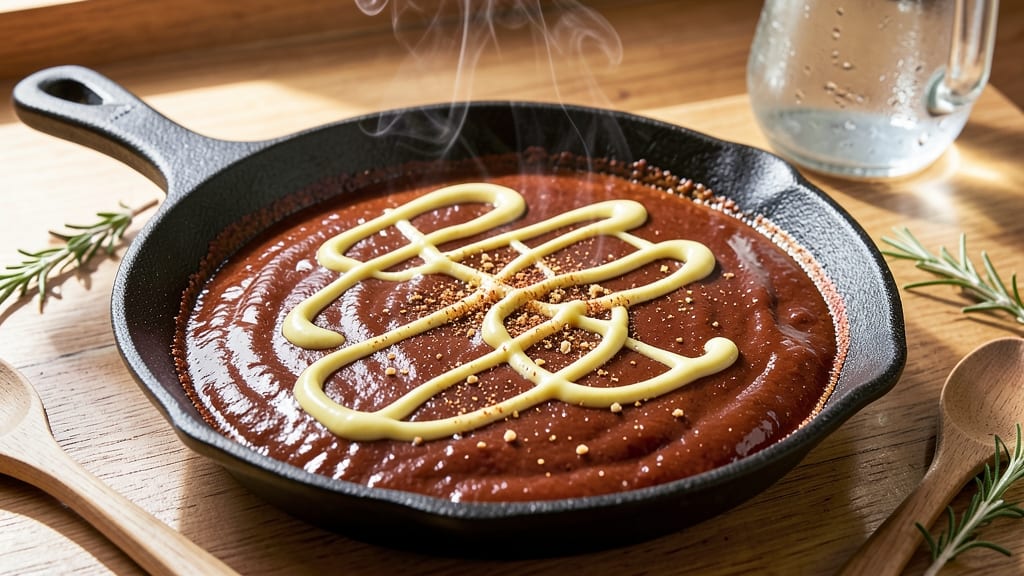
Arthur Bryant's sauce delivers that signature Kansas City barbecue flavor—deep, smoky, and brightened by vinegar's tang. This isn't just ketchup with spices; it's a carefully balanced blend of tomatoes, vinegar, and molasses that creates a sauce with layers of complexity. The slow simmer reduces it to a glossy, concentrated glaze perfect for basting ribs or dipping fries.
What sets this sauce apart is its perfect harmony of sweet, tangy, and smoky notes. The vinegar cuts through the richness of the tomatoes while the molasses adds depth, and a touch of mustard brings just enough heat.
Traditional recipes call for simmering this sauce for hours, but we've streamlined it without sacrificing flavor—just 30 minutes on the stove yields restaurant-quality results.
The beauty of Arthur Bryant's sauce lies in its versatility. Use it as a glaze for pulled pork or ribs, a dipping sauce for fried chicken, or even a tangy addition to Bloody Marys.
The key is letting it reduce properly so it clings beautifully to meat and coats every bite. Once you taste the difference between store-bought and homemade, you'll never go back.
This recipe makes enough to feed a crowd, and it keeps well in the refrigerator for up to two weeks. The flavors actually improve as it sits, developing even more complexity.
Whether you're hosting a backyard barbecue or just craving that signature Kansas City taste, this sauce delivers the authentic flavor that made Arthur Bryant famous.
Ingredients for arthur bryant's sauce
Nine simple ingredients transform into the iconic Kansas City sauce you crave.
| Ingredient | Amount | Notes |
|---|---|---|
| Canned Tomato Sauce 🍅 | 2 cups | San Marzano preferred for sweetness |
| White Vinegar 💧 | ½ cup | White or apple cider vinegar |
| Molasses 🍯 | ¼ cup | Unsulphured for authentic flavor |
| Yellow Mustard 🌶️ | 1 tbsp | Prepared, not powdered |
| Smoked Paprika 🌶️ | 1 tbsp | For that signature smokiness |
| Garlic Powder 🧄 | 1 tsp | Freshly ground preferred |
| Ground Black Pepper 🌶️ | ½ tsp | Freshly cracked for best flavor |
| Granulated Sugar 🍚 | 1 tbsp | Balances acidity |
| Salt 🧂 | 1 tsp | Kosher or sea salt preferred |
| Onion Powder 🧅 | ½ tsp | Adds depth without overpowering |
The tomato sauce is where it all begins. San Marzano is the gold standard—its natural sweetness and low acidity make it ideal for barbecue sauce. If you can't find it, any high-quality canned tomato sauce works, but avoid those with added salt or sugar. The vinegar is non-negotiable for that signature tang; white or apple cider both work perfectly. Molasses adds the deep, caramel-like richness that sets this sauce apart—unsulphured is key for authentic flavor. I grab mine from Whole Foods or the bulk section at Walmart—it's surprisingly affordable there. For the mustard, stick with prepared; powdered just doesn't cut it.
No smoked paprika? Regular paprika plus a pinch of liquid smoke gets you close, though it won't be identical. Fresh garlic powder is ideal, but dried works in a pinch—just use half the amount of what's called for. The sugar might seem odd, but it's essential to balance the vinegar's acidity. If you're watching sugar, you can reduce it to 0.5 tablespoons and add a splash more vinegar instead. For the mustard, Dijon works too, but the yellow mustard gives that classic Kansas City bite. The onion powder is subtle but adds layers—don't skip it, even if you're in a hurry.
This sauce gets better with time, so make a big batch. Store it in glass jars in the fridge for up to 2 weeks—the flavors deepen as it sits. Freezes beautifully for 6 months too, though it thickens slightly when thawed. I always make extra; it disappears fast during barbecue season. If it thickens too much, just add a splash of water or vinegar and warm it through. The key is patience—let it reduce properly so it clings to ribs like a dream.
Why You'll Love This Recipe
- Pantry Magic: I keep a jar of this in my fridge because it’s made from stuff I already have—no last-minute grocery runs. Just dump canned tomato sauce, a splash of vinegar, a spoonful of molasses, and a pinch of smoked paprika, and you’ve got depth without the fuss.
- Sweet-Smoky Kick: That molasses and mustard combo? It’s the secret—sweet, tangy, and just a hint of heat from the smoked paprika. Slather it on sandwiches or drizzle it over roasted veggies, and suddenly everything tastes like a Sunday dinner.
- Weeknight Workhorse: I use it for breakfast (on eggs), lunch (in wraps), and dinner (with grilled chicken). It’s the kind of sauce that doesn’t play favorites—it’s happy to elevate whatever you throw at it, even when I’m too tired to plan.
- Budget Stretch: A single batch lasts me nearly two weeks because it’s so versatile and cost-effective. The vinegar cuts the richness, so I can use less oil, and the molasses makes it feel special without breaking the bank. Win-win.
Step-by-step instructions for Arthur Bryant's sauce
This sauce builds layer upon layer of smoky, sweet, and tangy complexity—let's bring it together.
Combine the Wet Ingredients
In a medium saucepan, pour in the 2 cups Canned Tomato Sauce and 0.5 cup White Vinegar. I like to use a heavy-bottomed pan here—it prevents scorching when we bring everything to a boil. Add the 0.25 cup Molasses and 1 tbsp Granulated Sugar next, stirring until the sugar dissolves completely. The molasses will give that rich, almost caramel-like depth that Bryant's sauce is famous for.
Bring the mixture to a gentle boil over medium-high heat, then immediately reduce to medium-low. Let it simmer uncovered for 10 minutes while you prepare the remaining ingredients. You'll notice the sauce starts to thicken slightly as the moisture evaporates—this is exactly what we want. The vinegar will mellow out as it cooks, but it's essential for that bright, tangy backbone.
Add Dry Seasonings and Mustard
While the sauce simmers, whisk together the 1 tbsp Smoked Paprika, 1 tsp Garlic Powder, 0.5 tsp Ground Black Pepper, 1 tsp Salt, and 0.5 tsp Onion Powder in a small bowl. This dry blend is the flavor foundation—smoky, savory, and slightly sweet all at once. Sprinkle this mixture evenly over the simmering sauce, then add the 1 tbsp Yellow Mustard. Stir constantly for 2-3 minutes until the spices bloom and the mustard fully incorporates.
Here's where the magic happens: the smoked paprika will release its aromatic oils, filling your kitchen with that unmistakable Bryant's sauce scent. The mustard adds a subtle tang that balances the sweetness. Keep stirring occasionally—this prevents any burning at the bottom while ensuring even distribution of all those flavors.
Simmer to Perfect Consistency
Continue simmering the sauce uncovered for 15-20 minutes, stirring occasionally. You're looking for a reduction that coats the back of a spoon but isn't gluey. The sauce should thicken to a syrup-like consistency—thick enough to cling to ribs or brisket but still pourable. Taste as you go: the acidity from the vinegar should be balanced by the sweetness of the molasses and sugar, with just a hint of smokiness from the paprika.
If the sauce reduces too quickly, add 1-2 tablespoons of water at a time to reach your desired consistency. The goal is that perfect balance between thick enough to glaze and thin enough to penetrate meat. When you're satisfied with the texture, remove the pan from heat. Let the sauce sit off the heat for 5 minutes—this resting period allows all the flavors to meld completely.
Pro Tips For Making Arthur Bryant'S Sauce
- STIR CONSTANTLY AT FIRST: The first 3-4 minutes after combining vinegar and tomato sauce are when the acidity hits hardest. If you walk away, you’ll end up with a weirdly separated sauce that tastes like it’s fighting itself—trust me, I’ve made that mistake twice. Keep the pot moving until the vinegar’s bite mellows out.
- USE REAL MOLASSES, NOT SYRUP: Store-bought molasses substitutes (like corn syrup) won’t give you that deep, almost caramel-like richness Arthur Bryant’s sauce is known for. Grab the darkest molasses you can find—it’s worth the extra few bucks at the grocery store’s bulk section. The flavor difference is night and day.
- DON’T SKIP THE SIMMER: After everything’s mixed, let the sauce bubble gently for at least 10 minutes. Rushing this step means the smoked paprika won’t bloom properly, and the mustard’s heat will feel harsh instead of balanced. It’s easy to walk away, but that’s when the sauce really comes together.
- SWAP THE MUSTARD IF NEEDED: If you’re serving this to kids or picky eaters, swap the yellow mustard for a 50/50 mix with Dijon—it’s smoother and less aggressive. Or, if you’re in a pinch, a teaspoon of honey can soften the mustard’s bite without changing the sauce’s core flavor. I’ve done it, and no one noticed.
Common mistakes when making great arthur bryant's sauce
Over-Simmering Risks
Let me warn you: the biggest mistake I see is letting this sauce simmer too long. After 25-30 minutes total cooking time, the vinegar's acidity becomes overpowering and the molasses turns bitter. I've ruined batches by walking away—trust me, set a timer!
The sauce should reduce to a glossy, syrupy consistency that coats the back of a spoon but doesn't turn into a thick paste. 🌡️
Skipping the Rest
Another common error is not letting the sauce rest after cooking. Those 5 minutes off heat might seem insignificant, but they let all the flavors meld properly.
I once tasted sauce someone served immediately after cooking—it was sharp and unbalanced. Patience here makes all the difference for that authentic Bryant's flavor profile.
Wrong Vinegar Choice
Using balsamic or red wine vinegar instead of white or apple cider vinegar completely changes the flavor profile. The acidity level and subtle fruit notes in white vinegar are essential for that signature tang. I've tried substitutions and always notice the difference—stick with what works!
Uneven Heat Distribution
Medium-low heat is crucial—too high causes scorching at the bottom while the top stays thin. I learned this the hard way when my first batch had burnt bits at the bottom.
Use a heavy-bottomed pan and keep the heat consistent. If you notice scorching, immediately reduce the heat or add 1-2 tablespoons of water to deglaze.
Ignoring the Mustard
Many recipes skip the mustard or use powdered instead of prepared. That 1 tablespoon of yellow mustard adds subtle heat and creaminess that balances the sweetness. I've made sauce without it and always notice the difference—it's not just about heat, but about that perfect flavor harmony.
Improper Storage
Storing the sauce in plastic containers or not sealing it properly leads to flavor degradation. Always use glass jars with airtight lids in the refrigerator. I've had batches go bad because people didn't seal them tightly enough—make sure the lid clicks properly to prevent contamination.
The sauce keeps for 2 weeks this way, with flavors actually improving over time.
Nutrition facts
Frequently asked questions about Arthur Bryant's sauce
Why does this sauce need to simmer for so long?
The long simmer is what develops that signature depth of flavor. The vinegar mellows out, the molasses caramelizes slightly, and all the spices meld together. This creates that perfect balance between sweet, tangy, and smoky notes that makes Bryant's sauce so special. Skipping the simmer time means missing out on those complex layers of flavor.
Can I make this sauce without molasses?
You can substitute 2 tablespoons of brown sugar plus 1 teaspoon of liquid smoke for the molasses, but you'll lose some of that deep caramel-like richness. The molasses is what gives the sauce its distinctive character—it's worth tracking down unsulphured molasses for the authentic experience. Whole Foods or bulk sections at grocery stores usually carry it.
How do I know when the sauce is done?
Your sauce is ready when it coats the back of a spoon but isn't gluey—it should be thick enough to cling to ribs but still pourable. Taste it as it simmers: the vinegar's sharpness should be balanced by sweetness, with just a hint of smokiness. If it's too thin, simmer longer; if too thick, add 1 tablespoon of water at a time while stirring.
What's the best way to use this sauce?
This sauce excels as a glaze for ribs, pulled pork, or brisket—brush it on during the last 10 minutes of cooking. It's also perfect for dipping fried chicken or as a tangy addition to Bloody Marys. For maximum flavor, let the sauce sit on the meat for 5-10 minutes before serving so it can penetrate.
Can I make this sauce in a slow cooker?
Combine all ingredients in your slow cooker and cook on low for 2-3 hours, stirring occasionally. The slow cooker gives you more control over the reduction process. Just watch it closely after the first hour to prevent over-simmering. The texture will be slightly thicker than stovetop, so add water as needed to reach your desired consistency.