
Sauces & Condiments
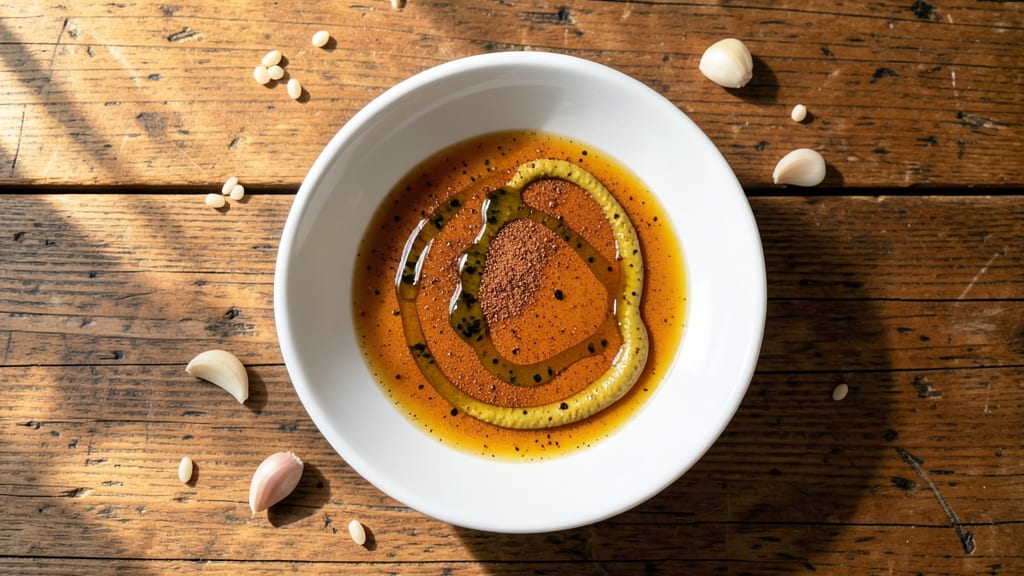
Apple cider vinegar sauce transforms any dish with its tangy, bright complexity—perfect for salads, drizzles, or marinades. This recipe balances sharp acidity with subtle sweetness, creating a versatile sauce that elevates simple ingredients. The secret lies in the ratio of vinegar to honey, which prevents overpowering bitterness while keeping the flavor dynamic.
What sets this sauce apart is its adaptability—use it as a dressing, a glaze, or even a tangy dip. The addition of Dijon mustard adds depth, while a pinch of cinnamon introduces warmth that pairs beautifully with both savory and sweet dishes.
It comes together in just 5 minutes with ingredients you likely already have on hand.
The result is a glossy, well-rounded sauce with a perfect balance of zing and sweetness. It keeps well in the fridge for up to 2 weeks, making it ideal for meal prep.
Whether you're brightening a green salad or adding a finishing drizzle to roasted vegetables, this sauce delivers restaurant-quality flavor with minimal effort.
For extra richness, stir in a spoonful of mayo or Greek yogurt before serving. The possibilities are endless—let’s make this sauce and transform your meals today.
Ingredients for apple cider vinegar sauce
Eight ingredients balance sharp acidity with subtle sweetness for a versatile sauce.
| Ingredient | Amount | Notes |
|---|---|---|
| Apple Cider Vinegar 🍏 | ½ cup | Raw, unfiltered preferred |
| Raw Honey 🍯 | ⅓ cup | Local or wildflower preferred |
| Dijon Mustard 🌶️ | 1 tbsp | High-quality, smooth texture |
| Ground Cinnamon 🌿 | ½ tsp | Freshly ground for warmth |
| Extra-Virgin Olive Oil 🫒 | ¼ cup | Fruity, peppery variety |
| Granulated Garlic 🧄 | ½ tsp | For subtle garlic depth |
| Sea Salt 🧂 | ½ tsp | Diamond Crystal preferred |
| Black Pepper 🌶️ | ¼ tsp | Freshly cracked for heat |
| Fresh Lemon Juice 🍋 | 1 tbsp | Brightens the tang |
The apple cider vinegar should be raw and unfiltered—look for brands like Bragg or Texas Pete at your local grocery store. If you can't find raw, white vinegar works in a pinch, but the flavor will be less complex. Honey selection matters too: local wildflower adds subtle floral notes, while store-brand honey works fine for basic brightness. The Dijon mustard should be smooth, not coarse—Maille is a reliable choice, but any quality brand will do. For the olive oil, California Extra Virgin brands like Corto or Omni provide the fruity, peppery notes that elevate the sauce without overpowering the vinegar's acidity.
No apple cider vinegar? White vinegar or balsamic vinegar work, though the flavor profile shifts slightly. Substitute honey with maple syrup or agave nectar for a different sweetness profile, but reduce by one-third to avoid cloying sweetness. If Dijon mustard is unavailable, whole-grain mustard thinned with water mimics the texture. For extra richness, stir in 1 tbsp of Greek yogurt or vegan mayo before serving—this adds body while keeping the sauce light enough for drizzling. The lemon juice can be omitted if you prefer a more straightforward tang, but it brightens the sauce beautifully.
This sauce keeps for up to 2 weeks in an airtight container in the fridge, though it's best used within 10 days for peak flavor. For long-term storage, transfer to a sterile jar and freeze for up to 3 months. Shake well before each use, as the ingredients may separate slightly. To use as a dressing, thin with 1-2 tbsp of water or additional olive oil to reach your desired consistency. The sauce also works as a glaze for roasted vegetables—simply brush on before the last 5 minutes of roasting for a caramelized finish.
Why You'll Love This Recipe
- Five-Ingredient Magic: This sauce is that recipe where you mix and taste—no measuring cups, no stress. Just whisk together apple cider vinegar, raw honey, Dijon, cinnamon, and olive oil until it sings. Honestly, I’ve made it wrong twice and still ended up with something worth licking the bowl.
- Tangy-Sweet Balance: The acidity from the vinegar cuts through the honey’s richness, while Dijon adds depth and that little kick. Sprinkle cinnamon last—trust me, it’s the secret to that warm, spiced finish that makes you want to drizzle it on everything.
- Dresses Up Anything: Drizzle it over roasted Brussels sprouts, toss it with grilled chicken, or slather it on avocado toast. It’s my go-to for quick lunches, holiday sides, or even as a dip for fries. (Yes, even on a Tuesday night.)
- Stays Fresh Forever: Make a big batch—this stuff doesn’t spoil. I’ve had jars last weeks in the fridge, and it only gets better as the flavors meld. Plus, it’s cheap: a splash of vinegar and a spoon of honey stretch way further than fancy dressings. Budget win.
Step-by-step instructions for apple cider vinegar sauce
This tangy, balanced dressing delivers bright acidity and natural sweetness in perfect harmony.
Whisk Together the Vinegar and Honey
In a medium bowl, combine the 0.5 cup apple cider vinegar with the 0.33 cup raw honey. Use a whisk to blend vigorously for 30 seconds until the honey dissolves completely and the mixture becomes smooth and translucent. This initial step creates the foundational balance between acidity and sweetness that defines the sauce.
I like to use a glass or stainless steel bowl for this—it allows me to visually confirm the honey has fully incorporated. If you notice any graininess, continue whisking for another 10 seconds. The texture should be silky, with no visible honey granules remaining.
Incorporate the Mustard and Aromatics
Add the 1 tbsp Dijon mustard, 0.5 tsp ground cinnamon, 0.5 tsp granulated garlic, 0.5 tsp sea salt, and 0.25 tsp black pepper to the vinegar-honey mixture. Whisk continuously for 45 seconds until all dry ingredients are fully distributed and the sauce begins to thicken slightly.
The cinnamon and garlic work together to create a warm, complex aromatic profile that complements the vinegar's sharpness. Don't skip the whisking—this ensures the cinnamon disperses evenly and prevents clumping. You'll notice the sauce develop a deeper, more cohesive color as the spices integrate.
Gradually Emulsify the Olive Oil
With the whisk still moving, slowly drizzle in the 0.25 cup extra-virgin olive oil over 30-45 seconds, allowing each addition to be fully incorporated before adding more. This gradual approach is critical for creating a stable emulsion that won't separate. The sauce should thicken noticeably as you add the oil.
Continue whisking for an additional 1 minute after all the oil is incorporated. The final texture should be velvety with a smooth, satin finish—neither too thin nor too thick. If you're concerned about separation, add 1 tsp water at a time until the desired consistency is achieved, whisking vigorously after each addition.
Finish with Lemon Juice and Taste Adjustment
Stir in the 1 tbsp fresh lemon juice using a spoon rather than the whisk, folding it gently to maintain the emulsion. Taste immediately and adjust seasoning if needed—add a pinch more sea salt if the sauce tastes too tart, or a touch more raw honey if it needs sweetness. The lemon juice brightens the flavors and prevents any potential bitterness from over-mixing.
Let the sauce rest for 5 minutes before using. This brief resting period allows the flavors to meld completely and ensures the emulsion remains stable. The sauce should coat the back of a spoon with a glossy sheen and maintain its consistency when drizzled. This versatile sauce pairs beautifully with salads, grilled meats, or as a marinade base.
Pro Tips For Making Apple Cider Vinegar Sauce
- Whisk in the honey last: The sauce will thicken as it cools, so add that raw honey right before serving—otherwise, you’ll end up with something cloyingly sweet or grainy. Stir it in just before drizzling, and the balance of tang and sweetness will hit the spot.
- Use room-temperature honey: Cold honey from the fridge is thicker and harder to incorporate smoothly. Let that jar sit out for 10 minutes before measuring—your sauce will emulsify better and avoid clumping. Trust me, you’ll notice the difference in texture.
- Balance the mustard with vinegar: Dijon mustard can overpower if you’re not careful. Start with half the amount listed in the recipe, taste, then adjust—you can always add more vinegar to mellow it out. The goal is a subtle kick, not a punch to the face.
- Simmer, don’t boil: A gentle simmer (just small bubbles, not a rolling boil) keeps the flavors from turning harsh. If it gets too aggressive, pull it off the heat and let it cool slightly—this sauce is all about nuance, not intensity.
Regional styles of this apple cider vinegar sauce
New England Classic
In the Northeast, this sauce takes center stage on crisp fall salads with hearty greens like kale or spinach. The key adaptation is adding 1 tsp maple syrup and ¼ tsp allspice to the base recipe, creating a deeper autumnal flavor.
I love using this as a dressing for roasted butternut squash bowls—just thin with 1 tbsp water for a lighter drizzle. 🍂
Southern BBQ Glaze
Down South, this sauce transforms into a smoky-sweet glaze for pulled pork or brisket. Swap the cinnamon for ½ tsp smoked paprika and ¼ tsp cayenne pepper, then reduce the honey to ¼ cup.
Simmer the sauce on medium heat for 10 minutes until it thickens into a glossy consistency. Brush over meats during the last 5 minutes of cooking for a caramelized finish. 🔥
Pacific Northwest Twist
West Coast cooks often incorporate local ingredients like 1 tbsp balsamic vinegar and ½ tsp dried rosemary for an earthy depth. The extra balsamic adds complexity while keeping the bright apple cider tang.
This version works perfectly as a marinade for grilled salmon or as a tangy dip for fresh seafood platters. 🌿
Midwest Farmhouse Style
In the heartland, this sauce gets a rustic upgrade with 1 tbsp apple cider (not vinegar) and ½ tsp ground ginger. The apple cider replaces half the vinegar, creating a milder, fruitier profile ideal for drizzling over grilled corn or fresh apple slices.
Store-bought versions often use Bragg apple cider vinegar for that authentic farmhouse taste. 🍎
Southern California Fusion
California cooks love adding 1 tsp sesame oil and ½ tsp grated ginger for an Asian-inspired twist. This version pairs beautifully with sushi rolls or as a glaze for teriyaki chicken.
The sesame oil adds nutty depth while keeping the sauce's signature tang. For extra richness, stir in 1 tbsp tahini before serving. 🌶️
Nutrition facts
Frequently asked questions
Can I make this sauce without honey?
Yes, but the flavor will shift significantly. Substitute with ⅓ cup maple syrup or agave nectar>, but reduce by 1 tbsp> to prevent cloying sweetness. For a more acidic profile, use ¼ cup white vinegar> instead of honey, though the texture will be thinner. The sauce will still work as a dressing, but the balance of sweetness will change.
How do I fix a separated sauce?
Simply whisk in 1 tsp water> at a time until smooth. If the oil and vinegar mixture has fully separated, blend with an immersion blender for 10-15 seconds> to re-emulsify. For a thicker consistency, add ½ tsp cornstarch> mixed with 1 tsp water, whisking until clear. Always whisk vigorously after adding any liquid to restore the velvety texture.
What are the best ways to use this sauce?
This versatile sauce works as a salad dressing>, drizzle for roasted vegetables>, marinade base>, or even a dipping sauce> for fries or pretzels. For extra richness, stir in 1 tbsp Greek yogurt> before serving. It also makes an excellent glaze when reduced by 30% on medium heat> for 5 minutes>—perfect for grilled meats or tofu.
Can I make this sauce spicier?
Add ½ tsp cayenne pepper> or 1 tsp hot sauce> for heat. For a smoky kick, swap the cinnamon for ½ tsp smoked paprika>. If you love depth, include ¼ tsp ground cloves>—they add warmth without overpowering. Always taste as you go, as spices can intensify when mixed with vinegar.
Why does my sauce taste too harsh?
Overly sharp flavors usually mean the vinegar or honey ratio is off. Add 1 tsp more honey> or ½ tsp maple syrup> to balance the acidity. If the taste is still harsh, thin with 1 tbsp water> and let it sit for 5 minutes**>—the flavors will mellow. Using high-quality vinegar (like raw apple cider) also reduces bitterness, so check your ingredients first.