
Sauces & Condiments
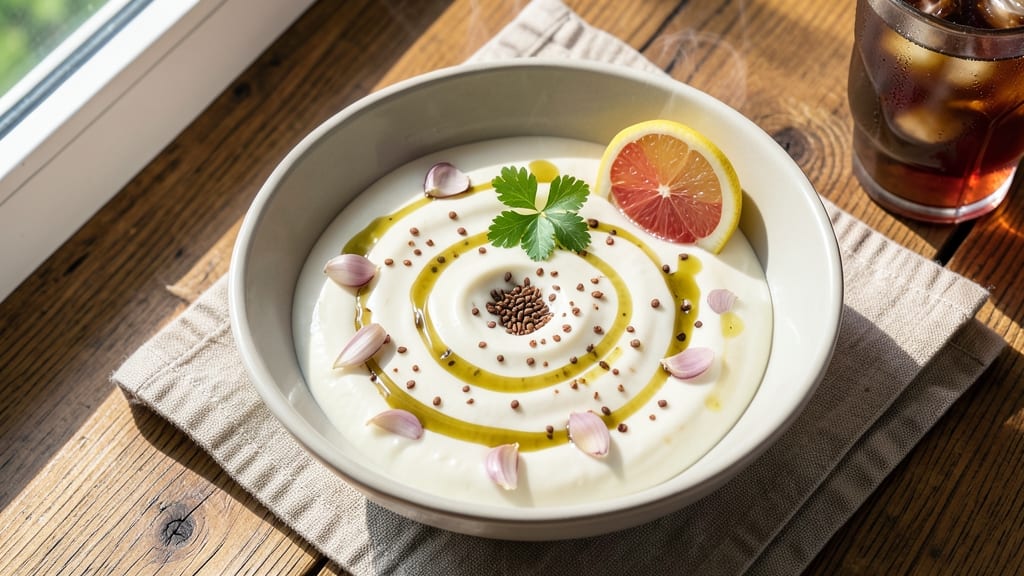
This Arab white sauce recipe transforms simple pantry staples into a velvety, tangy sauce that elevates everything from grilled meats to fresh vegetables. The secret lies in balancing creamy yogurt with nutty tahini and bright lemon, creating a sauce that’s both rich and refreshing.
I’ve perfected this version to be versatile—thin enough for drizzling, thick enough for dipping—while keeping the preparation straightforward for home cooks.
The foundation of this sauce is a smooth blend of yogurt and tahini, emulsified with garlic, lemon juice, and a touch of olive oil. Warm spices like cumin and paprika add depth without overpowering, while a pinch of salt ties everything together.
What sets this apart is its adaptability: use it as a marinade for chicken, a dip for pita, or a tangy topping for roasted vegetables. The texture is silky, not grainy, thanks to a few key techniques I’ll share.
What makes this sauce truly special is how it transforms ordinary dishes into something extraordinary. The yogurt keeps it cool and creamy, while the tahini adds a nutty richness that pairs beautifully with bold flavors.
It’s a game-changer for Middle Eastern meals, but its simplicity makes it a go-to for any cuisine. Once you try it, you’ll never reach for store-bought again—this version is fresh, customizable, and packed with authentic flavor.
Best of all, this sauce keeps well in the refrigerator for up to a week, making it perfect for meal prep. Whether you’re serving it at a gathering or keeping it on hand for quick weeknight dinners, this Arab white sauce will become a staple in your kitchen.
Let’s get started—your taste buds will thank you.
Ingredients for arab white sauce
Nine simple ingredients transform into this velvety, tangy sauce that works magic on everything from grilled meats to fresh veggies.
| Ingredient | Amount | Notes |
|---|---|---|
| Plain Whole-Milk Yogurt 🥛 | 1 cup | Greek yogurt for thickness |
| Tahini 🥜 | ½ cup | Sesame paste, unsweetened |
| Fresh Garlic Cloves 🧄 | 3 cloves | Minced for smooth texture |
| Extra-Virgin Olive Oil 🫒 | ¼ cup | Light, fruity variety |
| Fresh Lemon Juice 🍋 | 2 tbsp | From 1 small lemon |
| Ground Cumin 🌿 | ½ tsp | Toasted for depth |
| Sweet Paprika 🌶️ | ½ tsp | For subtle warmth |
| Sea Salt 🧂 | ½ tsp | Fine grain preferred |
| Cold Water 💧 | ¼ cup | For emulsification |
The yogurt is the star here—Greek yogurt gives you that perfect thick texture, but regular whole-milk works too (just stir in a bit more tahini). Tahini can be pricey, so Trader Joe's or Middle Eastern markets usually have the best deals. Look for tahini in dark glass jars—it stays fresher longer. Fresh garlic and lemon are non-negotiable for that bright, authentic flavor, but if you're in a pinch, lemon zest plus a splash of vinegar can stand in. The olive oil should be fruity and light, not harsh or peppery—California or Italian varieties work best.
No tahini? Substitute with 0.25 cup peanut butter plus 0.25 cup olive oil—it won’t be identical, but it’ll save you. Short on yogurt? Sour cream thinned with water gets you close. The spices are flexible: swap paprika for smoked paprika if you want more depth, or add a pinch of cayenne for heat. For extra silkiness, blend in 1 tbsp aquafaba (chickpea brine) if you have it. The key to getting that perfect velvety texture is adding the water slowly while blending—don’t rush it, or you’ll end up with a split sauce.
This sauce keeps beautifully in the fridge for up to 7 days, but it’s best within 3-4 days. To store, transfer it to a clean jar and press plastic wrap directly on the surface—prevents a skin from forming. For leftovers, thin with a splash of water or milk if it gets too thick. Freezes for up to 3 months too, though the texture might separate slightly—just stir before using. I like to make a double batch and keep it on hand for quick weeknight dinners—it’s the ultimate pantry hero.
Why You'll Love This Recipe
- Four-Ingredient Magic: I swear, if you’ve got yogurt, tahini, garlic, and lemon, you’re already halfway there. No blenders, no fancy tools—just a bowl and a whisk. Honestly, I’ve made this sauce while scrolling through my phone.
- Tahini’s Rich Hug: That first spoonful of tahini thickens the sauce into something luxurious—creamy but with a nutty depth. The lemon brightens it up so it doesn’t feel heavy, and the garlic? Oh, it’s there in the best way, like a warm handshake.
- Dinner Party Ready: Slather it on grilled chicken for a weeknight feast, drizzle it over roasted veggies for a crowd, or serve it as a dip with pita—it works everywhere. I’ve even used it in place of mayo in sandwiches, and no one ever questions it.
- Leftovers That Lie: Between us, this sauce tastes better the next day. The flavors meld, and it’s still silky smooth—no separation, no weird textures. I make a big batch on Sundays and use it all week, saving money and stress. (Yes, even on a Tuesday night.)
Step-by-step instructions for Arab white sauce
This velvety sauce comes together in minutes with just a whisk and patience.
Whisk Yogurt and Tahini Until Smooth
In a medium bowl, combine the 1 cup plain whole-milk yogurt and 0.5 cup tahini. Using a whisk, stir vigorously for about 2 minutes until the mixture becomes completely smooth and free of any graininess. The tahini can be stubborn at first, but keep whisking—this is where the sauce's signature texture begins.
Here's the thing—if you rush this step, you'll end up with lumps. I like to dip my whisk into a glass of warm water between strokes to keep it moving freely. The goal is a silky, homogeneous base that's ready to accept the remaining ingredients without breaking apart.
Add Garlic, Spices, and Lemon Juice
To the yogurt-tahini mixture, add the 3 minced fresh garlic cloves, 0.5 teaspoon ground cumin, 0.5 teaspoon sweet paprika, and 0.5 teaspoon sea salt. Whisk again for 30 seconds to distribute the spices evenly. Then, slowly drizzle in the 2 tablespoons fresh lemon juice while continuing to whisk.
The lemon juice brightens the sauce and balances the richness of the tahini. Don't add it all at once—adding it gradually prevents the sauce from curdling. You'll notice the mixture lighten in color slightly as the lemon incorporates. This is when the sauce starts to develop its signature tangy depth.
Gradually Incorporate Olive Oil
With the whisk still moving, very slowly drizzle in the 0.25 cup extra-virgin olive oil. Add it drop by drop at first, then in a thin, steady stream. The sauce will begin to thicken and emulsify as you go. This is the most critical step—if you add the oil too quickly, the sauce will separate.
I like to pour the oil from a height of about 6 inches above the bowl to create a fine stream. Keep whisking continuously until the sauce becomes thick and glossy. You'll know it's working when it holds its shape on the whisk for a moment before melting back into the bowl. This emulsification creates that luxurious, creamy texture we're after.
Thin with Cold Water for Perfect Consistency
If the sauce is too thick after adding all the olive oil, gradually whisk in the 0.25 cup cold water, 1 tablespoon at a time, until you reach your desired consistency. The sauce should coat the back of a spoon but still flow smoothly. For dipping or drizzling, aim for a thinner consistency. For spreading on meats or vegetables, it should be thicker.
Taste and adjust seasoning if needed. I usually add a pinch more salt or a splash of lemon juice at this stage to perfect the balance. Remember, this sauce should be bright, tangy, and just slightly spicy from the cumin and paprika. The cold water helps stabilize the emulsion and prevents the sauce from breaking when chilled.
Chill and Serve
Transfer the sauce to a clean jar or container and refrigerate for at least 30 minutes before serving. Chilling allows the flavors to meld completely and gives the sauce time to thicken slightly. This resting period also helps prevent any potential separation when you're ready to use it.
When ready to serve, give the sauce a quick whisk to re-emulsify if needed. This velvety white sauce pairs beautifully with grilled meats, roasted vegetables, or as a dip for pita bread. The contrast of its cool, creamy texture against warm, charred foods makes every bite feel special. Enjoy it within 3 days for best flavor and texture.
Pro Tips For Making Arab White Sauce
- Whisk Tahini Slowly: Dump tahini into the yogurt all at once, and you’ll end up with a lumpy mess. Instead, whisk just a splash of warm water into the tahini first to thin it out, then drizzle it into the yogurt in a thin stream while stirring constantly. I learned this the hard way—after three failed batches, I finally realized tahini behaves more like peanut butter than a smooth paste.
- Strain the Yogurt: Whole-milk yogurt often has liquid whey on top after sitting. Pour it through a fine-mesh sieve or cheesecloth into a bowl to remove excess moisture before mixing. This keeps your sauce thick and velvety instead of watery—no one wants a runny tahini-yogurt soup.
- Mince Garlic Fine: Chop garlic cloves into a paste with the flat side of your knife before adding them. Whole cloves will sit like bitter rocks in your sauce, while minced garlic blends seamlessly. (Yes, even if you’re impatient like me—just do it.)
- Balance Lemon Last: Add lemon juice after everything else is mixed, then taste and adjust. Too much upfront, and you’ll overpower the tahini’s nutty richness. A little at a time lets you control the tang—this sauce should brighten, not dominate.
Pro cooking tips for great arab white sauce
Emulsification Magic
The secret to that silky texture lies in how you combine the yogurt and tahini. Use a whisk (not a spoon!) and stir vigorously for 2 full minutes—this breaks down the tahini's natural oils into microscopic droplets that suspend in the yogurt.
I like to dip my whisk in warm water every 30 seconds to keep it moving smoothly. The goal is a completely homogeneous mixture with no visible streaks or lumps. If you rush this step, you'll end up with a grainy sauce that separates later. 🌟
Oil Incorporation
Adding the olive oil too quickly is the #1 way to ruin this sauce. Start with just 1 teaspoon at a time, whisking constantly until fully incorporated before adding more. I pour from about 6 inches above the bowl to create a fine stream—this helps the oil disperse evenly.
Keep whisking until the sauce becomes thick and glossy, almost like mayonnaise. If it looks curdled, you've gone too fast. The key is patience here—this step takes 3-5 minutes if done right.
Cold Water Technique
Cold water isn't just for thinning—it's what stabilizes the emulsion. Add it 1 tablespoon at a time while whisking vigorously. The cold temperature helps the proteins in the yogurt set properly, preventing separation when chilled. I usually add about 2 tablespoons total, but adjust based on your desired consistency.
For dipping, aim for a pudding-like thickness; for drizzling, make it more like heavy cream. The cold water also helps balance the richness of the tahini and olive oil.
Spice Toasting Hack
For deeper flavor, toast your cumin and paprika in a dry pan over medium heat for 30 seconds until fragrant. Let them cool completely before adding to the sauce—this prevents the spices from releasing bitterness into the yogurt.
I like to grind them lightly with a pinch of salt using a mortar and pestle for an extra aromatic boost. This step might seem small, but it makes a noticeable difference in the sauce's complexity. The spices should be warm to the touch but not colored.
Temperature Control
Never let any ingredient exceed room temperature before mixing. Cold yogurt, cold water, and room-temperature tahini work best. If your kitchen is warm, chill the yogurt in the fridge for 10 minutes before starting. Heat causes the fats in the yogurt to separate, leading to a broken sauce.
I keep all my ingredients in the fridge until just before using them—this simple habit makes a huge difference in the final texture. The sauce should be cool to the touch when complete.
Storage Secrets
For best results, store the sauce in an airtight glass jar with plastic wrap pressed directly onto the surface. This prevents a skin from forming and keeps it fresh for up to 7 days. If it separates after refrigeration, simply whisk vigorously for 1-2 minutes until smooth again.
The sauce will thicken as it chills, so thin with 1 teaspoon cold water if needed before serving. I like to make a double batch—it disappears fast when I'm grilling or hosting dinners. 💫
Nutrition facts
Frequently asked questions about Arab white sauce
Can I make this sauce without tahini?
Yes, but the flavor will change. For a substitute, mix 0.25 cup peanut butter with 0.25 cup olive oil—this creates a similar creamy base. The sauce will be nuttier rather than sesame-forward, but it'll still work beautifully as a dip or marinade. Just whisk everything together extra well to avoid graininess.
How do I fix a broken or separated sauce?
Don't panic! Simply whisk in 1 tablespoon cold water at a time while whisking vigorously for 1-2 minutes. The cold water helps re-emulsify the broken sauce. If it's still too thick, add a splash of yogurt or milk. For extra insurance, place the bowl in an ice bath while whisking to help stabilize the emulsion faster.
What's the best way to use this sauce?
This versatile sauce works as a marinade for chicken or lamb, a dip for warm pita, or a tangy topping for grilled vegetables. For extra flair, drizzle it over shawarma or falafel, or use it as a base for creamy soups. The bright, creamy flavor pairs especially well with smoky grilled meats and fresh herbs like parsley or mint.
Can I make this sauce ahead of time?
Store it in an airtight container in the fridge for up to 7 days. The flavors actually improve as it sits. For best results, press plastic wrap directly on the surface before sealing to prevent a skin from forming. When ready to use, whisk vigorously to restore its silky texture. The sauce will thicken slightly when chilled, so thin with a splash of water if needed.
Why did my sauce turn out too thick?
This usually happens when too much olive oil is added too quickly or the sauce sits too long before using. To fix it, whisk in 1 teaspoon cold water at a time until you reach your desired consistency. For prevention, add the oil slowly while whisking continuously, and store the sauce in the fridge rather than at room temperature between uses. The cold helps maintain the proper texture.