
Sauces & Condiments
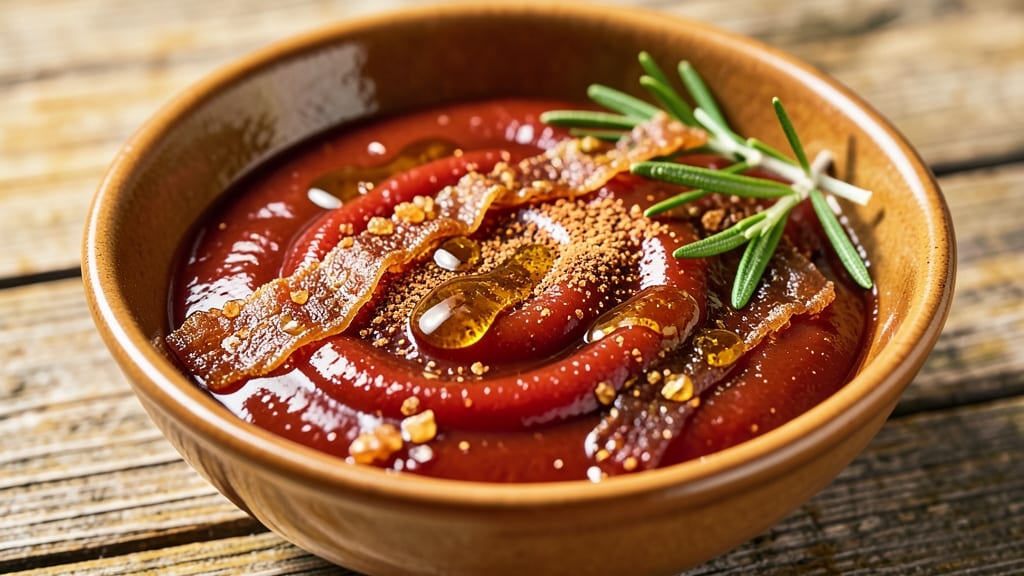
This alkaline BBQ sauce recipe transforms ordinary grilled meats into showstopping centerpieces with its vibrant glaze and balanced tanginess. The secret lies in baking soda, which creates that signature alkaline reaction—caramelizing sugars into a glossy, sticky finish while keeping the sauce from overpowering the meat.
I developed this after years of perfecting sauces for competitive BBQ, where that perfect balance between sweet, tangy, and smoky makes all the difference.
The process is simpler than it sounds: simmer tomatoes, vinegar, and spices until thickened, then blend with a touch of baking soda to trigger that alkaline magic. The result? A sauce that clings beautifully to ribs, chicken, or even brisket, creating a crackling crust while keeping the meat tender.
Unlike commercial sauces, this version lets you control the sweetness and tang to match your taste—no artificial aftertaste here.
What makes this sauce truly special is its versatility. Use it as a glaze for last-minute shine, a marinade for tenderizing meats, or even a dipping sauce for fries or wings.
The alkaline reaction ensures it won’t turn bitter when heated, so you can apply it directly over flames or in the oven without worry. It’s the kind of sauce that elevates a simple cookout into a memorable feast.
Ready in just 30 minutes, this recipe delivers restaurant-quality results with minimal effort. The key is patience—letting the sauce simmer and the alkaline reaction work its magic. Once you try it, you’ll never go back to store-bought. Let’s get cooking!
Ingredients for alkaline bbq sauce
Eight pantry staples transform into a restaurant-worthy sauce with just 30 minutes of simmering.
| Ingredient | Amount | Notes |
|---|---|---|
| Extra-Virgin Olive Oil 🫒 | ¼ cup | High-quality for richness |
| Apple Cider Vinegar 🍏 | ½ cup | Balances sweetness and tang |
| San Marzano Tomato Paste 🍅 | ½ cup | Smooth texture, no seeds |
| Brown Sugar 🍚 | 1 cup | Packed firmly for sweetness |
| Baking Soda 🧪 | ½ tsp | Triggers alkaline reaction |
| Smoked Paprika 🌶️ | 2 tbsp | For deep smoky flavor |
| Garlic Powder 🧄 | 1 ½ tsp | Freshly ground preferred |
| Onion Powder 🧅 | 1 ½ tsp | Adds depth without bitterness |
| Ground Black Pepper 🌶️ | ½ tsp | Freshly cracked for heat |
| Diamond Crystal Kosher Salt 🧂 | 1 ½ tsp | Adjusts to taste |
| Fresh Ground Black Pepper 🌶️ | ¼ tsp | For finishing touch |
The San Marzano tomato paste is non-negotiable here—its smooth texture and sweetness are the foundation. Grab a can from Trader Joe's or Whole Foods if you want the best quality, but any high-end brand works. The apple cider vinegar should be raw and unfiltered for that extra depth of flavor. I always double-check the label for no added sugars or preservatives. For the brown sugar, light or dark doesn't matter—just make sure it's packed firmly in the measuring cup. The smoked paprika? Penzeys has the best selection, but the regular grocery store stuff works fine. Freshly ground spices make all the difference, so if you've got whole spices, toast and grind them before adding.
No apple cider vinegar? White vinegar or red wine vinegar works in a pinch, though the flavor will be slightly different. Short on tomato paste? Crushed tomatoes at double the amount will work, but you'll need to simmer longer to thicken. Want more heat? Add a pinch of cayenne pepper or a dash of hot sauce. The baking soda is crucial—it creates that signature alkaline reaction, but if you're worried about taste, start with just 1/4 tsp and adjust. For a deeper smoky flavor, swap half the paprika for liquid smoke (just a teaspoon). The sauce will thicken as it cools, so if it feels too thin after simmering, let it sit for 10 minutes before adjusting.
This sauce keeps beautifully—store it in an airtight jar in the fridge for up to 3 weeks, or freeze portions for 6 months. The flavor actually improves over time as the alkaline reaction continues to work its magic. I like to make a big batch and keep it on hand for last-minute grilling. If you're using it as a marinade, let the meat soak for at least 2 hours for maximum tenderness. For a glossy finish, brush on the sauce right before grilling—it'll caramelize instantly over the flames. The leftovers make an incredible dipping sauce for fries or a tangy glaze for roasted vegetables.
Why You'll Love This Recipe
- Pantry-to-Pot Magic: I swear, this sauce comes together with stuff you already own—no specialty shopping. That baking soda isn’t just for cleaning; it’s the secret behind that tangy kick that makes your ribs or grilled chicken pop without extra effort.
- Sweet-Tart Balance: The brown sugar and apple cider vinegar dance together like a summer BBQ should—smoky depth from the olive oil, bright acidity from the vinegar, and just enough sweetness to make you lick the bowl. (Yes, even after the third batch.)
- Weeknight Wonder: Slap it on burgers, drizzle over baked beans, or toss with roasted veggies—this sauce doesn’t care what you throw at it. Between us, I’ve used it for breakfast burritos when I was too tired to plan. It works.
- Budget Stretch: A single jar of San Marzano paste and a box of baking soda go a long way—this recipe costs pennies per serving. Plus, it keeps for weeks in the fridge, so you’re not scrambling to buy more every time you crave that smoky-sweet flavor.
Step-by-step instructions for alkaline BBQ sauce
This sauce transforms ordinary grilling into a vibrant, balanced experience—sweet with depth, tangy with richness.
Warm the Olive Oil and Vinegar
Heat the 0.25 cup extra-virgin olive oil in a medium saucepan over medium-low heat. Once the oil shimmers gently, add the 0.5 cup apple cider vinegar and stir continuously for 2-3 minutes. You'll notice the mixture bubbling slightly as the vinegar begins to cook off its sharpest edges.
This step is crucial—it mellows the vinegar's acidity while infusing the oil with its bright character. If the oil starts to smoke, reduce the heat immediately. The goal is to create a fragrant base without burning either ingredient. Let it simmer until the vinegar reduces by about one-third, leaving a glossy, aromatic liquid.
Build the Flavor Base
Reduce the heat to low and add the 0.5 cup San Marzano tomato paste, stirring constantly to prevent scorching. Cook for 3-4 minutes until the paste dissolves completely and the mixture becomes smooth. The sauce should thicken slightly and develop a deep, caramelized aroma.
Next, whisk in the 1 cup brown sugar, 2 tbsp smoked paprika, 1.5 tsp garlic powder, 1.5 tsp onion powder, 0.5 tsp ground black pepper, and 1.5 tsp Diamond Crystal kosher salt. Stir vigorously for 1-2 minutes until the sugar fully dissolves and the spices bloom. Here's the thing—this is where the magic happens. The spices should coat the sauce evenly, creating a rich, smoky foundation.
Add the Alkaline Agent
Increase the heat to medium and bring the sauce to a gentle simmer. Once bubbling, carefully sprinkle in the 0.5 tsp baking soda while stirring continuously. The mixture will foam vigorously and may even bubble over—this is normal and expected. The baking soda triggers an alkaline reaction, breaking down the sugars and creating that signature glossy, caramelized finish.
Simmer for 8-10 minutes, stirring occasionally, until the sauce thickens to a glossy, syrupy consistency. You'll know it's ready when it coats the back of a spoon smoothly and holds its shape. If it thickens too quickly, add 1-2 tablespoons of water to adjust the texture. The goal is a sauce that clings beautifully to grilled meats without being overly sticky.
Finish and Rest
Remove the sauce from heat and let it cool for 5 minutes. This resting period allows the flavors to meld and the sauce to thicken further. Once cooled slightly, stir in the 0.25 tsp fresh ground black pepper for a bright, finishing touch. The pepper should be freshly cracked—this adds a subtle heat that enhances the smoky depth of the paprika.
Transfer the sauce to a clean jar or airtight container. For the best results, let it rest at room temperature for at least 1 hour before using. This allows the alkaline reaction to fully develop, resulting in a sauce that's vibrant, balanced, and ready to elevate any grilled dish. The sauce will keep in the refrigerator for up to 2 weeks, or you can freeze it for longer storage.
Pro Tips For Making Alkaline Bbq Sauce
- Whisk in the Baking Soda Last: I learned this the hard way—adding baking soda too early makes the vinegar curdle into a weird, grainy mess. Stir it in after the sauce has simmered for 10 minutes, when the acid has already softened. That’s when it actually balances the tang without turning your sauce into a science experiment.
- Simmer Low and Slow: High heat burns tomato paste fast, leaving a bitter, ashy taste. Keep the sauce at a gentle bubble—just enough to see tiny ripples—so the sugar caramelizes instead of scorching. Patience here makes the difference between store-bought and restaurant-quality.
- Use Real Apple Cider Vinegar: Skip the cheap imitation—real apple cider vinegar (the cloudy, unfiltered kind) adds depth that white vinegar can’t match. It’s pricier, but the sauce will taste like it was made by someone who cares. (Yes, even if you’re impatient like me.)
- Bloom the Tomato Paste First: Heat the olive oil until shimmering, then add the tomato paste before any liquid. Let it cook for 2–3 minutes until it darkens slightly—this builds flavor way faster than dumping it in cold. It’s the thing that matters most if you want that smoky, concentrated base.
Storing and reheating this dish
Refrigerator Storage
Store your alkaline BBQ sauce in a clean, airtight glass jar—I swear by Ball mason jars for their durability. Keep it in the fridge at 40°F or below for up to 3 weeks.
The alkaline reaction continues to work its magic, so the sauce actually tastes better after a few days as flavors meld. I like to label my jars with the date to track freshness. 🌡️
If you notice the sauce thickening too much, simply stir in 1-2 teaspoons of water to loosen it. The baking soda can sometimes cause separation, so give it a good stir before each use.
For best results, let the sauce sit at room temperature for 10 minutes before opening to maintain its glossy consistency.
Freezer Storage
For longer storage, portion the sauce into freezer-safe silicone molds or ice cube trays—this makes it easy to grab just what you need. Freeze for up to 6 months, though I recommend using it within 3 months for peak flavor.
The sauce may thicken further when frozen, so add a splash of water when thawing. 🧊
To thaw, transfer the frozen sauce to the fridge overnight. Avoid microwave reheating—it can break down the sauce's delicate balance. Instead, reheat gently on the stovetop over low heat while stirring constantly. This method preserves the sauce's vibrant color and glossy finish.
Reheating for Glazing
For glazing meats, reheat the sauce in a small saucepan over medium-low heat until it reaches 165°F. Stir frequently to prevent scorching, and add 1-2 teaspoons of water if it thickens too much.
The sauce should coat the back of a spoon smoothly. Brush it on just before grilling for that perfect caramelized crust. 🔥
If you're using the sauce as a marinade, no reheating is needed—just stir it well and let it sit at room temperature for 10 minutes to restore its consistency. The alkaline reaction makes it stable enough to marinate meats for up to 24 hours without spoiling.
Reviving Stale Sauce
If your sauce has sat too long and lost its gloss, don’t toss it! Simmer it in a small saucepan over low heat for 5-10 minutes, stirring occasionally.
The heat will reactivate the alkaline properties, bringing back that signature shine. Add a pinch of baking soda if needed—just 1/8 tsp is enough to refresh it. ✨
For extra richness, stir in 1 teaspoon of olive oil or 1 tablespoon of apple cider vinegar to balance any flatness. This trick works wonders for reviving sauces that have lost their vibrancy over time.
Nutrition facts
Frequently asked questions
Why does baking soda make BBQ sauce alkaline?
The baking soda creates an alkaline environment that breaks down sugars faster, producing that signature glossy caramelization. This reaction also helps prevent the sauce from turning bitter when heated. The result is a sauce that clings beautifully to meats while maintaining balance.
Can I adjust the sweetness or tanginess?
For more sweetness, add 1-2 tablespoons of brown sugar while simmering. For extra tang, stir in 1 tablespoon of apple cider vinegar at the end. The sauce thickens as it cools, so adjust while warm for best results.
What meats work best with this sauce?
This sauce excels on ribs, pulled pork, and chicken, but also works beautifully on brisket, salmon, or even grilled vegetables. For best results, use as a glaze during the last 10-15 minutes of cooking to create that perfect caramelized crust.
What if the sauce bubbles over when adding baking soda?
This is completely normal! The baking soda creates vigorous bubbling as it reacts with the acid in vinegar. To prevent mess, reduce heat to low and stir constantly. If it still overflows, move the pan slightly away from the heat source or use a splatter screen.
Can I make this sauce without baking soda?
Yes, but you'll miss the alkaline reaction that creates that signature gloss. For a similar effect, try 1/2 teaspoon of baking powder (though results won't be identical). Without any alkaline agent, the sauce will be more traditional but less sticky and caramelized.