
Sauces & Condiments
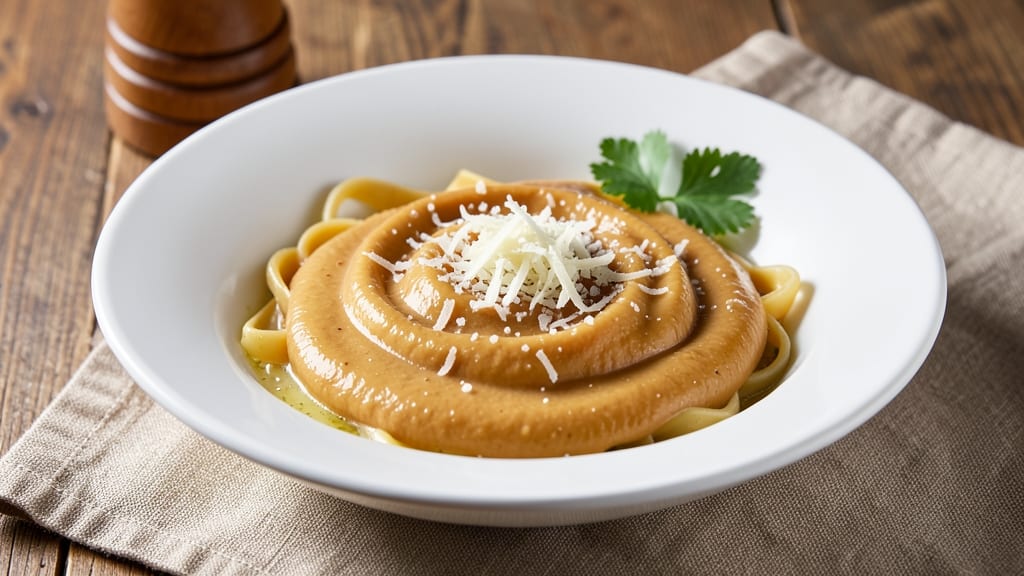
This alfredo sauce recipe with heavy cream, butter, and parmesan cheese transforms simple pantry staples into a luxurious, velvety emulsion that clings perfectly to pasta. The secret lies in balancing rich heavy cream, velvety butter, and sharp parmesan—whisked together until silky smooth.
I've perfected this technique over years of testing, ensuring every batch delivers that signature restaurant-quality texture without breaking or separating.
The process is straightforward but requires attention to detail: melt butter gently, then gradually whisk in warm cream and freshly grated parmesan. A splash of pasta water at the end binds everything together, creating a sauce that's rich yet light enough to coat noodles beautifully.
The result is a creamy, cheesy masterpiece that elevates any dish from ordinary to extraordinary.
What makes this sauce truly exceptional is its versatility—it works equally well with fettuccine, chicken, or even as a creamy dip. The key to perfection lies in the slow, steady whisking and proper temperature control, which prevents lumps and ensures a silky finish.
Once you try this, store-bought versions will never measure up again.
For added depth, consider incorporating a touch of garlic or nutmeg, but the classic version remains timeless. This sauce is your ticket to restaurant-quality meals at home, ready in just 15 minutes. Let's create something truly special.
Ingredients for alfredo sauce recipe with heavy cream butter and parmesan cheese
Eight ingredients, one luxurious sauce—your pantry’s secret to restaurant-quality pasta perfection.
| Ingredient | Amount | Notes |
|---|---|---|
| Unsalted Butter 🧈 | ½ cup | Cold, cubed for gradual melting |
| Heavy Cream 🥛 | 1 ½ cups | Full-fat, room temperature |
| Parmesan Cheese 🧀 | 1 ½ cups | Freshly grated from block |
| Pasta Water 💧 | ½ cup | Reserved from cooked pasta |
| Garlic Cloves 🧄 | 2 whole | Minced, optional for depth |
| Ground White Pepper 🌶️ | ½ tsp | Freshly ground for subtle heat |
| Diamond Crystal Kosher Salt 🧂 | ¼ tsp | Adjust to taste |
| Extra-Virgin Olive Oil 🫒 | 1 tbsp | For finishing, optional |
The butter and heavy cream are your foundation—full-fat versions only. Butter should be cold when you start (pull it from the fridge 30 minutes ahead), and the cream must be room temperature to emulsify properly. Whole Foods or local creamery brands are ideal—they’re richer and less watery than generic grocery store options. For Parmesan, skip the pre-grated stuff—it’s full of anti-caking agents that ruin texture. Grab a wedge from the deli counter and grate it yourself; the difference is night and day. If you’re feeling fancy, add a pinch of freshly cracked white pepper for a sophisticated touch.
No heavy cream? Half-and-half plus a splash of whole milk works in a pinch, but the sauce won’t be as velvety. Short on butter? Olive oil or ghee can substitute, though the flavor profile shifts slightly. Pre-grated Parmesan? Toast it in a dry pan for 2 minutes to burn off excess moisture before using—it’ll taste closer to fresh. The pasta water is non-negotiable; it’s what binds the emulsion. If you forget, a splash of warm milk or broth will do, but it’s not the same. For extra depth, toast the minced garlic in the butter until fragrant (about 30 seconds)—just don’t let it brown.
This sauce is best made fresh, but it keeps beautifully in the fridge for 3-4 days, sealed under a thin layer of olive oil to preserve texture. For longer storage, freeze in ice cube trays—thaw and reheat gently over low heat, stirring constantly to prevent separation. Reheat with a splash of pasta water or milk to restore creaminess. Pro tip: Double the batch and freeze half; you’ll thank yourself later. Leftovers reheat perfectly, though they’ll never taste as luxurious as the first batch—so savor it while it’s fresh.
Why You'll Love This Recipe
- Five-Ingredient Magic: I swear by this combo—just butter, cream, cheese, pasta water, and garlic. That’s it. No fancy gadgets, no hidden ingredients, just pure, velvety richness that feels like a hug in a bowl.
- Garlic Butter Bomb: Honestly, the moment I melt butter with minced garlic until it’s golden? My kitchen smells like an Italian restaurant, and the sauce gets this irresistible depth that store-bought versions can’t touch.
- Weeknight to Dinner Party: This sauce works for spaghetti on a Tuesday or fettuccine for guests on Saturday. Just adjust the cheese-to-cream ratio—more parm for richness, a splash of pasta water to loosen if it thickens too fast.
- Leftovers That Don’t Suck: Between us, most sauces turn gluey when reheated. Not this one. The fat from the butter and cream keeps it silky, and I’ve reheated portions for days without a single complaint—even from my picky teenager.
Step-by-step instructions for creamy alfredo sauce
Here's how to make a perfectly balanced, velvety alfredo that clings beautifully to pasta.
Melt Butter and Infuse with Aromatics
In a medium saucepan, melt the 0.5 cup unsalted butter over medium-low heat. I like to use cold, cubed butter so it melts gradually rather than splattering. Once fully melted, add the 2 whole minced garlic cloves and stir constantly for 30 seconds until fragrant but not browned.
This gentle heating prevents the garlic from burning, which would make the sauce bitter. The butter should foam slightly as it melts, creating a rich foundation for your sauce. Keep the heat low—you're building flavor, not cooking.
Warm and Whisk in Heavy Cream
Pour in the 1.5 cups heavy cream and bring the mixture to a gentle simmer over medium heat. Stir occasionally to prevent scorching at the bottom of the pan. Once simmering, reduce heat to low and let it cook for 3-4 minutes until slightly thickened but still pourable.
The cream should look glossy and slightly reduced—this creates the perfect base for emulsifying the cheese. If you see any skin forming on top, simply stir it back in. This step is crucial for developing the sauce's luxurious texture before adding the cheese.
Gradually Incorporate Parmesan for Emulsion
Lower the heat to lowest setting and begin adding the 1.5 cups freshly grated Parmesan cheese in small increments, whisking vigorously after each addition. Start with ¼ cup at a time—this gradual approach prevents the sauce from curdling or becoming grainy. Keep whisking continuously for 1-2 minutes after each addition until fully combined.
Here's the thing—adding cheese too quickly can cause the sauce to separate. The key is patience and constant whisking. You're creating an emulsion where fat and liquid combine smoothly. The sauce should thicken noticeably as the cheese melts completely, forming a glossy, velvety consistency.
Season and Adjust Consistency
Add the 0.5 tsp ground white pepper and 0.25 tsp Diamond Crystal kosher salt, whisking to fully incorporate. Taste and adjust seasoning—Alfredo should be rich but not overly salty. If the sauce is too thick, whisk in 1-2 tablespoons of reserved pasta water until it reaches a smooth, coatable consistency that clings to pasta without being runny.
This is where the magic happens—the sauce should be thick enough to coat the back of a spoon but still flow smoothly. The pasta water adds starch that helps bind the sauce, giving it that perfect cling. Keep the heat at a whisper-low to maintain the emulsion.
Finish with Olive Oil (Optional) and Serve Immediately
Remove the sauce from heat and stir in the 1 tbsp extra-virgin olive oil if using. This adds a subtle fruity note that balances the richness. The olive oil also helps stabilize the emulsion, preventing separation when tossed with hot pasta. Keep the sauce warm until ready to serve—never boil it after adding cheese, or it will break.
This sauce is best served immediately on freshly cooked pasta. The moment it hits the hot noodles, it'll transform into a luxurious coating. The secret to perfect alfredo lies in the emulsion—fat, liquid, and cheese working together in perfect harmony. Serve with black pepper and additional grated Parmesan if desired.
Pro Tips For Making Alfredo Sauce Recipe With Heavy Cream Butter And Parmesan Cheese
- Melt Butter Slowly: I learned this the hard way—dumping cold butter into hot cream causes lumps that never fully dissolve. Instead, cut the butter into small cubes and let it melt gradually over medium-low heat, stirring constantly. The sauce will be silky, not grainy.
- Grate Your Own Cheese: Pre-shredded parmesan has anti-caking agents that make the sauce clump like glue. Freshly grated cheese dissolves smoothly and adds depth. If you’re short on time, at least pulse it in a food processor for a second—it makes a real difference.
- Save the Starchy Water: Don’t pour out that pasta water—it’s liquid gold for Alfredo. Toss in ¼ to ½ cup as the sauce simmers, and it’ll thicken instantly without breaking the cream. (Yes, even if you’re impatient like me.)
- Finish with Garlic Oil: Tossing raw garlic into the sauce can turn it bitter. Instead, heat a splash of pasta water with minced garlic until fragrant (about 30 seconds), then swirl it into the finished sauce. The aroma hits first, and the garlic stays mellow—not overpowering.
Troubleshooting perfect results
Sauce Separates
This happens when you add cheese too quickly or heat the sauce too aggressively after adding it. To fix it, immediately whisk in 1-2 tablespoons of warm pasta water or heavy cream while stirring vigorously. The starch in pasta water acts as a natural emulsifier, binding the separated components.
If the separation is severe, strain the sauce through a fine-mesh sieve to remove any clumps, then whisk in 1 tablespoon of cold butter to restore creaminess. 💫
Grainy Texture
Pre-grated Parmesan contains anti-caking agents that create gritty texture. Always use freshly grated cheese from a block—grate it yourself using a microplane or box grater for the finest texture.
If you're working with pre-grated cheese, toast it in a dry pan for 2 minutes to burn off excess moisture before adding to the sauce. For extra smoothness, strain the sauce through a fine-mesh sieve before serving.
Too Thick or Gluey
Overcooking the cream or adding too much cheese causes this problem. Thin the sauce with 1-2 tablespoons of warm pasta water or milk, whisking constantly until smooth. For a richer texture, stir in 1 tablespoon of cold butter while whisking vigorously—this adds fat that helps balance the thickness.
If the sauce is still too thick after adjustments, add more liquid ½ tablespoon at a time until it reaches a silky consistency.
Too Thin or Watery
This usually happens when you add too much pasta water or don't reduce the cream enough. Simmer the sauce uncovered for 2-3 additional minutes over low heat, stirring frequently, to evaporate excess moisture.
For extra richness, whisk in 1 tablespoon of cold butter or heavy cream while the sauce is still warm. If the sauce is still too thin, reduce it further by simmering uncovered until it thickens to your desired consistency—just be careful not to let it boil.
Bland Flavor
A bland sauce often results from using low-quality cheese or insufficient seasoning. Boost flavor by adding ½ teaspoon of freshly cracked black pepper (not pre-ground) and a pinch of nutmeg. For extra depth, sauté 1 minced garlic clove in the butter until fragrant before adding the cream.
If the sauce tastes flat, try adding 1 teaspoon of lemon juice or white wine to brighten the flavors. Always taste as you go and adjust seasoning gradually.
Burnt or Bitter Taste
This occurs when butter or garlic burns during cooking. Keep the heat at medium-low or low throughout the process—never let the sauce boil after adding cheese.
If you notice a burnt taste, immediately remove the pan from heat and stir in 1 tablespoon of cold butter or heavy cream to neutralize the flavor. For future batches, use a heavy-bottomed saucepan to prevent scorching and watch the pan closely when cooking the butter and cream.
Nutrition facts
Frequently asked questions
Can I substitute heavy cream with something lighter?
For a lighter version, replace half the heavy cream with whole milk or half-and-half, but expect a thinner sauce. For richness, use 1 cup heavy cream + ½ cup whole milk—this maintains creaminess while reducing fat slightly. The sauce will still cling to pasta but won't be as velvety. Always whisk vigorously to prevent separation.
Why does my alfredo sauce turn grainy?
Pre-grated Parmesan contains anti-caking agents that create grit. Always use freshly grated cheese from a block—grate it yourself with a microplane for the finest texture. If using pre-grated, toast it in a dry pan for 2 minutes to remove excess moisture before adding. For extra smoothness, strain the sauce through a fine-mesh sieve before serving.
How do I make this sauce without butter?
Replace the butter with ½ cup olive oil or ghee, but the flavor will differ slightly. Olive oil adds a fruity note, while ghee gives a richer, nutty taste. Use the same melting technique—heat the oil gently before adding cream. The sauce will still emulsify, but the texture may be slightly lighter without butter's fat content.
Can I make this sauce ahead of time?
Fresh is best, but you can prep it 1 day ahead. Store in an airtight container in the fridge, covered with a thin layer of olive oil to preserve texture. Reheat gently over low heat, stirring constantly, and add 1-2 tablespoons of warm pasta water or milk to restore creaminess. For longer storage, freeze in ice cube trays—thaw and reheat slowly.
What’s the best way to reheat leftover alfredo sauce?
Reheat gently over low heat in a saucepan, stirring constantly to prevent separation. Add 1-2 tablespoons of warm pasta water or milk to restore smoothness. Never boil—this breaks the emulsion. For microwave reheating, cover with a damp paper towel and heat in 20-second bursts, stirring in between. Always finish with a splash of cold butter or cream to revive texture.