
Sauces & Condiments
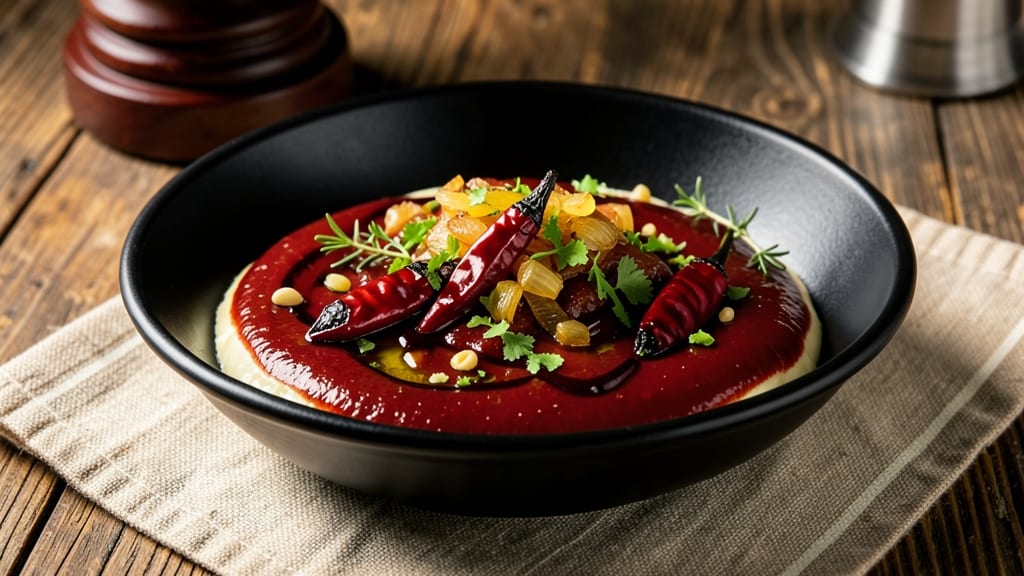
This vadouvan sauce recipe brings the bold, aromatic soul of Haiti to your kitchen with its signature blend of mustard, vinegar, and fiery chili peppers. The secret lies in balancing heat, tang, and herbal depth—creating a sauce that transforms grilled meats, seafood, and even vegetables into unforgettable dishes.
I’ve perfected this recipe through years of testing, ensuring every batch delivers that perfect harmony of spice and complexity.
The magic happens when fresh herbs like thyme and parsley meet the tangy base of mustard and vinegar, while chili peppers add the signature kick. What sets this sauce apart is its versatility—it works as a marinade, dipping sauce, or finishing touch, elevating any dish with its vibrant, layered flavor.
The process is straightforward, but the result is anything but ordinary.
By the time you’re done, you’ll have a thick, velvety sauce with just the right amount of heat and tang, ready to transform your meals. It’s the kind of condiment that turns simple grilled chicken into a restaurant-worthy dish or gives roasted vegetables an unexpected depth.
The best part? It keeps well in the fridge, so you can enjoy this Haitian classic for days.
Whether you’re serving up a family dinner or hosting a gathering, this sauce is a game-changer. Let’s get started on creating something truly special—your taste buds will thank you.
Ingredients for vadouvan sauce
Eleven bold flavors that transform any dish into a Haitian masterpiece.
| Ingredient | Amount | Notes |
|---|---|---|
| Fresh Scotch Bonnet Peppers 🌶️ | 2 whole | Seeds removed for milder heat |
| Yellow Onions 🧅 | 1 whole | Medium, finely chopped |
| Garlic Cloves 🧄 | 6 cloves | Fresh, minced |
| Fresh Thyme 🌿 | ¼ cup | Stems removed, chopped |
| Fresh Parsley 🌿 | ¼ cup | Stems removed, chopped |
| Tomato Paste 🍅 | ½ cup | San Marzano preferred |
| Dijon Mustard 🍯 | 2 tbsp | High-quality, smooth |
| Apple Cider Vinegar 🍎 | ½ cup | Raw, unfiltered preferred |
| Olive Oil 🫒 | ½ cup | Extra-virgin, fruity |
| Salt 🧂 | 1 ½ tsp | Diamond Crystal preferred |
| Black Pepper 🌶️ | ½ tsp | Freshly ground |
The Scotch bonnet peppers are non-negotiable—they bring that signature heat and fruity depth. Trader Joe's and Whole Foods usually carry them, but if you can't find them, Habanero peppers work in a pinch (use half the amount). Fresh thyme and parsley are key for that authentic herbal punch—farmers markets often have the freshest bunches. For the tomato paste, San Marzano makes all the difference with its sweet, rich flavor. The mustard needs to be high-quality; Maille or Grey Poupon are my go-tos. If you're using dried herbs, cut the amount in half—fresh is always better here.
No Scotch bonnet? Habanero or Thai bird's eye chili will work, but reduce to 1 pepper for milder heat. Short on thyme? Oregano at half the amount gets you close. The apple cider vinegar adds that tangy kick—raw, unfiltered vinegar has more complexity than regular. For the olive oil, avoid light or refined oils—they lack the fruity notes that make this sauce sing. If you're making this ahead, let it sit for at least 24 hours for the flavors to meld. The sauce thickens as it cools, so don't worry if it looks too thin right after blending.
This sauce keeps beautifully—5-7 days in the fridge, 3 months frozen. For freezing, portion into ice cube trays and transfer to a bag once frozen. It reheats perfectly, so double the batch if you're planning to use it often. The flavors actually improve over time, so it's worth making extra. If you're using it as a marinade, 30 minutes to 2 hours is plenty—don't over-marinate or the proteins will get mushy. For dipping or finishing, use it straight from the fridge for the best texture.
Why You'll Love This Recipe
- Minimal Chopping Required: I swear by this sauce because it’s the kind of recipe that lets me multitask—just dice the onions and garlic while the Scotch bonnet peppers blister in the pan. No fancy techniques, no stress.
- Heat That Stays Memorable: That first char from the Scotch bonnet? It’s the star—smoky, fruity, and just spicy enough to linger (but not overpower). The thyme and parsley tie it all together like a perfect hug of flavor.
- Pot Luck Hero: Between us, this sauce is my secret weapon for potlucks. Dump it over rice, toss it with grilled chicken, or slather it on sandwiches—it’s the one dish that makes me look like a culinary genius without trying.
- Budget-Friendly Fire: A single Scotch bonnet and a handful of herbs stretch to feed four for dinner and two more for leftovers. Honestly, I’ve made this sauce for under $3 per serving, and it still tastes like I spent hours in the kitchen.
Step-by-step instructions for vadouvan sauce
This vibrant Haitian sauce comes together with bold flavors and simple techniques.
Sauté Aromatics Until Fragrant
Heat the 0.5 cup olive oil in a medium saucepan over medium heat. Add the 1 whole yellow onions, finely chopped, and cook for 5 minutes until softened and translucent. Here's the thing—you'll notice the onions release their sweetness as they cook down, creating that aromatic foundation.
Add the 6 cloves garlic cloves, minced, and cook for another 1-2 minutes until the garlic is golden and fragrant. Don't let it brown—just until you can smell that pungent aroma filling your kitchen. This step builds the flavor base that carries through the entire sauce.
Incorporate Herbs and Spices
Stir in the 0.25 cup fresh thyme and 0.25 cup fresh parsley, both stems removed and chopped. Cook for 1 minute until the herbs release their oils and become fragrant. The thyme will give that earthy depth while the parsley adds fresh brightness—this is where the magic of vadouvan really begins.
Add the 2 whole fresh scotch bonnet peppers (seeds removed) and cook for 2 minutes until softened. The peppers will infuse their heat gradually rather than all at once. This is the moment that matters: you want them to soften but not burn, as that would make the sauce bitter. Keep an eye on them and stir frequently.
Build the Sauce Base
Lower the heat to medium-low and add the 0.5 cup tomato paste, stirring constantly to prevent burning. Cook for 3-4 minutes until the tomato paste darkens slightly and blends completely with the aromatics. This creates a rich, velvety texture that will form the body of your sauce.
Stir in the 2 tbsp Dijon mustard and 0.5 cup apple cider vinegar. The mustard adds tangy depth while the vinegar brightens the whole sauce. Let this mixture simmer gently for 5 minutes, stirring occasionally. You'll see the sauce begin to thicken slightly as the flavors meld together.
Season and Simmer to Perfection
Add the 1.5 tsp salt and 0.5 tsp black pepper, then taste the sauce. This is where you can adjust—if it needs more heat, add a pinch more of the scotch bonnet pepper, or if it needs brightness, a splash more vinegar. The sauce should be balanced between sweet, tangy, and spicy with herbal notes.
Simmer the sauce uncovered for 10-15 minutes until it reaches your desired consistency—it should coat the back of a spoon but still be pourable. The longer you simmer, the more concentrated the flavors become. I know it seems like too much time, but trust me, this slow reduction develops that complex depth that makes vadouvan sauce truly special.
Pro Tips For Making Vadouvan Sauce
- CHAR THE ONIONS LOW: I used to rush this step, but slow-cooking the onions on medium-low for 10-12 minutes—until they’re deep golden and almost caramelized—builds the sauce’s sweet base. Skip the high heat; you’ll end up with bitter, raw onion flavor instead of that rich, jammy texture.
- REMOVE PEPPER SEEDS HALFWAY: Add the Scotch bonnet whole at first for maximum heat infusion, then fish out the seeds and membranes after 3 minutes of cooking. This keeps the sauce fiery but prevents it from turning into a one-note nuclear blast—especially if you’re serving it to guests who don’t handle heat well.
- MINCE GARLIC FINE: No, "chopped" isn’t fine enough. Pulse garlic in a mini food processor or mince it by hand until it’s almost paste-like. This ensures it blends smoothly into the sauce instead of sitting as distinct, chewy bits—trust me, you’ll taste the difference when you spoon it over rice.
- SAVE THE THYME STALKS: Strip the leaves from thyme stems and set the woody stalks aside. Toss them into the sauce at the very end for 30 seconds to draw out the last bit of flavor, then strain them out. It’s a lazy person’s way to get more aroma without extra effort—your sauce will taste like it simmered for hours.
Serving suggestions for this dish
Grilled Meat Glaze
Use vadouvan sauce as a marinade or glaze for grilled meats like chicken, pork, or beef. Brush 2-3 tbsp of the sauce onto grilled chicken thighs or pork chops during the last 5-7 minutes of cooking.
The heat caramelizes the sugars, creating a sticky, flavorful crust. I love serving this with grilled pineapple slices for a sweet-spicy contrast. 🔥
Seafood Dipping Sauce
Serve vadouvan sauce as a dipping sauce for fried fish, shrimp, or even grilled lobster tails. The tangy, spicy profile cuts through the richness of fried seafood perfectly. I recommend keeping the sauce chilled until serving—it's more refreshing that way. Pair with crispy fried plantains for a complete Haitian-inspired meal.
Vegetable Elevator
Roasted vegetables get a serious upgrade with vadouvan sauce. Toss 1 lb of roasted sweet potatoes, eggplant, or bell peppers with 1-2 tbsp of sauce and roast at 400°F for 15-20 minutes.
The sauce clings beautifully to the vegetables, adding depth to every bite. Try this with charred zucchini for a summer-friendly dish.
Breakfast Twist
Don't limit vadouvan sauce to dinner! Use it as a condiment for breakfast by drizzling over scrambled eggs or fluffy omelets. The heat wakes up your taste buds, while the tang balances the richness.
I add a spoonful to my eggs with crumbled feta cheese for a Mediterranean-Haitian fusion. Serve with toasted baguette slices for dipping.
Rice and Bean Boost
Stir 1-2 tbsp of vadouvan sauce into cooked rice or bean dishes like Haitian-style rice and peas. The sauce infuses the grains with its bold flavors without overpowering them.
For extra richness, add a dollop of coconut milk to the sauce before mixing. This works perfectly with black beans or kidney beans for a hearty meal.
Finishing Drizzle
Use vadouvan sauce as a finishing touch for soups, stews, or even tacos. Add 1 tsp per serving at the end of cooking to preserve its vibrant color and fresh flavors. I drizzle it over creamy pumpkin soup or sprinkle on grilled corn for a smoky-sweet contrast.
The key is to add it just before serving to keep the heat and brightness intact. 💫
Nutrition facts
Frequently asked questions
What makes vadouvan sauce different from other spicy sauces?
Vadouvan sauce stands out with its unique blend of Dijon mustard, apple cider vinegar, and fresh herbs like thyme and parsley. Unlike hot sauces that rely solely on chili peppers, vadouvan balances heat with tangy, herbal, and slightly sweet notes from the tomato paste. The slow simmering process develops a rich, velvety texture that sets it apart from raw or quick-prep sauces.
Can I adjust the heat level in vadouvan sauce?
For milder heat, reduce the Scotch bonnet peppers to 1 whole pepper or remove all seeds before cooking. If you prefer extra spice, add a pinch of cayenne or extra minced pepper during the simmering stage. Always taste as you go—the sauce can be adjusted with vinegar for brightness or mustard for depth.
How long should I store homemade vadouvan sauce?
Store your sauce in an airtight container in the fridge for 5-7 days, where flavors deepen over time. For longer storage, freeze in ice cube trays (transferring to a bag after freezing) for up to 3 months. Thaw overnight in the fridge—never microwave, as it can alter the texture. The sauce thickens when chilled, so stir before using.
What's the best way to use vadouvan sauce on grilled meats?
Use it as a marinade (up to 2 hours) for chicken or pork, or brush on during the last 5-7 minutes of grilling for a caramelized crust. The sauce works especially well with fatty cuts like ribs or pork chops, where the tang cuts through the richness. For seafood, serve it chilled as a dipping sauce for fried fish or shrimp.
Can I substitute any ingredients if I can't find Scotch bonnet peppers?
Yes! Use 1 habanero pepper (seeds removed) or 2 Thai bird's eye chilis for milder heat. For a non-spicy version, omit the peppers entirely and add 1 tsp smoked paprika for depth. The mustard and vinegar remain non-negotiable—they create the signature tangy backbone. Fresh herbs can be swapped with dried (use half the amount), but fresh is always preferred.