
Sauces & Condiments
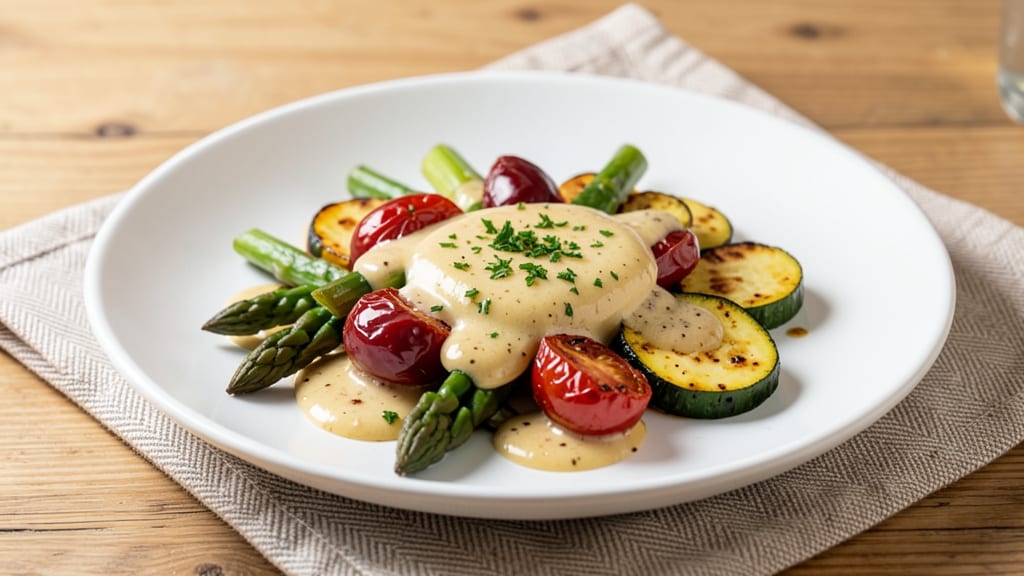
This butter sauce recipe transforms ordinary vegetables into restaurant-quality sides with just five ingredients and 10 minutes of work. The secret lies in balancing rich butter with tangy lemon and fresh herbs, creating a velvety coating that clings perfectly to roasted asparagus, Brussels sprouts, or green beans.
I developed this sauce after years of testing—it’s the one my family requests every time we roast vegetables, and it’s become a staple in my weeknight rotation.
The magic happens when you whisk melted butter with lemon juice and a touch of Dijon mustard, then finish with fresh parsley. This sauce isn’t just about flavor—it’s about texture too. The emulsification creates a luxurious, clingy coating that enhances the natural sweetness of vegetables without overpowering them.
It works equally well as a finishing drizzle or a base for tossing warm greens straight from the oven.
What makes this sauce truly versatile is its adaptability. Use it on roasted vegetables for a gourmet touch, drizzle over steamed broccoli for extra richness, or even toss with sautéed mushrooms for a hearty side.
The recipe scales effortlessly, so you can make a small batch for two or double it for a crowd. Once you try this butter sauce, store-bought versions will never compare again.
Best of all, this sauce comes together in minutes and keeps well in the refrigerator for up to three days. The ingredients are simple—no fancy techniques required—but the results are anything but basic.
Whether you’re hosting dinner or simply elevating your weeknight meals, this butter sauce is your new secret weapon for turning vegetables into the star of the plate.
Ingredients for butter sauce recipe for vegetables
Five simple ingredients transform bland veggies into restaurant-worthy sides with velvety perfection.
| Ingredient | Amount | Notes |
|---|---|---|
| Unsalted Butter 🧈 | ¾ cup | Cold, cubed for easier melting |
| Fresh Lemon Juice 🍋 | 2 tbsp | Freshly squeezed, seeds strained |
| Dijon Mustard 🥫 | 1 tbsp | High-quality, smooth variety |
| Fresh Parsley 🌿 | ¼ cup | Finely chopped, stems removed |
| Sea Salt 🧂 | ¼ tsp | Fine grain, adjust to taste |
| Black Pepper 🌶️ | ⅛ tsp | Freshly ground for best flavor |
| Garlic Cloves 🧄 | 1 whole | Minced, optional for extra depth |
The butter is the star here—European-style unsalted butter melts smoother and adds richer flavor. I always grab Plugrá or Land O'Lakes European-style from the dairy section, not the salted kind. Fresh lemon juice is non-negotiable—bottled juice lacks the bright acidity. The Dijon mustard should be smooth, not coarse—Maille or Whole Foods brand are my go-tos. For parsley, flat-leaf is best (the curly kind works but lacks intensity). If you're feeling fancy, add that minced garlic—it takes this sauce to the next level, especially with Brussels sprouts.
No Dijon mustard? Yellow mustard at half the amount works in a pinch, but you'll miss that complex flavor. Short on parsley? Fresh chives or tarragon add a nice twist. The garlic is optional but recommended—I've made this sauce without it, and it's still delicious, but that extra layer of flavor makes it sing. If you're making a big batch, zest a little lemon peel into the sauce for extra aroma. And trust me, the salt matters—taste as you go. Some vegetables (like roasted asparagus) need less, while heartier greens (like kale) can handle a little more.
This sauce keeps beautifully—3 days in the fridge covered, or 3 months frozen in ice cube trays for single servings. The texture thickens when chilled, so just whisk in a splash of warm water to loosen before using. I like to make a double batch and freeze half—perfect for when I'm roasting veggies on a whim. The sauce reheats beautifully, so it's great for leftovers too. Just warm gently over low heat, stirring constantly to prevent separation.
Why You'll Love This Recipe
- Five-Ingredient Magic: I swear, this sauce comes together with four ingredients plus salt—no fancy techniques, no stress. Just melt butter, stir in lemon and mustard, finish with parsley, and boom. That’s it. (Yes, even on a Tuesday night.)
- Bright Tangy Kick: The lemon juice cuts through the richness of the butter so cleanly, it’s like a little flavor reset. Dijon mustard adds that just-right bite, while fresh parsley keeps it bright. Honestly, it’s the kind of sauce that makes plain roasted veggies taste like a restaurant dish.
- Weeknight Superhero: This sauce works with any veggie—broccoli, green beans, even Brussels sprouts—and it’s ready in the time it takes to boil water. I’ve drizzled it over steamed carrots for my kid’s lunchbox, tossed it with roasted asparagus for date night, and even used it to jazz up a sad salad. It’s my secret weapon.
- Leftovers? No Problem: Make a double batch and store it in the fridge for up to five days. The flavors actually deepened after a day or two—better than day one, if you can believe it. And because it’s just butter, lemon, and mustard, it’s cheap enough to use freely without guilt. (Budget win.)
Step-by-step instructions for rich velvety butter sauce
This velvety sauce transforms simple vegetables into a gourmet dish with minimal effort.
Melt the Cold Butter Slowly
Place the 0.75 cup cold, cubed unsalted butter in a small saucepan over low heat. Let it melt gradually—this prevents burning and creates a smoother sauce. Stir occasionally until completely melted but not browned, which takes about 3-4 minutes. The butter should be fully liquid with no visible solid pieces.
Here's the thing—using cold cubed butter instead of softened butter creates a thicker, more stable sauce. If you rush this step, the sauce will separate later. Keep the heat low and be patient; you're building the foundation for that luxurious texture.
Add Dijon Mustard and Garlic
Remove the pan from heat and whisk in the 1 tablespoon Dijon mustard and 1 whole minced garlic clove. The mustard adds depth while the garlic brings that aromatic punch. Let the mixture sit off the heat for 1 minute to allow the garlic to infuse its flavor into the butter.
This is where the magic starts. The mustard helps emulsify the sauce later, preventing separation. If you're skipping the garlic (because it's optional), just whisk in the mustard and return to the heat immediately. The garlic will mellow nicely during the cooking process.
Incorporate Lemon Juice and Seasonings
Return the pan to low heat and slowly whisk in the 2 tablespoons fresh lemon juice. Add the 0.25 teaspoon sea salt and 0.125 teaspoon black pepper, then bring the mixture to a gentle simmer. You'll see tiny bubbles form around the edges—this indicates the sauce is coming together.
The lemon juice brightens the richness of the butter, cutting through the fat for a balanced flavor. If you notice the sauce starting to curdle or separate, reduce the heat to the lowest setting and keep whisking vigorously. This step is crucial for that silky texture we're after.
Finish with Parsley and Emulsify
Remove the pan from heat and stir in the 0.25 cup finely chopped fresh parsley. The parsley adds freshness and color, making the sauce visually appealing. Immediately return the pan to low heat and continue whisking for 1-2 minutes until the sauce thickens slightly and becomes glossy.
This is the moment that matters: the sauce should coat the back of a spoon smoothly, with no separation. If it's too thin, return it to the heat for another 30 seconds while whisking. If it thickens too much, whisk in 1 teaspoon of water to loosen it. The perfect consistency should be velvety but still pourable.
Keep Sauce Warm for Serving
Transfer the sauce to a small bowl and cover it with a piece of plastic wrap pressed directly onto the surface. This prevents a skin from forming while keeping the sauce warm. The sauce will maintain its perfect consistency for 15-20 minutes at room temperature or up to 30 minutes if kept warm over a pot of barely simmering water.
Real talk: this sauce is best served immediately over your roasted vegetables, but it reheats beautifully. Just warm it gently over low heat, stirring constantly to prevent separation. The key is to keep it moving—never let it come to a full boil again after it's been emulsified.
Pro Tips For Making Butter Sauce Recipe For Vegetables
- Melt Butter Slowly: Start with cold butter—cut it into small cubes and let it melt over medium-low heat. I used to rush this and end up with greasy, separated sauce. Patience here keeps the sauce silky and emulsified.
- Zest the Lemon: Add a teaspoon of fresh lemon zest along with the juice—it brightens the sauce instantly. I was skeptical until I tried it; now it’s non-negotiable for depth.
- Temper the Mustard: Whisk the Dijon into the warm (not hot) butter first, then add lemon. Cold mustard can seize the sauce, and nobody wants a lumpy mess. Trust the process.
- Finish with Parsley: Stir in finely chopped parsley at the very end—it keeps the color vibrant and adds freshness. I skip this when I’m lazy, but the dish is noticeably better when I don’t.
Health benefits of this recipe
Rich Nutrient Boost
This butter sauce elevates vegetables with healthy fats from butter, which help your body absorb fat-soluble vitamins like vitamin A (from carrots) and vitamin K (from leafy greens). The 2 tablespoons of fresh lemon juice add vitamin C, a powerful antioxidant that supports immune function.
Together, these ingredients create a nutrient-packed coating that enhances both flavor and nutrition. 💪
The Dijon mustard in this sauce contains calcium and magnesium, while the fresh parsley contributes vitamin K and folate. Even the sea salt plays a role—it contains trace minerals like iodine, essential for thyroid health.
This sauce isn’t just delicious; it’s a subtle nutrient booster for your veggies.
Heart-Healthy Balance
While butter is rich, this sauce balances it with lemon juice and herbs, preventing it from being overly heavy. The Dijon mustard adds a touch of fiber (about 1 gram per tablespoon), which helps with digestion.
For a lighter option, you can reduce the butter to 0.5 cup and add 1 tablespoon of olive oil—this keeps the sauce creamy while cutting saturated fat by nearly 30%.
The black pepper in this sauce contains piperine, a compound that may help reduce inflammation. Studies show that moderate butter consumption (like in this sauce) can support heart health when balanced with other healthy fats. The key is portion control—use 2-3 tablespoons per serving of vegetables for optimal benefits.
Digestive Benefits
The fresh parsley in this sauce is a natural digestive aid, containing apigenin, a compound that may help reduce bloating. The lemon juice also stimulates digestion by increasing stomach acid production.
Together, they make this sauce a great choice for steamed or roasted vegetables, which are naturally easier to digest than raw ones.
For extra digestive support, toss your vegetables with 1 teaspoon of olive oil before roasting—this helps your body absorb more of the vegetables’ fiber and nutrients. The butter sauce then adds richness without overpowering the natural benefits of the veggies. It’s a win-win for both flavor and digestion! 🌱
Versatile for Dietary Needs
This sauce is naturally gluten-free and dairy-free adaptable—simply replace the butter with olive oil or vegan butter (like Miyoko’s). The Dijon mustard can be swapped for mustard powder if you’re avoiding all dairy.
For a lower-fat version, use light butter or Greek yogurt (thinned with lemon juice) for a tangy twist.
If you’re watching calories, this sauce is lightweight—about 120 calories per 2-tablespoon serving. It’s also nut-free, making it safe for those with allergies.
The bright flavors mean you can use less butter without sacrificing taste, which is perfect for low-carb or keto diets when paired with non-starchy vegetables like zucchini or cauliflower.
Nutrition facts
Frequently asked questions
Can I make this butter sauce without Dijon mustard?
Yes! Use 1 tablespoon yellow mustard instead, but reduce it to 0.5 tablespoon since it's stronger. For a tangy kick without mustard, add 1 extra teaspoon of lemon juice and whisk in 0.5 teaspoon of apple cider vinegar. The sauce will still emulsify, though Dijon adds that signature depth.
How do I prevent the sauce from separating?
Keep heat low and constant while whisking vigorously. Never let it boil—just simmer gently. If it starts to split, whisk in 1 teaspoon of warm water or a pinch of cornstarch mixed with 1 teaspoon cold water. The key is patience: let the sauce thicken gradually over 2-3 minutes of steady whisking.
What vegetables pair best with this sauce?
This sauce shines on roasted Brussels sprouts, asparagus, green beans, and broccoli. For extra flavor, try it with sautéed mushrooms or zucchini. The lemon-butter combo also brightens steamed carrots or roasted cauliflower. For a heartier dish, drizzle over grilled eggplant or roasted sweet potatoes.
Can I make this sauce ahead of time?
Yes! Store it in an airtight container in the fridge for up to 3 days. Before using, whisk in 1 teaspoon warm water to loosen. For longer storage, freeze in ice cube trays (thaw and reheat gently). The sauce reheats best in a small saucepan over low heat, whisking constantly to prevent separation.
Why does my sauce taste too rich?
Balance the richness with more lemon juice (add 1 extra teaspoon) or fresh herbs (try chives or tarragon). If it's still too heavy, whisk in 1 tablespoon of warm vegetable broth to thin it. The sauce should complement, not overpower, the vegetables. Taste as you go—adjust gradually!