
Sauces & Condiments
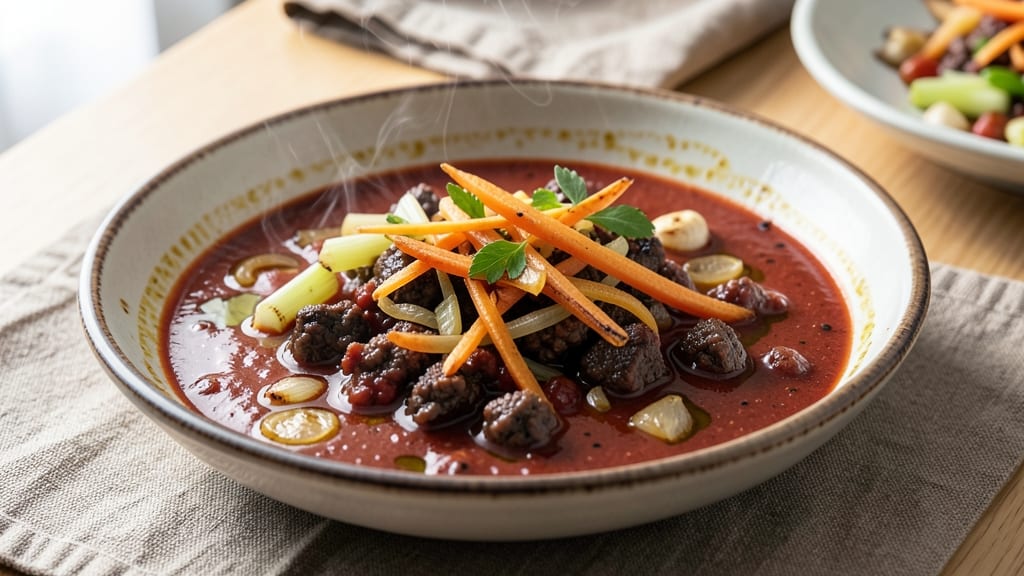
This Bolognese sauce recipe no wine delivers the same deep, savory richness you crave—without a single drop of alcohol. 🔥 The secret lies in a carefully balanced blend of tomatoes, aromatic vegetables, and slow-cooked meat (or hearty plant-based substitutes) that develop layers of umami flavor over time.
What sets this version apart is how it replaces wine’s acidity and depth with a combination of tomato paste, balsamic vinegar, and a touch of soy sauce, creating a sauce that’s just as complex and satisfying.
What makes this sauce truly special is the technique: browning the meat (or mushrooms for a vegetarian version) first to build a flavorful crust, then simmering everything low and slow for hours.
This method allows the flavors to meld together, resulting in a sauce that’s velvety, well-balanced, and packed with the kind of depth that makes it worth the wait. The result is a sauce that’s perfect for pasta, lasagna, or even stuffed into meatballs—every bite is rich, flavorful, and deeply comforting.
The beauty of this no-wine Bolognese is its versatility. It keeps well in the fridge for up to five days, so you can make a big batch and use it throughout the week.
Whether you’re serving it over al dente pasta, layering it in a baked dish, or using it as a filling for ravioli, this sauce brings restaurant-quality flavor to your home cooking.
The slow simmer ensures the meat stays tender, while the herbs and spices infuse every spoonful with warmth and complexity.
Ready to elevate your weeknight dinners? This sauce is the foundation of countless Italian classics, and with this no-wine adaptation, it’s easier than ever to create a dish that’s rich, hearty, and full of flavor. Let’s get started on a sauce that will become a staple in your kitchen.
Ingredients for bolognese sauce recipe no wine
Tomato paste, balsamic, and soy sauce replace wine for bold umami flavor.
| Ingredient | Amount | Notes |
|---|---|---|
| Ground Beef 🥩 | 1 ½ lb | 80% lean, finely ground |
| Tomato Paste 🍅 | ½ cup | San Marzano preferred |
| Carrots 🥕 | 1 whole | Medium size, finely chopped |
| Celery Stalks 🧅 | 2 whole | Finely chopped, leaves included |
| Onion 🧅 | 1 medium | Yellow or red, finely diced |
| Garlic Cloves 🧄 | 4 cloves | Peeled, minced |
| Balsamic Vinegar 💧 | ½ cup | Aged 10+ years preferred |
| Soy Sauce 🥢 | 2 tbsp | Use light soy for balance |
| Dried Oregano 🌿 | 1 tsp | Italian oregano preferred |
| Fresh Rosemary 🌿 | ½ tsp | Finely chopped, or 1 sprig |
| Fresh Basil Leaves 🌿 | ¼ cup | Packed, torn by hand |
| Crushed Tomatoes 🍅 | 2 cups | San Marzano canned preferred |
| Beef Broth 💧 | 1 ½ cups | Low-sodium preferred |
| Olive Oil 🫒 | ½ cup | Extra-virgin for richness |
| Salt 🧂 | 1 ½ tsp | Diamond Crystal kosher |
| Black Pepper 🌶️ | ½ tsp | Freshly ground preferred |
The beef is non-negotiable here—80% lean ground beef gives you the right fat-to-meat ratio for browning. Costco or Trader Joe's usually have the best prices for bulk packs. Look for bright red color, not grayish—freshness matters. The San Marzano tomato paste is worth the splurge (or grab the Trader Joe's version at half the price). For the vegetables, finely chop everything small—this sauce is all about building flavor from the ground up. I always grab extra carrots and celery because they keep well in the fridge.
No balsamic vinegar? Red wine vinegar plus 1 tsp sugar gets you close. Soy sauce can be swapped for coconut aminos at half the amount. Fresh herbs? Dried oregano at one-third the amount works in a pinch. The crushed tomatoes can be regular canned tomatoes in a pinch—just drain off any excess liquid. For a vegetarian version, swap the beef for mushrooms or lentils. The key is browning whatever protein you use—don't skip this step (trust me on this).
This sauce tastes even better the next day as flavors meld. Keeps for 5 days in the fridge, 3 months frozen. Portion into containers so you can grab it for quick pasta nights. Freeze extras in ice cube trays for single-use portions—just thaw and reheat. The sauce thickens as it cools, so add a splash of broth if it seems too thick when reheating.
Why You'll Love This Recipe
- No Wine, No Problem: The deep, rich flavor comes from the caramelized onions and tomato paste—no wine required. I swear by this combo for that classic bolognese taste without the fuss.
- One-Pot Magic: Just brown the beef, toss in the chopped veggies, and let it simmer. That’s it. No extra pans, no stress—just a hearty sauce that practically makes itself.
- Leftovers That Shine: This sauce only gets better after a day or two in the fridge. I make a big batch on Sundays and use it all week—pasta, lasagna, you name it.
- Budget-Friendly Staples: Ground beef, onions, carrots, celery—these are the basics I always have on hand. It’s affordable, filling, and never lets me down. (Yes, even on a Tuesday night.)
Step-by-step instructions for Bolognese sauce no wine
This rich, umami-packed sauce builds layer by layer—no wine needed.
🍳 Step 1: Sauté the Vegetable Base
Heat the 0.5 cup olive oil in a large Dutch oven over medium heat. Add the finely chopped carrots, celery stalks, and diced onion all at once. Cook for 8-10 minutes until the vegetables soften and begin to caramelize—you'll smell that sweet, earthy aroma developing.
Here's the thing—don't rush this step. The vegetables need time to break down and release their natural sugars, which will form the foundation of your sauce's depth. If you see the oil starting to smoke, reduce the heat slightly. You're aiming for a gentle sizzle, not a wild fire.
🍳 Step 2: Brown the Ground Beef
Push the vegetables to one side of the pot and add the 1.5 lb ground beef in batches, breaking it up with a wooden spoon as it cooks. Let each batch brown for 3-4 minutes until it loses its raw color and develops a rich, meaty crust. This browning creates the deep flavor we're after.
I press down gently on the beef with the spoon during the first minute—this prevents it from curling and ensures even contact with the pan. Once all the beef is browned, stir it together with the vegetables. Add the minced garlic cloves and cook for another 30 seconds until fragrant. This is where the magic happens—those garlic aromas will infuse the entire sauce.
🥘 Step 3: Build the Umami Foundation
Stir in the 0.5 cup tomato paste, 2 tbsp soy sauce, and 0.5 cup balsamic vinegar. Cook for 5 minutes on medium heat, stirring occasionally, until the tomato paste darkens slightly and the mixture thickens. This combination of ingredients creates that deep, savory umami flavor that wine would normally provide.
Here's where it gets fun—taste the mixture now. You should notice a complex balance of sweetness from the tomato paste, tang from the balsamic, and that meaty richness from the soy sauce. If it needs more salt, add some of the 1.5 tsp salt now—you can always adjust later, but you can't take it out.
🥘 Step 4: Simmer with Crushed Tomatoes and Broth
Pour in the 2 cups crushed tomatoes and 1.5 cups beef broth, stirring to combine. Bring the mixture to a gentle simmer, then reduce the heat to low. Partially cover the pot and let it cook for 1.5 hours, stirring occasionally. This long, slow cook time allows all the flavors to meld together beautifully.
I know it seems like a long time, but trust me—this is where the sauce transforms from good to extraordinary. Check occasionally to ensure it's not sticking or burning. If it gets too thick, add a splash of water or broth to keep it moving. The sauce should reduce by about a third by the end of this time.
🍽️ Step 5: Finish with Herbs and Season
Remove the pot from heat and stir in the 0.5 tsp fresh rosemary, 1 tsp dried oregano, and 0.25 cup fresh basil leaves. Let the sauce sit for 5 minutes to allow the herbs to infuse. Then, taste and adjust the seasoning with the remaining salt and 0.5 tsp black pepper as needed.
This sauce is best served immediately, but if you need to reheat it, do so over low heat and stir frequently to prevent scorching. The flavors will continue to develop as it sits, so if you're making it ahead, let it come to room temperature before storing. Serve over your favorite pasta or with crusty bread to soak up every last drop of that rich, umami goodness.
Pro Tips For Making Bolognese Sauce Recipe No Wine
- Sweat, Don’t Burn: The carrots, celery, and onion should glisten like they’ve been crying—soft, translucent, and barely clinging to their shape. Too hot too fast, and you’ll end up with bitter, charred bits that turn your sauce into a flavorless sludge. Start on medium heat and walk away for 5 minutes; if you’re hovering, you’re doing it wrong.
- Break the Tomato Paste: Don’t just dump that brick of paste in like it’s an afterthought. Spread it into a thin, even layer in the pan first—this guarantees it cooks through and doesn’t clump into a dense, unappetizing blob. Use the back of a spoon to scrape it into the oil, then let it sizzle for 2 minutes before adding anything else.
- Brown the Beef Properly: If your ground beef looks like it’s been steamed instead of browned, you’ve missed the most important step. Break it into chunks first, then cook them until they’re deep brown and crispy on the edges—this builds the rich, meaty foundation your sauce needs. Resist the urge to stir constantly; let it develop a crust, then break it up with a wooden spoon.
- Add Crushed Tomatoes Later: Tomato paste alone won’t cut it for depth. Hold off on adding crushed tomatoes or sauce until the very end—after the beef has browned and the veggies are soft. This keeps the sauce from turning watery and lets the flavors meld without dilution. If you’re short on time, at least add them after the beef is halfway cooked.
Make-ahead tips for this recipe
Prep Ahead Strategy
Start by chopping all your vegetables—carrots, celery, and onion—and storing them in a sealed container in the fridge for up to 3 days. This saves 15 minutes of prep time when you're ready to cook.
I like to use a glass container with a tight lid to keep them fresh. The beef can stay uncooked in its packaging until you're ready to brown it—just keep it refrigerated. 🌟
Slow Cooker Adaptation
For a hands-off approach, brown the beef and sauté the vegetables as directed, then transfer everything to a 6-quart slow cooker. Add all remaining ingredients and cook on low for 6-8 hours or high for 4-5 hours.
The slow cooker maintains consistent heat, which is perfect for developing deep flavors without constant monitoring. Just stir occasionally and adjust seasoning at the end.
Freezer-Friendly Portions
Divide the cooked sauce into 1-cup portions in airtight containers or freezer bags before freezing. Label each with the date—this sauce keeps for 3 months without losing quality.
When ready to use, thaw overnight in the fridge, then reheat gently on the stove with 1-2 tablespoons of broth to restore its velvety texture. I freeze extras in ice cube trays for single-use portions—just pop one out, thaw, and toss into pasta.
Make-Ahead Timing
This sauce tastes even better the next day, so plan to make it 1-2 days ahead of serving. Let it cool completely before refrigerating, then reheat over low heat for 10-15 minutes, stirring occasionally.
If it thickens too much during storage, thin it with a splash of broth or water when reheating. The flavors deepen as it sits, making it perfect for meal prep. ✨
Storage Containers
Use glass containers with airtight lids for refrigeration—they maintain flavor better than plastic and are microwave-safe. For freezing, I recommend quart-sized glass containers or heavy-duty freezer bags.
Leave 1-inch headspace in containers to prevent spills, and squeeze out excess air from bags to avoid freezer burn. Label everything clearly to track freshness.
Reheating Tips
Never microwave the sauce directly from the fridge—this creates hot spots and can make it watery. Instead, transfer it to a saucepan and heat over low-medium heat for 8-10 minutes, stirring frequently.
If it seems too thick after reheating, add 1-2 tablespoons of beef broth to restore its silky consistency. For best results, reheat only what you need for the meal—leftover sauce reheats well the next day too. 💫
Nutrition facts
Frequently asked questions
Can I substitute mushrooms for the ground beef in this no-wine Bolognese?
For a vegetarian version, use 1.5 lbs finely chopped cremini or portobello mushrooms instead of beef. Sauté them until deeply browned (about 10 minutes) to develop that meaty umami flavor. Add 1 tbsp soy sauce and 1 tsp smoked paprika to enhance the depth. The texture will be slightly different but still incredibly rich and satisfying.
Why does my sauce taste too acidic even without wine?
This usually happens when the balsamic vinegar or tomato paste overpowers the other flavors. Try balancing it with 1 tsp sugar or ½ tsp honey to mellow the acidity. If the sauce still tastes sharp, add a pinch of salt to enhance the other flavors and let it simmer for an extra 10-15 minutes to allow the acidity to mellow naturally. Taste as you go!
How do I adjust the consistency if my sauce is too thick?
If your sauce thickens too much during cooking, simply add 2-3 tablespoons of beef broth or water at a time, stirring well between additions. For a thicker texture, simmer uncovered for 10-15 minutes to reduce it naturally. If reheating stored sauce, add 1-2 tablespoons of broth to restore its silky consistency. The sauce should coat the back of a spoon but still be pourable.
Can I make this sauce in a Dutch oven on the stovetop?
Yes, a Dutch oven is perfect for this recipe! Its heavy base distributes heat evenly, preventing scorching while allowing the sauce to develop deep flavors. Just ensure you use medium-low heat during the simmering phase to avoid burning. A Dutch oven also retains heat well, making it ideal for long, slow cooking.
What’s the best way to use up leftover Bolognese sauce?
Leftover sauce is incredibly versatile! Freeze portions in ice cube trays for single-use servings, or use it to make lasagna, stuffed shells, or meatballs. You can also blend it into a soup base or spread it on garlic bread for a rich, savory twist. The sauce keeps well for 5 days in the fridge or 3 months frozen.