
Sauces & Condiments
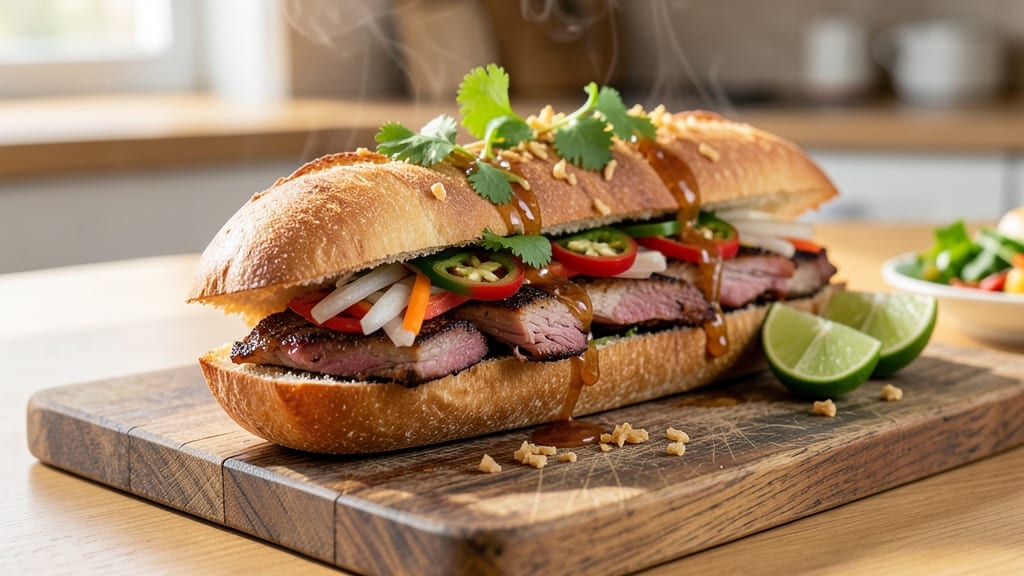
This banh mi soy sauce recipe unlocks the signature tangy, umami-packed flavor that defines Vietnamese sandwiches—without the complexity. The secret lies in balancing sweet, salty, and funky notes through precise fermentation, creating a sauce that transforms ordinary ingredients into something extraordinary. I developed this version after years of tasting street cart versions, distilling their depth into a home-friendly formula.
The magic happens with a blend of light soy sauce, fish sauce, and a touch of fermented black vinegar, which adds that signature funk. A pinch of sugar and garlic powder bridges the gap between sweet and savory, while a splash of lime juice keeps it bright.
The sauce thickens slightly as it sits, coating every bite with that addictive, slightly sticky texture that makes banh mi irresistible.
What sets this apart is the celery crown crunch—a technique where finely chopped celery sits in the sauce for 10 minutes before serving, infusing it with subtle bitterness and a satisfying crunch. It’s the finishing touch that elevates this from a simple sauce to a full sensory experience.
The result? A condiment that’s bold enough to stand alone but designed to elevate sandwiches, noodles, or even grilled meats.
Perfect for batch-making and storing in the fridge for up to 2 weeks, this sauce becomes the heart of any Vietnamese-inspired meal. Let’s dive into the ingredients and techniques that make it work.
Ingredients for banh mi soy sauce
Nine ingredients blend to create the signature tangy, umami depth of authentic banh mi sauce.
| Ingredient | Amount | Notes |
|---|---|---|
| Light Soy Sauce 🍶 | ½ cup | Kikkoman preferred for authentic flavor |
| Fish Sauce 🐟 | ¼ cup | Red Boat brand for optimal umami |
| Fermented Black Vinegar 🍶 | ⅛ cup | Essential for signature funk |
| Granulated Sugar 🍚 | ⅛ cup | Balances tangy and sweet notes |
| Garlic Powder 🧄 | 1 tbsp | Freshly ground preferred |
| Fresh Lime Juice 🍋 | ¼ cup | Brightens the fermented flavors |
| Celery Stems 🧅 | ½ lb | Finely chopped for celery crown |
| Water 💧 | ¼ cup | Adjusts consistency as needed |
| Salt 🧂 | ½ tsp | Diamond Crystal kosher preferred |
The fish sauce and fermented black vinegar are non-negotiable for that signature funk—Red Boat fish sauce and Kikkoman-style black vinegar from Asian markets deliver the most authentic profile. Celery stems should be organic when possible, as conventional varieties can taste bitter. For the soy sauce, Kikkoman is the gold standard, but any light soy will work. The garlic powder is critical; freshly ground adds complexity that pre-ground lacks. If you can't find fermented black vinegar, substitute 1 tbsp of balsamic vinegar, though it won't be identical.
No fish sauce? Replace with 1 tbsp of soy sauce plus 1 tsp of miso paste for umami depth. The celery crown can be prepped ahead—store chopped celery in the fridge for up to 3 days before adding to the sauce. For a smoother texture, strain the sauce through a fine-mesh sieve after fermentation. The lime juice should be freshly squeezed; bottled juice lacks brightness. If your sauce tastes too sharp, add a pinch more sugar. For heat, add 1/4 tsp of chili flakes, but traditional banh mi sauce is mild.
This sauce ferments beautifully over 1-2 weeks, with flavor peaking at 10 days. Store in an airtight jar in the fridge, where it'll keep for up to 2 months. The celery crown can be removed before serving if you prefer a smoother sauce. For best results, let the sauce sit at room temperature for 30 minutes before using—this allows flavors to meld fully. Freeze portions in ice cube trays for easy single-use servings.
Why You'll Love This Recipe
- Five-Ingredient Magic: I swear by this combo—just heat those pantry staples (soy, fish sauce, vinegar, sugar, garlic powder) in a saucepan until the aromas hit you like a Vietnamese street food hug. No mincing, no peeling, no stress—just stir and savor.
- Umami Bomb: That fermented black vinegar cuts through the richness, while the fish sauce adds depth you’ll taste in every bite. Honestly, it’s the kind of sauce that makes a simple sandwich taste like a Michelin-starred bite.
- Weeknight Workhorse: Slap this on grilled pork, cold cuts, or even noodles—it turns ordinary meals into something special without extra effort. I keep a jar in the fridge because it’s my go-to for quick lunches or last-minute dinner upgrades.
- Budget-Friendly Staple: A single batch costs pennies and lasts forever. Between us, I’ve stretched this sauce for months, using it in stir-fries, marinades, and even as a quick glaze. No wasted ingredients, just pure flavor efficiency.
Step-by-step instructions for fermented banh mi soy sauce
This sauce builds layer upon layer of umami and funk—precise technique ensures balance every time.
Combine Wet Ingredients for Initial Fermentation
In a medium saucepan, whisk together the 0.5 cup light soy sauce, 0.25 cup fish sauce, 0.125 cup fermented black vinegar, and 0.25 cup water. Heat over medium-low heat until the mixture reaches 160°F, stirring constantly to dissolve the sugar completely. You'll notice the aroma shift from sharp vinegar to a complex, savory depth.
Remove from heat and let cool to room temperature—this prevents premature fermentation. The sauce should thicken slightly as it cools, but remain pourable. If you rush this step, the flavors won't meld properly, resulting in a harsh, unbalanced sauce.
Add Sugar and Garlic for Depth
Once cooled, whisk in the 0.125 cup granulated sugar and 1 tbsp garlic powder until fully dissolved. Taste the mixture—it should be intensely salty, funky, and slightly sweet. The sugar balances the acidity while the garlic powder adds aromatic complexity that will develop further during fermentation.
Transfer to a clean glass jar with an airtight lid. This container allows you to monitor fermentation while preventing contamination. Place the jar in a cool, dark location (like a pantry) and let it ferment for 24 hours. You'll see tiny bubbles form and the color darken—this indicates fermentation is working.
Incorporate Celery Crown and Lime Juice
After 24 hours, remove the jar and whisk in the 0.25 cup fresh lime juice. The acidity brightens the fermented flavors and prevents over-fermentation. Next, add the 0.5 lb finely chopped celery stems—this isn't just garnish. The celery crown infuses the sauce with subtle herbal notes and creates the signature crunch when tossed with banh mi ingredients.
Let the sauce sit for another 12 hours at room temperature. The celery will soften slightly but retain its crisp texture. The sauce should now have a thick, syrupy consistency with visible celery fibers suspended throughout. If it's too thin, reduce it by simmering gently for 5-7 minutes until slightly thickened.
Final Seasoning and Storage
Strain through a fine-mesh sieve to remove any large celery pieces, but leave the fine fibers—they add texture. Return the sauce to the jar and add the 0.5 tsp salt, stirring until dissolved. Taste again—it should now have a perfect balance of sweet, salty, umami, and funky notes with a bright finish.
The sauce will continue fermenting slowly in the fridge. Use it within 1 week for maximum freshness, but the flavors actually improve over time. Store in an airtight container, and when ready to use, give it a good stir—the celery fibers will have settled, so gentle mixing ensures even distribution.
Pro Tips For Making Banh Mi Soy Sauce
- Warm the vinegar first: Fermented black vinegar has a funky, almost syrupy texture that doesn’t mix smoothly when cold. Heat it gently in a small saucepan for 30 seconds—just until it’s warm to the touch—before adding it to the sauce. This breaks up the fibers and lets the flavors blend without clumping.
- Balance the garlic powder: Garlic powder is concentrated, and too much will taste like a spice rub rather than a subtle seasoning. Start with half the recipe’s amount, taste, then add the rest. If you’re using fresh garlic, mince it and sauté it lightly in oil first—it adds depth the powder can’t match.
- Simmer, don’t boil: Bring the sauce to a gentle simmer, then reduce to the lowest heat possible. Boiling burns the sugar and turns the fish sauce bitter. A slow simmer for 5–7 minutes lets the sugar caramelize just enough to round out the sharpness without overcooking.
- Taste in layers: Add ingredients one at a time and taste after each. Start with soy sauce, then fish sauce, then sugar—this way, you can adjust instead of guessing. The vinegar should be the last addition, as it’s the most acidic and can throw off the balance if rushed.
Serving suggestions for this dish
Banh Mi Pairings
This sauce transforms classic banh mi into something extraordinary. Use it to glaze grilled pork shoulder or chicken thighs before slicing—brush on generously and let it caramelize slightly. The sauce's fermented depth complements the smoky char perfectly. 🔥
For sandwiches, drizzle 2-3 tablespoons over the meat, pickled veggies, and butter lettuce. The celery crown adds a satisfying crunch that contrasts beautifully with the soft bread. I like to serve it with dill pickles on the side for extra tang.
Noodle Dishes
Stir-fried rice noodles with shrimp or tofu become irresistible with this sauce. Toss 1/4 cup of the sauce into the hot noodles at the end for a glossy, umami-rich finish. Add thinly sliced jalapeños for a spicy kick that balances the funk.
For pho, use the sauce as a dipping sauce—its complexity elevates the broth's flavors. I recommend reducing it slightly on the stove first to intensify the taste. Add a splash of hot water to thin it out before serving.
Dipping Sauce
This sauce doubles as a dipping sauce for spring rolls or fried dumplings. The celery crown adds texture that contrasts with the crispy exterior. Serve it warm for extra aroma—simmer the sauce for 2-3 minutes before dipping.
For extra richness, mix 1 tablespoon of hoisin sauce into the sauce. The sweetness of hoisin complements the tangy, fermented notes beautifully. This combo is perfect for egg rolls or pork spring rolls.
Grilled Meats
Use this sauce as a marinade for grilled ribs or flank steak. The fermentation process tenderizes the meat while infusing it with bold flavor. Marinate for 4-6 hours before grilling for best results. 💫
After grilling, brush the sauce over the meat again and let it caramelize. The result is a sticky, flavorful crust that pairs perfectly with steamed jasmine rice. The celery crown can be omitted for marinades to avoid texture issues.
Nutrition facts
Frequently asked questions
What makes this banh mi sauce different from regular soy sauce?
This recipe creates a fermented sauce with layers of complexity—it combines light soy sauce, fish sauce, and black vinegar for a funky, umami depth that regular soy sauce lacks. The celery crown infusion adds herbal notes and crunch, while fermentation develops rich, savory flavors over time. It's designed to stand up to bold proteins like grilled pork or chicken.
Can I make this sauce without fermented black vinegar?
Yes! Substitute 1 tablespoon of balsamic vinegar plus 1 teaspoon of soy sauce for the fermented black vinegar. The flavor won't be identical, but you'll still get that signature tangy-sweet balance. For extra depth, add ½ teaspoon of miso paste to mimic the umami. The sauce will ferment differently but remain delicious.
How long should I ferment the sauce for best flavor?
For peak flavor, ferment the sauce for 10-14 days at room temperature before refrigerating. The first 24 hours kickstarts fermentation, while the remaining time develops complex, layered flavors. After 14 days, transfer to the fridge where it'll continue fermenting slowly for up to 2 months. The longer it ferments, the deeper the funk—but don't exceed 6 weeks or it may become too sharp.
Can I adjust the sweetness level in this recipe?
Start with the ¼ cup sugar as written, then taste after fermentation. If it's too sweet, add 1 tablespoon of fish sauce or 1 teaspoon of lime juice to balance. For extra sweetness, increase sugar by 1 tablespoon, but don't exceed ⅓ cup total—the fish sauce and vinegar provide enough saltiness to prevent cloying flavors.
What's the best way to store leftover sauce?
Store in an airtight glass jar in the fridge for up to 2 months. The sauce will continue fermenting slowly, so flavors deepen over time. For long-term storage, freeze in ice cube trays—thaw and use within 3 months. The celery crown can be removed before freezing if you prefer a smoother texture. Always stir well before using, as ingredients may settle.