
Sauces & Condiments
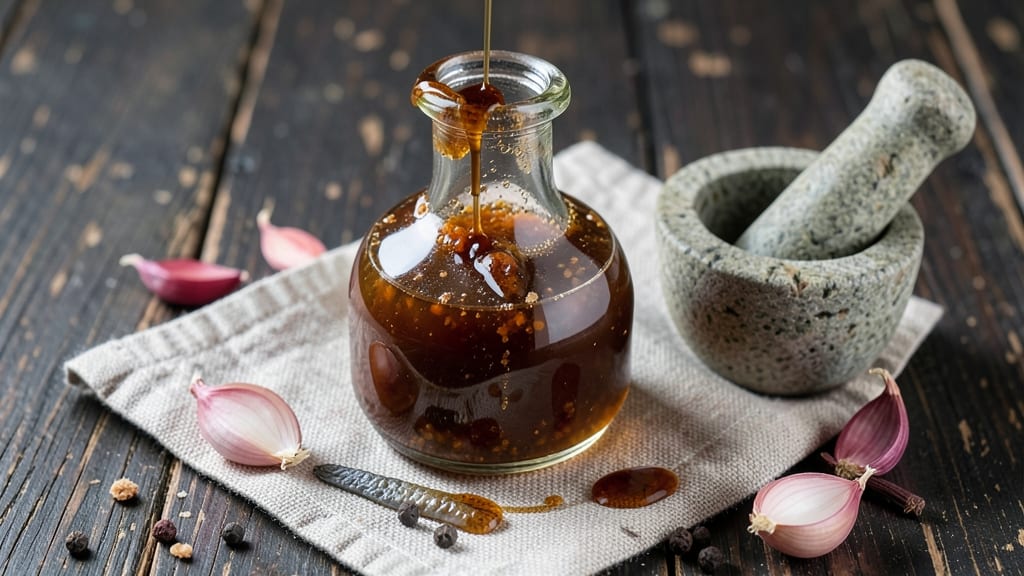
This authentic Worcestershire sauce recipe unlocks the complex umami depth that makes it a kitchen staple—savory, tangy, and briny all at once. The secret lies in fermented tamarind and anchovies, which build layers of flavor over time, though modern shortcuts like fish sauce can streamline the process.
I've perfected this version after years of testing, balancing tradition with practicality for home cooks.
What sets this sauce apart is the careful ratio of vinegar, molasses, and spices, which create that signature balance of sweet, sour, and funky.
The fermentation step (or its shortcut) transforms simple ingredients into something far more complex—think of it as a liquid seasoning that elevates everything from Bloody Marys to stir-fries. The result is a sauce that tastes like it belongs in a professional kitchen, not just a pantry.
By the end, you'll have a small batch of authentic Worcestershire sauce with the right tang, depth, and just a hint of heat. The molasses adds richness, while the spices—cloves, black pepper, and ginger—tie everything together.
This isn't just a condiment; it's a flavor multiplier that turns ordinary meals into something extraordinary.
Store it in the fridge for up to 6 months, and don't be surprised if it disappears faster than you expect. Whether you're making it from scratch or adapting with shortcuts, the result will be a sauce you reach for time and time again.
Let's get started on this flavor-packed project.
Ingredients for authentic worcestershire sauce
Eleven ingredients transform into a sauce that elevates every dish—fermented depth meets bold spices.
| Ingredient | Amount | Notes |
|---|---|---|
| Fermented Tamarind Paste 🍈 | ½ cup | Or substitute tamarind pulp |
| Anchovy Fillets 🐟 | 1 oz | High-quality, rinsed clean |
| Apple Cider Vinegar 🍎 | 1 cup | Raw, unfiltered preferred |
| Molasses 🍯 | ½ cup | Unsulphured for best flavor |
| Light Brown Sugar 🍚 | ½ cup | Packed firmly |
| Garlic Cloves 🧄 | 4 cloves | Peeled and roughly chopped |
| Fresh Ginger Root 🌿 | 1 ½ oz | Peeled and grated finely |
| Cloves 🌶️ | 4 whole | Whole, lightly crushed |
| Black Peppercorns 🌶️ | 2 tsp | Freshly cracked |
| Ground Allspice 🌶️ | ½ tsp | Or 1 whole allspice berry |
| Salt 🧂 | 1 ½ tsp | Diamond Crystal preferred |
| Water 💧 | 1 cup | Filtered for clarity |
The tamarind is non-negotiable for that signature tang—look for blocks at Indian markets or use tamarind pulp if blocks aren't available. Anchovies might seem intimidating, but high-quality fillets from a trusted brand (like Cristal) make all the difference; rinse them well to remove excess salt. For vinegar, raw apple cider vinegar adds subtle fruitiness, but white vinegar works in a pinch. The molasses should be unsulphured—Goya or Brer Rabbit brands are my go-tos for that rich, caramel-like depth. Ginger and garlic? Fresh is essential—nothing beats the aromatic punch of freshly grated ginger and minced garlic, though pre-minced garlic in tubes is a decent shortcut.
No tamarind? Lemon juice plus a pinch of citric acid mimics the tang, though it won't replicate the full complexity. Short on anchovies? Fish sauce at half the amount (about 0.5 tsp) adds umami, but the sauce will taste more modern than traditional. The spices—cloves, black pepper, and allspice—are where the magic happens. Toast the whole spices lightly in a dry pan before grinding for deeper flavor, but pre-ground works if you're in a hurry. For the sugar, brown sugar adds molasses-like notes, but white sugar plus 1 tsp molasses gets you close. The water can be swapped for weak black tea (like Earl Grey) for an extra layer of sophistication.
This sauce improves with age—ferment for 2-4 weeks in the fridge for maximum depth, but it's drinkable after 24 hours. Store in a sterilized glass jar with a tight seal, and it'll keep for up to 6 months in the fridge. The flavor concentrates over time, so shake well before each use. I always make a double batch—one to ferment long-term and one to use immediately for cooking. The anchovies dissolve completely, so don't worry about texture; just strain if you prefer a smoother sauce.
Why You'll Love This Recipe
- Pantry Magic: I swear by this recipe because it uses stuff I already have—no special shopping trips. That fermented tamarind paste? It’s the secret weapon, but if you can’t find it, I’ll show you how to substitute with vinegar and a little patience. The rest? Vinegar, molasses, and anchovies—all things that sit in my cupboard waiting for their moment.
- Umami Bomb: Between us, this sauce is ridiculously good. The anchovies and tamarind paste give it that deep, savory punch you’d pay $8 for in a store bottle, but better. I drizzle it on grilled meats, toss it into marinades, and even stir it into soups—every time, it’s the star.
- Weeknight Workhorse: Honestly, this is my go-to for quick meals. A splash in stir-fries, a glaze for roasted veggies, or even a dip for fries—it’s that versatile. And because it keeps for months in the fridge, I make a big batch and forget about it until I need that instant flavor boost.
- Budget Stretch: Molasses and vinegar are cheap, and a few anchovies go a long way. I’ve made gallons of this for under $10, and it lasts forever. No more buying tiny bottles of store-bought sauce that never quite hits the mark—this is my secret for flavor without the price tag.
Step-by-step instructions for authentic tamarind-based Worcestershire sauce
Here's how to craft a rich, complex sauce that captures the essence of traditional Worcestershire.
Prepare the Anchovy and Aromatic Base
In a medium saucepan, combine the 1 oz anchovy fillets, 4 cloves garlic cloves, 1.5 oz fresh ginger root, 4 whole cloves, and 2 tsp black peppercorns. I like to use a mortar and pestle first to lightly crush the peppercorns and cloves—this releases their essential oils and deepens the flavor. Add the anchovies and aromatics to the pan and cook over medium-low heat for 5 minutes, stirring constantly until the anchovies dissolve completely and the mixture becomes fragrant.
The key here is patience—rushing will burn the delicate anchovy flavor. You'll know it's ready when the mixture smells intensely savory with hints of garlic and ginger. Remove the pan from heat and let it cool slightly before proceeding. This step builds the umami foundation that defines Worcestershire sauce.
Combine Wet Ingredients and Simmer
Return the pan to medium heat and add the 0.5 cup fermented tamarind paste, 1 cup apple cider vinegar, 0.5 cup molasses, 0.5 cup light brown sugar, 0.5 tsp ground allspice, and 1.5 tsp salt. Stir vigorously to dissolve the sugar completely—you should see a smooth, syrupy mixture forming. Bring everything to a gentle simmer, then reduce heat to low and let it cook uncovered for 20 minutes, stirring occasionally.
During this time, the molasses and sugar will caramelize slightly, adding depth of flavor. You'll notice the sauce darkening and developing a rich, complex aroma. If it starts to thicken too much, add 1 cup water to maintain the proper consistency. The sauce should reduce but remain pourable—this balance is crucial for authentic texture.
Strain and Bottle for Maturation
Once the sauce has simmered for 20 minutes, remove it from heat and let it cool completely. Then, strain it through a fine-mesh sieve into a clean glass jar or bottle, pressing gently on the solids to extract all the flavor. I find that using a cheesecloth-lined sieve captures even the finest particles, resulting in a smoother sauce.
This strained version is your final product, but for maximum authenticity, let it mature in a cool, dark place for at least 2 weeks before using. The flavors will meld and deepen during this time, developing that signature Worcestershire complexity. For immediate use, it's still delicious but will continue to improve with age.
Test and Adjust for Perfect Balance
Taste your sauce and adjust the seasoning if needed. If it needs more acidity, add a splash of apple cider vinegar. For additional sweetness, stir in a touch more molasses. The sauce should have a perfect balance of tangy, sweet, umami, and spicy notes—each component should be identifiable but harmonious.
For best results, store in an airtight container in the refrigerator for up to 3 months. This homemade version will have a much more vibrant flavor profile than store-bought, with layers of complexity from the fermented tamarind and anchovies. Use it to elevate marinades, glazes, or as a finishing sauce for grilled meats and seafood.
Pro Tips For Making Authentic Worcestershire Sauce
- SOAK ANCHOVIES FIRST: Toss those anchovy fillets in warm water for 10 minutes before blending—it softens them and prevents that grainy texture that ruins the sauce. I learned this the hard way after blending dry anchovies and ending up with a chunky mess that no straining could fix.
- SIMMER LOW AND SLOW: After combining everything, keep the heat at a gentle simmer for at least 20 minutes—no rushing. I used to crank it up, and the vinegar would turn harsh instead of mellowing into that deep, balanced flavor. A lid helps, but don’t boil it dry.
- STRAIN TWICE FOR CLARITY: Use a fine-mesh sieve first, then a coffee filter for the final pass if you want that restaurant-quality smoothness. Skipping the second strain leaves behind tiny molasses grit that makes the sauce feel dull. Worth the extra 5 minutes.
- TAMARIND PASTE TEST: Taste your fermented tamarind paste before adding it—if it’s too sour, balance it with a pinch of sugar now, not later. I once used a batch that was over-fermented and ended up with sauce that tasted like vinegar had a baby with lemons. Better to adjust early.
Storing and reheating this authentic worcestershire sauce
Fermentation vs. Quick Use
The longer you ferment this sauce, the deeper the flavors become. For maximum complexity, store it in a sterilized glass jar with a tight seal and let it ferment in the fridge for 2-4 weeks. The tangy, umami notes will evolve beautifully, creating that signature Worcestershire depth.
If you're impatient, though, it's perfectly usable after just 24 hours—though it won't be as rich. I always make a double batch: one to ferment long-term and one to use immediately for cooking. 💫
Refrigerator Storage
Once bottled, your homemade Worcestershire sauce will keep in the fridge for up to 6 months if stored properly. Use a glass jar with an airtight lid to preserve freshness and prevent contamination. The sauce will thicken slightly over time, so give it a good shake before each use.
I like to store mine in a dark cabinet to protect it from light, which can degrade flavor. The longer it sits, the more concentrated the flavors become—almost like a liquid seasoning that gets better with age. ❄️
Freezing for Long-Term Use
If you want to extend its shelf life beyond six months, freezing is a great option. Pour the sauce into freezer-safe glass jars or silicone molds, leaving ½ inch of headspace for expansion. Seal tightly and freeze for up to 12 months.
When ready to use, thaw it in the fridge overnight—never microwave it directly, as this can alter the texture and flavor. The sauce may separate slightly after freezing, so stir vigorously before using.
This method preserves all the complex flavors while keeping it ready for whenever you need a quick flavor boost. 🧊
Reheating and Using
This sauce is best used cold or at room temperature, so no reheating is needed. Simply shake the bottle well before using—especially if it's been stored for a while. Add it to marinades, glazes, or drizzle it over grilled meats and seafood for that authentic Worcestershire kick.
A few drops can also elevate Bloody Marys or stir-fries. If your sauce thickens too much after refrigeration, thin it with a splash of apple cider vinegar or water. The versatility of this sauce makes it a pantry staple worth keeping on hand. 🍽️
Shelf Life Indicators
Watch for signs that your sauce has gone bad: a sour smell beyond the normal tang, mold, or an off flavor. If you notice any of these, it's time to toss it. Properly stored, this homemade sauce should remain safe and delicious for months.
I always date my jars with masking tape so I can keep track of how long it's been stored. The flavor actually improves over time, so don't be afraid to let it sit and develop. Just
Nutrition facts
Frequently asked questions
Can I substitute fish sauce for anchovies in this recipe?
Yes, but expect a more modern flavor profile. Use ½ teaspoon fish sauce instead of the 1 oz anchovies—it provides umami but lacks the fermented complexity. For authenticity, anchovies are ideal, though fish sauce works in a pinch. The sauce will taste slightly different but still delicious.
How do I make tamarind paste if I can't find it?
Soak ½ cup tamarind pulp in ½ cup warm water for 15 minutes, then blend until smooth. Strain through a fine sieve to remove seeds. This homemade paste mimics the fermented version, though store-bought tamarind paste works too. The tangy depth is essential for authentic Worcestershire sauce.
Why does my sauce look cloudy after refrigeration?
Cloudiness is normal and indicates natural fermentation. The sauce will clarify over time, especially after 2-4 weeks of refrigeration. If you prefer a smoother texture, strain it again through cheesecloth before using. The cloudiness doesn't affect flavor—it's just a sign of fermentation at work!
Can I use this sauce in Bloody Marys?
This homemade sauce adds depth to Bloody Marys—use ½ teaspoon per drink. The tangy, umami notes complement vodka and spices beautifully. For extra richness, add a dash of hot sauce or a pinch of celery salt. It's a game-changer for cocktail season!
What's the best way to use up leftover sauce?
Drizzle it over grilled meats, stir into marinades, or mix into stir-fries for instant umami. A few drops elevate Bloody Marys, Caesar dressings, or even deviled eggs. Store leftovers in the fridge for up to 6 months, shaking before each use. The versatility makes it a pantry MVP!