
Sauces & Condiments
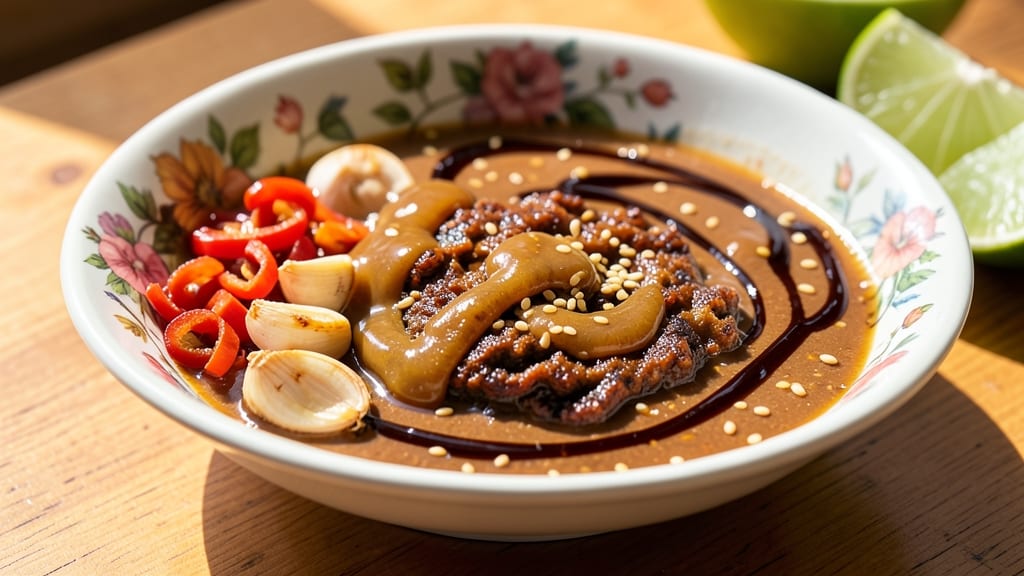
This authentic Vietnamese peanut sauce transforms ordinary dishes into bold, nutty-spiced masterpieces with just a few simple ingredients. The secret lies in balancing rich, toasted peanuts with tangy fish sauce, sweetened caramelization, and a touch of chili heat—creating a sauce that's both complex and foolproof.
I developed this recipe after years of testing, ensuring every spoonful delivers that perfect harmony of salty, sweet, and umami that defines Vietnamese street food flavors.
The foundation starts with crispy peanuts, ground to a fine texture that coats every bite without overpowering. Aromatic garlic and shallots form the base, while fish sauce and lime juice add depth and brightness.
The sauce thickens beautifully when simmered, creating a velvety consistency that clings to noodles, grilled meats, or fresh spring rolls. Unlike many store-bought versions, this recipe skips artificial thickeners, relying instead on natural peanut oil and a touch of sugar for that signature caramelized richness.
What makes this sauce truly special is its versatility—it elevates everything from stir-fries to sandwiches, but its magic shines brightest when drizzled over steaming bowls of pho or banh mi.
The balance of flavors is precise: the peanuts provide creaminess, the fish sauce delivers umami, and the lime keeps it vibrant. Best of all, it keeps well in the fridge for up to a week, so you can make a batch and enjoy it throughout the week without sacrificing freshness.
Whether you're a seasoned home cook or new to Vietnamese flavors, this sauce is your ticket to restaurant-quality results with minimal effort. The technique is straightforward, but the flavor payoff is extraordinary—proof that authenticity doesn’t require complexity.
Let’s get started on this nutty-spiced essential that will become your new kitchen staple.
Ingredients for authentic vietnamese peanut sauce
Crispy peanuts, aromatic garlic, and tangy fish sauce create this restaurant-style sauce.
| Ingredient | Amount | Notes |
|---|---|---|
| Dry Roasted Peanuts 🥜 | 1 ½ cups | Unsalted, crushed to fine powder |
| Natural Peanut Butter 🥜 | ½ cup | Creamy, unsweetened variety |
| Garlic Cloves 🧄 | 6 cloves | Minced for aromatic base |
| Shallots 🧅 | 3 whole | Finely diced, not minced |
| Fish Sauce 🍶 | 2 tbsp | Red Boat brand preferred |
| Lime Juice 🍋 | 2 tbsp | Freshly squeezed, no pulp |
| Granulated Sugar 🍚 | 2 tbsp | White or brown preferred |
| Chili Garlic Sauce 🌶️ | 1 tbsp | Korean or Vietnamese variety |
| Extra-Virgin Olive Oil 🫒 | ¼ cup | For simmering aromatics |
| Water 💧 | ½ cup | For adjusting consistency |
The peanuts are the star—Red Boat peanuts from Asian markets have the best flavor, but any unsalted dry-roasted variety works. Toast them in a dry pan until golden and fragrant before crushing. Trader Joe's carries a great pre-crushed version if you're short on time, but fresh-toasted makes all the difference. For the peanut butter, Smucker's Natural is my go-to—no additives, just peanuts and a touch of salt. The fish sauce is non-negotiable for authenticity; Red Boat is the gold standard, but any reputable brand with clean ingredients will work. Look for one with minimal additives—it should smell intensely fishy and salty, not sweet or artificial.
No peanut butter? Crushed peanuts plus 1 tbsp peanut oil works in a pinch. Shallots too strong? Substitute with 4 green onions, but they won't have the same depth. The chili garlic sauce can be swapped for Sriracha plus 1/4 tsp cayenne, though you'll lose some of that fermented funk. For a sweeter version, honey or maple syrup can replace sugar, but the caramelization won't be as rich. Fresh lime juice is ideal, but bottled works if you've got ReaLime—it's bright and consistent. The olive oil adds richness during cooking, but you can use peanut oil for a more authentic flavor profile.
This sauce thickens as it cools, so start with 0.5 cup water and adjust as needed. Store in an airtight jar in the fridge for up to 1 week, or freeze for 3 months in ice cube trays for single-use portions. The flavor actually improves after a day as everything melds. For extra richness, stir in 1 tsp peanut oil before serving. It's magical on everything from pho to grilled chicken—just drizzle and devour.
Why You'll Love This Recipe
- No-Fuss Pantry Magic: I swear by this sauce because it lives in my cupboard—no special shopping trips, just peanuts, peanut butter, and pantry staples you already own. The moment I minced garlic and shallots in one pot, then tossed in fish sauce? That’s when I knew it’d be my new shortcut.
- Umami Bomb Combo: Between us, the fish sauce and roasted peanuts are a flavor marriage made in heaven. The garlic and shallots caramelize just enough to give it depth, while the peanut butter keeps it rich but never heavy—like a warm hug in sauce form.
- Dips, Glazes, Sauce: This isn’t just for noodles. I’ve drizzled it over grilled chicken, tossed it with rice paper rolls, and even used it as a quick marinade. Honestly, the versatility is why I keep making it—it’s my secret weapon for turning simple meals into something special.
- Makes Leftovers Worth It: A batch lasts me a week if I’m smart, and it only gets better as the flavors meld. I’ll be real: the second day is when it truly shines, especially when I reheat it with a splash of water to loosen it up. Budget-friendly? Absolutely. Waste-free? Even better.
Step-by-step instructions for authentic Vietnamese peanut sauce
Here's how to craft this bold, nutty-sweet sauce that's the soul of Vietnamese street food.
Toast and Grind the Peanuts
First, I dry-toast the 1.5 cups dry roasted peanuts in a skillet over medium heat for about 3-4 minutes until they're fragrant and just beginning to darken. This step deepens their flavor and removes any raw taste. Watch them closely—they'll darken quickly, so remove them immediately when they smell nutty and aromatic.
Transfer the toasted peanuts to a food processor and pulse until you achieve a fine powder, similar to flour consistency. This texture is crucial—it ensures your sauce blends smoothly without graininess. I like to scrape down the sides every 30 seconds to help with even grinding. Set the peanut powder aside for now.
Sauté Aromatics in Olive Oil
In the same skillet (no need to clean it—the peanut oils add flavor), heat 0.25 cup extra-virgin olive oil over medium heat. Add the 3 whole shallots and 6 cloves garlic cloves that you've minced, cooking for 4-5 minutes until the shallots turn translucent and the garlic becomes fragrant but doesn't brown. This foundational step builds the sauce's depth.
Here's the thing—don't rush this step. The aromatics should cook until they're soft but still vibrant, not crispy. If they start to brown, you've gone too far. The oil should be shimmering but not smoking. This is where the authentic flavor develops, so take your time.
Combine Wet Ingredients
Reduce the heat to low and add the 2 tbsp fish sauce, 2 tbsp lime juice, 2 tbsp granulated sugar, and 1 tbsp chili garlic sauce to the skillet. Stir constantly for 2-3 minutes until the mixture begins to thicken slightly and the sugar dissolves completely. This combination creates the perfect balance of salty, tangy, sweet, and spicy flavors that define Vietnamese peanut sauce.
I like to taste the mixture at this stage to check the balance. It should be tangy from the lime, slightly sweet from the sugar, and have a deep umami punch from the fish sauce. If it's too acidic, add a pinch more sugar. If it's too sweet, add a splash more lime juice. This is where you fine-tune the flavor profile.
Blend the Sauce
Transfer the aromatic mixture to the food processor along with the 0.5 cup natural peanut butter. Process for 30-45 seconds until completely smooth. With the processor running, slowly drizzle in the 0.5 cup water until you achieve a thick, pourable consistency—like heavy cream but still able to coat the back of a spoon.
This is the moment that matters: the sauce should be velvety smooth with no lumps. If it's too thick, add more water 1 tablespoon at a time. If it's too thin, process for another 10-15 seconds to help it thicken naturally. The texture should be perfect for tossing with noodles or drizzling over stir-fries.
Adjust and Serve
Return the blended sauce to the skillet and warm through over low heat for 2-3 minutes. Taste and adjust the seasoning—you might need a touch more fish sauce for saltiness, lime juice for acidity, or sugar to balance the flavors. This sauce should be complex: nutty from the peanuts, aromatic from the shallots and garlic, with a perfect balance of sweet, spicy, and umami.
For the best results, use the sauce immediately over stir-fried noodles, grilled meats, or fresh spring rolls. The heat will help the flavors meld perfectly. If you need to store it, keep it in an airtight container in the refrigerator for up to 5 days, but I promise you'll use it all up before then—it's that good.
Pro Tips For Making Authentic Vietnamese Peanut Sauce
- TOAST PEANUTS UNTIL FRAGRANT: I learned this the hard way—skipping the toast can make your sauce taste flat. Dry roast the peanuts in a pan over medium-low heat for 5-7 minutes, stirring constantly, until they’re golden and smell like a street vendor’s cart. Stop just before they burn—you want aroma, not smoke.
- MINCE SHALLOTS FINE, NOT CHOPPED: I was skeptical until I tried it: Vietnamese peanut sauce relies on tiny, even shallot pieces that dissolve into silkiness. Use a knife to press and mince (not chop) them into a paste—think rice grains, not confetti. This prevents gritty texture and lets the flavor bloom properly.
- LOW AND SLOW FOR THE SAUCE: After burning three batches, I finally figured out: simmer the sauce on low heat. Once you add peanut butter and fish sauce, crank the heat to medium just until it melts, then drop to the lowest setting. Too much heat = separated sauce. Too little? It’ll never emulsify. Find that sweet spot.
- USE WARM PEANUT BUTTER: Cold peanut butter clumps like a stubborn lump. Microwave yours for 10-15 seconds to soften it first—just enough to stir smoothly into the pan. This ensures a velvety, lump-free sauce without overcooking the garlic or shallots. (Yes, even if you’re impatient like me.)
Wine and beer pairings for authentic vietnamese peanut sauce
Light Vietnamese Beers
A crisp, light Vietnamese lager like Bia Saigon or 333 is my go-to pairing—these beers have a clean, slightly malty profile that complements the sauce's nutty richness without overpowering it. The subtle hop bitterness cuts through the peanut's creaminess, while the light body lets the sauce's complex flavors shine.
Serve chilled to enhance the refreshing contrast with the sauce's warmth. 🍺
Citrusy Vietnamese Wines
For wine lovers, a Vietnamese white wine like Bia Rượu Trắng Đà Lạt (a local white wine from the highlands) or a crisp Sauvignon Blanc with citrus notes works beautifully. The acidity in these wines mirrors the lime in the sauce, while their floral aromas harmonize with the peanut's nuttiness.
A chilled glass of Pinot Grigio also pairs well, especially when serving the sauce with grilled meats or spring rolls.
Spicy Rum Cocktails
If you're feeling adventurous, a Vietnamese-inspired rum cocktail like a Peanut Butter Rum Punch (mix 2 oz coconut rum, 1 oz peanut butter syrup, and 1 oz lime juice) can be a fun twist.
The rum’s sweetness enhances the sauce's caramelized notes, while the lime ties into the sauce's tangy profile. Serve over crushed ice for a refreshing sip alongside your dish.
Non-Alcoholic Options
For a non-alcoholic match, try a Vietnamese-style iced tea made with jasmine green tea, lemon juice, and a touch of honey. The floral notes of the tea complement the peanut sauce's depth, while the lemon adds a bright contrast.
Alternatively, a ginger beer with a hint of lime can cleanse the palate between bites of rich, peanut-laden dishes.
Pairing with Spicy Dishes
If your dish includes heat (like chili garlic sauce), balance it with a sweet, effervescent drink. A lychee soda or mango lassi adds a cooling sweetness that contrasts beautifully with the spice.
For beer lovers, a Vietnamese-style hoppy IPA (like Bia Hơi) can stand up to the heat while enhancing the peanut sauce's nutty depth.
Nutrition facts
Frequently asked questions
Can I make this sauce without a food processor?
Yes! For a smoother texture, grind the toasted peanuts into a fine powder using a mortar and pestle or blender, then whisk the peanut butter into the wet ingredients thoroughly. If you don't have peanut butter, blend 1 cup crushed peanuts with 2 tbsp peanut oil to mimic the creaminess. The sauce will be slightly grainier but still delicious.
How spicy should the sauce be? Can I adjust it?
The recipe includes 1 tbsp chili garlic sauce for mild heat. For more spice, add ½ tsp cayenne pepper or an extra 1 tbsp chili sauce. For less heat, reduce the chili sauce to ½ tbsp or omit it entirely. Taste as you go—Vietnamese peanut sauce balances sweet, salty, and spicy, so adjust gradually.
What’s the best way to store leftover sauce?
Transfer the sauce to an airtight container and refrigerate for up to 5 days. The flavors deepen over time! For longer storage, freeze in 1-tbsp portions (ice cube trays work great). Thaw overnight in the fridge before using. Pro tip: Stir in 1 tsp peanut oil before serving to restore richness.
Can I use this sauce in cold dishes?
This sauce works beautifully on summer rolls, fresh spring rolls, or as a dip for crudités. For cold applications, chill the sauce for 30 minutes to thicken slightly. Add 1 tsp lime juice before serving to brighten the flavors. It’s also fantastic on cucumber salad or as a marinade for cold cuts.
Why did my sauce separate? How do I fix it?
Separation usually happens if the sauce cools too quickly. Reheat gently on low heat while whisking or blending until smooth. If it’s too thick, thin with 1 tsp water at a time. For extra stability, stir in ½ tsp xanthan gum (optional). The sauce should coat the back of a spoon without being gluey.