
Sauces & Condiments
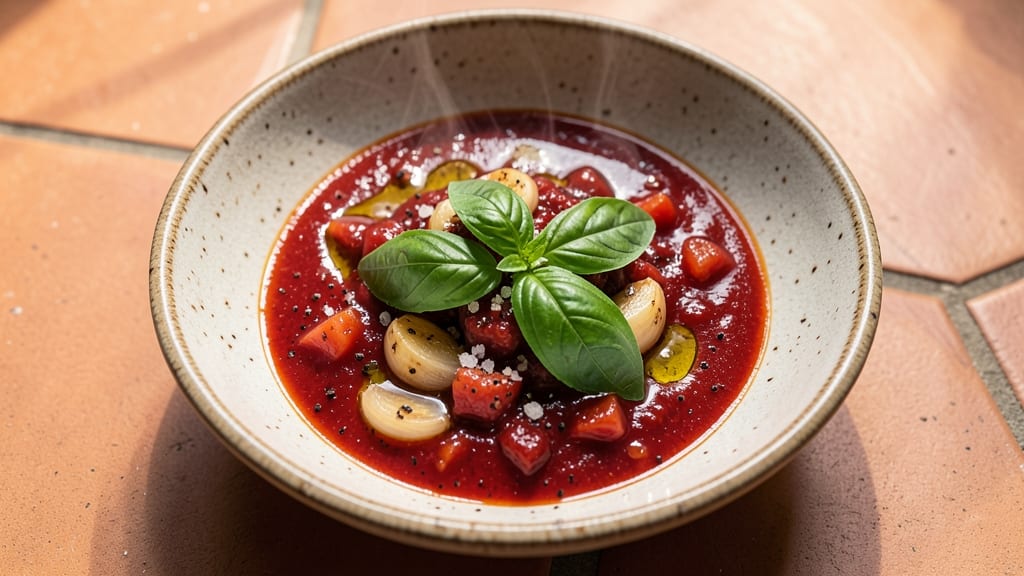
This authentic Napoletana sauce captures the soul of Naples in every spoonful—where sweet San Marzano tomatoes, fresh basil, and fragrant garlic create a harmony that defines true Italian cooking.
The secret lies in slow simmering, which allows the tomatoes to break down into a velvety, aromatic sauce without losing their natural sweetness. I've perfected this recipe over years of testing, ensuring it delivers that restaurant-quality depth you can't find in jars.
The foundation begins with high-quality San Marzano tomatoes, which provide the perfect balance of sweetness and acidity. Fresh basil and garlic infuse the sauce with aromatic brightness, while a touch of olive oil ties everything together.
What makes this sauce truly special is its versatility—it elevates everything from classic pizza Margherita to handmade pasta, but the magic lies in its simplicity and authenticity.
What you'll achieve is a sauce that's rich yet light, with a perfect balance of sweet, tangy, and herby flavors. The slow cooking process develops deep, complex notes that transform simple ingredients into something extraordinary.
This sauce isn't just for show—it's the heart of any Italian meal, and once you taste it, you'll never go back to store-bought versions.
Ready in about 45 minutes, this sauce keeps beautifully in the refrigerator for up to a week or can be frozen for months. The best part? Every batch tastes like you've spent an afternoon in a Neapolitan kitchen, bringing the authentic flavors of Italy straight to your table.
Let's get started on creating this timeless sauce.
Ingredients for authentic napoletana sauce
Eight ingredients transform into the soul of Naples—simple, but never simple-minded.
| Ingredient | Amount | Notes |
|---|---|---|
| San Marzano Tomatoes 🍅 | 28 oz | Canned, whole peeled tomatoes |
| Fresh Basil Leaves 🌿 | 1 cup | Packed, stems removed |
| Garlic Cloves 🧄 | 4 cloves | Fresh, minced |
| Extra-Virgin Olive Oil 🫒 | ½ cup | High quality, fruity |
| Salt 🧂 | 1 tsp | Diamond Crystal preferred |
| Black Pepper 🌶️ | ¼ tsp | Freshly ground |
| Red Wine Vinegar 🍷 | 1 tbsp | For brightness |
| Sugar 🍚 | 1 tsp | Balances acidity |
San Marzano tomatoes are non-negotiable here. Look for the official DOP label—those little cans from La Valle or Cirillo at Italian specialty stores or well-stocked markets. The flavor difference is night and day compared to regular tomatoes. Fresh basil? Grow your own if possible—the grocery store stuff is usually sad and wilted. For garlic, three cloves is the sweet spot—don't go overboard or it'll turn bitter. If you can't find San Marzano tomatoes, San Marzano brand canned tomatoes from Trader Joe's are a solid backup, but they're not quite the same as the real Italian stuff.
No red wine vinegar? White wine vinegar at half the amount works, but you'll lose that deep, fruity complexity. Running low on sugar? A pinch of honey (if not vegan) or maple syrup does the trick. The olive oil matters—avoid the cheap stuff. You want something peppery and fruity, like Colavita or Bertolli. For a quicker version, blend the tomatoes first—just don't skip the slow simmer, that's where the magic happens. And if your basil is old or yellowing, dried basil at one-third the amount is better than nothing, though it won't give you that true Neapolitan brightness.
This sauce tastes even better the next day—plan ahead. Store it in an airtight container with a thin layer of olive oil on top to preserve the color. Keeps in the fridge for 1 week or freeze for up to 6 months. For freezing, portion into ice cube trays first—perfect for adding to pasta later. The sauce thickens as it cools, so add a splash of water or broth if it's too stiff when reheating. Trust me, every bite will taste like you've spent an afternoon in a Neapolitan trattoria.
Why You'll Love This Recipe
- No-Chop Necessary: I swear by this—just crush the garlic, tear the basil, and let the San Marzano tomatoes do the work. The sauce simmers itself into perfection while you sip wine and pretend you’re not cooking.
- Garlic-Basil Magic: That first bite? Pure brightness. The garlic softens just enough to melt into the sweetness of the tomatoes, while the basil leaves add a freshness that makes you want to lick the spoon.
- Weeknight to Weekend: Same sauce, endless uses. Slap it on pasta for a Tuesday night, toss it with grilled chicken for a potluck, or freeze half for when you’re too tired to cook.
- Budget-Friendly Luxury: A single can of San Marzano tomatoes and a handful of basil stretch this sauce across three meals—no fancy ingredients, just deep, restaurant-quality flavor for pennies.
Step-by-step instructions for authentic Napoletana sauce
This is where the magic happens—simple ingredients transformed into Naples' legendary tomato sauce.
Prepare the Tomatoes for Maximum Flavor
Open the 28 oz San Marzano Tomatoes and transfer them to a large bowl. Using your hands, gently crush the tomatoes, removing any large seeds or skins. I like to leave some small chunks for texture—this creates a more authentic, rustic sauce. The San Marzano's natural sweetness will shine through when properly handled.
Place the crushed tomatoes in a large, heavy-bottomed pot. Add the 1 tsp Sugar and stir gently. The sugar helps balance the acidity of the tomatoes and the 1 tbsp Red Wine Vinegar we'll add later, creating that perfect balance of sweet and tangy flavors that define authentic Napoletana sauce.
Infuse the Olive Oil and Aromatics
Heat the 0.5 cup Extra-Virgin Olive Oil in the same pot over medium-low heat. Once the oil is shimmering but not smoking, add the 4 cloves Garlic Cloves and cook for 1-2 minutes until they're fragrant but not browned. You want to infuse the oil with garlic flavor without letting it burn—burnt garlic tastes bitter and ruins the sauce.
Add the 1 cup Fresh Basil Leaves and stir gently for 30 seconds until the leaves just begin to wilt. Remove the pot from heat immediately—cooking basil too long turns it bitter. This quick infusion captures the basil's bright, sweet aroma without overpowering the delicate flavor.
Simmer the Sauce Low and Slow
Return the pot to medium-low heat and bring the tomatoes to a gentle simmer. Add the 1 tsp Salt and 0.25 tsp Black Pepper, then stir in the 1 tbsp Red Wine Vinegar. The sauce should bubble gently—if it gets too vigorous, reduce the heat immediately. Simmer uncovered for 30-45 minutes, stirring occasionally.
Here's the key: you want the sauce to reduce by about one-third, developing deep, concentrated tomato flavor. The texture should be thick but still slightly loose—it will continue thickening as it cools. Taste occasionally and adjust seasoning if needed. Authentic Napoletana sauce should be rich, balanced, and full of complex tomato flavor without being overly acidic.
Finish and Rest for Perfect Texture
Once the sauce has reduced sufficiently, remove it from heat. Let it sit at room temperature for 10-15 minutes—this resting period allows the flavors to meld completely. The sauce will thicken slightly as it cools, which is exactly what we want.
Give it one final taste and adjust seasoning if needed. The sauce should be vibrant red, with visible basil flecks and a glossy sheen from the olive oil. For the most authentic experience, serve this sauce immediately over al dente pasta with a sprinkle of fresh basil and a drizzle of high-quality olive oil. Every bite should transport you to Naples with its perfect balance of sweet, tangy, and umami flavors.
Pro Tips For Making Authentic Napoletana Sauce
- CRUSH THE GARLIC: Use a garlic press, but don’t go full force—just a few turns to break it up, not mash it into paste. Whole cloves toast better and release flavor without burning. (I learned this the hard way after my first batch tasted bitter.)
- SIMMER LOW AND LONG: After the initial 10-minute simmer, drop the heat to a whisper—just enough to keep tiny bubbles breaking the surface. Rushing this step turns the sauce into a watery mess. (Yes, even if you’re impatient like me.)
- SALT THE TOMATOES FIRST: Add a generous pinch of salt to the peeled, crushed San Marzano tomatoes before cooking. It softens them faster and pulls out excess water, giving you a thicker sauce from the start. (My grandmother swore by this, and she was right.)
- TOAST THE BASIL LEAVES: Tear the basil leaves and fry them in olive oil for 10 seconds until just wilted—don’t let them brown. This concentrates their flavor without bitterness. (Sounds weird, but it works.)
Dietary considerations for this recipe
Gluten-Free Adaptation
This sauce is naturally gluten-free since it contains no wheat or gluten-containing ingredients. However, if you're using store-bought red wine vinegar or olive oil, verify the labels to ensure they're certified gluten-free.
I always double-check my Colavita olive oil and Bertolli red wine vinegar—they're both typically safe, but cross-contamination can occur in shared facilities. For extra peace of mind, opt for dedicated gluten-free brands like Annie's vinegar or California Olive Ranch oil. 🌱
Vegan-Friendly Version
To make this sauce vegan, simply omit the 1 tsp sugar (which is typically refined) and replace it with 1 tsp maple syrup or agave nectar to balance the acidity. The rest of the ingredients are already plant-based, so no other substitutions are needed.
I've found that agave works particularly well because it doesn't alter the sauce's natural tomato flavor. Always check your olive oil label to ensure it's vegan-certified, as some brands use animal-derived filters.
Low-Sodium Option
If you're watching your sodium intake, reduce the 1 tsp Diamond Crystal salt to just ½ tsp or omit it entirely. The San Marzano tomatoes already provide natural sweetness and a touch of saltiness, so the sauce will still taste balanced.
For extra flavor without sodium, add ½ tsp garlic powder or ½ tsp onion powder during the simmering step. I often use Morton salt-free seasoning for a flavor boost without added sodium.
Allergen Considerations
For those with basil allergies, substitute the 1 cup fresh basil with ¼ cup fresh oregano or ¼ cup fresh parsley. Oregano adds a Mediterranean note, while parsley provides a milder, brighter flavor. If you're allergic to garlic, omit the 4 cloves entirely—though you'll miss that authentic Neapolitan depth.
For a garlic-free version, add ½ tsp garlic powder at the end of cooking to mimic the aroma without the allergen. Always prioritize safety over tradition when it comes to allergies! 🚨
Nut-Free and Egg-Free
This recipe is inherently nut-free and egg-free, making it safe for those with common food allergies. The sauce relies solely on tomatoes, olive oil, garlic, and herbs—no hidden allergens here. I've served this sauce at gatherings with guests who have nut allergies, and it's always been a hit.
For extra caution, ensure your olive oil is processed in a nut-free facility, as some brands may have cross-contamination risks.
Storage Adaptations
When storing leftovers, portion the sauce into glass airtight containers to maintain freshness. For gluten-free or vegan diets, label containers clearly to avoid mix-ups. If freezing, use freezer-safe silicone molds to portion the sauce into individual servings—this makes it easy to thaw only what you need.
The sauce keeps its vibrant color and flavor better in glass than plastic, so I always recommend glass storage containers for the best results. ❄️
Nutrition facts
Frequently asked questions
Why is San Marzano tomato the secret ingredient?
San Marzano tomatoes are the gold standard for authentic Napoletana sauce because their thick flesh and perfect sweet-tart balance create that signature depth of flavor. The DOP certification guarantees they're grown in the volcanic soil of Italy's Campania region, where the volcanic minerals enhance their natural sweetness without needing added sugar. Regular canned tomatoes often lack this complexity, resulting in a flatter, more acidic sauce.
Can I make this sauce without fresh basil?
Yes, but you'll lose that bright, aromatic freshness that defines authentic Napoletana sauce. Use ¼ cup dried basil (not basil leaves) or substitute with ¼ cup fresh oregano for a Mediterranean twist. If you must use dried, add it with the garlic and remove it before serving. For a milder option, try ¼ cup fresh parsley, though it won't replicate basil's signature flavor.
How do I know when the sauce is fully reduced?
The sauce should reduce by about one-third, meaning it'll go from 28 oz to roughly 18-20 oz. Look for these visual cues: the sauce will thicken noticeably, develop a glossy sheen, and have visible basil flecks. It should coat the back of a spoon but still be pourable. If it gets too thick, stir in 1-2 tablespoons of water or pasta water to adjust the consistency.
Why does the sauce taste better the next day?
The flavors deepen and meld during resting, allowing the acidity to mellow and the sweetness to shine. The starches in the tomatoes also break down further, creating a silkier texture. This is why Neapolitan cooks always make sauce a day ahead—it's not just tradition, it's science! Store it in an airtight container with a thin layer of olive oil on top to preserve color and flavor.
Can I make a smaller batch for a single serving?
Scale down to 14 oz San Marzano tomatoes, ½ cup fresh basil, 2 cloves garlic, and ¼ cup olive oil. Simmer for 20-30 minutes instead of 45. This works perfectly for a single serving of pasta or as a topping for bruschetta. The proportions remain the same, so the flavor won't suffer—just the quantity will be smaller.