
Sauces & Condiments
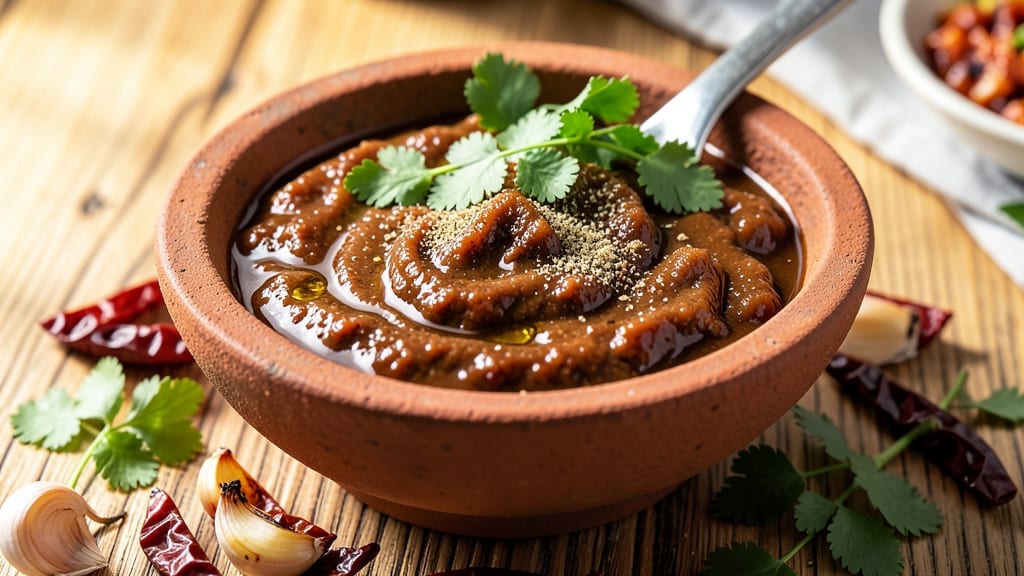
This authentic Mexican adobo sauce recipe transforms simple ingredients into a smoky, complex masterpiece that elevates any dish. The secret lies in balancing dried guajillo chilies, chipotle peppers, and garlic into a velvety sauce that marries sweetness with heat.
I developed this recipe after years of perfecting the balance—just one taste, and you’ll understand why it’s a staple in Mexican kitchens worldwide.
The process begins with soaking the chilies to soften their texture, then blending them with garlic, vinegar, and spices into a smooth paste. Simmering this mixture unlocks deep, smoky flavors that cling to meats like chicken or pork, or brighten roasted vegetables.
What makes this sauce truly special is its versatility—use it as a marinade, cooking sauce, or even a dip, and you’ll taste the difference authenticity makes.
By the end, you’ll have a rich, perfectly balanced sauce that’s tangy, slightly sweet, and packed with smoky depth. The key is patience—letting the flavors meld during simmering ensures every bite delivers restaurant-quality results. This isn’t just a sauce; it’s a flavor experience that transforms ordinary meals into something extraordinary.
Store it in the fridge for up to two weeks or freeze for months, so you always have this authentic flavor on hand. Whether you’re grilling, roasting, or simply drizzling it over tacos, this sauce will become your new kitchen essential. Let’s get started—your taste buds will thank you.
Ingredients for authentic mexican adobo sauce
Nine simple ingredients unlock smoky, complex adobo magic that transforms any dish.
| Ingredient | Amount | Notes |
|---|---|---|
| Dried Guajillo Chilies 🌶️ | 4 whole | Stems and seeds removed |
| Dried Chipotle Peppers in Adobo 🌶️ | 2 whole | From can, patted dry |
| Garlic Cloves 🧄 | 6 cloves | Peeled, roughly chopped |
| White Vinegar 💧 | ½ cup | White or apple cider |
| Extra-Virgin Olive Oil 🫒 | ¼ cup | For richness and balance |
| Ground Cumin 🌿 | 1 tbsp | Toasted for depth |
| Ground Coriander 🌿 | 1 tbsp | Freshly ground preferred |
| Cinnamon Stick 🌳 | 1 whole | For warmth, removed later |
| Brown Sugar 🍯 | 1 tbsp | Light or dark, to taste |
| Salt 🧂 | 1 tsp | Kosher or sea salt |
The chilies are the heart of this sauce—guajillo for fruity sweetness and chipotle for smoky heat. Grab them at Mexican markets or the international aisle at Whole Foods. Look for bright, vibrant dried chilies (no dark spots or mold). The adobo sauce from the can is non-negotiable—it adds that authentic smokiness. Soak the guajillo in hot water for 15 minutes to soften, but keep the chipotle in its sauce. Pro tip: Penzeys sells pre-packaged guajillo if you're in a hurry.
No guajillo? Ancho or pasilla chilies work in a pinch (adjust heat to taste). Short on chipotle? Smoked paprika plus a pinch of cayenne mimics the depth. Vinegar matters—white or apple cider both work, but skip balsamic (too sweet). The olive oil should be fruity and high-quality—California extra-virgin is my go-to. Toast your spices in a dry pan for 30 seconds before adding to the sauce—trust me on this. Brown sugar balances heat; if you prefer less sweetness, cut it to 1 tsp.
Simmered sauce keeps for 2 weeks in the fridge, sealed under olive oil. Freezes beautifully for 6 months—portion into ice cube trays for perfect single-use servings. The flavors deepen overnight, so make extra. Store in a glass jar (avoid plastic—it absorbs flavors). If it thickens too much, whisk in a splash of water or vinegar. This sauce is magic on tacos, grilled meats, or even drizzled over roasted veggies—game-changer every time.
Why You'll Love This Recipe
- No-Soaking Needed: I’ll admit—most chili sauces demand hours of soaking, but these dried guajillos and chipotles? Just a quick toast and a splash of vinegar later, and they’re ready. The vinegar cuts through the heat while the garlic sizzles in olive oil, turning stubborn dried peppers into something silky in minutes.
- Smoky-Garlicky Magic: Between us, that first bite where the smoky chipotle meets the bright vinegar and toasted garlic? It’s the kind of flavor that makes you pause mid-bite. The guajillos add depth without overpowering, and the olive oil ties it all together—rich but never greasy.
- Pantry-to-Table Flex: This sauce is my weeknight shortcut for everything: slather it on grilled chicken, toss it with roasted veggies, or drizzle it over eggs. Honestly, I’ve even used it as a marinade for shrimp—just let it sit for 20 minutes, and boom, restaurant-quality flavor with zero effort.
- Budget-Friendly Staple: A single jar of chipotles in adobo and a handful of guajillos stretch across multiple meals. No fancy ingredients, no last-minute grocery runs—just a few pantry basics that keep giving. Plus, the leftovers? They taste even better the next day, especially when reheated with a splash of water.
Step-by-step instructions for authentic Mexican adobo sauce
This smoky, flavorful sauce delivers restaurant-quality depth with simple techniques.
Toast and Rehydrate the Dried Chilies
Heat a dry skillet over medium heat. Add the 4 whole dried guajillo chilies and toast them for 30 seconds per side until they darken slightly and smell fragrant. This step enhances their natural smokiness and removes any bitterness. Be careful not to burn them—they should just warm through, not char.
Immediately transfer the toasted chilies to a heatproof bowl and cover them with the 0.5 cup white vinegar. Let them soak for 15 minutes while you prepare the remaining ingredients. The vinegar will soften the chilies and infuse them with acidity, creating the sauce's signature balance of heat and tang.
Blend the Chilies with Aromatics and Spices
Remove the stems from the soaked guajillo chilies and transfer them to a blender along with the 2 whole dried chipotle peppers in adobo (patted dry), 6 cloves peeled garlic, 1 tbsp ground cumin, 1 tbsp ground coriander, 1 whole cinnamon stick, 1 tbsp brown sugar, and 1 tsp salt. I like to give the mixture a quick pulse first to break up the larger pieces before blending to a smooth paste.
The chipotle peppers add deep smokiness while the cinnamon and brown sugar contribute warmth. Pulse until completely smooth—this ensures no gritty bits remain in your sauce. If the mixture is too thick, add 1-2 tablespoons of vinegar to help it blend properly. The sauce should be thick but pourable at this stage.
Simmer for Smoky Depth
Transfer the blended mixture to a medium saucepan and stir in the 0.25 cup extra-virgin olive oil. Place the pan over medium-low heat and bring to a gentle simmer. Let it cook uncovered for 15-20 minutes, stirring occasionally, until it thickens slightly and the flavors meld together. You'll notice the sauce darken and develop an intense aroma—this is when the magic happens.
Taste the sauce as it simmers and adjust the seasoning if needed. If it's too acidic, add a pinch more brown sugar. If it needs more heat, you can add a pinch of cayenne or a dash of hot sauce. The sauce should be balanced—smoky, slightly sweet, with a lingering warmth from the chilies and spices.
Strain and Finish
Once the sauce has thickened and developed its rich color, remove it from the heat. Strain it through a fine-mesh sieve into a clean bowl or jar, pressing gently on the solids with a spoon to extract all the flavor. This step ensures a smooth texture without any fibrous bits from the chilies or cinnamon stick.
The strained sauce is now ready to use. You can serve it immediately as a dipping sauce for tacos or grilled meats, or store it in an airtight container in the refrigerator for up to 2 weeks. If you prefer a smoother texture, you can blend it again briefly after straining. This authentic adobo sauce delivers the perfect balance of smoky, spicy, and slightly sweet flavors that define Mexican cuisine.
Pro Tips For Making Authentic Mexican Adobo Sauce
- STEAM THE CHILIES: Toss the dried guajillos and chipotles in a bowl with a splash of hot water first—just enough to soften their skins for 10 minutes. I learned this the hard way: skipping this step means scraping stubborn skins off later, and nobody wants to deal with that while blending.
- USE THE CHIPOTLE OIL: Drain the chipotle peppers from their adobo sauce and reserve that smoky oil—it’s liquid gold. Stir 1-2 tablespoons into your finished sauce; it cuts the vinegar’s sharpness and adds depth without extra effort. (Yes, even if you’re impatient like me.)
- TOAST THE GARLIC: After removing the stems from your chilies, toss the garlic cloves in the same dry skillet over medium heat for 30 seconds until fragrant. Burnt garlic ruins everything, but lightly toasted garlic makes the sauce taste like it simmered all day. —I know, I know, but trust the process.
- SIEVE THE SEEDS: Before blending, pick out the seeds and veins from the guajillos—yes, even if they’re tiny. I used to skip this, and the sauce always tasted bitter. A fine-mesh sieve takes 30 seconds and guarantees smooth, balanced flavor. (Your future self will thank you.)
Wine and beer pairings for this recipe
White Wine Pairings
For this rich, smoky adobo sauce, I reach for a crisp Mexican white wine like Baja Malvasia—its citrus notes cut through the sauce's depth beautifully. The slight acidity balances the sweetness while enhancing the smoky chipotle flavors.
If you can't find Baja Malvasia, Verdejo from Spain is another fantastic choice with its bright, herbal profile. 🍷
Avoid heavy, oaked whites—they'll clash with the sauce's vibrant acidity. Instead, opt for wines with medium body and high acidity, like Albariño or Chenin Blanc. Serve slightly chilled (45-50°F) to let the wine's freshness complement the sauce's complexity.
Light Beer Options
A Mexican lager like Modelo Especial or Pacífico is my go-to for beer pairings. Their clean, crisp profiles let the sauce's flavors shine without overpowering them. For something with a little more character, try a Mexican-style wheat beer like Tecate—its subtle citrus notes play nicely with the adobo's tang.
If you prefer craft beers, a light Mexican IPA (like Cerveza Flor de Caña) adds a touch of hoppy bitterness that contrasts the sauce's sweetness. Just skip the heavy, dark beers—they'll muddy the sauce's bright, smoky character.
Red Wine for Bold Dishes
When using adobo sauce on heartier dishes like braised meats or grilled steaks, I switch to a light-bodied red like Tempranillo or Garnacha. These wines have enough fruitiness to stand up to the sauce's smokiness without overwhelming it.
A Spanish Rioja is particularly excellent—its earthy notes complement the adobo's depth.
For a bolder option, try a Malbec with lower tannins. The wine's dark fruit flavors will harmonize with the sauce's sweetness, while its acidity keeps the dish feeling fresh. Just avoid heavy, tannic reds like Cabernet Sauvignon—they'll compete with the sauce's complexity.
Non-Alcoholic Pairings
For a refreshing non-alcoholic option, sparkling limeade with a splash of agave syrup mirrors the sauce's brightness. The effervescence cleanses your palate between bites, while the lime keeps the flavors fresh. I also love Mexican horchata—its creamy, cinnamon-infused sweetness balances the adobo's heat beautifully.
For something more savory, try a cucumber-mint infused water with a pinch of salt. The cool, crisp flavors refresh your palate and highlight the sauce's smoky depth. Garnish with a lime wedge for an extra zing that ties everything together. 💧
Nutrition facts
Frequently asked questions
Can I make adobo sauce without fresh guajillo chilies?
Use dried ancho or pasilla chilies as substitutes—they're widely available and work beautifully. Just adjust the heat level by adding 1/4 tsp cayenne if you want more kick. For extra authenticity, toast the dried chilies first to deepen their flavor. The key is using 4-5 dried chilies total to match the original recipe's intensity.
How spicy will this sauce be?
The sauce has a moderate heat level (around 2,500-3,000 Scoville units) from the guajillo and chipotle combo. For milder heat, reduce chipotle to 1 pepper or add 1 extra tbsp brown sugar. If you love spice, keep the original amounts or add 1/2 tsp smoked paprika after simmering. Always taste before serving!
Can I use this sauce as a marinade for seafood?
While adobo sauce works best with pork, chicken, or beef, you can use it for seafood like shrimp or scallops—but with caution. The acidity in vinegar can cook seafood too quickly. For best results, marinate for only 15-20 minutes max, then sear immediately over high heat. Pair with lime juice to enhance freshness.
Why does my sauce look too thin or too thick?
If too thin, simmer uncovered for 5-10 more minutes to reduce. For thickness, blend again briefly or add 1 tsp cornstarch mixed with water. The ideal consistency should coat the back of a spoon but still pour smoothly. Remember: flavors deepen as it cools, so don't rush the simmering time!
How can I use leftover adobo sauce?
Beyond marinades, try it as a dipping sauce for quesadillas, a glaze for roasted vegetables, or even a pizza sauce base. Mix with 1 tbsp honey for a sweet-spicy drizzle over grilled corn. It also freezes perfectly—portion into ice cube trays for single-use servings. The possibilities are endless!