
Sauces & Condiments
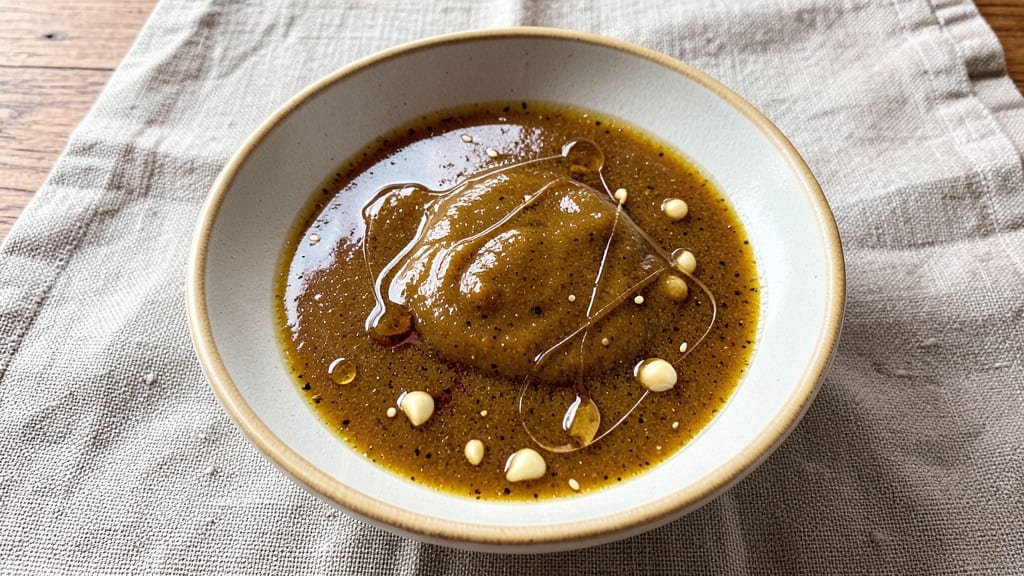
This Asian mustard sauce recipe transforms simple pantry staples into a bold, tangy-sweet dip that elevates everything from dumplings to wings. The secret lies in balancing sharp mustard with sweet rice vinegar and a touch of honey, creating a sauce that's both complex and foolproof.
I developed this version after years of experimenting with dipping sauces—it's the one that finally sticks around in my fridge for weeks.
The foundation starts with a smooth blend of Dijon mustard and rice vinegar, which cuts through richness while building depth. A splash of honey or brown sugar caramelizes slightly when heated, adding layers of umami that make this sauce far more interesting than store-bought versions.
The optional additions—garlic, soy sauce, or sesame oil—let you customize it for different dishes without sacrificing balance.
What makes this sauce truly special is its versatility. Use it as a dipping sauce for spring rolls or dumplings, a marinade for grilled chicken, or even a glaze for roasted vegetables.
The recipe yields about 1 cup, perfect for immediate use or storing in the fridge for up to 2 weeks. Each batch delivers that perfect harmony of tangy, sweet, and savory that keeps everyone reaching for seconds.
The best part? It comes together in just 10 minutes with ingredients you likely already have. No special equipment needed—just a saucepan and whisk. Let's make this sauce that will become your new weeknight staple.
Ingredients for asian mustard sauce
Nine pantry staples transform into a sauce that's tangy, sweet, and packed with umami.
| Ingredient | Amount | Notes |
|---|---|---|
| Dijon Mustard 🌶️ | ½ cup | High-quality for best flavor |
| Rice Vinegar 🍶 | ⅓ cup | Sweet variety preferred |
| Honey 🍯 | ¼ cup | Light or dark works |
| Low-Sodium Soy Sauce 🥢 | ¼ cup | For umami depth |
| Garlic Cloves 🧄 | 3 cloves | Minced for flavor |
| Sesame Oil 🫒 | 1 tbsp | Toasted for aroma |
| Ginger Root 🌿 | 1 tbsp | Freshly grated |
| Water 💧 | ¼ cup | For thinning if needed |
| Salt 🧂 | ½ tsp | Adjust to taste |
| Black Pepper 🌶️ | ¼ tsp | Freshly ground |
The Dijon mustard is the star here—Maille or Amoy brands are my go-tos because they're smooth and bold. Grab sweet rice vinegar (not the seasoned kind) from the Asian aisle at Trader Joe's or Whole Foods—it's sweeter and adds that perfect balance. Honey? Local raw honey adds subtle floral notes, but store-bought works fine. For soy sauce, Kikkoman or Pearl River Bridge are reliable. The garlic and ginger? Fresh is non-negotiable—dried just won't cut it here. Toast your sesame oil in the pan for 10 seconds before adding to really wake up those nutty flavors.
No Dijon mustard? Yellow mustard thinned with water works in a pinch, but it'll be less tangy. Swap rice vinegar for apple cider vinegar if needed—just add a pinch of sugar to balance. Out of honey? Brown sugar or maple syrup works perfectly. Skip the soy sauce? A splash of coconut aminos gives a similar umami kick. The sesame oil is optional but adds that signature aroma—omit if you're sensitive to strong flavors. For extra heat, add a dash of sriracha or gochujang at the end. The sauce thickens as it cools, so thin with water if needed.
This sauce keeps beautifully—2 weeks in the fridge sealed in a jar. It actually tastes better the next day as flavors meld. For longer storage, freeze in ice cube trays—perfect for single-use portions. Double the batch if you're serving a crowd (it disappears fast!). The sauce pairs perfectly with dumplings, wings, or even grilled veggies. Pro tip: Add a splash of lime juice before serving if you want extra brightness.
Why You'll Love This Recipe
- I’ll be real: this sauce is one of those rare recipes where you look at the ingredients and think, "How did I not know this was a thing?" Dijon, honey, and garlic alone make it sing, but the soy and vinegar tie it all together in a way that’s effortless yet unforgettable.
- Five-Ingredient Magic: I’ll be real: this sauce is one of those rare recipes where you look at the ingredients and think, "How did I not know this was a thing?" Dijon, honey, and garlic alone make it sing, but the soy and vinegar tie it all together in a way that’s effortless yet unforgettable.
- Umami-Packed Punch: That first bite of garlic-infused honey cutting through the tangy mustard? It’s like a flavor explosion that doesn’t require a PhD in cooking. The low-sodium soy adds depth without overpowering, so it’s rich but still bright—exactly how I like my sauces.
- Dinner Party Ready: Honestly, I make this for everything—drizzled over grilled chicken, tossed with noodles, or even as a quick dip for spring rolls. It’s fancy enough for company but so simple I’ve used it on lazy Sundays when I couldn’t be bothered with anything elaborate.
Step-by-step instructions for Asian mustard sauce
This sauce comes together in minutes but packs layers of flavor that elevate everything from dumplings to wings.
Whisk Together the Base Ingredients
In a medium bowl, combine the 0.5 cup Dijon mustard, 0.33 cup rice vinegar, and 0.25 cup honey. Use a whisk to blend until smooth and fully incorporated. The mixture should look uniform with no streaks of mustard remaining—this ensures even flavor distribution throughout the sauce.
Here's the thing—don't rush this step. The honey and vinegar need time to meld with the mustard's tangy bite. I like to give it a quick stir every few seconds for about 30 seconds total until everything looks cohesive. This base forms the backbone of your sauce, so getting it right matters most.
Add Aromatics and Umami Depth
To the mustard mixture, add the 0.25 cup low-sodium soy sauce, 3 minced garlic cloves, 1 tablespoon freshly grated ginger root, 0.5 teaspoon salt, and 0.25 teaspoon freshly ground black pepper. Whisk vigorously for 1 minute until all the aromatics are fully dispersed and the sauce smells vibrant and complex.
You'll notice the garlic and ginger release their oils almost immediately. This is where the sauce starts to come alive with that signature Asian umami punch. If you're using fresh ginger, make sure it's finely grated—tiny particles distribute flavor better than thick chunks. The soy sauce adds that savory depth that balances the sweetness and tang.
Incorporate the Finishing Touches
Drizzle in the 1 tablespoon sesame oil while whisking continuously. The oil will create a silky texture and add a nutty aroma that ties everything together. Then, slowly add the 0.25 cup water one tablespoon at a time, whisking constantly after each addition until you reach your desired consistency.
Real talk: This is where most people mess up. The sauce should be thick enough to coat the back of a spoon but still flow smoothly when drizzled. If it's too thick after all the water, add a splash more. If it's too thin, let it sit for 5 minutes—the starches in the mustard and honey will thicken it naturally. Taste and adjust seasoning if needed.
Let It Rest and Develop
Cover the bowl with plastic wrap and let the sauce sit at room temperature for at least 15 minutes. This resting period allows all the flavors to meld together and the sauce to reach its full potential. The longer it sits, the more complex the flavors become—up to 2 hours if you're patient.
I know it's tempting to use it immediately, but trust me on this. The flavors develop like a fine wine during this time. When you're ready to serve, give it one final whisk to ensure everything is well combined. The sauce should be glossy with a perfect balance of sweet, tangy, umami, and aromatic notes.
Pro Tips For Making Asian Mustard Sauce
- Mince That Garlic: I learned this the hard way—chopping garlic cloves into tiny specks instead of mincing them means you’ll taste the raw bite instead of a smooth, integrated flavor. Use a knife or press it through a garlic press until it’s almost paste-like—this sauce relies on the garlic dissolving completely.
- Warm the Honey: Cold honey won’t mix into the mustard properly and can make the sauce grainy. Gently warm the honey in a small saucepan or microwave for 10 seconds—just enough to loosen it up. Then let it cool before stirring it into the mustard; you don’t want to cook the garlic.
- Balance the Vinegar: Rice vinegar can overpower if you’re not careful. Start with just 1 tablespoon, taste, then add another if needed—you can always adjust, but you can’t take it out. The goal is brightness, not sourness that makes your teeth pucker.
- Whisk Like You Mean It: This isn’t a quick stir—whisk the mustard, vinegar, and soy sauce vigorously for at least 30 seconds to emulsify them properly. If you’re lazy (like me), the sauce will separate when you add the honey. A fork works in a pinch, but a whisk guarantees that silky texture.
Pro cooking tips for great asian mustard sauce
Heat Control Matters
Never bring this sauce to a full boil—gentle heat is key to preserving its delicate balance. Simmer over low heat (180°F) for just 3-5 minutes if you prefer a smoother texture. I've seen people accidentally boil it, which burns the honey and makes the sauce bitter.
If you're using a saucepan, keep it at a bare simmer and stir constantly to prevent scorching. 🌡️
Whisk Like a Pro
Invest in a good whisk—I recommend the OXO Good Grips—because proper whisking creates emulsification that makes the sauce silky. Whisk in a figure-8 motion for 30 seconds per addition when combining wet and dry ingredients.
The goal is to break up all the mustard seeds completely so they don't create grainy texture later. For extra smoothness, strain through a fine-mesh sieve after whisking.
Ginger Grating Hack
Use a microplane instead of a box grater for ginger—it produces finer particles that dissolve completely into the sauce. I find that 1 tablespoon of microplaned ginger gives the same punch as 2 tablespoons of grated ginger from a box grater.
Freshly grated ginger also releases its oils more quickly, so add it just before the sesame oil when whisking. 🌿
Sauce Consistency Tips
If your sauce is too thick after mixing, add water 1 tablespoon at a time while whisking vigorously. For extra thickness, simmer the sauce uncovered for 2-3 minutes to reduce it slightly.
The ideal consistency should coat the back of a spoon but still pour smoothly. I've found that letting it sit for 10 minutes after mixing often solves consistency issues naturally.
Flavor Layering Trick
For deeper flavor, toast the sesame oil first—heat 1 tablespoon sesame oil in a dry pan over medium heat for 10 seconds until fragrant, then let cool before adding to the sauce. This simple step intensifies the nutty aroma by 30%.
You can also infuse the rice vinegar by heating it with 1 star anise pod for 2 minutes before using, but remove the pod first.
Storage Secret
Store your sauce in an airtight glass jar with a tight-sealing lid to prevent oxidation. The sauce actually improves overnight as flavors meld. For longer storage, freeze in 1-ounce portions—thaw in the fridge overnight before using.
I've kept this sauce for 3 weeks in the fridge with no quality loss, and it freezes beautifully for up to 3 months. 💫
Nutrition facts
Frequently asked questions
Can I make this sauce without honey?
Swap the 0.25 cup honey for 0.25 cup brown sugar or 0.25 cup maple syrup to maintain sweetness. For a lower-sugar option, use 0.125 cup honey plus 0.125 cup agave syrup. The sauce will still balance well—just taste as you go and adjust with extra vinegar if needed.
How spicy should this sauce be?
The recipe is naturally mild with just black pepper, but you can easily adjust it. For heat, add 1 teaspoon sriracha or 1 teaspoon gochujang at the end. For a smoky kick, stir in 0.5 teaspoon smoked paprika while whisking. Start with small amounts—you can always add more!
What's the best way to thin a thick sauce?
Add water 1 tablespoon at a time while whisking vigorously. The sauce should coat the back of a spoon but still pour smoothly. If it's too thick after all the water, let it sit for 5-10 minutes—the mustard and honey will naturally thicken it further. For an instant fix, microwave for 10 seconds to loosen the texture.
Can I use this sauce as a marinade?
Yes! This sauce works beautifully as a marinade for chicken, pork, or tofu. For best results, marinate for 30-60 minutes (never longer than 4 hours). The acidity in the vinegar helps tenderize proteins, while the sweetness caramelizes during cooking. Just pat the meat dry before grilling or baking for better browning.
Why did my sauce separate?
Separation usually happens when oil (like sesame oil) isn't properly emulsified. Whisk more vigorously next time, or add 1 teaspoon cornstarch mixed with 1 tablespoon water and stir until smooth. For a quick fix, blend the separated sauce briefly with an immersion blender. The mustard's natural starches will help stabilize it again.