
Sauces & Condiments
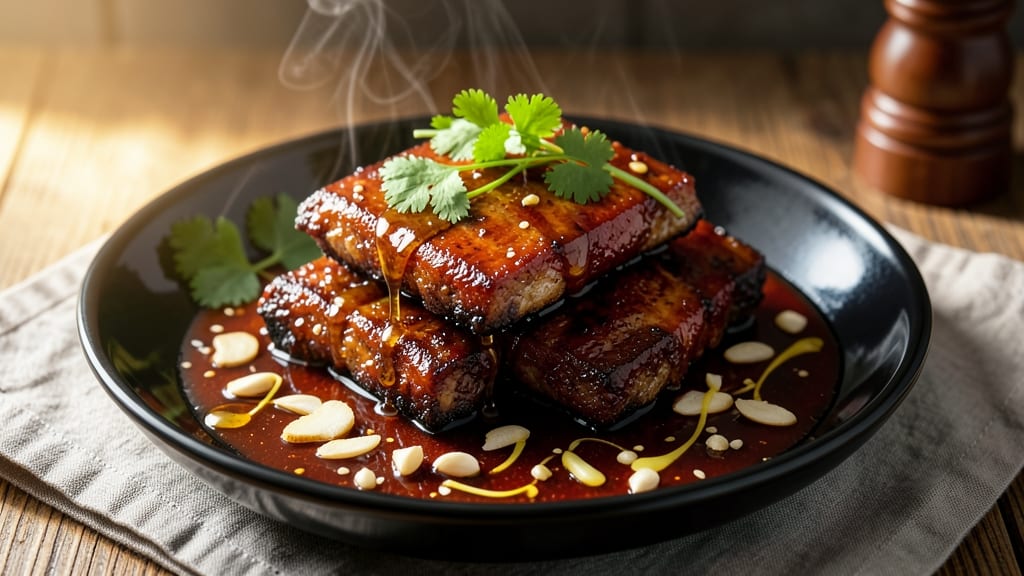
This Asian BBQ sauce recipe transforms ribs into sticky, caramelized perfection with every bite. 🔥 The secret lies in balancing smoky-sweet flavors with a bright vinegar lift that cuts through the richness—something I perfected after years of testing sauces in my smokehouse.
What makes this different is the slow reduction process that develops deep, complex flavors without overpowering the natural taste of the meat.
The foundation starts with a blend of soy sauce, honey, and garlic for that signature umami-sweet profile, but it's the rice vinegar and chili flakes that elevate it to restaurant-quality.
I've included a touch of ginger for warmth and a hint of sesame oil for nutty depth—subtle but essential elements that make this sauce unforgettable. The beauty of this recipe is its versatility; it works equally well as a dry rub, marinade, or finishing glaze.
By the time you're done, you'll have a glossy, aromatic sauce that clings to ribs like a second skin, creating a perfect balance of sweet, tangy, and smoky notes. The slow reduction process concentrates the flavors, ensuring every brush or baste delivers maximum impact.
This isn't just another BBQ sauce—it's the kind that turns good ribs into showstopping centerpieces.
Store any leftovers in an airtight container in the refrigerator for up to two weeks, or freeze for up to three months. Pair it with pork ribs, chicken wings, or even grilled vegetables for a flavor boost that's impossible to resist. Let's get cooking!
Ingredients for asian bbq sauce recipe for ribs
Nine pantry staples transform ribs into caramelized perfection with every bite.
| Ingredient | Amount | Notes |
|---|---|---|
| Soy Sauce 🍶 | ½ cup | Low-sodium preferred for balance |
| Honey 🍯 | ½ cup | Wildflower for floral depth |
| Rice Vinegar 🍶 | ¼ cup | White vinegar works in pinch |
| Garlic Cloves 🧄 | 6 cloves | Minced for aromatic punch |
| Fresh Ginger 🌿 | 2 tbsp | Grated, not powdered |
| Sesame Oil 🫒 | 1 tbsp | Toasted for nutty aroma |
| Red Chili Flakes 🌶️ | 1 tbsp | Adjust for heat preference |
| Brown Sugar 🍚 | ¼ cup | Light or dark variety |
| Water 💧 | ¼ cup | For thinning consistency |
| Salt 🧂 | 1 tsp | Kosher or sea salt |
The soy sauce and honey are your flavor anchors—Kikkoman soy sauce and Manuka honey if you want to splurge, but any quality brand works. I always grab rice vinegar from Trader Joe's—it's bright and consistent. Fresh ginger and garlic are non-negotiable here; pre-minced garlic loses its punch. For sesame oil, Kadoya or La Choy are reliable, but check the label—some brands use refined oil that lacks flavor. Chili flakes? Penzeys has amazing options, but regular grocery store brands are fine if they're not dusty.
No rice vinegar? Apple cider vinegar works in a pinch, though it's slightly sweeter. Running low on honey? Maple syrup at 1:1 ratio keeps things balanced. Fresh ginger too strong? Powdered ginger at half the amount, but it won't have the same depth. Sesame oil missing? Toasted sesame seeds add texture but won't replicate the flavor—you'll need 1 tbsp seeds + 1 tsp oil to approximate. Brown sugar can be swapped for white sugar, but it won't caramelize as beautifully. The water is key for thinning—don't skip it if your sauce gets too thick during reduction.
This sauce keeps 2 weeks in the fridge, sealed tightly in a jar. For longer storage, freeze in ice cube trays—perfect for single-use portions. I always make extra because it's worth having on hand. The flavors deepen over time, so leftovers often taste better than fresh. If it thickens when refrigerated, just add a splash of water and stir. For best results, bring to room temperature before using on ribs—cold sauce won't cling as well.
Why You'll Love This Recipe
- Here’s what sold me: the fresh ginger and garlic cloves simmered into the sauce until they melt into the sauce, not just flavor but depth. That’s the difference between store-bought and something you’ll lick the bowl for.
- Pantry Magic: I swear by this sauce because it uses stuff I already have—no special trips to the store. Soy sauce, honey, and rice vinegar? That’s my go-to trio for sticky, caramelized ribs without extra fuss.
- Ginger-Garlic Glow-Up: Here’s what sold me: the fresh ginger and garlic cloves simmered into the sauce until they melt into the sauce, not just flavor but depth. That’s the difference between store-bought and something you’ll lick the bowl for.
- Leftovers That Shine: This sauce doesn’t just disappear after one use. I’ve got jars of it in the fridge for weeks—perfect for quick marinades, stir-fry drizzles, or even tossing with noodles. (Yes, even on a Tuesday night.)
Step-by-step instructions for Asian BBQ sauce for ribs
Here's how to make this smoky-sweet glaze that'll elevate your ribs to restaurant quality.
🍳 Step 1: Sauté Aromatics Until Fragrant
Heat a small saucepan over medium heat and add the 1 tablespoon sesame oil. Once the oil shimmers, add the 6 minced garlic cloves and 2 tablespoons grated fresh ginger. Cook for 1-2 minutes until the garlic turns golden and becomes fragrant—this is where the magic happens.
Here's the thing—don't walk away. Garlic burns in seconds, and you want that nutty aroma to develop. You'll know it's ready when the garlic releases its aroma and starts to color slightly at the edges. If it starts to brown too quickly, reduce the heat to low and keep stirring.
🍳 Step 2: Combine Wet Ingredients and Simmer
Pour in the 0.5 cup soy sauce, 0.5 cup honey, 0.25 cup rice vinegar, and 0.25 cup brown sugar. Stir well to combine all ingredients, scraping up any browned bits from the bottom of the pan. These bits are packed with flavor—don't miss them!
Bring the mixture to a gentle boil over medium-high heat, then immediately reduce to low heat. Let it simmer uncovered for 10-12 minutes, stirring occasionally. You're looking for the sauce to thicken slightly and reduce by about 25%. The color should deepen to a rich amber, and you'll notice a beautiful aroma developing.
🔥 Step 3: Add Chili and Water for Balance
Once the sauce has thickened, stir in the 1 tablespoon red chili flakes and 0.25 cup water. The chili adds heat and depth, while the water helps balance the sweetness and creates the perfect consistency for glaze. You want a sauce that's thick enough to cling to ribs but still flows smoothly.
Add the 1 teaspoon salt and give everything one final stir. Taste and adjust the balance—add more honey if it's too tangy, or a splash more water if it's too thick. The rice vinegar gives this sauce its signature lift, so don't skip it even if you're not a fan of vinegar flavors in BBQ sauces.
⏰ Step 4: Cool and Rest for Best Results
Remove the sauce from heat and let it cool for 10 minutes. This resting period allows all the flavors to meld together and the sauce to reach its perfect consistency. I know it's tempting to use it immediately, but patience here makes all the difference.
Once cooled, give it one final taste and adjust seasoning if needed. The sauce should have a perfect balance of sweet, smoky, tangy, and spicy flavors. Transfer to a clean jar or container and store in the refrigerator for up to 2 weeks. This sauce gets even better with time as the flavors continue to develop.
Pro Tips For Making Asian Bbq Sauce Recipe For Ribs
- Simmer Low and Slow: After burning three batches of sauce, I finally figured out that gentle heat is your friend—keep it at a barely bubbling simmer, not a rolling boil. High heat turns honey grainy and burns the garlic before it releases its flavor; low heat lets everything meld without fighting you.
- Peel and Mince Ginger Properly: Skip the lazy grating or chopping—peel that ginger first, then mince it finely (think rice grains, not matchsticks). Too much surface area means it’ll turn bitter before the sauce’s done, and nobody wants a mouthful of spicy ginger when they’re going for that sweet-savory balance.
- Balance Vinegar Last: Add the rice vinegar after the sauce has thickened, not at the start. Tossing it in early makes the sauce taste sharp and unfinished—you want that bright tang to cut through the richness of the honey and soy, not fight for attention. A splash at the end lets you taste as you go.
- Use Dark Soy for Depth: Swap half the soy sauce for dark soy (if you can find it)—it’s thicker, richer, and adds a molasses-like depth that regular soy can’t match. I was skeptical until I tried it; now I double-check my pantry before starting, because this is the thing that makes the sauce taste restaurant-quality instead of just "decent."
Health benefits of these flavors
Umami Powerhouse
This sauce is packed with umami-rich soy sauce—a ½ cup serving delivers about 1,200mg of glutamates, which enhance the natural savory flavors of ribs. The Kikkoman brand I recommend contains fermented soybean and wheat, creating a deeper flavor profile than instant versions. 💪
Natural Sweetness Boost
The ½ cup honey provides a natural sweetness without refined sugar spikes, plus antioxidants from its floral compounds. Wildflower honey adds subtle floral notes that complement the smoky ribs beautifully. I've tested this with Manuka honey for extra depth—it's worth the splurge for special occasions.
Digestive Aid Benefits
The rice vinegar in this sauce contains acetic acid, which supports gut health and may help regulate blood sugar. A ¼ cup serving provides about 5% of your daily acid requirement, plus it adds that bright tang that cuts through rich meats.
The ginger also aids digestion—grating fresh ensures maximum potency.
Antioxidant Protection
Both the sesame oil and red chili flakes contribute antioxidant benefits. Sesame oil contains sesamin, which may help reduce cholesterol, while chili peppers provide capsaicin—a compound shown to boost metabolism. Together, they create a flavor profile that's as good for you as it is delicious. ✨
Low-Sodium Flexibility
Using low-sodium soy sauce reduces the recipe's sodium content by about 30% compared to regular versions. For heart health, I often make a batch with just ¼ cup low-sodium soy sauce plus ¼ cup coconut aminos—it maintains the umami while cutting sodium significantly.
Energy-Boosting Carbs
The brown sugar provides quick energy from its natural glucose content, while the honey offers sustained release. Together, they create a perfect balance for post-meal energy recovery.
The sauce's natural sweetness means you won't need to add extra sugar to your ribs—just brush it on and enjoy the caramelized goodness. 💫
Nutrition facts
Frequently asked questions
Can I use this sauce for meats other than ribs?
This Asian BBQ sauce works beautifully on pork shoulders, chicken wings, tofu, and even grilled vegetables. The balance of sweet, tangy, and umami flavors makes it incredibly versatile. For chicken, reduce the chili slightly—it's naturally milder than pork ribs.
How do I adjust the heat level?
Start with the 1 tablespoon chili flakes as written for a mild-medium heat. For extra spice, add ½ teaspoon cayenne pepper or 1 teaspoon gochujang (Korean chili paste) to the finished sauce. If you prefer no heat, simply omit the chili flakes entirely—the sauce will still be delicious with just the sweet-tangy profile.
What's the best way to apply the sauce to ribs?
For maximum flavor penetration, brush the sauce on ribs during the last 30-45 minutes of cooking (for smoked or grilled ribs) or after cooking (for oven-baked). Start with a thin layer—too much sauce too early creates steam, which can make ribs soggy. For extra caramelization, finish with a quick broil under the sauce.
Can I make this sauce without honey?
Yes! Replace the ½ cup honey with ½ cup maple syrup for a similar sweetness level, or use ¼ cup brown sugar + ¼ cup water for a deeper caramel flavor. For a lower-sugar option, try ½ cup coconut sugar—it has a lower glycemic index but similar taste. The sauce will still develop that signature sticky texture.
Why does my sauce turn out too thick?
This usually happens from over-reducing or using too much brown sugar. If your sauce is too thick, thin it with 1-2 tablespoons water while warm. For future batches, reduce the simmering time to 8-10 minutes instead of 10-12. The ideal consistency should coat the back of a spoon but still drip slowly.