
Sauces & Condiments
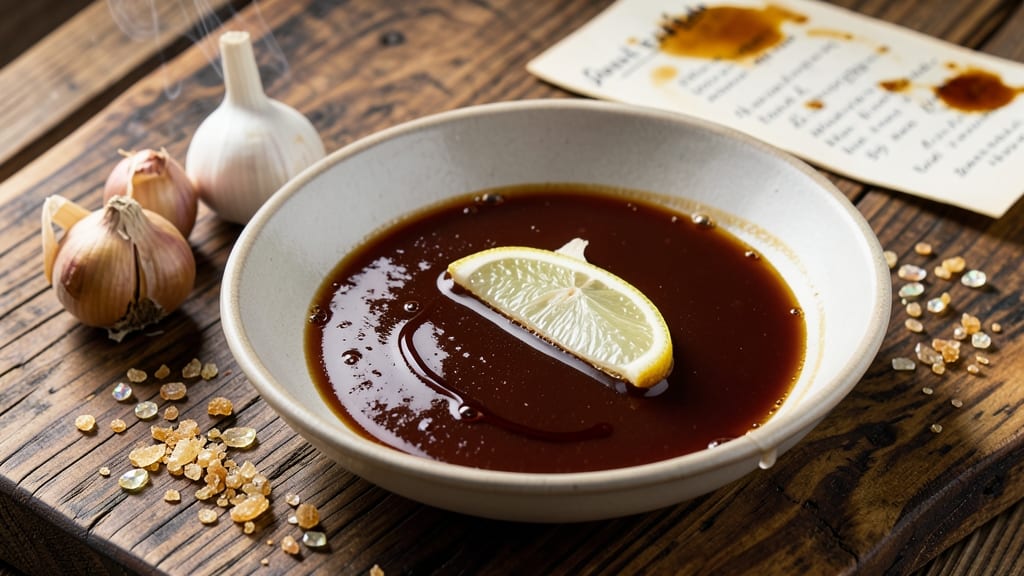
This Asado siopao sauce recipe transforms ordinary dishes into smoky, sweet, and tangy masterpieces with just a few simple ingredients.
The secret lies in balancing soy sauce's umami depth with the bright acidity of vinegar and the caramelized richness of brown sugar—all tied together by aromatic garlic and a touch of heat.
I developed this sauce after years of perfecting the Filipino-Asian fusion flavors that make siopao so irresistible, and it's now my go-to for everything from dipping to glazing.
The sauce starts with a fragrant base of garlic and ginger, simmered until fragrant before adding soy sauce, vinegar, and sugar to create a perfect harmony of flavors. The key is reducing it slowly to achieve that signature sticky, glossy consistency that clings beautifully to food.
For extra depth, a splash of fish sauce or oyster sauce adds umami complexity, while a pinch of black pepper rounds out the flavor profile. This isn't just a sauce—it's a flavor multiplier that elevates any dish it touches.
What makes this sauce truly special is its versatility—dip crispy siopao in it, brush it on grilled meats, or drizzle it over noodles for instant depth. The smoky-sweet heat lingers on your palate, making every bite unforgettable. And the best part?
It keeps well in the refrigerator for up to two weeks, so you can make a big batch and enjoy it all week long. Whether you're serving a crowd or just craving that perfect siopao flavor, this sauce delivers every time.
For an extra touch of authenticity, top with a celery crown garnish—thinly sliced celery arranged in a decorative circle—that adds both visual appeal and a subtle crunch.
The contrast of textures and flavors makes this sauce even more irresistible. Ready to take your dishes to the next level? Let's get started!
Ingredients for asado siopao sauce
Nine ingredients, endless flavor possibilities—this sauce is your new secret weapon.
| Ingredient | Amount | Notes |
|---|---|---|
| Soy Sauce 🍶 | ½ cup | Light or dark variety preferred |
| White Vinegar 🍋 | ¼ cup | White or apple cider vinegar |
| Light Brown Sugar 🍚 | ½ cup | Packed tightly for accuracy |
| Garlic Cloves 🧄 | 6 cloves | Minced finely for fragrance |
| Fresh Ginger 🌿 | 1 tbsp | Grated finely for zing |
| Fish Sauce 🍜 | 1 tbsp | Red Boat preferred for quality |
| Black Peppercorns 🌶️ | ½ tsp | Freshly cracked for aroma |
| Sesame Oil 🫒 | 1 tbsp | Toasted sesame oil for depth |
| Celery Stalks 🥬 | 1 whole | Thinly sliced for garnish |
| Water 💧 | ¼ cup | For thinning if needed |
The sauce starts with soy sauce and brown sugar—these two are non-negotiable. Grab Kikkoman soy sauce if you're near an Asian market, but any quality brand works. For the sugar, light brown gives that caramelized depth without being too sweet. Fresh ginger and garlic are your flavor anchors here—look for plump, firm ginger roots and garlic cloves with tight skins. The fish sauce is where the magic happens: Red Boat is my go-to, but any reputable brand does the trick. Pro tip: Buy sesame oil in small bottles—it goes rancid fast once opened, and you only need a little.
No fish sauce? A splash of oyster sauce works in a pinch, though it'll taste slightly different. Running low on brown sugar? White sugar plus a pinch of molasses mimics the flavor. Fresh ginger too spicy? Substitute with ground ginger at half the amount—just know it won't have the same punch. The celery crown topping is all about presentation, but any thinly sliced veggie (carrot, bell pepper) works if you're in a hurry. For extra smokiness, add a dash of smoked paprika to the sauce. And if you're feeling fancy, toast the garlic and ginger in sesame oil before adding to the sauce—game-changer for depth!
This sauce keeps like a dream—stores for up to 2 weeks in the fridge once cooled. The longer it sits, the better the flavors meld, so make a double batch if you can. For the celery crown, slice it paper-thin with a mandoline or sharp knife, then arrange in a decorative circle. The sauce thickens as it cools, so add a splash of water if it gets too stiff. Freezes beautifully too—portion into ice cube trays for easy single-use servings. Trust me, you'll want this on hand all the time.
Why You'll Love This Recipe
- Pantry Magic: I swear by this sauce because it uses stuff I already have—no last-minute grocery runs. The soy, vinegar, and sugar combo is like a flavor shortcut, but honestly, it’s anything but basic.
- Ginger-Garlic Punch: That fresh ginger and minced garlic? They turn this into a bold, aromatic sauce that clings to every bite. It’s the kind of flavor that makes you want to lick the spoon—yes, I’ve done it.
- Weeknight Workhorse: I make a big batch on Sundays and use it all week—drizzled on rice, tossed with veggies, or slathered on grilled meats. It’s my go-to for lazy nights when I still want something special.
- Budget Boost: A tiny jar of ginger and a few garlic cloves stretch this sauce far beyond its ingredients. It’s cheap, lasts forever, and still tastes like I spent hours in the kitchen. (Between us, I often do.)
Step-by-step instructions for asado siopao sauce
This sauce brings together smoky, sweet, and umami flavors with a celery crown topping that adds freshness and texture.
Prepare the Aromatics and Base Ingredients
In a medium saucepan, combine the 0.5 cup light brown sugar with the 0.25 cup white vinegar over medium heat. Stir constantly until the sugar dissolves completely and the mixture begins to bubble gently. This should take about 3-4 minutes—watch closely to prevent scorching.
While the sugar and vinegar mixture heats, finely mince the 6 cloves garlic and grate the 1 tablespoon fresh ginger. Add these to the saucepan along with the 0.5 teaspoon cracked black peppercorns. Stir everything together and let it simmer for 2-3 minutes until the garlic becomes fragrant and the mixture smells deeply aromatic. This step builds the foundation of your sauce's complex flavor profile.
Build the Sauce with Umami Depth
Reduce the heat to low and carefully pour in the 0.5 cup soy sauce and 1 tablespoon fish sauce. Stir well to incorporate these ingredients completely. The sauce should begin to thicken slightly as it simmers. Let it cook for 5-7 minutes, stirring occasionally, until the mixture reduces by about one-third and develops a glossy sheen.
Here's where the magic happens: the soy sauce adds that signature umami richness, while the fish sauce brings a salty, fermented depth. If the sauce starts to look too thick, add 1-2 tablespoons of the 0.25 cup water to loosen it to your desired consistency. You want it to coat the back of a spoon but still be pourable.
Finish with Sesame Oil and Celery Garnish
Remove the saucepan from heat and stir in the 1 tablespoon sesame oil. This adds a nutty aroma and subtle earthiness that perfectly complements the sweet and savory notes. Taste the sauce and adjust seasoning if needed—you might want to add a pinch more sugar or a splash of vinegar to balance the flavors.
While the sauce is still warm, thinly slice the 1 whole celery stalk into matchsticks. These will serve as your decorative crown topping. Place the sliced celery in a small bowl and drizzle it lightly with a teaspoon of sesame oil to enhance its fresh flavor. This step adds both visual appeal and a crisp, fresh contrast to the rich sauce.
Rest and Serve with Confidence
Let the sauce rest for 10-15 minutes at room temperature. This allows all the flavors to meld together and the sauce to reach its perfect consistency. The celery garnish can be kept separate until serving, or you can gently toss it into the sauce just before serving to maintain its crisp texture.
This sauce is perfect for drizzling over asado siopao, but it also works wonderfully with grilled meats, noodles, or even as a dipping sauce. The balance of sweet, smoky, and umami flavors makes it incredibly versatile—don't be afraid to experiment! The key is in the patience of letting the flavors develop fully before serving.
Pro Tips For Making Asado Siopao Sauce
- Simmer Low and Slow: This sauce isn’t a race—keep the heat at a gentle simmer (just bubbles breaking, not rolling) or you’ll burn the sugar and turn it bitter. I learned this the hard way after my first batch tasted like caramelized regret.
- Grind Ginger Fine: Skip the chunky slices—grate that ginger into a paste before adding it. Finer texture means it dissolves evenly, so every spoonful of sauce gets that bright, zesty kick. (Yes, even if you’re impatient like me.)
- Balance Vinegar First: Taste the raw vinegar-soy mix before adding sugar—it’s easier to fix sourness than to salvage a cloying mess. Start with half the vinegar, then adjust; you can always add more later.
- Toast Garlic Lightly: Mince those cloves and sauté them in a dry pan for 30 seconds until fragrant but not brown. This step makes the garlic’s flavor pop without turning the sauce bitter—trust me, your taste buds will notice.
Common mistakes when making your asado siopao sauce
Overcooking the Aromatics
I’ve burned garlic more times than I’d like to admit when making this sauce. The moment the garlic turns golden brown, it starts to bitterness—pull it off heat immediately once it’s fragrant but still pale.
Overcooking the ginger and garlic ruins the delicate balance of sweet and savory flavors you’re working so hard to achieve. If you’re unsure, taste as you go—it should smell amazing, not acrid. 🌶️
Skipping the Reduction
Rushing the reduction step is a huge mistake. This sauce relies on that glossy, concentrated flavor that only comes from slow simmering. If you don’t reduce it enough, the sauce will taste thin and lack depth.
Aim for a one-third reduction—that’s about 5-7 minutes on low heat. Patience here makes all the difference in the final texture and taste.
Ignoring the Resting Time
Serving the sauce immediately after cooking is a common error. Letting it rest for 10-15 minutes allows the flavors to meld and the sauce to thicken naturally. If you skip this step, the sauce might taste disjointed or too sharp. Trust the process—the waiting makes it worth it.
Using Low-Quality Ingredients
This sauce shines when you use high-quality soy sauce, fish sauce, and sesame oil. Cheap or old ingredients can make the final product taste flat or off. I always recommend Kikkoman soy sauce and Red Boat fish sauce—they’re worth the investment.
Fresh ginger and garlic are also non-negotiable; pre-minced or jarred versions lack the freshness this sauce needs.
Forgetting the Celery Crown
The celery crown isn’t just for looks—it adds a crisp, fresh contrast that balances the rich, smoky-sweet sauce. Skipping it means missing out on both the visual appeal and the textural pop.
If you’re in a hurry, thinly sliced carrot or bell pepper works, but nothing beats the classic celery garnish. 🥬
Overthinning the Sauce
Adding too much water or vinegar can dilute the sauce’s intensity. If it’s too thick, add just 1 tablespoon of water at a time and stir well. The goal is a pourable but coatable consistency—not a watery glaze.
Taste as you go to avoid overdoing it. The sauce will naturally thicken as it cools, so don’t rush to thin it too early.
Nutrition facts
Frequently asked questions
Can I make this sauce without fish sauce?
For a vegetarian version, substitute the 1 tablespoon fish sauce with 1 tablespoon soy sauce plus 1 teaspoon oyster sauce (if available). The umami depth will be slightly different but still delicious. If you can't find oyster sauce, a dash of mushroom powder or Worcestershire sauce works in a pinch. The key is maintaining that savory balance.
How long will this sauce keep in the fridge?
This sauce stays fresh in an airtight container in the refrigerator for up to 2 weeks. The flavors actually improve as they meld over time! For longer storage, portion into ice cube trays and freeze—each cube will be perfect for single-use servings. Always let it come to room temperature before using to preserve texture.
Can I use this sauce for other dishes besides siopao?
Definitely! This versatile sauce works beautifully as a glaze for grilled meats, a dipping sauce for spring rolls, or even a marinade for tofu. The smoky-sweet balance makes it perfect for Asian-inspired dishes like dumplings, noodles, or even as a drizzle over fried rice. Just adjust the thickness—thinner for dipping, thicker for glazing.
Why does my sauce taste too sweet or salty?
Adjusting the balance is easy! If it's too sweet, add 1-2 teaspoons vinegar to cut through. Too salty? Thin with 1 tablespoon water and add a pinch more sugar. For extra depth, a splash of sesame oil or toasted garlic oil can help round out the flavors. Always taste as you go—this sauce is all about finding your perfect balance!
What's the best way to reheat this sauce?
Gently warm the sauce in a small saucepan over low heat for 2-3 minutes, stirring constantly. Never microwave it directly—this can make it watery. If it thickens too much while reheating, add 1 teaspoon water** at a time. For the celery crown, add it fresh after reheating to keep it crisp.